Planning a trip to Whitefish, Montana? The best time to visit depends on whether you want sunny lake days, mountain hikes, colorful fall scenery, or fresh snow at Whitefish Mountain Resort. Each season offers something different, and choosing the right month can make a big difference in your experience, travel costs, and access to outdoor activities.
Quick Answer
The best time to visit Whitefish, Montana, is July through September for hiking, lake activities, and generally pleasant weather. September offers a good balance of comfortable days and lighter crowds. For skiing and snowboarding, plan for December through March. April, May, and late fall can offer lower lodging rates, but outdoor activities may be limited.
Key Takeaways
- Best overall balance: September offers pleasant daytime temperatures, fall scenery, and generally fewer visitors than midsummer.
- Best for summer activities: July and August offer warm weather, lake recreation, and better access to higher-elevation trails.
- Best for skiing: December through March is the main winter recreation window, although exact resort dates depend on conditions.
- Best for potential savings: April, May, October, and November can offer better lodging value, depending on availability.
- Best for Glacier National Park: July through September generally provides the most dependable opportunity to explore the park’s higher elevations.
Best Time to Visit Whitefish, Montana: Seasonal Comparison
Before choosing your travel dates, compare what each season offers. The table below provides a quick overview of typical conditions rather than a forecast or a guarantee of prices.
| Season | Typical Weather | Crowds | Costs | Best Activities |
|---|---|---|---|---|
| Summer (June–August) | Mild to warm days and cool evenings | High, especially July and August | Often higher | Hiking, biking, boating, swimming, sightseeing |
| Fall (September–October) | Mild early, colder later | Generally decreasing | Often moderate to lower | Hiking, photography, fall foliage, sightseeing |
| Winter (November–March) | Cold, with regular snow | High around ski holidays | Variable; holiday periods can be expensive | Skiing, snowboarding, snowshoeing |
| Spring (April–May) | Changing conditions, rain, snow, and mud | Usually low | Often lower | Town exploration, lower trails, photography |
1. Understanding Whitefish’s Seasons
Whitefish experiences four distinct seasons. The right time to visit depends on your preferred activities, tolerance for crowds, and travel budget.
Summer: June Through August
Summer is Whitefish’s main sightseeing season. Long daylight hours make it easy to spend mornings hiking, afternoons on the lake, and evenings exploring downtown.
July and August are generally warmer than June. Whitefish Lake becomes a popular destination for swimming, boating, kayaking, and paddleboarding.
- Weather: Warm afternoons, cool mornings, and occasional thunderstorms. Bring a light jacket even during midsummer.
- Crowds: Expect busy beaches, popular hiking trails, and increased demand for accommodations.
- Costs: Summer lodging and rental-car prices can be high, particularly during popular vacation weeks.
- Best for: Families, hikers, lake visitors, and travelers planning a Glacier National Park trip.
June can be attractive if you prefer milder weather, but higher mountain trails may still have snow. July and August usually provide better access to alpine recreation.
Fall: September Through October
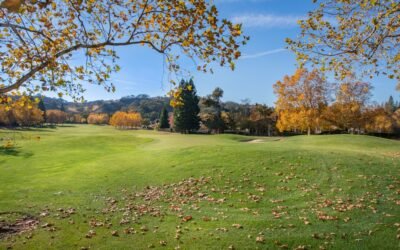
Fall brings cooler weather, changing leaves, and a slower pace after the summer vacation season.
September is particularly appealing because many outdoor activities remain possible while visitor numbers generally begin to decrease.
- Weather: September can have comfortable afternoons, while October brings colder mornings, frost, and possible snow.
- Crowds: Generally lighter than July and August, although popular weekends can still be busy.
- Costs: Lodging may become more affordable as summer demand declines.
- Best for: Photography, hiking, scenic drives, and quieter sightseeing.
Western larch trees provide distinctive golden fall color in northwest Montana, often later than the first color changes in other trees.
However, snow can close high-elevation roads and trails earlier than expected. October visitors should have a backup plan.
Winter: November Through March
Winter turns Whitefish into a snow-sports destination. Whitefish Mountain Resort attracts skiers and snowboarders, while the surrounding area offers snowshoeing and other cold-weather recreation.
November is a transition month rather than a guaranteed ski month. The main resort season generally begins in December.
- Weather: Cold temperatures, regular snowfall, and occasional severe cold.
- Crowds: Holiday periods and popular ski weeks can be busy.
- Costs: Resort-area lodging and ski-related expenses can increase significantly during peak demand.
- Best for: Skiing, snowboarding, snowshoeing, and winter scenery.
The published Whitefish Mountain Resort 2026–2027 winter schedule runs from December 4, 2026, through April 4, 2027, conditions permitting.
Check resort announcements before purchasing nonrefundable travel arrangements because actual operations depend on weather, snow coverage, and other conditions.
Spring: April and May
Spring is Whitefish’s quieter transition season. Snow begins melting at lower elevations, but mountain areas can remain snow-covered well into late spring.
This period is often called mud season because melting snow and rain can leave trails wet and soft.
- Weather: A mix of sunshine, rain, cold mornings, and occasional late snow.
- Crowds: Usually lower than in summer and the main ski season.
- Costs: Potentially attractive lodging rates, depending on the property and dates.
- Best for: Quiet town visits, photography, and lower-elevation walks when conditions allow.
Some seasonal businesses, tours, mountain attractions, and visitor services may be closed during the transition between winter and summer operations.
Check availability before booking a spring trip around a specific activity.
2. Whitefish Weather by Month
Understanding the temperature differences between months makes choosing your travel dates easier.
The following figures are rounded averages based on NOAA’s 1991–2020 climate normals for Whitefish, Montana. They represent historical conditions in town, not a forecast for your travel dates.
| Month | Average High | Average Low |
|---|---|---|
| January | 29°F | 16°F |
| February | 34°F | 16°F |
| March | 43°F | 23°F |
| April | 53°F | 30°F |
| May | 64°F | 39°F |
| June | 70°F | 45°F |
| July | 81°F | 50°F |
| August | 80°F | 48°F |
| September | 69°F | 40°F |
| October | 53°F | 31°F |
| November | 38°F | 24°F |
| December | 29°F | 18°F |
Source: NOAA National Centers for Environmental Information, U.S. Climate Normals.
Note: Whitefish Mountain Resort and Glacier National Park’s higher elevations can be much colder than downtown Whitefish. Snow, wind, and sudden weather changes remain possible even when conditions in town are pleasant.
Summer Sunshine and Afternoon Showers
July and August offer the warmest average temperatures, with daytime highs near 80°F. June is milder, with an average high around 70°F.
Afternoon thunderstorms are possible during summer, and temperatures can drop noticeably after sunset.
Pack sunscreen, comfortable hiking clothes, a light jacket, and a waterproof outer layer.
Higher trails may remain snowy early in the season, so check trail conditions before setting out.
Fall’s Crisp Air and Changing Colors
September often provides comfortable afternoons, with average highs near 69°F. However, mornings are cooler, and overnight temperatures can approach freezing later in the season.
By October, the average high drops to around 53°F.
Fall visitors should bring layers, waterproof shoes, and a warm jacket. Snow is possible at higher elevations before it reaches town.
Winter’s Cold and Snowy Conditions
January has an average daily high around 29°F and an average low near 16°F. Colder conditions are possible during winter storms and cold snaps.
Conditions on the mountain can be considerably harsher because of elevation, wind, and exposure.
For winter activities, bring an insulated jacket, waterproof gloves, warm socks, snow boots, and appropriate head and face protection.
Drivers should also prepare for snow-covered roads and changing visibility.
Spring’s Unpredictable Weather
April and May bring warmer afternoons, but spring weather is far from settled.
Expect a mix of rain, sunshine, snow at higher elevations, and muddy trails.
Waterproof footwear, a rain jacket, and clothing that can be layered are particularly useful.
Lower-elevation trails may become accessible before alpine trails, which can remain snow-covered much longer.
3. Crowd Dynamics: When Is Whitefish Least Busy?
Visitor numbers affect restaurant availability, lodging demand, parking, and the general atmosphere around town.
Whitefish has two main tourism periods: summer sightseeing and winter skiing.
Peak Season: July, August, and Ski Holidays
July and August bring strong demand for lake recreation, mountain activities, and trips to nearby Glacier National Park.
Popular restaurants, trailheads, and accommodations can become busy.
Winter also attracts visitors, particularly around Christmas, New Year’s, and popular school vacation periods.
If your travel dates fall during these periods, book accommodations and important activities well ahead of time.
Shoulder Seasons: April, May, September, and October
Shoulder seasons generally offer a quieter experience than midsummer.
September is especially appealing because many warm-weather activities may remain available, particularly early in the month.
April and May are often quieter still, although spring closures and changing conditions can limit outdoor recreation.
Quieter Periods: Late Fall and Early Winter
November and early December can be relatively peaceful before the main ski season and holiday travel begin.
January and early February may also offer quieter windows outside busy ski weekends and holidays.
However, winter visitor patterns vary with snowfall, events, and resort operations.
For a particularly quiet trip, consider traveling midweek rather than arriving on a Friday or Saturday.
4. Cost Considerations: How to Visit Whitefish on a Budget
Travel costs in Whitefish change with accommodation demand, holidays, resort operations, and the availability of seasonal activities.
There is no single month that guarantees the lowest total trip cost, but some periods offer better opportunities to save.
Summer: Higher Demand for Accommodation
Summer is a popular time to visit, particularly in July and August.
Lakefront properties, centrally located hotels, and vacation rentals can command higher rates when demand is strong.
Rental cars and popular guided activities may also become more expensive or sell out.
To manage costs:
- Compare lodging rates across several nearby dates.
- Check properties outside the busiest downtown and lakefront locations.
- Book refundable accommodation early when practical.
- Choose free or lower-cost activities such as public parks, walking routes, and self-guided sightseeing.
Winter: Premium Prices Around Ski Holidays
Christmas, New Year’s, and popular ski vacation periods can bring higher demand for accommodation near Whitefish Mountain Resort.
Ski trips also involve expenses that summer visitors may not have, including lift tickets, equipment rentals, lessons, and winter transportation.
Compare the total trip cost rather than focusing only on hotel rates.
Traveling outside major holidays may provide better lodging options, although prices and snow conditions vary.
Fall and Spring: Potential Shoulder-Season Savings
April, May, September, and October can offer attractive lodging opportunities compared with the busiest vacation periods.
However, better room rates do not always mean better overall value.
A cheaper spring hotel is less useful if your main reason for visiting is an activity that has not opened for the season.
Before booking, confirm that the attractions, restaurants, tours, and transportation services you need will be operating.
Early and Late Season Deals
Early December, selected January weeks, and the period near the end of the ski season may offer different pricing from major holiday periods.
The same principle applies to warm-weather travel: early June and September may offer better value than the busiest parts of July and August.
Pro Tip: Compare a weekday stay with a weekend stay, then check the resort or attraction calendar before booking. A lower room price may coincide with limited seasonal services, so compare the complete trip rather than the nightly rate alone.
5. Activity-Specific Timing: When to Do What
Your preferred activities should play the biggest role in choosing your Whitefish travel dates.
Skiing and Snowboarding: December Through March
Whitefish Mountain Resort is the main winter sports attraction.
Its published 2026–2027 season is scheduled for December 4 through April 4, conditions permitting.
December through March is the core planning window for skiing and snowboarding.
Snow conditions, lift operations, and available terrain can vary throughout the season. Check the resort’s official operating information before finalizing your trip.
Book early if you plan to travel during Christmas, New Year’s, or a school vacation period.
Hiking and Biking: Late Spring Through Early Fall
Whitefish has opportunities for hiking and biking across several seasons, but trail access depends heavily on elevation.
- May: Some lower-elevation trails become accessible as snow melts. Expect wet or muddy sections.
- June: More trails open, but high-elevation routes may remain snow-covered.
- July and August: Generally better conditions for a wider range of mountain trails, subject to snow, weather, and closures.
- September: Often a good time for hiking, with cooler temperatures and fewer insects.
- October: Some lower trails may remain accessible, but snow and freezing conditions become increasingly likely at higher elevations.
Mountain biking opportunities at the resort follow separate seasonal operating schedules. Do not assume that lifts and bike facilities operate whenever hiking trails are accessible.
Warning: A trail being accessible does not mean it is snow-free or safe. Check current conditions, carry suitable clothing, and turn around if snow, storms, or poor visibility make the route unsafe.
Water Sports on Whitefish Lake: Summer
Summer is the main season for swimming, boating, paddleboarding, and kayaking on Whitefish Lake.
Whitefish City Beach provides a public swimming area and seasonal recreation facilities.
July and August are generally the most appealing months for visitors who want to spend considerable time in the water.
June can still bring cold water, even when afternoon air temperatures feel comfortable.
Early September may offer opportunities for boating and paddling, depending on weather and rental availability.
Water temperatures and conditions vary, so avoid assuming the lake will be warm simply because the weather forecast is sunny.
Warning: Cold water can affect breathing and swimming ability. Wear an appropriate life jacket when boating or paddling, monitor the weather, and leave the water if thunderstorms approach.
Fishing: Seasonal Opportunities Throughout the Year
Fishing is possible in the Whitefish area during multiple seasons, but the rules depend on the specific lake, river, or stream.
- Spring: Conditions improve as temperatures rise, but river access and legal fishing seasons vary.
- Summer: Lakes and rivers provide a range of fishing opportunities.
- Fall: Cooler conditions can make this an appealing period for anglers, depending on species and water conditions.
- Winter: Ice fishing may be possible on permitted waters when ice conditions are safe.
Under the 2026 Montana regulations, the Western District general river and stream season runs from the third Saturday in May through November 30, unless exceptions apply. Lakes generally have a year-round season, subject to specific restrictions.
Check the Montana Fish, Wildlife & Parks fishing regulations for the exact water you intend to fish.
Obtain the required fishing license and review applicable catch limits, species restrictions, and seasonal closures.
Never assume that naturally frozen water is safe to walk on. Ice thickness and strength can vary considerably across the same lake.
Wildlife Viewing: Spring Through Fall
Wildlife can be seen throughout the year, although seasonal conditions affect animal behavior and visibility.
- Spring: Animals become more active as snow melts and food becomes available.
- Summer: Early morning and evening can provide opportunities for wildlife observation.
- Fall: Animals may be actively feeding as winter approaches.
- Winter: Some wildlife remains active, while other animals become harder to observe.
Bears are present in the broader region, including Glacier National Park.
Keep a safe distance, never feed wildlife, and use binoculars or a camera lens rather than approaching animals.
For hiking in bear country, follow the National Park Service’s wildlife and hiking safety recommendations.
Glacier National Park: July Through September
Many travelers use Whitefish as a base for exploring nearby Glacier National Park.
The park’s seasonal access can strongly influence the best time to visit Whitefish, especially if Going-to-the-Sun Road and Logan Pass are on your itinerary.
The high-elevation portion of Going-to-the-Sun Road generally opens in late June or early July, depending on snow removal and weather. There is no guaranteed annual opening date.
For the 2026 season, the complete road opened on June 22.
According to the National Park Service’s Going-to-the-Sun Road information, the alpine section typically remains fully open until around the third Monday in October, conditions permitting.
Snow or other hazards can cause earlier closures.
Best months for a Glacier-focused trip:
- June: Lower-elevation sightseeing is possible, but alpine road and trail access may remain limited.
- July and August: Generally provide the broadest range of summer sightseeing opportunities.
- September: Offers a useful balance of scenery, cooler temperatures, and potentially lighter crowds.
- October: Fall colors can be beautiful, but services and high-elevation access become less dependable.
2026 access update: Glacier National Park did not require vehicle reservations in 2026. It introduced a ticketed Logan Pass shuttle and three-hour parking limits during the summer pilot period, which ended after Labor Day.
Park entrance requirements remained separate from shuttle arrangements.
Review the official 2026 Logan Pass information for details about that season.
Do not assume that the same access arrangements will apply in later years. Check official park announcements when planning a future visit.
6. Practical Planning Tips for Your Whitefish Trip
What to Pack for Each Season
Whitefish weather changes considerably throughout the year, so your packing list should reflect both the season and your planned activities.
- Summer: Lightweight clothing, hiking shoes, sunscreen, sunglasses, a reusable water bottle, a light jacket, and rain protection.
- Fall: Warm layers, waterproof footwear, a jacket, and clothing suitable for cool mornings.
- Winter: Insulated outerwear, waterproof boots, gloves, warm socks, and appropriate snow-sports equipment.
- Spring: Waterproof shoes, rain gear, layered clothing, and a warm outer layer for sudden weather changes.
If you are heading into the mountains, prepare for temperatures and conditions that may differ substantially from the forecast for downtown Whitefish.
How Far Ahead Should You Book?
The most useful booking strategy depends on your travel dates.
- Summer: Reserve accommodations and important activities early, especially for July and August.
- Peak ski holidays: Book lodging, lessons, rentals, and lift access in advance when possible.
- Shoulder seasons: Compare several dates, but confirm seasonal operating schedules before committing.
- Weather-dependent trips: Consider flexible or refundable arrangements where available.
If a particular attraction is the main reason for your visit, confirm that it will actually be open during your planned stay.
Travel Safety and Seasonal Conditions
Whitefish and the surrounding mountains are beautiful, but conditions can change quickly.
Keep these practical precautions in mind:
- Mountain weather: Check current forecasts and trail conditions before hiking.
- Wildlife: Carry accessible bear spray where recommended, know how to use it, and follow wildlife-distance guidance.
- Wildfire smoke: Summer and early fall can bring smoke that affects visibility and outdoor activities.
- Winter roads: Allow additional travel time and make sure your vehicle is suitable for the conditions.
- Lake recreation: Wear appropriate safety equipment and avoid boating or paddling during thunderstorms.
Wildfire smoke varies from year to year, so it should not be treated as a guaranteed problem during any particular month.
Check current air-quality information and local advisories if smoke is affecting the region during your visit.
How Many Days Should You Spend in Whitefish?
A weekend can work well if your main goal is exploring downtown Whitefish, enjoying the lake, or spending time at the ski resort.
For travelers who also want to visit Glacier National Park, a longer stay provides more flexibility.
- 2–3 days: Explore Whitefish, enjoy local restaurants, and choose one or two major activities.
- 4–5 days: Combine Whitefish attractions with additional hiking, mountain recreation, or a Glacier National Park day trip.
- 6–7 days: Build in more time for Glacier National Park, outdoor activities, and weather-related schedule changes.
During winter and shoulder seasons, extra flexibility can be particularly valuable because weather may affect your original plans.
7. Making Your Choice: Which Season Fits Your Trip?
Ultimately, the best time to visit Whitefish depends on your priorities.
Are you planning around ski conditions, warm lake days, quieter hiking trails, or a more affordable hotel?
Use the following recommendations to match your trip with the season.
For Budget-Conscious Travelers and Quieter Trips
Consider April, May, September, or October.
These months may offer lower accommodation rates and fewer visitors than the busiest travel periods.
September provides more opportunities for outdoor recreation than spring, while April and May may be better suited to travelers who enjoy quieter town visits and flexible plans.
For Hiking and General Outdoor Adventures
July and August provide warm weather and generally better access to a wide range of summer activities.
September is also a strong option if you prefer cooler conditions and want to avoid some of the midsummer crowds.
For high-elevation hiking, always confirm snow and trail conditions before choosing a route.
For Winter Sports Enthusiasts
Plan your trip between December and March, with the resort’s actual operating schedule guiding your final dates.
Book early during holidays and popular ski weeks, and check snow reports before departure.
For Solitude and Potentially Lower Prices
Late fall and spring can be appealing if you prefer a slower pace and do not need every seasonal attraction to be open.
November and April are worth considering, but prepare for unpredictable weather and limited activity availability.
If you want a trip that combines outdoor access, comfortable daytime weather, and a more relaxed atmosphere, September is an especially useful starting point for planning your Whitefish visit.
Frequently Asked Questions
What is the best time to visit Whitefish, Montana, for favorable weather?
July and August generally offer the warmest weather, with average daily highs around 80°F. September is also appealing for travelers who prefer cooler temperatures. Mountain conditions can be colder and less predictable than temperatures in town.
When is the peak tourist season in Whitefish, Montana?
July and August are major summer tourism months. Whitefish also attracts winter visitors during the main ski season, particularly around Christmas, New Year’s, and popular vacation weeks.
What is the shoulder season in Whitefish, Montana?
Whitefish’s main shoulder-season periods are April and May in spring and September and October in fall. These months generally bring fewer visitors than peak summer, although weather and seasonal activity availability vary.
When is the best time to visit Whitefish to avoid high costs?
April, May, October, and November can offer opportunities for lower lodging rates. September and selected non-holiday winter weeks may also provide good value. Compare actual accommodation and activity prices because rates vary with demand.
What is winter like in Whitefish, Montana?
Winter is cold and snowy. January’s average daily high is approximately 29°F, with an average low near 16°F. Colder conditions are possible, especially in the mountains. The main ski season generally runs from December into early April, depending on resort operations and snow conditions.
Is September a good month to visit Whitefish?
Yes. September offers cooler temperatures, changing scenery, and generally lighter crowds than July and August. Many outdoor activities remain possible, although weather can change and some seasonal services begin closing.
When should I visit Whitefish and Glacier National Park together?
July through September generally offers the best opportunity to combine Whitefish activities with Glacier National Park’s higher-elevation attractions. Going-to-the-Sun Road’s alpine section usually opens in late June or early July and closes in fall, depending on weather and road conditions.
Can you visit Whitefish without skiing?
Absolutely. Summer offers swimming, boating, hiking, biking, and sightseeing. Fall is appealing for photography and scenic drives. Spring and late fall can provide quieter town visits, although some seasonal activities may be unavailable.
Sources
- NOAA National Centers for Environmental Information — U.S. Climate Normals — historical temperature averages and seasonal weather comparisons.
- Whitefish Mountain Resort — Hours and Dates — published 2026–2027 ski-season schedule and seasonal operating information.
- National Park Service — Going-to-the-Sun Road General Information — seasonal road access, snow-related closures, and trip planning.
- National Park Service — Visiting Logan Pass in 2026 — vehicle reservations, shuttle arrangements, and parking rules.
- Montana Fish, Wildlife & Parks — 2026 Fishing Regulations — fishing seasons, district rules, and water-specific restrictions.
- National Park Service — Have Fun and Stay Safe — hiking preparation, bear safety, and wildlife precautions.