Planning a trip to Birmingham, the UK’s vibrant second city, requires balancing weather, seasonal festivities, accommodation rates, and tourist crowds. Whether you are coming to explore historic canal networks, dive into the world-famous Balti Triangle, or visit the Frankfurt Christmas Market, timing your visit properly ensures you get the most out of your stay in the West Midlands.
Quick Answer
The overall best time to visit Birmingham, UK is during the shoulder seasons of late spring (May to June) and early autumn (September to October). These months offer comfortable temperatures (15°C–20°C / 59°F–68°F), extended daylight, fewer tourist crowds, and lower hotel prices compared to the peak summer season.
Key Takeaways
- Best for Sightseeing & Canals: May to June brings blooming parks, long daylight hours, and manageable foot traffic.
- Best on a Budget: January to March delivers the lowest hotel rates and fewest tourists, though outdoor weather is cold and damp.
- Best for Festive Atmosphere: Mid-November through late December hosts the renowned Birmingham Frankfurt Christmas Market.
- Peak Season: July and August bring the warmest weather (20°C–25°C), school holiday crowds, and peak hotel pricing.
Birmingham Weather & Climate by Season
Birmingham features a temperate maritime climate typical of the English Midlands. The city rarely experiences extreme freezing conditions or unmanageable heat, but cloud cover and localized precipitation occur across all twelve months. Understanding seasonal shifts helps you pack the right gear and plan indoor versus outdoor itineraries.
| Season | Months | Avg High / Low (°C) | Daylight | Crowd Level | Price Trend |
|---|---|---|---|---|---|
| Spring | Mar – May | 10°C to 17°C / 3°C to 8°C | 11–16 hrs | Moderate | Moderate / Value |
| Summer | Jun – Aug | 19°C to 23°C / 11°C to 13°C | 15–17 hrs | High (Peak) | High |
| Autumn | Sep – Nov | 10°C to 18°C / 4°C to 10°C | 9–13 hrs | Moderate | Moderate |
| Winter | Dec – Feb | 6°C to 8°C / 1°C to 3°C | 7.5–9 hrs | High in Dec / Low in Jan-Feb | Low (excl. Dec) |
Spring (March to May): Renewal and Lengthening Days
Spring marks the gradual transition away from winter cold. While March remains brisk with frequent passing rain, May regularly delivers pleasant afternoons with temperatures reaching 17°C to 19°C (63°F–66°F). Birmingham’s parks—such as Cannon Hill Park and the Birmingham Botanical Gardens—come into full bloom.
- March: Chilly with brisk breezes. Highs average 10°C–12°C (50°F–54°F). Layering is essential.
- April: Mild and unpredictable. Highs reach 13°C–15°C (55°F–59°F), accompanied by signature “April showers.”
- May: Warm and vibrant. Highs range from 16°C–19°C (61°F–66°F). Ideal conditions for walking along the Gas Street Basin canal network.
Summer (June to August): Long Evenings and Outdoor Life
Summer is the warmest and most active period in Birmingham. Daylight extends up to nearly 17 hours in mid-summer, allowing for late canal-side dining in Brindleyplace and open-air gatherings. High temperatures generally stay around 21°C to 23°C (70°F–73°F), though occasional summer heatwaves can push readings above 30°C (86°F).
- June: Outstanding balance of long daylight hours and moderate summer temperatures before local schools break for holiday.
- July & August: The warmest months, bringing peak domestic tourism, bustling canal terraces, and occasional convective summer thunderstorms.
Pro Tip: June is typically the sweet spot of the summer season. You get full summer daylight and open terrace dining without the heavy family holiday crowds that arrive in late July and August.
Autumn (September to November): Foliage and Cultural Openings
September remains mild and pleasant, making it one of the finest sightseeing months of the year. By October, temperatures drop toward 13°C (55°F) and trees along the canals turn vibrant shades of amber and red. November turns cooler and damp, but marks the arrival of festive winter lights.
- September: Crisp mornings and comfortable afternoons averaging 17°C–19°C (63°F–66°F), with lower humidity than mid-summer.
- October: Cooler days (12°C–15°C / 54°F–59°F) and golden foliage; ideal for indoor gallery visits and heritage walks in the Jewellery Quarter.
- November: Temperatures settle around 8°C–10°C (46°F–50°F). The city center transitions into holiday mode with the launch of the German Christmas Market.
Winter (December to February): Festive Cheer and Low-Season Calm
Winter in the West Midlands is cold and overcast, though severe sub-zero cold and disruptive snowfall in the city center are relatively rare compared to northern Europe. December sees heavy foot traffic around New Street and Victoria Square due to the holiday market, followed by a quiet lull in January and February.
- December: Festive, crowded, and chilly (highs averaging 7°C / 45°F). Excellent for seasonal shopping and theater productions.
- January & February: The quietest period of the year. Daytime highs hover around 6°C–8°C (43°F–46°F). A budget-friendly window for indoor museums, exhibitions, and Michelin-starred dining without reservations stress.
Note: Winter daylight is limited, with the sun setting around 4:00 PM in December and January. Plan outdoor walking routes for the morning and early afternoon.
Crowd Patterns: Managing Peak and Off-Peak Travel
Birmingham’s tourist influx is shaped by UK school terms, major university schedules, and exhibition events at the National Exhibition Centre (NEC).
- Peak Season (July – August & December Weekends): Families visit major attractions like Cadbury World, the National SEA LIFE Centre, and Thinktank Science Museum. Expect longer queues and busy public transit along New Street and Moor Street hubs.
- Shoulder Season (May – June & September – October): Tourism flows at a manageable pace. Museum galleries and restaurants operate smoothly without extended wait times.
- Off-Peak Season (January – March, excluding half-term): The city belongs mostly to locals and business travelers. It offers an unhurried atmosphere for exploring the Birmingham Museum and Art Gallery, the Barber Institute of Fine Arts, and the Library of Birmingham.
Budget Guide: Accommodation and Travel Costs
Birmingham is substantially more affordable for travelers than Central London, but hotel rates fluctuate based on season and major events at the NEC and Utilita Arena.
- Peak Summer Pricing (June – August): City center hotels in areas like Colmore Row, the Mailbox, and Brindleyplace charge premium rates. Booking 6 to 8 weeks in advance is recommended.
- Shoulder Season Value (May & September – October): Mid-range and boutique accommodations drop by 15% to 30% compared to summer peaks, presenting the strongest balance of price and experience.
- Off-Peak Discounts (January – March): High-end chain hotels and boutique serviced apartments frequently offer steep weekend discounts and meal packages.
Annual Events and Cultural Highlights
Birmingham hosts a rich calendar of annual cultural, food, and arts festivals that can help you time your visit:
- Flatpack Festival (Spring / May): An eclectic city-wide film and arts festival utilizing unconventional venues across Digbeth and the city center.
- Birmingham Pride (May Bank Holiday): One of the UK’s largest LGBTQ+ festivals, centered around the Gay Village along Hurst Street with street parties, parades, and live stages.
- Birmingham International Dance Festival (BIDF – Summer): A major biennial festival bringing world-class outdoor performances and dance showcases to public squares.
- Birmingham Mela (July): The UK’s largest South Asian music and cultural festival, held annually in Victoria Park.
- Birmingham Comedy Festival (October): A 10-day comedy event featuring top international acts and emerging talent across independent venues.
- Birmingham Frankfurt Christmas Market (November – December): The largest authentic German Christmas market outside Germany and Austria, spanning Victoria Square and New Street with dozens of craft stalls, glühwein, and bratwurst.
Best Activities by Season
Canal Walks and Boat Tours (Spring & Summer)
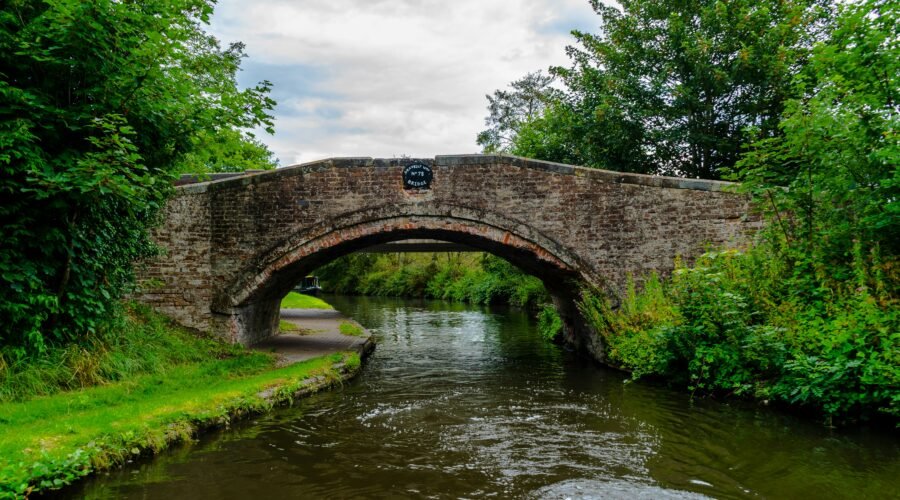
Birmingham famously features more miles of canal waterways than Venice (over 35 miles across the city limits). The renovated towpaths through Gas Street Basin and Sherborne Wharf are best enjoyed from late spring through early autumn, when waterside bars and restaurants open their outdoor terraces.
The Jewellery Quarter and Digbeth (Year-Round)
The historic Jewellery Quarter produces a significant portion of the UK’s fine jewellery and houses independent workshops, historic museums, and cozy gastropubs. South of the center, Digbeth serves as the city’s creative quarter, packed with street art, independent food halls (such as the Custard Factory), and vintage retail—ideal for exploration in any season.
World-Class Museums and Indoor Heritage (Autumn & Winter)
When weather turns wet, Birmingham’s cultural venues offer full-day indoor exploration:
- Birmingham Museum and Art Gallery (BMAG): Renowned for its world-leading collection of Pre-Raphaelite artwork.
- Library of Birmingham: A striking architectural landmark in Centenary Square featuring rooftop garden terraces and historic Shakespeare memorial rooms.
- Symphony Hall: Widely regarded as having some of the finest concert acoustics in the world, home to the City of Birmingham Symphony Orchestra (CBSO).
When Is the Best Time for Your Trip?
Choosing the ideal month to visit Birmingham comes down to your personal travel priorities:
- For the best overall balance: Visit in May, June, or September for pleasant weather, long days, and normal crowd volumes.
- For food, nightlife, and festivals: Choose June, July, or August to enjoy street festivals and outdoor canal terraces.
- For seasonal magic and holiday shopping: Visit from mid-November through December for the Frankfurt Christmas Market.
- For maximum budget savings: Travel between January and March for lower hotel rates and relaxed indoor sightseeing.
Frequently Asked Questions
What is the best month to visit Birmingham UK for good weather?
June and July are typically the best months for warm weather and sunshine in Birmingham, with daytime highs averaging 20°C to 23°C (68°F–73°F) and around 16 to 17 hours of daily daylight. However, late May and September also offer comfortable, mild conditions with fewer tourists.
When is the peak tourist season in Birmingham UK?
Peak tourist season spans July and August during the UK school summer holidays, as well as December weekends during the Birmingham Frankfurt Christmas Market. During these windows, hotel occupancy rises and popular attractions like Cadbury World and Thinktank experience their highest visitor numbers.
When is the cheapest time to visit Birmingham UK?
The most affordable time to visit is during the post-holiday winter lull from January through March. During this low season, hotels in the city center offer discounted room rates and package deals, and indoor cultural venues have minimal queues.
When are the shoulder seasons in Birmingham?
Birmingham’s primary shoulder seasons run from late spring (April to early June) and early autumn (September to October). These periods offer moderate temperatures (13°C–19°C), dependable sightseeing conditions, and stable accommodation prices.
Does it snow in Birmingham during the winter?
Snowfall occurs occasionally between December and February, but significant accumulations in the urban city center are infrequent. Most winter precipitation falls as light rain or drizzle, with daytime temperatures generally staying above freezing (3°C to 8°C).
Sources
- UK Met Office Climate Averages — Regional climate averages, rainfall statistics, and temperature records for the West Midlands.
- Visit Birmingham (Official Tourism Board) — Annual events calendar, heritage venue schedules, and accommodation guides.
- Birmingham City Council — City event authorizations, civic heritage listings, and Christmas Market dates.