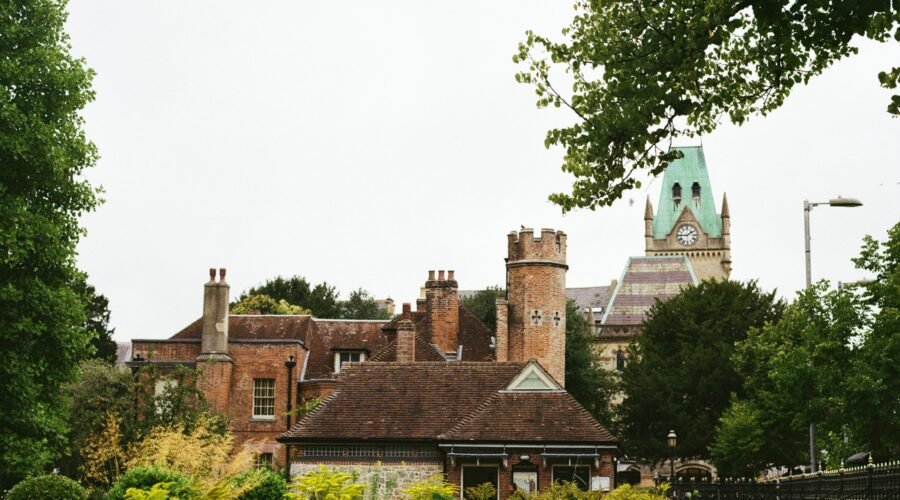
Looking to travel to Winchester but wondering when you can enjoy its historic streets, cathedral, museums, riverside walks, and nearby South Downs scenery without paying peak-season rates or squeezing through the busiest crowds? For most visitors, late spring (May to June) and early autumn (September to early October) offer the best overall balance. Summer brings the longest, warmest days but more demand, while winter is quieter except around the Christmas Market.
Quick Answer
The best time to visit Winchester is usually May to June or September to early October. These periods combine mild weather, good walking conditions, and generally lighter visitor pressure than the summer holidays. Choose July or August for maximum daylight, winter for quieter sightseeing, or late November to December specifically for the Christmas Market.
Key Takeaways
- Best overall: May-June and September-early October for a strong mix of weather, walkability, and manageable crowds.
- Warmest period: July-August, when regional long-term average daily maximum temperatures are about 22°C (72°F).
- Quietest period: Much of January-February, although shorter days and winter weather can limit outdoor plans.
- Festive visit: The 2026 Winchester Cathedral Christmas Market runs from November 20 to December 22 and is free to enter.
- Important: Event calendars change. Hat Fair is paused in 2026 and is scheduled to return on July 3, 2027.
Best Time to Visit Winchester: The Sweet Spot
Late spring and early autumn are the most balanced periods for many Winchester trips. You still get enough daylight for walking and sightseeing, but you avoid much of the school-holiday pressure that can build in midsummer. Prices for accommodation vary by date and event, so treat “shoulder season” as a planning advantage rather than a guarantee of lower rates.
Late Spring: May to June
- Weather: Met Office 1991-2020 figures for the wider England South East and Central South district show average daily maximum temperatures of about 17.2°C (63°F) in May and 20.0°C (68°F) in June. Average minimums are about 7.5°C (46°F) and 10.3°C (51°F). These are regional climate normals, not a Winchester forecast, but they are a more reliable benchmark than a fixed “15-20°C” daily range.
- Crowds: The city is lively, especially on sunny weekends and around school breaks, but May and June usually avoid the full summer-holiday pattern.
- Costs: Accommodation can be better value than on high-demand summer or Christmas Market dates, but rates depend on the exact weekend, event calendar, and how early you book.
- Events and activities: Longer days suit River Itchen walks, St Catherine’s Hill, city walking routes, pub gardens, markets, and trips into the South Downs National Park.
Pro Tip: If you can travel midweek, May and June are especially useful for combining comfortable walking weather with a calmer city-centre experience. Check the official event calendar before booking because a festival or large event can change local demand.
Early Autumn: September to Early October
- Weather: Regional Met Office normals show an average daily maximum of about 19.2°C (67°F) in September and 15.1°C (59°F) in October. Rainfall is possible in any month, and October is notably wetter in the regional long-term data than September.
- Crowds: Visitor pressure often eases after the main summer holidays, although weekends, university activity, and major events can still make the centre busy.
- Costs: September and early October can offer more choice than midsummer, but there is no fixed “autumn discount.” Compare live accommodation rates for your exact dates.
- Events and activities: Autumn colours work well with riverside walks, the Water Meadows, St Catherine’s Hill, and historic streets. September is also one of Winchester’s strongest months for heritage events.
2026 Event Note: Winchester Heritage Open Days run from September 11-20, 2026, with a programme of free heritage events and access opportunities. Winchester Cathedral’s Wild! Festival of Flowers and Nature is scheduled for September 15-19, 2026. These events make September attractive, but they can also increase demand on particular days.
For transparency about the publisher behind this guide, you can read Lele Tours – About Us.
Peak Season: Summer (July-August)
Summer in Winchester is vibrant and well suited to long days outdoors, but it comes with trade-offs. It is better to think of July and August as the warmest and most daylight-rich period rather than a guarantee of dry or hot weather.
Summer Weather
- Temperatures: Met Office 1991-2020 regional normals show average daily maximum temperatures of about 22.3°C (72°F) in July and 22.0°C (72°F) in August, with average minimums around 12.4°C (54°F). Heatwaves can push temperatures higher, but cool or wet spells are still possible.
- Rain and sunshine: Summer offers strong sunshine totals by southern England standards, but rainfall still occurs. Do not plan on “guaranteed” dry weather.
- Daylight: Long summer days give you more time for walking, outdoor dining, and combining several attractions in one visit.
Summer Crowds
- School holidays matter: Late July and August overlap with the main Hampshire summer holiday period, which can increase family travel and demand.
- Popular attractions: Winchester Cathedral, The Great Hall, museums, the High Street, and central restaurants can feel busier on weekends and during events.
- Accommodation: Hotels and B&Bs can have less availability on high-demand weekends, so advance booking is sensible if your dates are fixed.
- Dining: Reserve popular restaurants for Friday and Saturday evenings rather than assuming walk-in space will be available.
Summer Costs
Summer is often one of the more expensive periods for accommodation because demand is high, but there is no universal Winchester “peak-season price.” Airfare also depends on your departure city and the airport you use; Winchester itself does not have a commercial airport. Compare the total trip cost, including rail or road transport to the city, rather than assuming flights follow Winchester’s local season.
Summer Events and Activities
- Outdoor exploring: Summer is excellent for the River Itchen, the Itchen Navigation Heritage Trail, St Catherine’s Hill, and sections of the South Downs Way.
- Markets and food events: Winchester has a busy events calendar, including markets and seasonal food-and-drink programming.
- Hat Fair: Hat Fair is normally associated with early July, but there is no Hat Fair in 2026. Organisers have announced that it will return on July 3, 2027.
- Cathedral flower events: Do not assume a July flower festival every year. In 2026, Winchester Cathedral’s major flower-and-nature festival is scheduled for September 15-19.
Is Summer Worth It?
Yes, if you value long days, warmer conditions, outdoor dining, and a lively atmosphere. It is less ideal if your main goals are lower accommodation costs and quiet attractions. Book ahead for fixed summer weekends, and keep a waterproof layer in your day bag even when the forecast looks settled.
Off-Season: Winter (November-February)
Winter gives Winchester a quieter, more atmospheric feel, especially for indoor history, museums, cathedral visits, and pub stops. The major exception is the Christmas Market period, when the city centre can become very busy.
Winter Weather
- Cold conditions: Regional Met Office normals show average daily maximums of about 11.0°C (52°F) in November, 8.3°C (47°F) in December, 7.8°C (46°F) in January, and 8.3°C (47°F) in February. Average minimums fall to roughly 2-5°C (36-41°F) through much of this period.
- Frost: Frost becomes more common in winter. Snow is possible but should not be treated as a normal feature of a Winchester visit.
- Short days: December has much less daylight than summer, so build your itinerary around earlier outdoor sightseeing and later indoor stops.
- Rain: Waterproof outerwear and shoes with good grip are useful, especially for riverside paths and winter walking.
Winter Crowds
- Quiet outside festive dates: January and February can feel noticeably calmer than summer.
- Christmas Market surge: The Cathedral area and central streets can be extremely busy during the market, especially at weekends. The Cathedral itself recommends weekdays for visitors who prefer more space.
Winter Costs
- Potential value: Some January and February dates may offer good accommodation value because leisure demand is lower.
- No guaranteed “cheapest month”: The original claim that early February is the absolute cheapest period is not supportable without live hotel and transport data. Compare rates for your exact dates.
- Christmas premium: High-demand festive weekends can be much more expensive than ordinary winter dates.
Winter Events and Activities
- Winchester Cathedral Christmas Market: In 2026, the market runs from November 20 to December 22. Admission is free and no pre-booking is required for the market itself.
- No ice rink: Older travel guides may mention skating, but the Cathedral replaced the ice rink with a performance stage in 2021. Do not plan your trip around an on-site Christmas Market ice rink.
- Festive services and concerts: The Cathedral hosts Advent and Christmas worship and seasonal programming; check the current calendar before travelling.
- Indoor attractions: Winchester Cathedral, The Great Hall, City Museum, Westgate Museum, and galleries are natural winter choices, but always verify opening hours before your visit.
- Historic pubs: Winter is a good fit for Winchester’s traditional pubs and restaurants after a shorter day of sightseeing.
Is Winter Worth It?
Absolutely, if you enjoy a slower pace or specifically want the festive atmosphere. For a quieter trip, target January or February rather than the Christmas Market period. For a festive trip, visit on a weekday if possible and reserve accommodation early once your dates are fixed.
Shoulder Season: Early Spring (March-April)
Early spring is a transitional period. It can deliver crisp sunshine, early flowers, and calmer streets, but temperatures and rain can vary sharply from day to day.
Early Spring Weather
- Changeable conditions: Regional Met Office normals show average daily maximums of about 10.9°C (52°F) in March and 13.9°C (57°F) in April, with average minimums around 3.1°C (38°F) and 4.7°C (40°F).
- Longer days: Daylight increases quickly through March and April, making outdoor sightseeing easier than in midwinter.
- Spring colour: Daffodils, blossom, and fresh greenery can make parks, gardens, the Water Meadows, and river walks especially attractive.
Early Spring Crowds
- Usually moderate: March is often calmer than late spring and summer.
- Easter effect: Easter school holidays can increase family travel, attraction demand, and accommodation prices, so check the exact school calendar for the year you plan to visit.
Early Spring Costs
March and April can provide a useful middle ground, but rates vary around Easter, weekends, conferences, and local events. Compare refundable hotel options rather than relying on a fixed seasonal rule.
Early Spring Events and Activities
- Easter: Winchester Cathedral often has special services and seasonal programming; use its current calendar for exact times.
- Gardens: Spring is when gardens and countryside attractions begin to feel more colourful, although individual opening dates vary.
- Walking: The River Itchen, Water Meadows, St Catherine’s Hill, and city walking routes are appealing on dry days.
- Markets: Winchester has recurring city markets, but dates and themes should be checked on the official visitor calendar rather than assumed.
Is Early Spring Worth It?
Yes, if you want a quieter experience than summer and are comfortable packing for mixed weather. It is particularly useful for flexible travellers who can avoid Easter weekend and choose a dry forecast window.
You can also review the site’s editorial policy for information about how travel content is prepared and updated.
Season-by-Season Winchester Comparison
| Period | Best for | Main trade-off |
| May-June | Walking, gardens, long days, balanced visit | Popular weekends can still be busy |
| July-August | Warmest weather, longest sightseeing days | School-holiday demand and higher room rates |
| September-early October | Heritage events, walking, autumn atmosphere | October becomes cooler and wetter |
| November-December | Christmas Market and festive atmosphere | Short days; festive weekends can be crowded |
| January-February | Quiet museums, history, potential hotel value | Cold weather and limited daylight |
| March-April | Spring colour and moderate crowds | Changeable weather; Easter can be busy |
Specific Considerations for Your Winchester Visit
School Holidays
- Check Hampshire dates: Local school holidays affect family travel patterns. For example, Hampshire’s 2026 autumn half-term is October 26-30. Other schools and academies can use different dates.
- Summer holidays: Late July and August are the main period to watch if you want to avoid family-holiday demand.
- Easter and Christmas: These can create short, sharp peaks even outside the traditional summer season.
- Visitors from elsewhere: Winchester also receives domestic and international visitors, so local school dates are only one part of the crowd picture.
Major Events and Festivals
- Check before you book: Use the official Visit Winchester events calendar for confirmed dates. Events can be a reason to visit, but they can also reduce accommodation availability.
- Heritage Open Days: September is a strong month for history-focused visitors, and many activities are free.
- Christmas Market: This is one of the city’s biggest seasonal draws. Weekends are particularly busy.
- Hat Fair: Do not rely on an old annual-events list for a specific year. The festival is paused in 2026 and scheduled to return in 2027.
Warning: Event dates, attraction hours, and transport timetables can change. Recheck official pages shortly before travel, especially for Christmas, Easter, bank holidays, and one-off festivals.
Weekdays vs. Weekends
- Weekends are usually busier: Saturday is the most obvious day for shopping, markets, day trips, and restaurant demand.
- Midweek advantage: A Tuesday-Thursday visit often gives you more room at central attractions and easier dining reservations.
- Market days add atmosphere: Winchester’s street markets can make the centre feel busier, which may be a benefit rather than a drawback if markets are part of what you want to experience.
Accommodation and Dining Bookings
- Flexibility helps: Compare several nearby dates because even one event weekend can change room availability.
- Book early for fixed peak dates: Summer weekends, Easter, and Christmas Market weekends deserve earlier reservations than ordinary midweek stays.
- Use refundable rates when possible: This gives you room to recheck prices or adjust plans if weather matters to your trip.
Getting Around Winchester
Winchester is compact enough for many visitors to explore on foot. The railway station is roughly a 15-minute walk from the central council offices and High Street area, and the city has well-established walking routes linking major sights.
If you drive, Winchester City Council recommends Park & Ride as a convenient and cost-effective option. As of 2026, there are five Park & Ride car parks. The standard daily fee is £3.50 Monday-Saturday and includes bus travel for the car’s occupants under the council’s ticket rules. Park & Ride buses do not operate on Sundays or public holidays, so Sunday visitors should check alternative parking and transport arrangements.
Your Interests and Priorities
- Gardens and outdoors: May-June and September are excellent starting points.
- History and indoor attractions: Winter can work well because you can spend more time in the Cathedral, Great Hall, museums, and galleries.
- Festive atmosphere: Choose late November or December for the Christmas Market, accepting bigger crowds on weekends.
- Warm weather and long days: Choose July or August, but do not expect guaranteed sunshine.
- Low-crowd city break: Consider January, February, March, or a midweek shoulder-season stay.
- Free heritage programming: September is especially strong when Heritage Open Days are running.
For most visitors, Winchester’s best balance is not the hottest week of the year. It is a mild, walkable shoulder-season date that avoids major school holidays and event-driven crowd peaks.
Ultimately, Winchester is worth visiting in every season, but May-June and September-early October remain the strongest all-round choices. Pick summer for long days, winter for a quieter historic-city break, or the festive period for the Christmas Market. Whatever month you choose, check the current weather forecast, event calendar, attraction opening hours, and live accommodation rates before you book.
Frequently Asked Questions
What is the best overall time to visit Winchester?
For most travellers, May to June and September to early October offer the best balance of mild weather, daylight, walkability, and manageable visitor levels. Exact crowd levels and room rates still depend on weekends, school holidays, and events.
What months usually have the warmest weather in Winchester?
July and August are normally the warmest months. Met Office 1991-2020 regional climate normals for England South East and Central South show average daily maximum temperatures close to 22°C (72°F) in both months. Individual days can be much warmer, cooler, wetter, or windier.
When is Winchester busiest?
Late July and August are busy because of the summer holiday period, while major event dates create their own peaks. The Christmas Market is another high-demand period, particularly on weekends around the Cathedral and city centre.
What is the cheapest time to visit Winchester?
There is no guaranteed cheapest month because hotel and transport prices change constantly. January and February can offer good value outside special events, while shoulder-season weekdays may also compare well. Check live rates across several dates before booking.
When is the Winchester Cathedral Christmas Market in 2026?
The 2026 Winchester Cathedral Christmas Market runs from November 20 to December 22. Admission to the market is free and pre-booking is not required. The Cathedral advises that weekends can be very busy, so weekdays are better if you prefer more space.
Is Hat Fair taking place in Winchester in 2026?
No. Hat Fair organisers announced a pause for 2026. The festival is scheduled to return on July 3, 2027, so travellers should not plan a 2026 Winchester trip around the usual early-July Hat Fair.
Do school holidays affect Winchester crowds?
Yes. Summer, Easter, Christmas, and half-term breaks can increase family travel and demand. Hampshire County Council publishes local term dates, but academies and other schools may use different calendars, so treat them as a useful guide rather than a complete national crowd forecast.
Do I need a car to visit Winchester?
No. Central Winchester is walkable, and the railway station is close to the historic centre. If you do drive, Park & Ride is a practical option Monday-Saturday, but the dedicated Park & Ride bus service does not run on Sundays or public holidays.
Sources
- Met Office — Location-specific long-term averages — regional 1991-2020 temperature, rainfall, frost, and sunshine context.
- Visit Winchester — What’s On — current Winchester event calendar and annual-event guidance.
- Winchester Cathedral — Christmas Market opening times — 2026 dates, opening hours, free admission, and crowd guidance.
- Hampshire County Council — School holiday dates — local school term and holiday dates.
- Winchester City Council — Park & Ride — current Park & Ride sites, service days, and visitor transport information.
- Hat Fair — 2026 pause announcement — confirms the 2026 pause and July 3, 2027 return date.