Ecuador doesn’t make choosing your travel window a simple affair. You’re juggling four distinct climate zones, shifting crowd patterns, and prices that move with the seasons. Get the timing wrong, and you’ll battle relentless rain on a Galápagos beach or pay peak rates for a foggy Andes trek. Get it right, and Ecuador rewards you generously. What follows breaks down exactly when each region works in your favor — and when it quietly works against you.
Ecuador’s Four Climate Zones, Explained Simply
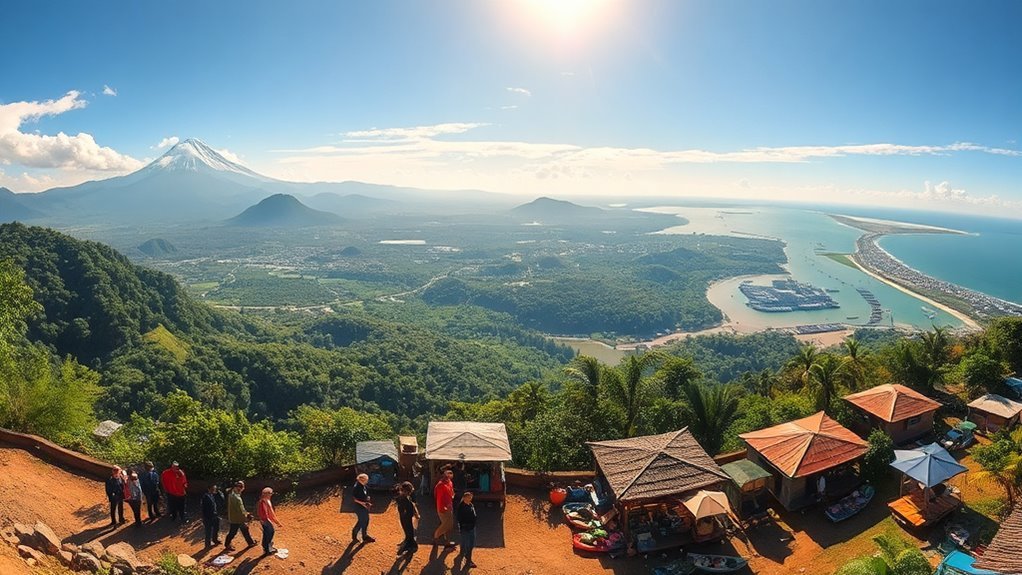
Ecuador packs an astonishing range of climates into a country roughly the size of Colorado, and understanding its four distinct zones will make planning your trip considerably easier.
Each zone operates on its own rhythm, so you’re basically choosing between four different worlds.
The Coast delivers coastal patterns defined by a wet season from December through May and a drier, cooler stretch the rest of the year.
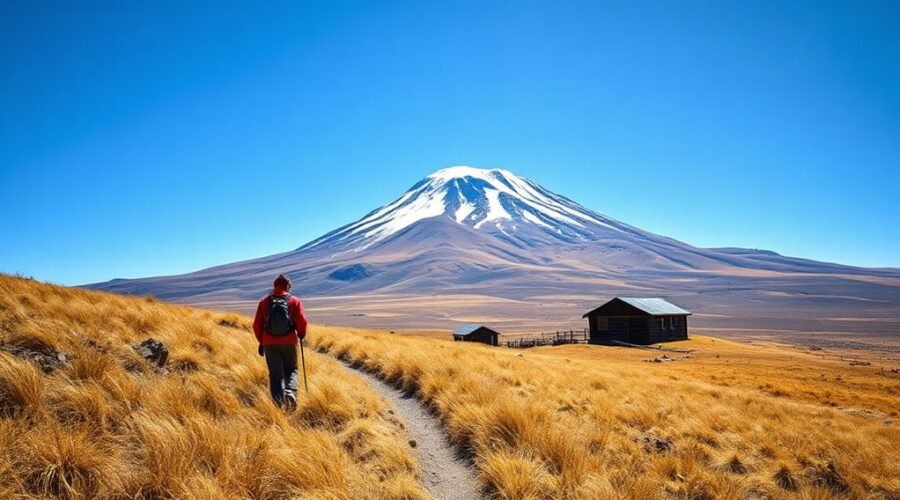
The Andes highlands offer highland weather that’s famously unpredictable — mornings can be crisp and sunny while afternoons bring sudden rain.
The Amazon Basin runs on jungle climates that stay hot and humid year-round, with seasonal variations determining how intense the rainfall gets.
Finally, the Galápagos Islands cycle between a warm, wetter season and a cooler, drier one.
Knowing which zone matches your priorities — wildlife, hiking, beaches, or adventure — significantly shapes when you should book your flight.
The Best Time to Visit Each Region of Ecuador
Each region of Ecuador has its own sweet spot, and matching your travel dates to the right zone can make or break your trip. You’ll want dry skies over the Andean Highlands, calm seas around the Galapagos Islands, and sunshine along the Coastal Beaches.
| Region | Best Time to Visit |
|---|---|
| Andean Highlands | June–September |
| Amazon Rainforest | July–August |
| Coastal Beaches & Galapagos Islands | December–April |
The Andean Highlands shine brightest between June and September, offering clear mountain views and stable trekking conditions. If you’re drawn to the Amazon Rainforest, July and August bring lower rainfall and better wildlife visibility along the river trails. Coastal Beaches peak between December and April, when warm water and calmer surf invite exploration. The Galapagos Islands welcome visitors year-round, but December through May delivers warmer seas ideal for snorkeling. Plan intentionally, and Ecuador rewards you generously.
Peak Season in Ecuador: How Crowds Shift by Month
Understanding when crowds peak in Ecuador helps you plan smarter and stretch your budget further. High season hits hardest between June and August, when North American and European summer travelers flood popular destinations like the Galápagos, Quito’s historic center, and the Andes highlands.
Expect higher prices, fully booked accommodations, and crowded trails during these months.
December through January brings another surge, driven by holiday travelers and New Year celebrations. Coastal towns like Montañita and Salinas fill quickly, so you’ll need to book well in advance.
If you crave freedom over crowds, off peak months like May, September, and October offer a dramatically different experience. Prices drop, locals outnumber tourists, and you’ll move through Ecuador’s landscapes with genuine ease.
The weather remains manageable, and hidden gems become far more accessible. Choosing off peak travel isn’t a compromise — it’s often the smarter, more rewarding choice.
Does Ecuador Get Cheaper at Certain Times of Year?
Knowing when crowds thin out connects directly to something most travelers care about just as much — money. Ecuador’s low seasons genuinely deliver budget travel opportunities that can stretch your funds further.
From May through early June and again in September through October, you’ll find seasonal discounts on hotels, tour packages, and even some domestic flights.
Shoulder seasons unlock real savings — hotels, tours, and flights all dip from May through June and again in fall.
The Galápagos Islands see the most dramatic price swings — high-season rates can run 30–40% higher than shoulder months.
On the mainland, Quito and Cuenca offer noticeably reduced accommodation rates when school groups and international tourists disappear. Local guesthouses often slash prices without advertising it, so negotiating directly rewards the bold traveler.
Street food and local markets stay affordable year-round, but transportation deals emerge frequently during quieter months.
Booking tours directly with operators rather than through agencies amplifies your savings. Timing your trip strategically means you spend less and experience more.
Which Month Is Actually Best for Your Ecuador Trip?
Pinning down the single best month depends entirely on where you’re headed and what you want to do.
Ecuador’s diversity means there’s no universal answer, but each month offers something genuinely exciting.
- June–August: Highland skies clear up, perfect for Andean trekking and Ecuador festivals like Inti Raymi.
- December–May: Galápagos seas calm down, making snorkeling and diving exceptional.
- September–November: Wildlife migrations peak in the Galápagos, with marine iguanas and sea lions thriving.
- February: Carnival celebrations explode across coastal cities, delivering raw, unfiltered cultural energy.
- July: Amazon wildlife activity intensifies, rewarding adventurous travelers who push beyond tourist trails.
Your ideal month ultimately aligns with your priorities.
Chase wildlife migrations in September, or immerse yourself in Ecuador festivals during June.
You’re not locked into one experience—Ecuador rewards travelers who define their own journey boldly and deliberately.
Frequently Asked Questions
What Vaccinations or Health Precautions Should I Take Before Visiting Ecuador?
Before visiting Ecuador, you’ll want to get your yellow fever vaccine, take malaria prevention medication, and pack altitude sickness remedies. Don’t forget to secure extensive travel insurance to protect your adventurous journey!
Do I Need a Visa to Enter Ecuador as a Tourist?
Like a door swung wide open, Ecuador’s visa requirements welcome you freely! You don’t need a visa; you’ll receive tourist permits upon arrival, granting you 90 days to explore this liberating, breathtaking destination on your own terms.
What Currency Does Ecuador Use, and Are Credit Cards Widely Accepted?
Ecuador uses the US dollar as its Ecuador currency, giving you financial freedom instantly! Credit card acceptance is widespread in cities, but you’ll want cash handy for rural markets and smaller vendors who prefer it.
Is Ecuador Safe for Solo Travelers, Including Women Traveling Alone?
Ecuador’s generally safe for solo travelers if you’re street-smart. Follow essential solo travel tips: avoid night walks alone, trust your instincts, and stay in busy areas. Women safety improves considerably when you’re aware and connected with fellow travelers.
What Language Is Spoken in Ecuador, and Is English Widely Understood?
Spanish shapes souls in Ecuador — it’s the primary tongue you’ll encounter. Local Spanish dialects vary by region. English proficiency exists in tourist hubs, but learning basic phrases liberates you, deepening authentic connections wherever your adventures take you.
Conclusion
Whether you’re chasing Andean peaks, Amazonian wildlife, or coastal waves, Ecuador’s got a rhythm that matches your travel style. Think of the country as a playlist — you’ve just got to find the right track for your trip. If you want clear skies, go June through September. If you’re watching your budget, aim for May or September. Pick your priorities, plan around them, and Ecuador won’t disappoint.