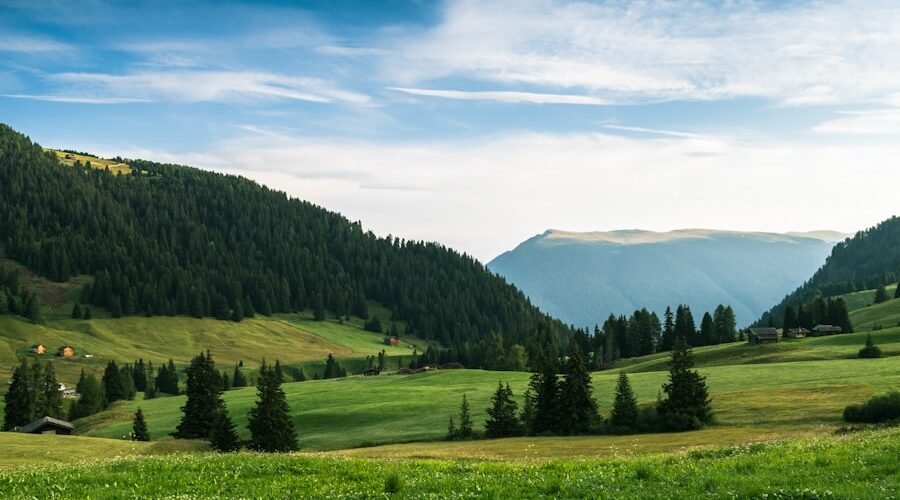
Deciding on the “best” time to visit Barrie, Ontario, really boils down to what you’re hoping to experience. Generally speaking, the sweet spot for pleasant weather and a good balance of activities is late spring (May to early June) or early autumn (mid-September to early October). These periods offer comfortable temperatures, fewer crowds than peak summer, and often more manageable costs. However, every season has its unique charm and drawbacks in Barrie, so let’s break it down to help you pick what suits you best.
Spring in Barrie is a season of awakening, gradually shedding the winter chill and embracing warmer temperatures. It’s a fantastic time if you enjoy mild weather and don’t mind a bit of unpredictability.
1.1. Weather in Spring
- April: This month can be a real mixed bag. You might see some lingering snow flurries, especially earlier in the month, but daytime temperatures generally range from 5°C to 12°C (41°F to 54°F). The ground can be quite wet and muddy as the snow melts.
- May: May is often considered one of the most pleasant months. Average temperatures climb to a comfortable 10°C to 20°C (50°F to 68°F). The trees are budding, flowers are blooming, and the air feels crisp. There can still be some rainy days, but overall, it’s quite agreeable.
- June (Early): The first couple of weeks of June continue the pleasant trend, often feeling like a gentle extension of spring before the full heat of summer kicks in. Temperatures usually sit between 15°C to 25°C (59°F to 77°F).
1.2. Crowds in Spring
- General Crowds: Spring tends to be less crowded than the summer months. School is still in session, and many people haven’t started their summer vacations yet. This means you’ll find attractions, restaurants, and parks less packed.
- Specific Events: While generally quieter, some spring-specific events or weekend activities, like local farmers’ market openings or charity runs, might draw a localized crowd. Victoria Day long weekend (third Monday in May) is an exception, as many Ontarians use it for their first cottage trip of the year.
1.3. Costs in Spring
- Accommodation: You’ll generally find more competitive rates for hotels and B&Bs in April and May compared to peak summer. By early June, prices might start to creep up slightly as summer approaches.
- Flights/Travel: If you’re flying into Toronto (YYZ) and driving to Barrie (about an hour’s drive), spring flights can be more affordable than summer rates.
- Activities: Many outdoor activities are free (parks, trails), and paid attractions might have shoulder-season pricing or fewer queues.
1.4. Why Visit in Spring?
If you prefer cooler weather for hiking or cycling, enjoy seeing gardens come to life, and want to avoid the busiest tourist season and higher prices, spring is an excellent choice. The waterfront begins to buzz with activity, but without the intense summer throngs.
If you’re planning a trip to Barrie, Ontario, it’s essential to consider not only the best time to visit but also how to make the most of your experience. For insights into how travel products and services are evaluated, you might find it helpful to read our related article on the review process at Lele Tours. This resource can provide you with valuable information on choosing the right accommodations and activities during your stay. You can check it out here: How We Review Products.
2. Summer in Barrie: Peak Season Fun
Summer is undoubtedly the most popular time to visit Barrie, and for good reason. The city truly comes alive with outdoor activities, festivals, and a vibrant atmosphere. However, this popularity comes with certain trade-offs.
2.1. Weather in Summer
- July: This is often the hottest month. Average temperatures range from 20°C to 28°C (68°F to 82°F), with occasional heatwaves pushing into the low 30s°C (90s°F). High humidity can also be a factor. Thunderstorms are common, especially in the late afternoon or evening.
- August: Similar to July, August remains warm and humid. Temperatures typically stay within the 19°C to 27°C (66°F to 81°F) range. The risk of thunderstorms persists, but overall, it’s prime lake weather.
- September (Early): The first week or two of September can still feel very much like summer, especially before the Labour Day long weekend. Temperatures start to dip slightly, usually around 15°C to 25°C (59°F to 77°F), offering a refreshing end to the season.
2.2. Crowds in Summer
- General Crowds: Brace yourself for crowds, especially on weekends and during major events. The waterfront, beaches, and popular parks will be bustling with locals and tourists alike.
- Major Holidays: Canada Day (July 1st) and the Civic Holiday (first Monday in August) are particularly busy, with many people heading to cottages or enjoying local festivities.
- Attraction Popularity: Local attractions, restaurants with patios, and businesses catering to tourists will be operating at full capacity. Expect potential wait times at popular dining spots.
2.3. Costs in Summer
- Accommodation: This is peak season for accommodation prices. Hotels, resorts, and short-term rentals will be at their highest rates. Booking well in advance is highly recommended, especially for weekends.
- Flights/Travel: Airfare into Toronto will generally be more expensive during the summer months.
- Activities: While many outdoor activities are free (swimming, parks), paid attractions often have their peak season pricing. Some activities, like boat rentals, might have fewer available slots or require advance booking.
2.4. Why Visit in Summer?
If you’re a sun worshipper, love swimming, boating, paddleboarding, or simply enjoy a lively atmosphere with plenty of outdoor festivals and events, summer is your time. Barrie’s waterfront truly shines, offering a quintessential Canadian summer experience.
3. Autumn in Barrie: A Feast for the Senses
Autumn in Barrie is truly spectacular, offering a mosaic of colours, crisp air, and a more relaxed pace. It’s a favourite season for many, balancing pleasant weather with fewer crowds and often more favourable pricing.
3.1. Weather in Autumn
- September (Mid to Late): This period is often described as perfect. Daytime temperatures hover around 10°C to 20°C (50°F to 68°F). The humidity drops, and the air becomes crisp and invigorating. The foliage begins its transformation, usually peaking later in the month.
- October: The prime month for fall colours. Temperatures continue to cool, typically ranging from 5°C to 15°C (41°F to 59°F). Mornings can be chilly, sometimes with frost, but afternoons are often sunny and pleasant. Keep an eye out for Thanksgiving long weekend.
- November: This month acts as a transition to winter. Temperatures drop significantly, usually between 0°C to 8°C (32°F to 46°F). You might experience a mix of rain, sleet, and even the first light snowfalls towards the end of the month. The vibrant colours are long gone, replaced by bare branches.
3.2. Crowds in Autumn
- General Crowds: After Labour Day in early September, the crowds diminish considerably. School is back in session, and summer vacations are over. This means popular spots are much quieter, especially on weekdays.
- Leaf Peepers: While general tourism drops, specific areas known for fall foliage (like nearby provincial parks or scenic drives) might see an increase in “leaf peeper” traffic, particularly on sunny October weekends.
- Harvest Festivals: Local harvest festivals or Halloween-themed events might draw families, but these are usually localized and don’t overwhelm the entire city.
3.3. Costs in Autumn
- Accommodation: September and October usually offer excellent value for accommodation. Prices dip from summer highs, and you can often find great deals. By November, rates are generally at their lowest point before the ski season picks up.
- Flights/Travel: Similar to accommodation, flights into Toronto during September and October can be more affordable than summer, provided you avoid major holiday weekends.
- Activities: Many outdoor activities like hiking or cycling are still free and incredibly scenic. Paid attractions often revert to off-peak pricing.
3.4. Why Visit in Autumn?
If you’re a fan of stunning fall colours, crisp air perfect for hiking or exploring, and a quieter, more relaxed atmosphere, autumn is the ideal time. It’s also generally more budget-friendly than summer. Early September offers a gentle transition from summer, while prime October showcases nature’s artistry.
4. Winter in Barrie: A Snowy Escape
Barrie transforms into a winter wonderland once the snow falls, offering a different kind of charm and a host of cold-weather activities. It’s a great choice if you embrace the cold and enjoy snow sports.
4.1. Weather in Winter
- December: The official start of winter, bringing colder temperatures and usually the first significant snowfall. Temperatures typically range from -5°C to 2°C (23°F to 36°F). The city gears up for the holiday season, and the lake may start to freeze in parts.
- January: Often the coldest month. Average temperatures range from -10°C to -2°C (14°F to 28°F), but can plummet much lower during cold snaps, sometimes feeling like -20°C (-4°F) or colder with wind chill. Abundant snowfall is common, creating picturesque landscapes.
- February: Similar to January, February remains cold and snowy. Temperatures stay within the -8°C to 0°C (18°F to 32°F) range. This is usually the best month for consistent snow depths for winter sports.
- March: A transitional month. Early March can still feel very much like winter, with cold temperatures and snow. Towards the end of the month, temperatures often start to climb above freezing, ranging from -3°C to 5°C (27°F to 41°F), leading to melting and slush.
4.2. Crowds in Winter
- General Crowds: Overall, Barrie itself is less crowded in winter, especially compared to the summer months. The downtown core and waterfront are generally quieter.
- Ski Hills: The exception to this is the nearby ski resorts (like Horseshoe Resort or Blue Mountain, though Blue is further afield), which will be bustling with skiers and snowboarders, especially on weekends and during school breaks (e.g., Christmas holidays, March Break).
- Holiday Season: The Christmas and New Year period can see a localized increase in visitors for festive events or family gatherings.
- Winter Festivals: Specific winter festivals or events, such as Barrie’s Winterfest, will draw crowds for their duration.
4.3. Costs in Winter
- Accommodation: Accommodation prices in Barrie during winter are generally lower than summer, with the exception of the holiday season (late December to early January) and possibly weekends when ski resorts are operating at full swing. If you’re staying in Barrie itself and not directly at a ski resort, you can often find good deals.
- Flights/Travel: Flights into Toronto can be more affordable during January and February, but prices will spike around the Christmas/New Year holidays.
- Activities: While outdoor activities like skating or snowshoeing can be free or low cost, downhill skiing and snowboarding at nearby resorts can be quite expensive, including lift tickets, rentals, and lessons.
4.4. Why Visit in Winter?
If you love snow sports, enjoy cozying up by a fireplace, or find beauty in a snow-covered landscape, winter in Barrie offers a charming getaway. Ice skating on the frozen Kempenfelt Bay (if conditions allow and it’s officially deemed safe) is a unique experience.
If you’re planning a trip to Barrie, Ontario, you might find it helpful to read about the best times to visit, taking into account factors like weather, crowds, and costs. For more insights on travel tips and destination guides, check out this informative article on Lele Tours, which offers valuable information to enhance your travel experience.
5. Other Considerations for Your Visit
| Month | Weather | Crowds | Costs |
|---|---|---|---|
| June | Warm and sunny | Moderate | Moderate |
| July | Hot and sunny | High | High |
| August | Hot and sunny | High | High |
| September | Mild and sunny | Moderate | Low |
Beyond just the season, a few other factors can influence your experience in Barrie.
5.1. Weekdays vs. Weekends
- Weekdays: Generally, weekdays are less crowded and quieter across all seasons. Hotels might offer better rates, and you’ll find it easier to get into popular restaurants or attractions without a reservation. If your schedule allows, a weekday visit can significantly enhance your experience, especially during peak seasons.
- Weekends: Weekends are naturally busier, particularly during summer and fall. Expect more traffic, fuller parking lots, and a lively atmosphere. If you plan to visit on a weekend, especially a long weekend, booking accommodation and popular activities well in advance is crucial.
5.2. Major Events and Festivals
Barrie hosts various events and festivals throughout the year that can dramatically impact crowd levels and accommodation availability. Checking the city’s events calendar before you book is a smart move.
- Spring: Farmers’ Market opening day, local craft shows.
- Summer: Barrie Waterfront Festival, Promenade Days, Kempenfest (one of Ontario’s largest outdoor arts and crafts shows in August), Canada Day celebrations, local music festivals. These events are fantastic but will make the city very busy.
- Autumn: Terry Fox Run, Barrie Film Festival, local harvest festivals, Halloween events. Leaf peeping tours.
- Winter: Winterfest usually in February, Santa Claus Parade in November, Christmas light displays, festive markets around the holiday season.
5.3. School Holidays and Long Weekends
These periods always bring an influx of visitors. In Ontario, key dates to be aware of include:
- Victoria Day: Third Monday in May.
- Canada Day: July 1st.
- Civic Holiday: First Monday in August.
- Labour Day: First Monday in September.
- Thanksgiving: Second Monday in October.
- Christmas/New Year Break: Roughly December 20th to January 5th.
- March Break: Usually the second or third week of March.
During these times, expect higher prices, fuller accommodations, and more crowded attractions. If you can avoid them, you’ll generally have a more relaxed and potentially more affordable trip.
Ultimately, Barrie offers something for everyone in every season. Your ideal time to visit truly depends on your personal preferences for weather, activity levels, and budget. By considering these factors, you can tailor your trip to enjoy Barrie to its fullest.
FAQs
1. What is the best time to visit Barrie, Ontario for favorable weather?
The best time to visit Barrie, Ontario for favorable weather is during the summer months of June to August. During this time, the weather is warm and pleasant, making it ideal for outdoor activities and exploring the city.
2. When is the peak tourist season in Barrie, Ontario?
The peak tourist season in Barrie, Ontario is during the summer months of June to August. During this time, the city experiences an influx of tourists, resulting in larger crowds and higher accommodation costs.
3. What is the off-peak season in Barrie, Ontario?
The off-peak season in Barrie, Ontario is during the winter months of December to February. During this time, the city experiences fewer tourists, lower accommodation costs, and the opportunity to enjoy winter activities such as skiing and snowboarding.
4. When is the best time to visit Barrie, Ontario to avoid large crowds?
To avoid large crowds, it is best to visit Barrie, Ontario during the shoulder seasons of spring (March to May) and fall (September to November). During these times, the city experiences fewer tourists, making it easier to explore attractions and enjoy a more relaxed atmosphere.
5. What is the cost of accommodation in Barrie, Ontario during the peak tourist season?
During the peak tourist season of June to August, the cost of accommodation in Barrie, Ontario tends to be higher due to the increased demand. It is advisable to book accommodations in advance to secure the best rates.