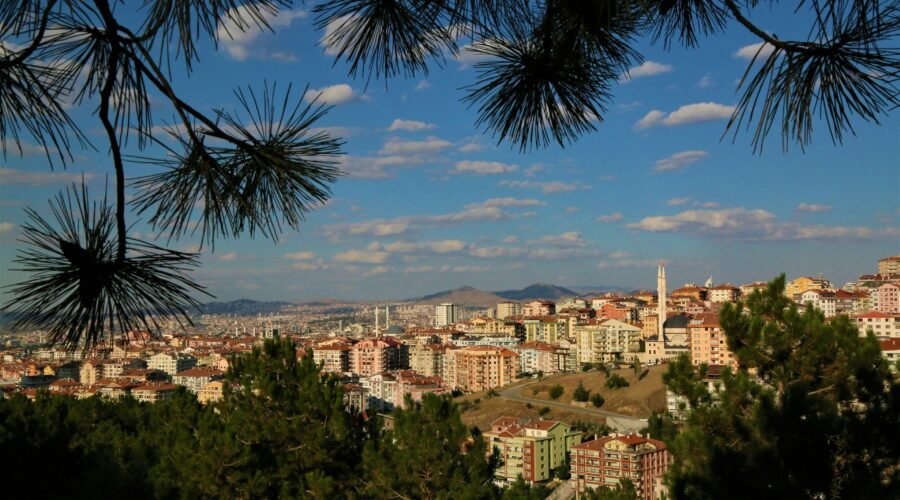
Planning a trip to Turkey’s capital? The best time to visit Ankara depends on whether you want comfortable sightseeing weather, lively cultural events, or a quieter, lower-cost city break. Ankara has four distinct seasons, and the difference between a sunny May afternoon and a freezing January morning can be dramatic.
Quick Answer
The best time to visit Ankara is May to early June or September to early October. These periods offer comfortable daytime temperatures and good conditions for walking, museums, and historical sites. July and August are hotter and drier, while December through February suits travelers who prefer indoor attractions and don’t mind freezing nights.
Last checked: October 23, 2026. Dates and figures were verified against official sources.
Key Takeaways
- May has an average daytime high of 22.4°C (72°F), although it is also Ankara’s wettest month on average.
- September is warm and relatively dry, with an average high of 26.1°C (79°F).
- July and August have average highs above 30°C (86°F), making midday sightseeing less comfortable.
- Public holidays, school breaks, and cultural festivals can create busy periods outside the usual summer travel season.
- Anıtkabir is free to visit, while several major museums charge admission.
Best Time to Visit Ankara: Monthly Weather and Travel Conditions
Ankara has a continental climate with warm to hot summers, cold winters, and noticeable changes between seasons. Spring and autumn generally offer the most comfortable conditions for exploring the city on foot.
The following figures come from the Turkish State Meteorological Service’s official Ankara climate statistics, which list a measurement period of 1927–2025. They are long-term averages, not forecasts for a particular trip.
| Month | Average High | Average Low | Average Rainfall | Travel Conditions |
|---|---|---|---|---|
| January | 4.4°C | -3.1°C | 39.8 mm | Cold; best for museums and indoor activities |
| February | 6.5°C | -2.2°C | 34.7 mm | Cold, with possible snow and ice |
| March | 11.6°C | 0.8°C | 39.2 mm | Cool early spring; layers needed |
| April | 17.4°C | 5.5°C | 42.3 mm | Good for walking and spring events |
| May | 22.4°C | 9.7°C | 52.1 mm | Excellent for sightseeing; occasional rain |
| June | 26.7°C | 13.0°C | 36.8 mm | Warm days; early June particularly pleasant |
| July | 30.4°C | 15.9°C | 14.5 mm | Hot, dry, and sunny |
| August | 30.6°C | 16.1°C | 12.5 mm | Hottest average daytime conditions; very dry |
| September | 26.1°C | 11.9°C | 17.9 mm | Excellent for outdoor exploration |
| October | 20.0°C | 7.2°C | 26.9 mm | Comfortable autumn walks; Republic Day |
| November | 13.1°C | 2.6°C | 31.4 mm | Cool; good for museums and film events |
| December | 6.6°C | -0.6°C | 44.1 mm | Cold; indoor sightseeing recommended |
May and September stand out for different reasons. May offers gentler daytime temperatures and spring greenery. September is warmer but much drier, with an average of just four days of measurable precipitation.
October is also appealing, especially during its first half. However, temperatures become noticeably cooler as November approaches.
Spring in Ankara (March–May): Pleasant Weather and Cultural Events
Spring is one of Ankara’s most enjoyable seasons for sightseeing. Parks become greener, outdoor cafés become more inviting, and temperatures steadily improve after winter.
March: Early Spring With Chilly Nights
March is a transitional month. The average daytime high is 11.6°C (53°F), but nighttime temperatures remain close to freezing.
You’ll want a warm jacket for the Ankara Citadel area, Hamamönü’s traditional streets, and outdoor stops near Anıtkabir. March works well if you don’t mind combining short walks with indoor attractions.
For 2027, Eid al-Fitr falls on March 9–11, during the March 8–12 school break. This may increase domestic travel around those dates.
April: Comfortable Walking Weather and Music
April offers increasingly comfortable weather, with an average high of 17.4°C (63°F). It is a good month for walking around Ankara Castle, exploring the historic Ulus area, and visiting city parks.
The International Ankara Music Festival is a major spring cultural attraction. Its 40th edition ran from April 4–30, 2026, with orchestral performances, international musicians, and other cultural events.
Festival dates vary between editions, so April travelers should distinguish a confirmed program from the event’s usual seasonal timing.
May: One of the Best Months for Sightseeing
May is particularly attractive for exploring Ankara outdoors. Its average high of 22.4°C (72°F) is comfortable for most walking tours, while average lows of 9.7°C (49°F) keep evenings cool.
You’ll find Gençlik Park, the old-town streets, and Ankara’s outdoor café areas especially enjoyable during pleasant weather.
However, May averages 52.1 mm of precipitation, more than any other month in the official climate table. A waterproof jacket is a useful addition to your packing list.
May 2027 also includes Eid al-Adha from May 16–19. The final day coincides with the national Commemoration of Atatürk, Youth and Sports Day, so holiday travel may affect availability.
Summer in Ankara (June–August): Hot, Sunny, and Dry
Summer is a good choice if you enjoy long sunny days and can handle heat. June is generally easier for sightseeing, while July and August require more careful planning around the hottest hours.
June: Warm Days Before the Strongest Heat
June has an average high of 26.7°C (80°F) and a low of 13°C (55°F). Early June is still within the recommended sightseeing window, especially for travelers who enjoy warmer weather.
Morning visits to Anıtkabir and walks around Ankara Castle can be pleasant. Outdoor dining is also appealing after sunset when temperatures drop.
Turkey’s 2026–2027 school year ends on June 25, 2027. Family holiday travel becomes more likely after the summer break begins.
July and August: The Hottest Months
July and August average daytime highs of 30.4°C (87°F) and 30.6°C (87°F), respectively. Heatwaves can push temperatures significantly higher.
Ankara’s air is generally drier than in many coastal Turkish destinations, but direct sunshine can still make long walks exhausting.
A practical summer sightseeing schedule is:
- Morning: Explore Anıtkabir, Ankara Citadel, or historic neighborhoods before the strongest afternoon heat.
- Midday: Visit the Museum of Anatolian Civilizations, Republic Museum, or other indoor exhibitions.
- Late afternoon: Return to outdoor sightseeing when temperatures begin to fall.
- Evening: Enjoy local restaurants, cafés, and city parks.
August 30 is Victory Day (Zafer Bayramı), a major national holiday. It is a meaningful date to experience commemorations in the capital, although popular memorial sites may attract large crowds.
Autumn in Ankara (September–November): Comfortable Days and National Celebrations
Autumn is another excellent season for visiting Ankara. September remains warm, October brings cooler walking conditions, and November becomes more suitable for museums and cultural events.
September: Warm Weather With Less Rain
September is one of the best months for outdoor sightseeing. Its average high of 26.1°C (79°F) makes daytime exploration comfortable for many travelers.
Rainfall is relatively low at 17.9 mm on average, while cooler evenings make strolling through Hamamönü or visiting outdoor cafés particularly pleasant.
September is a good choice for travelers who prefer drier weather than May but want to avoid the strongest summer heat.
October: Mild Weather and Republic Day
October has an average daytime high of 20°C (68°F), making it an attractive month for walking tours and historic attractions.
Republic Day (Cumhuriyet Bayramı), celebrated annually on October 29, is especially important in Ankara. Visitors can experience the atmosphere of a national celebration, although ceremonies and security arrangements may affect access to some sites.
For October 29, 2026, Anıtkabir’s official announcement states that public visits will continue after the official ceremony until 22:00.
October 13 also marks the anniversary of Ankara becoming Turkey’s capital. It is another date of historical importance to the city.
November: Film, Jazz, and Cooler Weather
November is considerably cooler, with average daytime highs around 13.1°C (56°F). Outdoor sightseeing remains possible, but you’ll appreciate warmer clothing.
The 37th Ankara Film Festival is scheduled for November 12–20, 2026. Its program offers film screenings and events for cinema enthusiasts.
November also features the International Ankara Jazz Festival. The European Festivals Association lists its 30th edition in November 2026.
November 10, the anniversary of Atatürk’s death, is a significant national day of remembrance. Anıtkabir is an especially important place for commemorations.
Winter in Ankara (December–February): Cold Weather and Indoor Attractions
Winter is Ankara’s coldest season. Freezing nights, occasional snow, and icy sidewalks make extended outdoor sightseeing more challenging, but museums and cafés remain worthwhile.
December and January: Cold Conditions and Possible Snow
December has an average daytime high of 6.6°C (44°F), falling to 4.4°C (40°F) in January. Average nighttime temperatures drop below freezing in both months.
Snow can make Ankara’s buildings, parks, and memorial sites look beautiful. However, snowfall is not guaranteed on specific travel dates, and slippery sidewalks can disrupt walking plans.
January 1 is a national holiday. Some businesses and services may operate differently that day.
February: A Quiet Time for Museums
February remains cold, with an average high of 6.5°C (44°F) and a low of -2.2°C (28°F). It is better suited to indoor sightseeing than long outdoor excursions.
Good winter attractions include:
- Museum of Anatolian Civilizations: An important collection covering ancient Anatolian history.
- Republic Museum: Exhibits linked to Turkey’s modern political history.
- Ethnography Museum: Collections relating to Turkish culture, traditional objects, and customs.
- Cozy cafés: Comfortable places to relax between museum visits.
The Museum of Anatolian Civilizations currently lists opening hours of 08:30–17:30, with the ticket office closing at 16:45.
Note: The Museum of Anatolian Civilizations lists its Ankara Hall and Classical Hall as closed for maintenance from September 14, 2026, through March 2, 2027. The museum itself remains open, but visitors during this period will not have access to those halls.
Winter visitors should also consider Anıtkabir’s shorter visiting hours. From November 1 through January 31, regular visits end at 16:00.
When Is Ankara Most Crowded?
Ankara’s busiest periods depend on more than the weather. As Turkey’s capital, it attracts government visitors, business travelers, students, and domestic tourists throughout the year.
Unlike a coastal resort, Ankara does not have a simple summer-only tourism pattern. Major holidays and national ceremonies can create substantial crowds even during otherwise quieter months.
Summer Holidays and Popular Attractions
July and August are part of Turkey’s main family holiday period. Domestic travel can increase, although the city’s business-oriented accommodation market does not necessarily follow coastal resort pricing patterns.
Anıtkabir and the Museum of Anatolian Civilizations are prominent sightseeing destinations throughout the year.
Important Holidays and School Breaks
These confirmed dates are especially useful when planning a trip in late 2026 or 2027.
| Date | Event or Holiday | Travel Consideration |
|---|---|---|
| October 28–29, 2026 | Republic Day holiday period | Ceremonies and higher demand near national memorials |
| November 16–20, 2026 | School midterm break | Family travel may increase |
| January 25–February 5, 2027 | School semester break | Domestic holiday demand may rise |
| March 9–11, 2027 | Eid al-Fitr | Holiday travel and possible schedule changes |
| April 23, 2027 | National Sovereignty and Children’s Day | National celebrations and public holiday |
| May 16–19, 2027 | Eid al-Adha | Extended religious holiday; May 19 also a national holiday |
| October 29, 2027 | Republic Day | Celebrations and commemorative events |
The Turkish Ministry of National Education confirms the 2026–2027 school breaks. Religious holiday dates come from the Presidency of Religious Affairs calendar. National holiday arrangements are also published in Borsa Istanbul’s official holiday calendar.
If you prefer fewer people, ordinary weekdays outside major holidays and school breaks are a sensible choice. For national celebrations, expect a more energetic atmosphere instead of solitude.
How Much Does It Cost to Visit Ankara?
Ankara can suit different travel budgets. Your biggest variable expenses will usually be flights, accommodation, transport, and food, while sightseeing costs depend on which attractions you choose.
There is no reliable fixed monthly average for Ankara hotel and flight prices in the sources reviewed. Rates depend on the particular dates, neighborhood, booking conditions, and demand.
Are Spring and Autumn Good for Value?
May, early June, September, and early October offer strong value in terms of comfortable sightseeing hours. Even if you pay more for a convenient hotel, you may spend more of your day enjoying outdoor attractions.
However, these months are not guaranteed to be the cheapest. A convention, public holiday, or major event can raise demand for accommodation.
Is Winter the Cheapest Time to Visit Ankara?
Winter can be a good time to search for lower accommodation rates, particularly outside holiday periods. Some hotels may offer competitive deals when leisure travel is quieter.
But Ankara’s business travel market operates year-round, so lower winter prices are not guaranteed. Compare the full cost of your actual travel dates rather than assuming one season is always cheaper.
Verified Museum Admission Prices
The Turkish Ministry of Culture and Tourism publishes the following admission prices for foreign visitors. These are listed fees checked in October 2026, not estimated daily travel costs.
| Attraction | Listed Foreign Visitor Admission |
|---|---|
| Anıtkabir | Free |
| Museum of Anatolian Civilizations | €12 |
| Republic Museum | €6 |
| Ethnography Museum | €4 |
| Roman Baths Archaeological Site | €3 |
The museum prices are listed on the ministry’s official museum and archaeological site fees page. Turkish citizens may have different admission arrangements, including eligible MüzeKart access.
There is also a useful exception for budget travelers. The Republic Museum offers free entry on several national holidays, including April 23, May 19, August 30, and October 29, according to the Ministry of Culture and Tourism’s holiday admission guidance.
Best Activities in Ankara for Different Times of Year
Choosing travel dates around your interests can improve your experience. Ankara’s historical sites and museums operate across multiple seasons, but some are much easier to enjoy during mild weather.
Outdoor Sightseeing and City Parks
April through early June and September through October are excellent periods for walking. Good outdoor destinations include Ankara Citadel, Hamamönü, Gençlik Park, and the grounds of Anıtkabir.
These places combine history, city views, and opportunities to experience Ankara beyond its main shopping and business districts.
Museums and Historical Collections
Museums are worthwhile throughout the year. They are particularly useful in winter and during hot summer afternoons.
The Museum of Anatolian Civilizations is especially valuable for understanding the region’s ancient past. The Republic Museum focuses on a different period, helping visitors understand modern Turkey.
Anıtkabir Visiting Hours by Season
Anıtkabir is one of Ankara’s essential attractions. Regular opening hours change during the year, so your preferred visiting time should account for seasonal closing times.
| Period | Regular Visiting Hours |
|---|---|
| February 1–May 14 | 09:00–16:30 |
| May 15–October 31 | 09:00–17:00 |
| November 1–January 31 | 09:00–16:00 |
These are the regular hours published by the official Anıtkabir administration. National ceremonies may have separate arrangements.
What Should You Pack for Ankara in Each Season?
Ankara’s weather can change considerably between daytime and evening. Packing layers is useful in almost every season, but the items you need will depend on your travel month.
Spring (March–May)
- Light sweaters, long-sleeved shirts, and comfortable everyday clothing.
- A waterproof jacket for spring showers.
- Comfortable walking shoes for historic streets and sloped areas.
- A scarf or warmer layer for cool evenings.
Summer (June–August)
- Light, breathable clothing, such as cotton or linen.
- A wide-brimmed hat and sunglasses.
- High-SPF sunscreen and a refillable water bottle.
- Comfortable footwear for extended city walks.
- A light cardigan or shawl for cooler evenings.
Autumn (September–November)
- Light clothing for warmer September afternoons.
- Sweaters and a medium-weight jacket as temperatures drop.
- Closed-toe walking shoes.
- A scarf and, by late autumn, gloves for colder mornings.
Winter (December–February)
- Thermal base layers, sweaters, and fleece clothing.
- A heavy winter coat.
- A warm hat, gloves, and scarf.
- Water-resistant boots with good grip for icy sidewalks.
- Thick socks and weather-resistant outerwear.
Frequently Asked Questions
What is the best time to visit Ankara for good weather?
The best time to visit Ankara for comfortable weather is May to early June or September to early October. May has an average high of 22.4°C, while September averages 26.1°C. Both periods are suitable for outdoor sightseeing, although spring generally receives more rainfall.
When is Ankara most crowded with tourists?
Ankara can become busier during summer holidays, national celebrations, religious holidays, and major cultural events. Anıtkabir may attract especially large crowds on important commemorative dates. However, Ankara is also a business and government center, so visitor demand does not follow a simple seasonal pattern.
When is the off-peak season in Ankara?
Winter, particularly December through February outside school holidays and major events, can be quieter for leisure sightseeing. Cold weather makes outdoor attractions less appealing, but museums remain useful options. Hotel demand can still vary because Ankara receives business travelers throughout the year.
How much does it cost to visit Ankara?
The cost of visiting Ankara depends on your accommodation, transport, dining, and sightseeing choices. Anıtkabir is free to enter, while the Museum of Anatolian Civilizations currently lists €12 admission for foreign visitors. There is no single verified average trip cost that applies to every season or travel style.
What are the main festivals and events in Ankara?
Ankara hosts major cultural and national events throughout the year. The 2026 International Ankara Music Festival ran from April 4–30, while the Ankara Film Festival is scheduled for November 12–20. The International Ankara Jazz Festival takes place in November 2026. Republic Day on October 29 and Victory Day on August 30 are also significant annual occasions.
Does it snow in Ankara during winter?
Yes, Ankara can receive snow during winter. December, January, and February have cold conditions, with average nighttime temperatures below freezing. Snowfall varies from year to year, so a snowy cityscape is possible but not guaranteed during a particular visit. Waterproof boots with good grip are useful when conditions become icy.
Final Recommendation: Which Month Should You Choose?
For most travelers, May or September is the strongest choice. May offers comfortable temperatures and spring greenery, while September provides warmer, drier conditions.
Early June and early October are also excellent alternatives. Choose April for spring walks and music events, summer for sunny days, autumn for national celebrations, or winter for a quieter museum-focused trip.
Once you’ve chosen your preferred season, plan around the dates of public holidays and major cultural events. That will help you make the most of Ankara’s history, museums, neighborhoods, and seasonal atmosphere.
Sources
- Turkish State Meteorological Service: Ankara monthly average temperatures, rainfall, and long-term climate statistics.
- International Ankara Music Festival: Official dates and information for the 2026 festival.
- Ankara Film Festival: Organizer’s published November 2026 festival dates.
- European Festivals Association: 2026 International Ankara Jazz Festival information.
- Anıtkabir Official Administration: Regular seasonal visiting hours.
- Anıtkabir Republic Day Announcement: Special visiting arrangements for October 29, 2026.
- Turkish Museums Directorate: Museum of Anatolian Civilizations opening hours and temporary hall closures.
- Ministry of Culture and Tourism: Official museum and archaeological site admission prices.
- Ministry of Culture and Tourism Holiday Admission Guidance: Republic Museum free-entry arrangements during national holidays.
- Turkish Ministry of National Education: Official 2026–2027 school calendar and breaks.
- Presidency of Religious Affairs: Religious holiday dates for 2027.
- Borsa Istanbul: Official national and religious holiday calendar.