

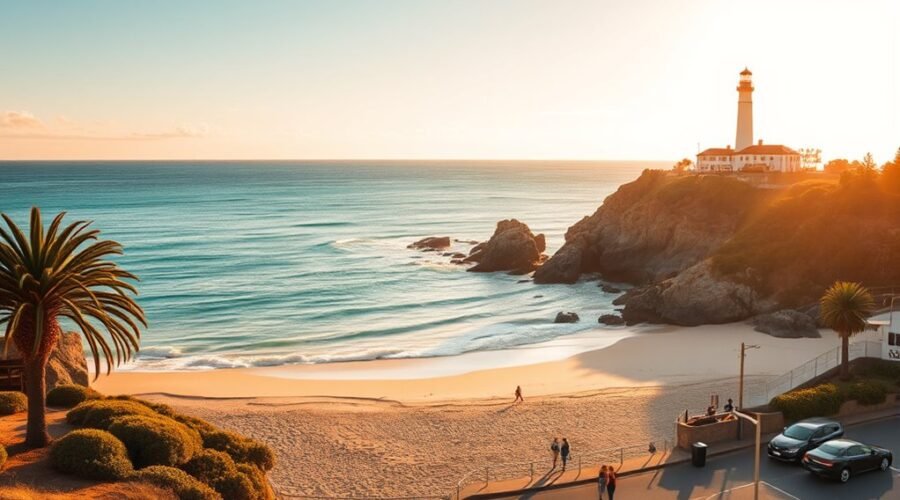
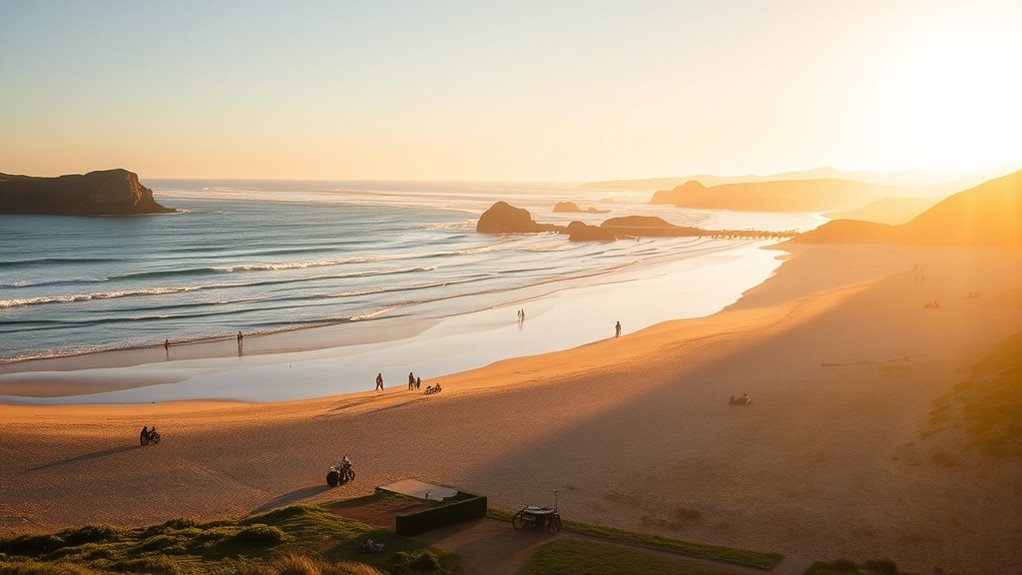
The best time to visit Yamba for coastal walks is often September or October, when the local climate record shows relatively low rainfall and mild daytime temperatures. Summer suits travellers who want warmer beach days, while June to October is the main whale-watching season identified by Clarence Valley tourism. Choose your dates by activity, then check surf conditions, park alerts and actual accommodation prices.
Quick Answer
Try September to October for a walking-focused trip, December to February for warmer weather, or June to October for whale watching. March is warm but is also the wettest month on average. No season guarantees calm water, empty beaches or a fixed accommodation saving.
Key Takeaways
- September has the lowest average rainfall in the Yamba Pilot Station climate record.
- Summer mean daytime highs are around 26–27°C, although individual days can be hotter.
- Autumn is not uniformly dry: March has the highest monthly rainfall average.
- Winter and spring can suit whale watching and coastal walks, subject to weather.
- Check patrols, park access and booking totals for your exact dates.
Which months suit your priorities?
| Your main plan | Starting window | Important limitation |
|---|---|---|
| Walks and headland views | September to October | Rain and strong winds remain possible |
| Warmer beach days | December to February | Check patrols, surf and holiday availability |
| Whale watching | June to October | Sightings and cruises depend on conditions |
| Spring wildflowers | September to November | Flowering varies with weather |
| Lower trip cost | Flexible dates outside busy holidays and events | Compare current quotes |
These are planning choices, not measured monthly crowd rankings. If you have fixed dates, adjust the activities to the forecast rather than expecting the season to deliver a specific experience.
What is Yamba’s weather like each month?
The following rounded figures come from Bureau of Meteorology statistics for Yamba Pilot Station. Highs and lows are mean daily maximum and minimum temperatures. Rainfall is a monthly average; it is not a forecast. Record lengths differ by measurement.
| Month | Average high / low | Average rainfall |
|---|---|---|
| January | 27 / 20°C | 138 mm |
| February | 27 / 20°C | 161 mm |
| March | 26 / 19°C | 191 mm |
| April | 24 / 17°C | 160 mm |
| May | 22 / 13°C | 156 mm |
| June | 20 / 11°C | 134 mm |
| July | 19 / 10°C | 100 mm |
| August | 20 / 11°C | 78 mm |
| September | 22 / 13°C | 59 mm |
| October | 24 / 16°C | 80 mm |
| November | 25 / 18°C | 92 mm |
| December | 26 / 19°C | 117 mm |
Is summer the best season for Yamba beaches?
December to February gives you warmer air temperatures for beach time. It can also bring rain and humid conditions. Do not assume long sunshine hours mean every day is clear or that warm weather produces safe swimming.
Clarence Valley Council’s beach guide lists seasonal patrols at Main, Turners and parts of Pippi Beach. Patrol coverage differs by location and date. Confirm the day’s flags and ask lifeguards about conditions.
Warning: Swim between the red and yellow flags when patrols are operating. Follow beach closures and safety signs. Avoid entering floodwater or polluted water after heavy rain, and do not assume rock pools or sheltered bays are always safe.
What should you expect in autumn?
March to May gradually cools, with daytime highs averaging from about 26°C down to 22°C. March is also the wettest month in the station record, so the whole season should not be described as a dry shoulder period. Pack rain gear and keep an indoor option.
NSW National Parks highlights autumn beach fishing in Yuraygir. That is an activity suggestion, not a catch guarantee. Check current fishing rules, licences, marine conditions and any area restrictions before fishing.
Is winter worth visiting?
June to August can suit headland walks and whale watching if conditions are suitable. Average daytime highs sit around 19–20°C, with nights around 10–11°C. Bring a warm layer and a windproof or waterproof jacket.
The Clarence Valley whale-watching guide identifies June to October as the main local season and suggests Pilot Hill in Yamba for shore viewing. Keep back from cliff edges. Confirm cruise schedules directly and allow for cancellations in rough seas.
Why consider spring?
September to November brings rising average temperatures. September has the lowest average rainfall, while October and November become progressively wetter in the station data. Rain remains possible in every month.
Yuraygir National Park’s visitor advice highlights spring heathland wildflowers. Check current track alerts and choose a walk suited to your fitness and the day’s conditions.
When are surfing and boating conditions best?
Use a current marine forecast rather than a month alone. Swell direction, wave size, wind, tides and your experience determine whether a session is suitable. Visit NSW describes Angourie Point as a well-known surf break used by experienced riders. It should not be presented as suitable for every skill level.
Book a beginner lesson with a provider who chooses an appropriate location for conditions. For kayaking or boating, check the route, river conditions and operator advice. A quieter tourist period does not guarantee calm estuary water or a safe river-mouth crossing.
When is Yamba cheapest?
No reliable city-wide monthly price series or fixed 20–30% discount has been established here. Room prices vary by property, school holidays, events and cancellation terms. Public transport, dining and parking prices do not automatically fall in autumn or winter.
- Compare weekday and weekend stays with the same occupancy and room type.
- Include cleaning, parking, booking fees and transport in the total.
- Check current event dates before paying.
- Confirm property facilities, pet rules and accessibility directly.
- Read refund deadlines and weather-related exclusions.
For a regional trip, compare the Ballina seasonal guide and Lismore travel seasons. Plan each leg with its own weather and transport checks.
What should you check before leaving?
- Match the season to your main activity.
- Check the forecast, beach patrols and national park alerts.
- Confirm ferry, bus, tour and transfer schedules, including the return journey.
- Pack sun protection, rain gear, suitable shoes and a warm evening layer.
- Download maps and keep booking details available offline.
Frequently Asked Questions
Is Yamba pet-friendly for beaches and accommodation?
Rules vary by beach and property. Clarence Valley Council identifies an off-leash area at the southern end of Pippi Beach. Check current signs, boundaries and accommodation rules before bringing a dog. Pets are generally not allowed in NSW national parks.
Are there accessible beaches and facilities in Yamba?
Council lists disabled access, amenities and parking at Yamba Main Beach. This does not mean every beach or path is accessible. Check gradients, sand access, toilets and any beach wheelchair arrangements with the visitor centre before travelling.
What seafood should visitors try in Yamba?
Visit NSW highlights Yamba’s fishing fleet and dining scene. Check current menus for seafood, ask about local sourcing and confirm dietary needs. Availability and prices vary.
How reliable is phone coverage in Yamba?
Check your provider’s current coverage map for your accommodation and walking route. Download maps and booking details before travelling, and do not rely on mobile reception throughout national parks.
Can I combine Yamba with national park hikes?
Yes. Yuraygir National Park offers coastal walks near the area. Check the exact walk’s grade, alerts, transport and any tide or river-crossing requirements. Arrange your return journey before setting out rather than assuming a trail shuttle operates.
Conclusion
September and October are useful starting points for a Yamba walking trip. Summer brings warmer days, and winter to spring can suit whale watching. Choose your dates using the activity, forecast and actual booking total, then keep plans flexible for changing coastal conditions.


[…] a coastal extension, compare the best time to visit Ballina and the Yamba seasonal guide. Check each destination’s current conditions […]
[…] a longer regional trip, compare our Lismore seasonal guide and best time to visit Yamba. Inland and coastal conditions can […]