

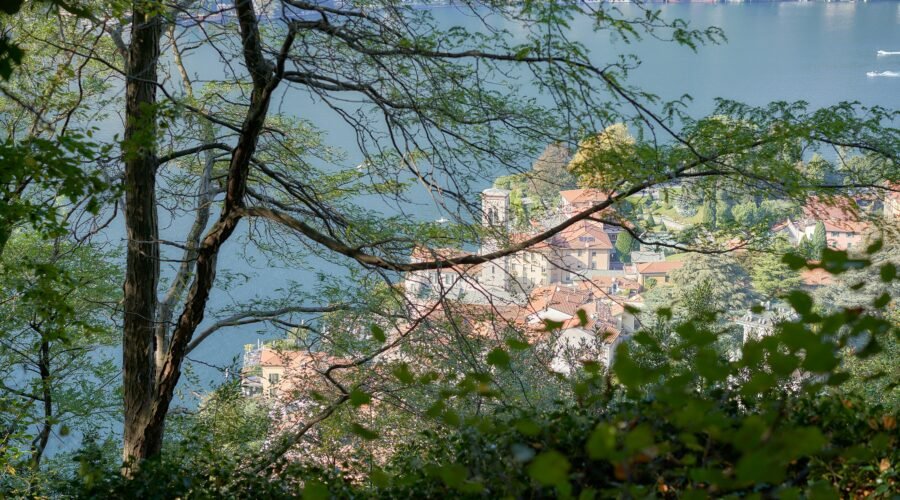
Thinking about a trip to Lombardy? For most travelers, the best time to visit Lombardy is in spring or early autumn, when sightseeing weather is usually comfortable and leisure destinations are less intense than at the height of summer. Your ideal dates still depend on whether you want Milan sightseeing, lake swimming, alpine hiking, skiing, major events, or lower accommodation demand. Knowing the best time to visit Lombardy Italy helps you plan around weather, crowds, and budget.
Quick Answer
For most travelers, the best time to visit Lombardy is late April through May or September through early October. These shoulder periods usually combine comfortable sightseeing weather with lighter leisure crowds than midsummer. Choose July and August for the warmest lake conditions, winter for skiing, and quieter winter dates for city trips if cold weather does not bother you.
Also compare: Umbria, Italy · Basilicata, Italy.
Key Takeaways
- Best overall balance: Late April-May and September-early October.
- Best for lake swimming: Summer, especially July and August, although June and warm early-September periods can also work.
- Best for hiking: Late spring through early autumn at lower elevations; high alpine trails may remain snowy much later.
- Best for skiing: Winter, with conditions and operating dates varying by elevation and resort.
- Best for lower city crowds: Much of winter outside Christmas, New Year, fashion events, and other major Milan dates.
Lombardy Weather and Seasons at a Glance
Lombardy is a large and geographically varied region. Conditions in Milan and the Po Valley can be very different from those around Lake Como, Lake Garda, Lake Maggiore, or high in the Alps. The lowlands experience hot summers and cool winters, while altitude strongly affects temperatures and snow conditions in northern mountain areas.
The lakes can moderate temperatures locally, but they do not create one uniform climate across the region. Lake Garda also extends into Veneto and Trentino-Alto Adige, while Lake Maggiore is shared by Lombardy, Piedmont, and Switzerland, so conditions and transport arrangements can differ depending on which shore you visit.
For a useful lowland reference, ARPA Lombardia’s Milano Brera climate series reports historical mean daily maximum temperatures of about 17.4°C (63°F) in April, 22.3°C (72°F) in May, 29.2°C (85°F) in July, 23.5°C (74°F) in September, and 17°C (63°F) in October. Actual weather varies from year to year, and heat waves can push summer temperatures considerably higher.
General Seasonal Pattern
- Spring (March-May): March can still feel cool and unsettled, while April and May usually become much more comfortable for city sightseeing, lakeside walks, gardens, cycling, and lower-elevation hiking.
- Summer (June-August): Warm to hot in the lowlands, with humid spells and thunderstorms possible. It is prime season for lake recreation and high-mountain escapes.
- Autumn (September-November): September often retains summer warmth, while October becomes cooler. Autumn is attractive for hiking, vineyards, food events, and foliage, although rain and shorter days become more important later in the season.
- Winter (December-February): Cold in the lowlands and snowy at higher elevations. It suits skiing and indoor city breaks better than a classic lakeside holiday.
Note: Never use Milan’s temperature alone to judge a mountain itinerary. A mild day in the city can coincide with snow, ice, freezing temperatures, or closed trails at higher elevations.
If you’re comparing Lombardy with destinations that have a very different climate, you can also read our guide to the best time to visit Şarköy, Tekirdağ. Şarköy is in Turkey, so its seasonal pattern should be treated as a separate trip rather than an extension of an Italian itinerary.
Spring: A Strong All-Round Choice (April-May)
If you want a generally enjoyable experience without too many compromises, April and May are among Lombardy’s strongest all-round travel months. The main exception is when your dates overlap major holidays or large events in Milan.
Weather in Spring
At low elevations, April is usually mild and May is noticeably warmer. Using Milan as a reference, historical mean daily highs are about 17°C (63°F) in April and 22°C (72°F) in May. Cool evenings and rainy periods are still possible, so a light waterproof layer is useful.
Around the lakes, gardens and parks become especially attractive in spring. Higher in the mountains, however, late snow can remain on trails well after city temperatures become comfortable. Check local trail, lift, and refuge conditions before planning alpine hikes.
Crowds in Spring
Leisure crowds are generally easier to manage than during peak summer, although Easter and long holiday weekends can produce sudden increases. Lake Como, the Lombard shore of Lake Garda, and other popular lake areas become progressively busier as May approaches.
Milan follows a different pattern because business fairs, fashion, football, concerts, and design events can create very high demand even outside conventional holiday periods.
Costs in Spring
Spring pricing is often more moderate than peak summer pricing at lake resorts, but it should not be treated as a guaranteed bargain period. Milan hotel rates can rise sharply during large trade fairs and design events, while Easter and holiday weekends can increase demand elsewhere.
Flights, hotels, and rental cars use dynamic pricing, so comparing several dates is more reliable than assuming an entire month will be cheap.
What to Do in Spring
- Lake exploration: Take boat trips, stroll through lakeside towns, and visit villas and gardens as spring vegetation returns.
- City sightseeing: Milan, Bergamo, Pavia, Brescia, Mantua, Cremona, and other cities are comfortable to explore on foot before peak summer heat.
- Lower-elevation hiking: Foothills, parks, and lower lakeside trails can be excellent, while alpine conditions need separate checking.
- Cycling: Mild temperatures can make spring attractive for bike routes before the hottest part of the year.
- Food and wine: Look for local markets, seasonal dishes, winery visits, and regional festivals.
Pro Tip: If Milan is part of your spring itinerary, check its event calendar before booking accommodation. A date that looks like ordinary shoulder season can become one of the most expensive weeks of the year during a major design or trade event.
Early Autumn: Another Excellent Window (September-October)

Much like spring, early autumn offers an appealing mix of comfortable weather and a slower leisure-travel pace after the busiest summer weeks. September is better if you still want warm conditions, while October is better if you prefer cooler walking weather and autumn scenery.
Weather in Early Autumn
September can still feel summery in the lowlands. Historical Milano Brera data shows a mean daily maximum of about 23.5°C (74°F) in September. By October, the historical mean maximum is around 17°C (63°F), with noticeably cooler evenings.
Rain is possible in either month, and daylight shortens quickly as autumn progresses. Mountain temperatures fall faster than those in Milan or lakeside towns, so pack for the highest elevation on your itinerary rather than the warmest.
Crowds in Early Autumn
Lake and holiday crowds generally ease after the main summer period, particularly once European school holidays end. That can make September and October pleasant for towns, villas, restaurants, and walking routes.
Milan remains an exception. Major fashion and business events can fill hotels even when leisure tourism elsewhere is declining.
Costs in Early Autumn
Rates at many leisure destinations may soften after peak summer, but the change is not uniform. September can remain expensive around popular lakes, and Milan accommodation can spike around Fashion Week and other major events.
October may offer better value in some leisure destinations, especially on weekdays, but shorter opening hours and reduced seasonal services become more likely as the month progresses.
What to Do in Early Autumn
- Wine country: Explore Franciacorta or Oltrepò Pavese during the broader harvest season. Tasting and harvest-related activities depend on each producer’s schedule.
- Autumn scenery: Northern valleys and wooded areas become increasingly colorful as temperatures cool.
- Outdoor activities: Hiking and cycling can be excellent in suitable weather, particularly at lower and middle elevations.
- Seasonal food: Look for chestnuts, mushrooms, polenta dishes, game, cheeses, and local autumn festivals.
- City exploration: Cooler days suit long walking itineraries in Milan, Bergamo, Brescia, Mantua, and other historic centers.
Summer: Best for Lakes, Heat and High-Mountain Trips (June-August)

Summer is popular because it gives you long days, active lake resorts, swimming, boating, outdoor dining, and better access to many high-mountain areas. The tradeoff is heat in the lowlands and heavier leisure demand in famous resort towns.
Weather in Summer
Milan and the Po Valley can become hot and humid. Historical Milano Brera data puts the mean daily maximum around 29°C (85°F) in July and 28°C (83°F) in August, but heat waves can push temperatures much higher.
Thunderstorms can develop during warm periods, particularly near mountains and lakes. The Alps and higher valleys are usually cooler than Milan, making places such as Valtellina attractive for people who want outdoor activity without spending every day in the lowland heat.
Warning: Mountain weather can change rapidly even in summer. Check the local forecast before hiking, start exposed routes early when thunderstorms are possible, and do not assume a hot forecast for Milan means stable alpine conditions.
Crowds in Summer
This is the busiest leisure season in many famous lake and mountain destinations. Lake Como, the Lombard shore of Garda, and other resort areas can have heavy visitor traffic, especially on weekends and during European holiday periods.
Milan follows a less predictable pattern. Some business activity slows around Ferragosto in mid-August, but attractions remain popular and major events can change demand quickly.
Costs in Summer
Popular lake resorts often command some of their highest leisure-travel rates during summer. Desirable hotels, lake-view rooms, rental cars, and weekend stays can sell out early.
However, it is more accurate to compare your exact destination and dates than to label all of Lombardy uniformly expensive. A summer weekend on Lake Como and an August business-hotel stay in Milan may follow very different pricing patterns.
What to Do in Summer
- Lake activities: Swimming, boating, sailing, canoeing, and lakeside relaxation are among Lombardy’s classic summer experiences. Official regional tourism information highlights swimming and other watersports across the summer season.
- Mountain escapes: Explore Valtellina, the Lombard Alps, the Prealps, and suitable high-elevation trails for cooler temperatures and mountain scenery.
- Outdoor events: Look for open-air concerts, festivals, evening events, and seasonal cultural programs.
- Long-day sightseeing: Use the extended daylight for day trips, but schedule city walks for morning or evening during hot spells.
- Gelato: Summer is an excellent excuse to sample local gelaterie while taking breaks from the afternoon heat.
Lombardy Month-by-Month Planning Snapshot
| Month | Typical Planning Consideration | Crowd Pattern | Cost Pattern |
| January | Cold lowlands; strong ski focus in mountain areas | Low in many cities and lake towns; high at popular ski resorts | Often lower for city/lake stays after the holidays; ski pricing can be high |
| April | Mild lowland weather with showers possible; alpine snow may remain | Moderate overall; Easter and Milan events can create spikes | Moderate in many areas, but major Milan events can be expensive |
| July | Hot lowlands; excellent lake recreation and high-mountain access | High at major lakes and holiday destinations | Often high at leisure resorts and popular lake towns |
| October | Cooler days, autumn color, shorter daylight, increasing chance of wet spells | Moderate to low at many leisure destinations | Often more moderate, subject to Milan events and local demand |
Winter: Quiet Cities and Mountain Sports (November-February)
Winter gives Lombardy a very different character. It can be a good period for museums, shopping, food-focused city breaks, thermal spas, and winter sports, but it is not the best season for travelers who expect a fully active lakeside resort atmosphere.
Weather in Winter
The lowlands are cold, with foggy or grey periods possible. Historical Milano Brera data shows mean daily maximum temperatures of about 10°C (50°F) in November, 5.4°C (42°F) in December, and 4.2°C (40°F) in January.
Nighttime frost is possible in the lowlands, while snow becomes far more dependable at suitable mountain elevations than in Milan itself. November is transitional, and March begins the transition back toward spring, so neither month behaves exactly like midwinter.
Crowds in Winter
Outside Christmas, New Year, major Milan events, and ski resorts, many city and lake destinations can feel considerably quieter than in summer. That makes winter appealing if museums, restaurants, architecture, and urban culture matter more to you than outdoor lake activity.
Ski towns follow the opposite pattern. Weekends, school-holiday periods, Christmas/New Year, and good snow conditions can bring heavy demand.
Costs in Winter
January and February can offer attractive city or lake accommodation rates outside event periods, but winter should not automatically be labeled Lombardy’s cheapest season.
Ski resorts can be expensive during prime snow periods, and Christmas and New Year create strong demand. Milan rates can also rise around fashion events and large fairs.
What to Do in Winter
- Skiing and snowboarding: Explore established mountain areas in Valtellina such as Bormio and Livigno, checking snow, lift, and road conditions before traveling.
- Christmas markets and seasonal events: Many towns host festive programs in late November and December.
- Museums and galleries: Winter suits indoor attractions such as the Pinacoteca di Brera, Milan’s science and technology museum, churches, galleries, and historic palaces.
- Milan shopping: Indoor shopping districts and seasonal sales make winter practical for retail-focused city breaks.
- Thermal spas: Mountain spa destinations can pair naturally with skiing or a cold-weather retreat.
Important Dates, Events and Seasonal Services
Weather is only part of the decision. Major events, holidays, ferry schedules, and seasonal opening patterns can change your experience just as much as temperature.
Milan Fashion Week
Milan’s fashion calendar can sharply increase hotel demand. As of September 1, 2026, Camera Nazionale della Moda Italiana lists Milano Fashion Week Women’s Collection for September 22-28, 2026. Dates change with each edition, so always check the official calendar before booking.
Milan Design Week and Salone del Mobile
April can be particularly busy in Milan during the design calendar. The 2026 Salone del Mobile ran April 21-26. The official Salone del Mobile calendar lists the next edition for April 13-18, 2027.
If design is the purpose of your trip, these dates can be a highlight. If it is not, moving your Milan stay to another week may give you more accommodation choices.
Public Holidays
Italy’s national holiday calendar includes dates such as Easter Monday, April 25 (Liberation Day), May 1 (Labour Day), June 2 (Republic Day), August 15 (Assumption/Ferragosto), November 1 (All Saints’ Day), December 8, Christmas, and St. Stephen’s Day. The exact effect on shops, attractions, and public transport varies, so check individual opening hours rather than assuming everything will be closed.
Lake Ferries and Seasonal Businesses
Smaller lakeside destinations can become much quieter outside the main visitor season. Some hotels, restaurants, attractions, and tourism services reduce hours or operate seasonally.
Do not assume that every ferry stops in winter. Services vary by lake, route, and date. For Lake Como, consult the current Navigazione Laghi timetable before building an itinerary around a particular boat connection.
Note: Shoulder season at a lake does not always mean the same thing as shoulder season in Milan. A lakeside hotel may be reducing services at the same time that a major Milan event is pushing city hotel demand to a yearly high.
Best Time to Visit Lombardy by Travel Style
- If you hate large leisure crowds: Look at late April, much of May outside holidays, late September after major weekend demand, or October. Winter can also be quiet in cities outside events.
- If you love hiking: Late spring through early autumn offers the broadest possibilities, but elevation matters. High trails may hold snow into summer and become wintry again well before lower areas.
- If you’re on a tight budget: Compare January-February city and lake stays outside holidays and events, plus shoulder-season weekdays. There is no single cheapest month for the entire region.
- If you want lake swimming: July and August generally provide the warmest conditions. June and warm periods in early September can also be practical depending on the lake and weather.
- If you want Milan fashion: Plan around the official Camera Nazionale della Moda Italiana calendar and reserve accommodation early.
- If you want Milan design: April’s design events can be the reason to visit, but they also create unusually strong accommodation demand.
- If skiing is your priority: Choose winter according to resort elevation, snow conditions, lift operations, and school-holiday demand rather than relying on Milan’s weather.
- If food and wine matter most: Autumn is particularly rewarding for harvest-related experiences and seasonal cuisine, while every season has regional specialties.
What to Pack by Season
Spring
Bring layers, comfortable walking shoes, and a light waterproof jacket. Add warmer clothing and proper hiking equipment if you are heading into the mountains.
Summer
Pack lightweight clothing for the lowlands, sun protection, a refillable water bottle, and a light layer for evenings or altitude. Mountain hikers should still carry weather protection because temperatures and storms can change quickly.
Autumn
Use layers that work across warm afternoons and cool evenings. A waterproof outer layer becomes increasingly useful later in the season.
Winter
Pack a warm coat, insulating layers, and footwear suitable for cold or wet streets. Mountain trips require proper winter clothing and equipment appropriate to the activity.
Booking Advice
Book early when your trip depends on a specific hotel, lake-view room, major event, holiday weekend, ski period, or popular summer destination. These are the situations most likely to limit your choices.
For flexible shoulder-season or winter city travel, compare several weekdays and nearby dates before committing. Dynamic pricing means moving a stay by even a few days can sometimes matter more than choosing one supposedly “cheap” month.
Before a lake trip, confirm ferry schedules and seasonal attraction hours. Before a mountain trip, check forecasts, trail or lift status, and road conditions close to departure.
Ultimately, Lombardy works year-round because each season serves a different type of trip. April-May and September-early October give most first-time visitors the easiest balance, while summer is better for lake recreation, winter is better for snow sports and quieter city breaks, and event-focused travelers should let Milan’s calendar determine their dates.
Best Time To Visit Lombardy Italy: Frequently Asked Questions
What is the best time to visit Lombardy for good weather?
Late April through May and September through early October are usually the best all-round periods. The lowlands are generally comfortable for sightseeing, while leisure crowds are often easier than in midsummer. Mountain conditions still need to be checked separately because altitude can produce much colder weather.
When is peak tourist season in Lombardy?
July and August are peak leisure months for many lake and mountain destinations. Milan is different because fashion weeks, design events, trade fairs, football, concerts, and business travel can create major demand outside the conventional summer peak.
What is the cheapest time to visit Lombardy?
There is no guaranteed cheapest month for the whole region. January and February can offer lower city or lake accommodation demand outside holidays and events, while ski resorts may be expensive at the same time. Shoulder-season weekdays can also provide good value.
When is the best time to swim in Lombardy’s lakes?
July and August generally provide the warmest lake conditions. June can also be suitable, and warm weather sometimes keeps swimming practical into early September. Water temperature varies by lake, location, depth, and recent weather.
Which Milan events can make hotels more expensive?
Milano Fashion Week and the wider Milan Design Week/Salone del Mobile period can create unusually high accommodation demand. The Women’s Spring/Summer 2027 Fashion Week is scheduled for September 22-28, 2026, while the next Salone del Mobile is scheduled for April 13-18, 2027. Always recheck official calendars before booking.
Do Lake Como ferries stop running in winter?
Do not assume all ferry service stops. Routes and frequencies are seasonal, and schedules can change by date. Check Navigazione Laghi’s current Lake Como timetable for the specific route you need before finalizing accommodation or day trips.
Is spring a good time for hiking in Lombardy?
Spring is excellent for many lower-elevation walks, parks, foothills, and lakeside trails. High alpine routes are different: snow and ice can remain well into late spring or early summer, so verify trail and refuge conditions before heading higher.
Sources
- ARPA Lombardia — Milano Brera Climate Station — historical temperature data and climate context for Milan.
- in-Lombardia — Summer in Lombardy — official regional tourism information on lakes, swimming, mountain trips, and summer activities.
- Navigazione Laghi — Lake Como Tickets and Timetables — official seasonal ferry schedules.
- Camera Nazionale della Moda Italiana — official Milano Fashion Week dates.
- Salone del Mobile.Milano — official dates for the 2027 edition.
- European Medicines Agency — 2026 EU Member State Public Holidays — official 2026 Italian public-holiday dates.

[…] Lombardy, Italy […]