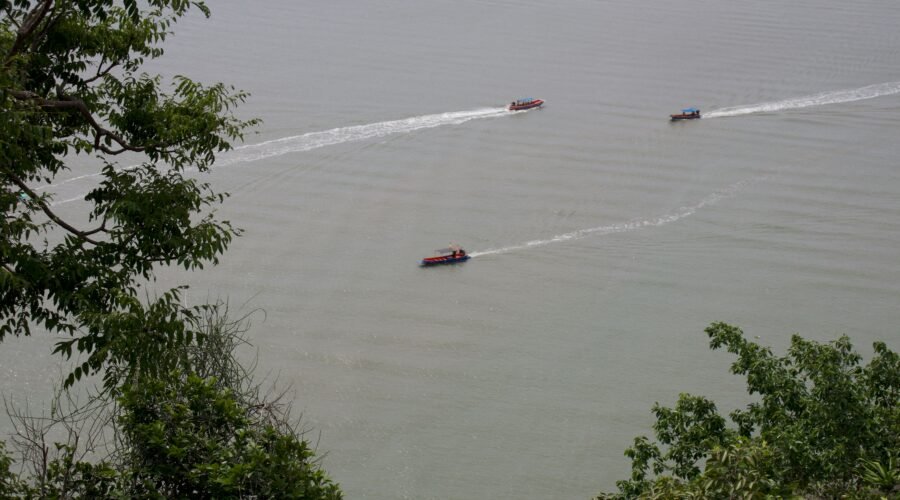
Prachuap Khiri Khan, Thailand, is best visited between November and February. This period offers the most pleasant weather, fewer crowds than peak season hotspots, and generally reasonable costs. You’ll avoid the intense heat and humidity of the summer and the heavy rains of the monsoon. Knowing the best time to visit Prachuap Khiri Khan Thailand helps you plan around weather, crowds, and budget.
Compare our seasonal guides to Ayutthaya, Thailand and Phitsanulok, Thailand when choosing other stops in Thailand.
Knowing a bit about the local weather patterns is key to planning your trip. Prachuap Khiri Khan, being in the upper part of the Malay Peninsula, experiences a tropical monsoon climate. This means distinct wet and dry seasons, with variations in temperature and humidity throughout the year.
The Dry Season (November to February)
This is hands down the most popular and generally the best time to visit.
- Weather: Expect clear skies, lower humidity, and comfortable temperatures ranging from 25°C to 30°C (77°F to 86°F). There’s very little rainfall, making it perfect for outdoor activities.
- Why it’s great: The cooler, drier air makes exploring temples, relaxing on the beach, and hiking in national parks much more enjoyable. Evenings are pleasant for dining al fresco.
- Considerations: While not as overrun as some southern islands, popular spots like Ao Manao beach will see more visitors. Accommodation prices might be slightly higher compared to the shoulder or low seasons.
The Hot Season (March to May)
If you can handle the heat, this season offers some advantages.
- Weather: Temperatures steadily climb, often reaching highs of 35°C (95°F) or even more. Humidity also increases, making it feel even hotter. Occasional short, sharp thunderstorms might occur, offering temporary relief.
- Why it’s okay: You’ll find fewer tourists, and hotel rates generally drop. If your primary goal is to lounge by the pool or on the beach and you’re good with intense heat, it’s manageable.
- Considerations: Outdoor activities during midday can be exhausting. Sun protection is absolutely crucial, and you’ll need to stay very well hydrated. Some smaller businesses might have reduced hours.
The Rainy Season (June to October)
Often misunderstood, the rainy season isn’t always about non-stop downpours.
- Weather: This period sees the most rainfall, with September and October typically being the wettest months. However, rain often comes in heavy, but short, afternoon downpours rather than all-day drizzles. Temperatures are warm and humidity is high.
- Why it’s surprisingly good: The landscape is lush and green, waterfalls are at their most impressive, and there are very few tourists. Prices for flights and accommodation are usually at their lowest. If you enjoy dramatic skies and don’t mind occasional rain, it can be a unique experience.
- Considerations: Some island excursions or boat trips might be cancelled due to rough seas. Mosquitoes are more prevalent. You’ll need to be flexible with your plans, as rain can impact outdoor activities.
Best Time To Visit Prachuap Khiri Khan Thailand: 2. Navigating Crowds: When to Expect Company
Prachuap Khiri Khan generally offers a more relaxed, local vibe compared to global hotspots like Phuket or Koh Samui. However, certain times of the year still see more visitors.
Peak Season (November to February)
This coincides with the dry season and is when you’ll find the most people.
- Who visits: A mix of international tourists escaping winter and domestic travelers enjoying the cooler weather. Expect families, couples, and some solo adventurers.
- Impact: Popular beaches like Ao Manao and Khao Chong Krachok will be busier, especially on weekends and public holidays. Restaurants can get crowded in the evenings. Booking accommodation in advance is highly recommended, particularly for specific resorts or guesthouses.
- Tips: If you want to avoid the busiest spots, consider exploring lesser-known beaches or visiting attractions early in the morning. Even during peak season, Prachuap still feels less frenetic than many other Thai destinations.
Shoulder Seasons (March to May & June to October)
These periods offer a good balance for those who want fewer crowds without necessarily dealing with constant rain.
- March to May: As temperatures rise, the number of tourists generally starts to dwindle. You’ll still see some visitors, but popular spots will feel less packed. Good for those who prioritize quiet over ideal weather.
- June to October: During the rainy season, you’ll encounter the fewest tourists. Many days will still have plenty of sunshine, broken up by refreshing showers. This is ideal for independent travelers who don’t mind a bit of unpredictability.
- Impact: More relaxed atmosphere overall. Easier to get a table at popular restaurants without a reservation. More flexibility with last-minute accommodation bookings.
- Tips: Embrace the quiet. Enjoy the local markets and connect with residents. Some smaller, seasonal businesses might be closed, especially towards the end of the rainy season.
Weekend vs. Weekday Travel
Regardless of the season, weekends (especially long weekends and Thai public holidays) will always be busier due to domestic tourism.
- Impact: Expect more traffic, fuller restaurants, and higher demand for activities like boat tours. Accommodation prices might also see a slight bump.
- Tips: If you have flexibility, try to plan your visits to major attractions or beach days during weekdays. This will significantly reduce crowds and enhance your experience.
3. Cost Considerations: Budgeting Your Trip

Prachuap Khiri Khan is generally considered an affordable destination within Thailand, especially compared to the more tourist-heavy southern islands. However, prices fluctuate with the seasons.
Accommodation: From Budget to Boutique
This will likely be your biggest variable expense.
- Peak Season (November to February): Expect prices to be at their highest. A budget guesthouse might start around 500-800 THB/night, while mid-range hotels could be 1,500-3,000 THB+. Boutique resorts will naturally be more. Booking well in advance is crucial to secure good deals and availability.
- Hot Season (March to May): Prices generally begin to drop by 10-20% from peak season rates. You might find better deals on mid-range and higher-end hotels.
- Rainy Season (June to October): This is when you’ll find the best bargains. Discounts of 20-40% or even more are common for all types of accommodation. If you’re on a tight budget, this is your best bet for scoring a comfortable stay at a low price.
- Tips: Look for places slightly off the main beach roads for better value. Consider staying in Prachuap town itself rather than directly on Ao Manao for more local prices. Websites like Agoda, Booking.com, and direct hotel websites are your friends.
Food and Drink: Delicious and Affordable
Eating well in Prachuap won’t break the bank, especially if you embrace local cuisine.
- Street Food & Local Eateries: This is where you’ll find the best value and some of the most authentic flavors. A delicious plate of Pad Thai or a bowl of noodle soup can cost as little as 40-80 THB. Expect to pay 100-200 THB for a full meal with a drink at a small local restaurant.
- Mid-Range Restaurants: If you opt for establishments catering more to tourists or offering a wider menu (e.g., seafood restaurants, Western options), expect to pay 200-500 THB per dish.
- Drinks: A local beer (Chang, Leo, Singha) will be around 70-120 THB in a restaurant, cheaper in a convenience store. Fresh fruit shakes are usually 40-70 THB.
- Seasonal Impact: Food prices remain fairly consistent year-round, though some seafood might fluctuate based on availability during certain seasons.
- Tips: Don’t be afraid to try the night markets! They offer an incredible array of inexpensive and delicious food options. Look for places busy with locals – that’s usually a good sign.
Transportation: Getting Around
Getting to and around Prachuap is quite affordable.
- Getting There:
- Train: The most atmospheric and budget-friendly option from Bangkok. Fares vary by class, but generally range from 200-500 THB for a non-sleeper seat.
- Bus/Van: Frequent services from Bangkok’s Southern Bus Terminal (Sai Tai Mai). Expect to pay 200-400 THB for a comfortable bus or van.
- Car Rental: Roughly 800-1,500 THB per day, offering maximum flexibility.
- Private Taxi: Around 2,500-3,500 THB from Bangkok, convenient for groups.
- Getting Around Prachuap:
- Songthaew (shared taxi): The most common local transport. Fares are usually 10-30 THB for short hops within town.
- Motorbike Rental: Around 200-300 THB per day. Great for exploring at your own pace, but only if you’re an experienced rider and have a valid international driver’s permit.
- Bicycle Rental: Many guesthouses offer free or very cheap rentals (50-100 THB/day), ideal for exploring the town and nearby beaches.
- Tuk-tuk/Motorbike Taxi: For specific routes, agree on a price before you go (e.g., 50-100 THB for a short ride).
- Seasonal Impact: Transport prices are fairly static year-round. However, during peak season or major holidays, bus/train tickets might sell out faster, so booking in advance is wise.
Activities & Excursions: Enjoying the Sights
Most activities in Prachuap are budget-friendly or even free.
- Free Activities: Hiking up Khao Chong Krachok, relaxing on Ao Manao beach, exploring Prachuap town, visiting local markets, watching the sunset.
- Low Cost: Entrance to national parks (e.g., Kui Buri National Park for elephant sightings, though you’ll need transport there) usually costs 100-300 THB for foreigners. Boat trips to nearby islands (e.g., Koh Sing, Koh Nom Sao for snorkeling) can range from 500-1,000 THB depending on the tour.
- Seasonal Impact: Some boat tours might be unavailable or less frequent during the rainy season due to sea conditions. Otherwise, prices remain consistent.
- Tips: Combine activities to save on transport. For Kui Buri, consider joining a tour from Prachuap town rather than arranging private transport if you’re a solo traveler.
4. Special Events and Holidays: Adding to Your Experience (or Crowds)

Thai public holidays and local festivals can be vibrant additions to your trip, but they also bring more crowds and potentially higher prices.
Key Public Holidays
- Loy Krathong (November): While the exact date varies, it usually falls in November. This beautiful festival involves releasing floating baskets (krathongs) onto waterways. Prachuap will have local celebrations, offering a magical experience. Expect higher domestic tourism.
- New Year’s Eve/Day (December 31st/January 1st): A major holiday, especially for domestic travelers. Expect very full hotels, crowded beaches, and celebratory events. Book everything well in advance.
- Chinese New Year (January/February): Dates vary. While Prachuap doesn’t have a huge Chinese population, some businesses might close, and there can be a slight bump in tourist numbers.
- Songkran (April 13th-15th): The Thai New Year, famous for its nationwide water fights. While not as wild as Chiang Mai or Bangkok, Prachuap will have its own local celebrations. If you visit then, be prepared to get wet! This is during the hot season, so the water can be a welcome relief. Expect higher domestic travel.
- Other Buddhist Holidays: Various dates throughout the year (e.g., Makha Bucha, Visakha Bucha, Asalha Bucha). These are typically observed with temple visits and merit-making. Alcohol sales might be restricted on these days.
Local Events
- Prachuap Khiri Khan Red Cross Fair (December/January): Often held around New Year’s, this is a large annual fair with stalls, food, entertainment, and cultural performances. A great opportunity to experience local life.
- Ao Manao Air Show (December): Hosted by the Wing 5 Royal Thai Air Force base, this annual event features air displays, exhibitions, and activities, drawing significant crowds, particularly Thai families.
- Seafood Festivals: Prachuap is known for its fresh seafood. Keep an eye out for smaller, localized seafood festivals, especially during the cooler months, which offer delicious and affordable feasts.
Planning Around Holidays
- Embrace the Celebration: If you want to experience a Thai festival firsthand, planning your trip to coincide with one can be incredibly rewarding. Just be prepared for more people and potentially needing to book further ahead.
- Avoid for Tranquility: If your priority is peace and quiet, it’s best to avoid major public holidays and long weekends, especially around New Year and Songkran.
- Research: A quick online search for “Thai public holidays 202X” or “Prachuap Khiri Khan events 202X” before booking will help you decide if you want to be part of the festivities or steer clear.
5. Tailoring Your Visit: What’s Your Priority?
| Month | Weather | Crowds | Costs |
|---|---|---|---|
| January | Dry and cool | High | High |
| February | Dry and warm | High | High |
| March | Hot and dry | Medium | Medium |
| April | Hot and dry | Low | Low |
| May | Hot and humid | Low | Low |
| June | Rainy and humid | Low | Low |
| July | Rainy and humid | Low | Low |
| August | Rainy and humid | Low | Low |
| September | Rainy and humid | Low | Low |
| October | Rainy and humid | Low | Low |
| November | Cool and dry | Medium | Medium |
| December | Cool and dry | High | High |
Ultimately, the “best” time depends on what you’re looking for. Prachuap Khiri Khan offers different experiences throughout the year.
For Ideal Weather and General Enjoyment (November to February)
If comfortable temperatures, low humidity, and sunny days are your top priorities for exploring, beach lounging, and outdoor activities without concern for cost, this is your sweet spot.
- Pros: Perfect weather, vibrant atmosphere, all attractions and tours fully operational.
- Cons: More tourists, slightly higher prices for accommodation.
For Budget Travelers and Quiet Seekers (June to October)
If you’re looking for the best deals, fewer crowds, and don’t mind occasional rain, the rainy season can be surprisingly enjoyable.
- Pros: Cheapest prices, lush green landscapes, waterfalls are full, authentic local experience.
- Cons: Higher chance of rain impacting outdoor plans, humidity, some smaller businesses might close.
For Heat Lovers and Value Seekers (March to May)
If intense heat doesn’t deter you and you appreciate good value with fewer crowds than peak season, the hot season might work.
- Pros: Fewer tourists, lower prices than peak season, sunny days (albeit hot).
- Cons: Very high temperatures and humidity, intense sun, can be uncomfortable for some outdoor activities.
No matter when you choose to visit, Prachuap Khiri Khan has a laid-back charm that makes it a memorable destination. Just align your expectations with the season, and you’re sure to have a fantastic trip.
FAQs
1. What is the best time to visit Prachuap Khiri Khan, Thailand in terms of weather?
The best time to visit Prachuap Khiri Khan, Thailand is during the dry season, which runs from November to April. During this time, the weather is generally sunny and dry, making it ideal for outdoor activities and beach visits.
2. When is the peak tourist season in Prachuap Khiri Khan, Thailand?
The peak tourist season in Prachuap Khiri Khan, Thailand is from December to February. During this time, the city experiences an influx of tourists, resulting in higher hotel rates and crowded attractions.
3. What is the low season in Prachuap Khiri Khan, Thailand?
The low season in Prachuap Khiri Khan, Thailand is during the rainy season, which typically occurs from May to October. During this time, the city experiences heavy rainfall and higher humidity, resulting in fewer tourists and lower hotel rates.
4. What are the average costs during the peak tourist season in Prachuap Khiri Khan, Thailand?
During the peak tourist season in Prachuap Khiri Khan, Thailand, the average costs for accommodation, dining, and activities are higher compared to the low season. It is advisable to book accommodations and activities in advance to secure better rates.
5. Are there any festivals or events that travelers should consider when planning a visit to Prachuap Khiri Khan, Thailand?
One of the most popular festivals in Prachuap Khiri Khan, Thailand is the Songkran Festival, which takes place in April. This traditional Thai New Year celebration involves water fights and various cultural activities, making it a unique and vibrant time to visit the city.