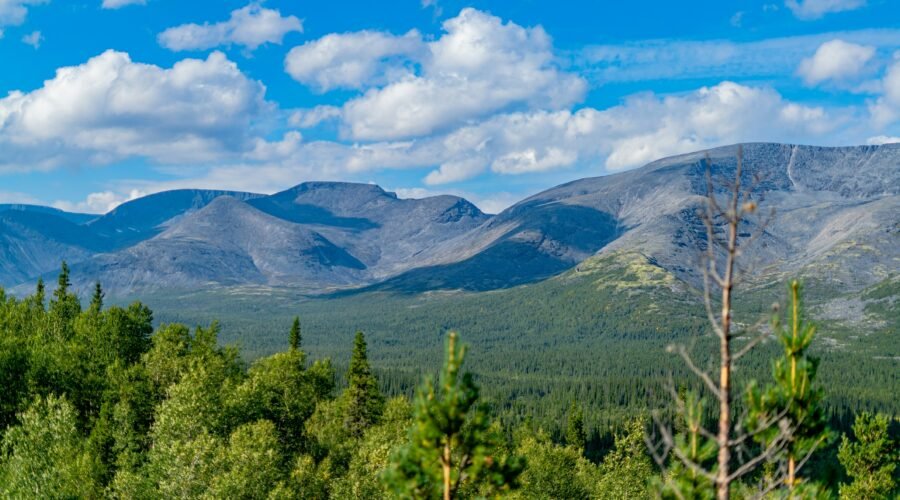
The best time to visit the Khibiny Mountains in Murmansk Oblast really depends on what you’re hoping to experience. If you’re chasing the northern lights and a true winter wonderland, late winter (February to March) is your sweet spot. For hiking and milder weather, late July to early September offers the best conditions. However, each season has its unique charm and challenges, so let’s break it down. Knowing the best time to visit Khibiny Mountains Murmansk Oblast helps you plan around weather, crowds, and budget.
Compare our seasonal guides to Yessentuki, Stavropol Krai and Pyatigorsk, Stavropol Krai when choosing other stops in Russia.
1. Understanding the Khibiny Climate
Murmansk Oblast, where the Khibiny Mountains are located, is well above the Arctic Circle. This means long, dark winters and short, cool summers. The weather here can be unpredictable, even within a single day. Don’t be surprised by sudden changes in temperature, visibility, or precipitation.
1.1 Winter’s Grip: November to April
Winter in the Khibiny Mountains is intense and prolonged. Temperatures regularly drop well below freezing, often hitting -20°C (-4°F) and sometimes even colder, especially in January and February. Snowfall is abundant and consistent, creating deep snowpacks perfect for winter sports.
1.2 Brief Spring and Autumn: May and October
These shoulder seasons are transitional and can be quite volatile. May sees the snow starting to melt, leading to muddy conditions and swollen rivers. October brings the first significant snowfalls and rapidly dropping temperatures, making it a less predictable time for outdoor activities.
1.3 Cool, Mosquito-Rich Summer: June to September
Summers are short and mild, with average temperatures around 10-15°C (50-59°F). While it rarely gets hot, the endless daylight (polar day) is a unique experience. Be prepared for a significant mosquito presence, especially in July and August.
2. Seasonal Breakdown: What to Expect When
Let’s dive into the specifics of each season, considering weather, crowds, and cost implications.
2.1 The Winter Wonderland (November – April)
This is arguably the Khibiny’s most iconic season, drawing those who love snow, silence, and the magic of the aurora.
2.1.1 Weather Conditions
- November – December: Snow starts accumulating, and polar night begins in December. Temperatures drop to -10°C to -15°C (14°F to 5°F).
- January – February: The coldest months. Temperatures can plunge to -25°C (-13°F) or lower. Snow depth is at its peak. Polar night ends in mid-January, but daylight hours are still very limited. This is prime Northern Lights viewing time.
- March – April: Slightly milder, with temperatures often around -5°C to -10°C (23°F to 14°F). Daylight hours increase significantly. Excellent for skiing and snowshoeing as the days are longer and the snow is stable. April sees the start of thawing, especially lower down.
2.1.2 Crowds and Atmosphere
Winter generally attracts fewer general tourists but a dedicated crowd of winter sports enthusiasts, aurora chasers, and extreme adventurers. The atmosphere is quiet, serene, and often awe-inspiring, especially when the aurora dances overhead. Ski resorts like Big Wood (Bolshoy Vudyavr) will be busier, particularly during Russian holidays.
2.1.3 Cost Considerations
- Flights: Can be slightly higher around major Russian holidays (New Year, Defender of the Fatherland Day).
- Accommodation: Prices for guesthouses and hotels in Kirovsk or Apatity remain relatively stable, but specialized winter tour packages can be pricey.
- Activities: Ski passes, snowmobile rentals, dog sledding, and aurora tours are significant expenses. Booking in advance is recommended, especially for popular tours.
2.1.4 Best for:
- Northern Lights Hunting: January to March offers the best chances due to long, dark nights and typically clear skies.
- Downhill Skiing/Snowboarding: Big Wood resort is fully operational with excellent snow conditions.
- Snowmobiling, Dog Sledding, Snowshoeing: The deep snow makes these activities ideal.
- Ice Fishing: A popular local pastime.
2.2 The Spring Thaw (May)
May is a month of transition, often overlooked but offering unique perspectives for those who don’t mind a bit of a challenge.
2.2.1 Weather Conditions
Temperatures slowly creep above freezing, usually ranging from 0°C to 5°C (32°F to 41°F). Snowmelt accelerates, especially in late May. Lower trails become muddy, and rivers swell. Higher elevations will still retain significant snowpack. Fog can be common.
2.2.2 Crowds and Atmosphere
Very few tourists. The atmosphere is one of awakening, with the landscape slowly revealing itself from under the snow. It can feel quite remote and solitary.
2.2.3 Cost Considerations
Generally lower costs for accommodation and flights as it’s an off-peak month. However, fewer tour operators might be active, limiting options.
2.2.4 Best for:
- Experienced Hikers: Who are prepared for wet, challenging conditions and still want to see snow-covered peaks.
- Photographers: Capturing the stark beauty of the melting landscape and emerging flora.
- Quiet Reflection: If solitude is your goal, May delivers.
2.3 The Cool Summer (June – September)
Summer offers the opportunity for hiking, enjoying the polar day, and exploring the region without extreme cold.
2.3.1 Weather Conditions
- June: Temperatures around 5°C to 10°C (41°F to 50°F). Snow still lingers on higher peaks. Polar day is in full swing, meaning 24 hours of daylight. Mosquitoes start to emerge.
- July – August: The warmest months, with averages around 10°C to 15°C (50°F to 59°F), occasionally reaching 20°C (68°F). Mosquitoes are at their peak. Hiking trails are generally clear, though some higher passes might retain snow patches. Frequent, short rain showers are common.
- September: Temperatures start to drop, 5°C to 10°C (41°F to 50°F). The first autumn colors appear, especially in late September. Mosquitoes begin to recede. Days shorten, and the polar day ends.
2.3.2 Crowds and Atmosphere
Summers see a moderate influx of hikers, trekkers, and nature lovers. The atmosphere is more active than in winter, with more people out on the trails. It’s still far from crowded, offering plenty of opportunities for peaceful exploration.
2.3.3 Cost Considerations
Similar to winter, costs remain relatively stable. Demand for hiking-specific guided tours might be higher. Booking accommodation a bit in advance is a good idea, especially for popular guesthouses.
2.3.4 Best for:
- Hiking and Trekking: Access to most trails, stunning landscapes, and wildlife viewing.
- Milder Temperatures: Easier for those who aren’t keen on extreme cold.
- Polar Day Experience: Enjoying the endless daylight, especially in June and July.
- Berry and Mushroom Picking: A popular local activity in late summer.
- Botanical Enthusiasts: Observing Arctic flora.
2.4 The Autumn Freeze (October)
October marks the rapid return of winter, a short but dramatic season.
2.4.1 Weather Conditions
Temperatures rapidly drop below freezing, usually ranging from -5°C to 0°C (23°F to 32°F). The first significant snowfalls begin, covering the mountain peaks and gradually descending to lower elevations. Conditions can change very quickly from mild autumn to full-blown winter. Daylight hours significantly decrease.
2.4.2 Crowds and Atmosphere
Very few tourists. Most summer hikers have departed, and winter sports enthusiasts haven’t fully arrived. The atmosphere is quiet, stark, and sometimes melancholic, as the landscape prepares for the long winter.
2.4.3 Cost Considerations
Likely the lowest costs for flights and accommodation due to the unpredictable weather and off-peak status. However, tour options will be very limited.
2.4.4 Best for:
- Hardy Photographers: Capturing the dramatic transition from autumn colors to early snow.
- Those Seeking Solitude: If you want the mountains almost entirely to yourself, this is your time.
- Early Winter Explorers: If you’re looking for a taste of winter without the deepest cold or snowpack.
3. Practical Considerations for Your Trip
No matter when you visit, a few practicalities remain constant for a smooth Khibiny adventure.
3.1 Packing Essentials
- Layering is Key: Always dress in layers, regardless of the season. The weather can change quickly.
- Waterproof Outerwear: Essential for rain, snow, or slush.
- Sturdy Footwear: Waterproof hiking boots for summer, insulated winter boots for winter.
- Insect Repellent: Crucial for summer visits.
- Sun Protection: Even in winter, the sun can be strong, especially with snow reflection. Sunglasses are a must.
- Navigation: A reliable GPS device, map, and compass are vital, especially as phone signal can be unreliable. Inform someone of your route if venturing far.
- Emergency Kit: First aid, emergency blanket, extra food, and water.
3.2 Accommodation and Transport
- Main Hubs: Kirovsk and Apatity are the primary towns offering accommodation, restaurants, and supplies. Kirovsk is closer to the mountains.
- Getting There: Flights typically go to Murmansk, from where you can take a train or bus to Apatity, then a local bus or taxi to Kirovsk.
- Booking: It’s always a good idea to book accommodation in advance, especially during peak winter months or Russian holidays.
- Local Transport: Taxis are readily available. In winter, snowmobiles are often used to access remote areas.
3.3 Safety in the Wilderness
- Weather Awareness: Check forecasts frequently and be prepared for rapid changes.
- Avalanche Risk: In winter and spring, avalanche danger is a serious concern. Consult local experts and always carry appropriate gear (beacon, probe, shovel) if venturing into avalanche terrain.
- Wildlife: While rare, be aware of potential encounters with wildlife. Store food properly.
- Guided Tours: For activities like backcountry skiing, snowmobiling, or multi-day treks, especially in winter, hiring a local guide is highly recommended for safety and knowledge.
4. Choosing Your Ideal Khibiny Experience
To wrap it up, here’s a quick guide based on what you’re looking for:
- For Northern Lights: January to March (late winter).
- For Downhill Skiing/Snowboarding: December to April (mid to late winter).
- For Hiking with Milder Weather and Clear Trails: Late July to early September (late summer).
- For Photography of Autumn Colors and Early Snow: Late September to early October.
- For Solitude and Raw Wilderness: May or October (shoulder seasons).
- For the Polar Day Experience: June to July (early summer).
The Khibiny Mountains offer a rugged, authentic Arctic experience. By understanding the seasonal nuances, you can choose the perfect time to visit and ensure your adventure is both memorable and safe.
Best Time To Visit Khibiny Mountains Murmansk Oblast: FAQs
1. What is the best time to visit Khibiny Mountains in Murmansk Oblast?
The best time to visit Khibiny Mountains in Murmansk Oblast is during the summer months, from June to August, when the weather is milder and the hiking trails are accessible.
2. What is the weather like in Khibiny Mountains during the summer months?
During the summer months, the weather in Khibiny Mountains is generally mild, with temperatures ranging from 10°C to 20°C. However, it is important to be prepared for sudden changes in weather and pack accordingly.
3. When is the peak tourist season in Khibiny Mountains?
The peak tourist season in Khibiny Mountains is during the summer months, from June to August, when the weather is most favorable for outdoor activities such as hiking and camping.
4. When is the off-peak season in Khibiny Mountains?
The off-peak season in Khibiny Mountains is during the winter months, from November to March, when the weather is cold and the hiking trails may be covered in snow. However, this is a popular time for winter sports such as skiing and snowboarding.
5. How much does it cost to visit Khibiny Mountains?
The cost of visiting Khibiny Mountains will vary depending on factors such as accommodation, transportation, and activities. It is recommended to budget for expenses such as accommodation, meals, and any guided tours or activities.