So, you’re thinking about a trip to Murmansk? That’s a fantastic choice! It’s a place that truly captivates with its raw Arctic beauty and unique atmosphere. The million-dollar question, of course, is “When should I go?” The short answer is: it depends on what you’re looking for. If chasing the Northern Lights is your absolute top priority, then winter is your window. But if you prefer milder weather and more daylight for exploring, then summer is your best bet. Let’s break down the seasons, the crowds, and what your wallet might look like. Knowing the best time to visit Murmansk Russia helps you plan around weather, crowds, and budget.
Compare our seasonal guides to Khibiny Mountains, Murmansk Oblast and Teriberka, Murmansk Oblast when choosing other stops in Murmansk Oblast.
This is the season most people associate with Murmansk, and for good reason. It’s a time of deep snow, long nights, and the magical dance of the Aurora Borealis.
The Weather: Cold, but Mostly Manageable
- Temperatures: Expect it to be cold. Average temperatures hover around -10°C to -15°C (14°F to 5°F), but can easily dip to -20°C (-4°F) or even colder, especially with wind chill. Don’t let that put you off; it’s a dry cold for the most part.
- Daylight: This is where things get extreme. From mid-December to mid-January, you’ll experience Polar Night. This means the sun doesn’t rise above the horizon at all. While it might sound bleak, it’s actually perfect for aurora viewing, as the sky remains dark for extended periods. The “daylight” is more of a twilight glow for a few hours around noon.
- Snowfall: Plenty of snow is the norm. This makes for stunning landscapes and great opportunities for winter activities.
The Crowds: Moderate, with Peaks
- General Crowd Levels: Winter isn’t exactly a peak tourist season in terms of sheer numbers compared to summer destinations. However, it’s the most popular time for Murmansk due to the Northern Lights.
- Peak Times: Expect slightly higher visitor numbers around the New Year and Orthodox Christmas holidays (early January). This is when tours and accommodations might be a bit more booked.
- Aurora Season: While the entire winter is aurora season, the most reliable viewing is generally from September to March. So, while December to February is the heart of winter, you’ll find similar aurora potential in September, October, November, March, and April.
The Costs: Moderate, with Potential for Higher Prices
- Flights: Flight prices can fluctuate. Booking in advance, especially for the holiday period, is a good idea. You might find better deals if you can be flexible with your travel dates.
- Accommodation: Hotels and guesthouses tend to be moderately priced in winter. However, during the New Year’s rush, expect prices to climb. Self-catering apartments can be a more budget-friendly option.
- Tours: Northern Lights tours are a significant expense. Prices vary depending on the duration, what’s included (e.g., warm gear, food), and whether it’s a group or private tour. Booking these in advance is highly recommended, especially during peak times.
- Activities: Snowmobiling, husky sledding, and other winter activities will add to your budget. Factor these in when planning.
Best Time To Visit Murmansk Russia: 2. Spring Awakening (March – May): The Transition Period
Spring in Murmansk is a time of change, as the long winter slowly gives way to longer days and a melting landscape.
The Weather: Warming Up, Still Wintery
- Temperatures: March is still very much winter. You’ll still experience freezing temperatures, but they start to gradually increase. By May, you’re looking at average temperatures around 0°C to 5°C (32°F to 41°F).
- Daylight: Daylight hours increase dramatically. By March, the sun is rising consistently. By April and May, you’ll have long daylight hours, though it won’t reach the 24-hour daylight of summer.
- Snow Conditions: Snow is still present, especially in early spring, but it starts to melt. This can lead to muddy conditions in some areas. The landscape can be a bit messy as the snow recedes, revealing the rugged terrain underneath.
The Crowds: Low to Moderate
- General Crowd Levels: This is generally a quieter period for tourism. The extreme cold and short days of deep winter are over, but the full bloom of summer hasn’t arrived yet.
- Aurora Potential: While the aurora can still be seen in early spring (March, and sometimes into April), the increasing daylight makes it harder to spot. You’ll need to stay out very late or catch a particularly clear night.
The Costs: Generally Lower
- Flights: You’re likely to find more competitive flight prices during this shoulder season compared to the peak winter or summer months.
- Accommodation: Hotels and apartments are often more affordable in March, April, and May. This can be a great time to snag a good deal.
- Tours: Northern Lights tours become less frequent and potentially cheaper as the season wanes. Other outdoor activity providers might also offer discounts.
3. Summer Solstice (June – August): The Land of the Midnight Sun

Summer in Murmansk is a complete contrast to winter. It’s a time of endless daylight, a greener landscape, and a completely different set of activities.
The Weather: Mild and Pleasant
- Temperatures: Summer is mild. Average temperatures range from 10°C to 15°C (50°F to 59°F), with occasional spikes into the low 20s°C (low 70s°F). It’s rarely hot, making it perfect for exploring without extreme temperatures.
- Daylight: This is the main attraction for many summer visitors. You’ll experience the Midnight Sun, where the sun doesn’t set below the horizon for weeks. This means you have 24 hours of daylight, allowing for incredible flexibility in your sightseeing.
- Rainfall: Summer can bring rain, so packing layers and waterproofs is advisable.
The Crowds: Moderate to High, Especially for Locals
- General Crowd Levels: While not as packed as some Mediterranean beach resorts, summer is the second busiest season for Murmansk, particularly among Russian tourists. Locals also take advantage of the long days and milder weather to travel and enjoy the outdoors.
- International Tourists: You’ll find a steady stream of international visitors, often those interested in Arctic exploration, naval history, or the unique phenomena of the Midnight Sun.
- Peak Times: July and August are generally the busiest months.
The Costs: Moderate to High
- Flights: Flight prices can be higher during the summer months due to increased demand. Booking in advance is recommended.
- Accommodation: Expect accommodation prices to be at their second-highest level of the year. Popular hotels and apartments can fill up, so early booking is crucial.
- Tours and Activities: Summer offers a wide range of activities like boat trips, hiking, and visiting coastal areas. The prices for these will be standard for the season.
4. Autumn Colors (September – November): A Shoulder Season Gem

Autumn in Murmansk is a visually stunning period, offering a beautiful transition from summer’s green to winter’s white, with the added bonus of aurora potential returning.
The Weather: Crisp and Cooling
- Temperatures: September is still quite pleasant, with average temperatures around 5°C to 10°C (41°F to 50°F). As you move into October and November, temperatures will drop significantly, heading back into freezing territory.
- Daylight: Daylight hours decrease gradually. You’ll still have reasonable daylight in September, but by November, the days become noticeably shorter, and the twilight hours of Polar Night begin to emerge in late November.
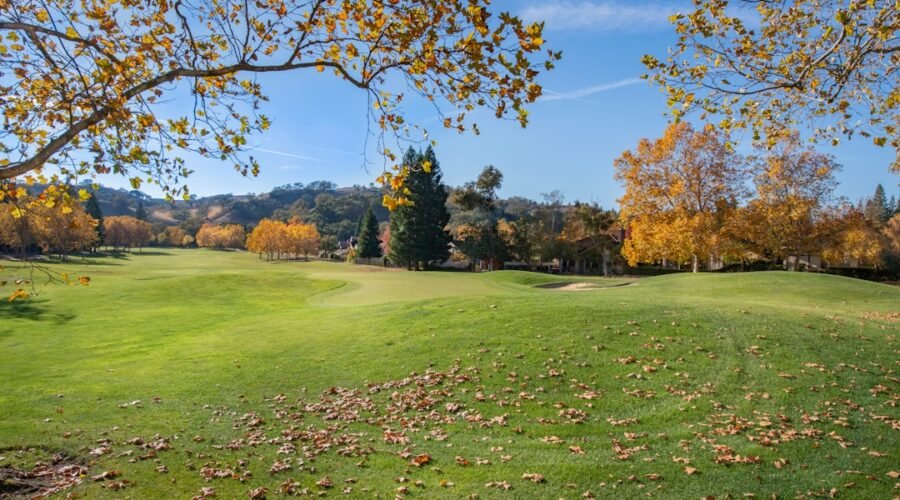
- Autumn Foliage: The tundra and surrounding forests can put on a beautiful display of autumn colors, especially in September and early October. This is a less-heralded but very rewarding aspect of visiting during this time.
The Crowds: Low to Moderate
- General Crowd Levels: This is a classic shoulder season, meaning fewer crowds. The summer rush is over, and the peak winter aurora season hasn’t fully kicked in yet.
- Aurora Potential: This is a fantastic time for aurora viewing! As the nights get longer, your chances of seeing the Northern Lights increase significantly. September and October are particularly good months for a combination of decent daylight for exploring and dark nights for aurora hunting.
The Costs: Generally Lower
- Flights: You’re likely to find more budget-friendly flight options during this shoulder period.
- Accommodation: Hotels and apartments tend to be more affordable in September, October, and November. This is a great time to save on your stay.
- Tours: Northern Lights tours start to ramp up again, but prices might be more competitive than during the absolute peak winter months. Other outdoor activities might also be available at a good value.
5. Key Factors to Consider for Your Trip
| Month | Weather | Crowds | Costs |
|---|---|---|---|
| June | Mild temperatures, long days | Peak tourist season, crowded | High costs for accommodation |
| July | Warmest month, long days | Peak tourist season, crowded | High costs for accommodation |
| August | Mild temperatures, decreasing daylight | Peak tourist season, crowded | High costs for accommodation |
| September | Cooling temperatures, decreasing daylight | Decreasing crowds | Lower costs for accommodation |
Beyond just the seasons, a few other elements will influence your decision. Thinking about these will help you nail down the perfect time for your Murmansk adventure.
The Northern Lights: Your Primary Goal?
- Best Chances: September through March offers the highest probability of seeing the Aurora Borealis. The darker the sky and the clearer the conditions, the better your chances.
- Winter Peak: December to February provides the longest and darkest nights, maximizing your potential viewing time. However, it’s also the coldest.
- Shoulder Season Advantage: September, October, and March offer a great balance: decreasing or increasing daylight means you can still explore during the day and have dark skies for aurora hunting. You might also find slightly fewer crowds and better prices.
- Polar Night: While ideal for aurora viewing, remember the sun doesn’t rise at all during Polar Night (roughly mid-December to mid-January). Be prepared for extended darkness.
Daylight Hours: How Much Exploring Do You Want to Do?
- 24/7 Daylight: June and July offer the Midnight Sun, giving you unlimited time to explore the city and surrounding natural beauty. This is ideal if you want to pack in as much sightseeing as possible without worrying about the sun setting.
- Moderate Daylight: April, May, August, and September provide a good balance of daylight for activities and darkness for aurora viewing (in the latter months).
- Limited Daylight: November, December, January, and February have very short daylight hours or none at all during Polar Night. This is best if your focus is almost exclusively on the aurora and indoor activities.
Budget Considerations: Where Do You Want to Save?
- Cheapest: Shoulder seasons (March-May, September-November) generally offer the best prices for flights and accommodation. You’ll also find fewer crowds, which can sometimes lead to better deals on tours.
- Moderate: Summer (June-August) and early winter (September-November, and February-March) will have moderate prices.
- Most Expensive: The absolute peak winter months for aurora tourism (December-January, especially around holidays) will see the highest prices for flights and accommodation.
Activities You Want to Do: Tailor Your Visit
- Winter Activities: If snowmobiling, husky sledding, ice fishing, and experiencing the deep snow and icy landscapes are your priorities, then winter (December-February) is your time.
- Summer Exploration: For hiking, boat trips to see marine life, exploring coastal areas, and enjoying the green landscapes, summer (June-August) is ideal. The Midnight Sun makes these activities feasible at any hour.
- Transitional Activities: Spring and autumn offer opportunities for both aurora hunting and experiencing the changing landscapes. You might still find some winter activities available in early spring, and hiking becomes more accessible in autumn as the snow recedes.
By weighing these factors against your personal preferences and priorities, you can confidently choose the best time for your unforgettable journey to Murmansk.
FAQs
1. What is the best time to visit Murmansk, Murmansk Oblast?
The best time to visit Murmansk is during the summer months of June to August when the weather is milder and the days are long with the midnight sun.
2. What is the weather like in Murmansk, Murmansk Oblast throughout the year?
Murmansk experiences a subarctic climate with long, cold winters and short, cool summers. The average temperature in winter is around -10°C (14°F) and in summer it is around 10°C (50°F).
3. When are the crowds at their peak in Murmansk, Murmansk Oblast?
The peak tourist season in Murmansk is during the summer months of June to August when the weather is most favorable. The city sees an influx of tourists during this time.
4. When is the off-peak season in Murmansk, Murmansk Oblast?
The off-peak season in Murmansk is during the winter months of November to March when the city experiences extreme cold and darkness. This is also the best time to see the Northern Lights.
5. How does the cost of visiting Murmansk, Murmansk Oblast vary throughout the year?
The cost of visiting Murmansk is generally higher during the summer months due to the peak tourist season. Accommodation, tours, and activities may be more expensive during this time. In contrast, visiting during the winter months may offer more budget-friendly options.