Thinking about a trip to Portland, Maine? Choosing when to go can make a big difference to your experience and your budget. Summer brings warm weather, lively waterfront streets, and plenty of outdoor activities. Fall offers cooler days and beautiful coastal scenery, while spring and winter give you more room to explore. The best time to visit depends on whether you care most about weather, smaller crowds, lower costs, or seasonal activities.
Quick Answer
The best time to visit Portland, Maine, is generally late May through June or September through October. These months offer a useful balance of weather, activities, and crowds. Choose July or August for beach trips and summer events, mid-to-late October for coastal fall foliage, and winter for quieter streets and potential hotel savings.
Key Takeaways
- Best overall balance: Late May, June, and September offer comfortable conditions without the full intensity of peak summer travel.
- Warmest weather: July and August are the main months for beaches, boat trips, and outdoor dining.
- Fall foliage: Coastal southern Maine generally reaches peak or near-peak color in mid-to-late October.
- Smaller crowds: Late fall, winter, and early spring are usually quieter, apart from holidays and special events.
- Budget planning: Compare the complete cost of accommodation, including taxes and parking, rather than relying on advertised room rates alone.
1. Best Time to Visit Portland, Maine by Season
Portland is a year-round destination, but each season creates a different kind of trip. Your ideal dates will depend on the weather you enjoy and the activities you want to experience.
Summer (June–August): Warm Weather and Waterfront Activities
Summer is Portland’s main visitor season. Restaurants, boat tours, waterfront attractions, and outdoor events are active, making it a convenient time for a first trip.
July and August are especially popular with families and visitors exploring Maine’s coast.
- Weather: Expect warm afternoons, mild evenings, and occasional rain or humidity.
- Crowds: Popular restaurants, waterfront areas, and ferry departures can become busy.
- Costs: Accommodation demand is often high, particularly around weekends and events.
- Best activities: Harbor cruises, island visits, beach trips, outdoor dining, and coastal sightseeing.
According to NOAA’s 1991–2020 climate normals for Portland International Jetport, the average daily highs are approximately 74°F in June, 80°F in July, and 79°F in August. These are historical averages, not forecasts for a specific trip.
Even during summer, pack a light jacket. Wind along the waterfront can make evenings feel noticeably cooler than inland areas.
Fall (September–October): Comfortable Exploring and Coastal Color
Fall brings a different atmosphere to Portland. September often feels like an extension of summer, while October offers cooler weather, changing leaves, and a more traditional New England setting.
- Weather: September’s average high is about 71°F. October’s is about 60°F.
- Crowds: Many summer vacationers have departed, although weekends and foliage season can still be busy.
- Costs: Some properties reduce rates after summer, but popular fall dates may remain expensive.
- Best activities: Walking the Old Port, visiting breweries and galleries, taking scenic drives, and exploring nearby lighthouses.
For visitors interested in fall foliage, timing matters. Maine’s Forest Service identifies mid-to-late October as the usual peak or near-peak period for southern and coastal Maine, including the Portland region. Northern parts of the state generally reach peak color earlier.
Actual foliage timing changes with weather and growing conditions. Check the official Maine fall foliage guidance before finalizing an October trip.
Pro Tip: Choose September if comfortable walking weather and outdoor dining matter most. Consider mid-to-late October if coastal foliage is your main reason for visiting.
Spring (April–May): A Quieter Coastal Escape
Spring is a transition season. Portland gradually moves from its quieter winter schedule toward the busy summer months.
- Weather: April can be chilly and rainy, with occasional late snow. May becomes noticeably milder.
- Crowds: Visitor numbers are generally lighter than in summer.
- Costs: Some accommodation deals may be available before peak-season demand builds.
- Best activities: Museum visits, neighborhood walks, restaurant visits, and spring sightseeing.
NOAA’s average daily highs are approximately 54°F in April and 64°F in May. Conditions can still change quickly, so bring layers and waterproof clothing.
Some seasonal businesses and tours may not yet be operating on their full summer schedules. Check opening dates before making an activity the centerpiece of your trip.
Winter (November–March): Quiet Streets and Cozy Indoor Activities
Winter is a good time to experience a quieter side of Portland. The waterfront remains scenic, and the city’s restaurants, museums, galleries, and shops provide plenty of indoor options.
- Weather: Expect cold temperatures, wind, snow, and occasional icy conditions.
- Crowds: Generally lighter than summer, with exceptions around holidays and special events.
- Costs: Some hotels offer attractive rates, although availability and promotions vary.
- Best activities: Museums, bookstores, restaurants, galleries, and winter photography.
January’s average high is approximately 32°F, while February averages about 35°F. March begins to warm but still feels wintry.
Winter visitors should plan around weather-related travel delays and confirm the operating hours of smaller businesses.
Portland, Maine: Month-by-Month Weather, Crowds, and Costs
The following table provides a practical overview of the year. Temperature figures are rounded from NOAA’s 1991–2020 climate normals. Crowd and cost descriptions are general seasonal planning guidance, not live hotel-price measurements.
| Month | Average High | Crowds | Cost Pattern | Best For |
|---|---|---|---|---|
| January | 32°F | Low | Often lower | Indoor attractions |
| February | 35°F | Low | Often lower | Quiet getaways |
| March | 42°F | Low | Variable | Museums and dining |
| April | 54°F | Low–moderate | Variable | Spring sightseeing |
| May | 64°F | Moderate | Rising | Walking and exploring |
| June | 74°F | Moderate–high | High | Outdoor activities |
| July | 80°F | High | High | Beaches and boat trips |
| August | 79°F | High | High | Summer vacations |
| September | 71°F | Moderate | Variable | Comfortable sightseeing |
| October | 60°F | Moderate; busy foliage weekends | Variable | Fall foliage |
| November | 48°F | Low | Often lower | Quiet city breaks |
| December | 38°F | Low–moderate | Event-dependent | Holiday atmosphere |
For the underlying temperature and precipitation data, consult the NOAA Portland climate normals.
2. Navigating the Crowds: When to Go for Peace and Quiet
If you prefer exploring without long lines or crowded restaurants, consider both the season and the day of the week.
The Summer Rush (June–August)
Summer is Portland’s primary tourism season. The Old Port, waterfront restaurants, island ferries, and popular coastal attractions receive heavy visitor traffic.
Parking can also be harder to find during busy periods.
- Travel midweek: Tuesday through Thursday can be more comfortable than busy summer weekends, although special events may change the pattern.
- Start early: Visit waterfront attractions and popular viewpoints before the busiest part of the day.
- Reserve dining: Book popular restaurants ahead when possible.
- Consider early June: It may offer a slightly quieter experience than the busiest school-vacation weeks.
- Plan ferry trips: Check departure times and arrive early enough to purchase tickets and board comfortably.
Peaks Island is a popular day-trip destination. Earlier departures can be useful when you want more time to explore before returning to Portland.
The Shoulder-Season Sweet Spot (May and September)
May and September often provide a useful balance between pleasant conditions and a more manageable pace.
You may find it easier to explore the Old Port, visit shops, and make restaurant reservations than during the busiest summer dates.
- Take relaxed walks through the historic waterfront district.
- Explore the Eastern Promenade and nearby neighborhoods.
- Visit galleries, museums, and local shops.
- Plan an island trip while seasonal services are operating.
- Compare weekday accommodation rates with weekend prices.
These months are not guaranteed to be inexpensive or empty. Holiday weekends, cruise ship visits, and local events can increase demand.
The Off-Season Calm (November–April)
Late fall, winter, and early spring generally bring a quieter atmosphere.
This can be an appealing time to enjoy Portland’s restaurants, museums, bookstores, and galleries without building your day around the busiest tourist periods.
- Prepare for the weather: Bring warm clothing, waterproof footwear, and a wind-resistant outer layer.
- Check operating hours: Some seasonal attractions and smaller businesses reduce their schedules.
- Keep plans flexible: Snow and coastal weather can affect transportation.
- Look for events: Holiday activities and winter programming can add variety to a cold-weather trip.
October is better treated as a transition month than a consistently quiet off-season month. Foliage weekends can still attract substantial visitor interest.
3. Budgeting Your Trip: Portland Costs Explained

Portland offers everything from casual cafes to upscale hotels and restaurants. Your final cost depends heavily on your travel dates, accommodation choices, dining preferences, and transportation needs.
Summer and popular fall weekends can be expensive, but choosing flexible dates and free attractions can help control spending.
Accommodation Costs
Accommodation is likely to be one of your largest trip expenses.
The Old Port and nearby downtown neighborhoods are convenient for walking, dining, and waterfront activities. Properties outside the center may offer different prices, but you should account for transportation and parking.
- Summer: Compare hotels early, particularly for July and August weekends.
- Shoulder seasons: May, September, and parts of October may provide useful alternatives to peak summer dates.
- Off-season: November through early spring can offer opportunities for lower accommodation costs, depending on events and holidays.
- Vacation rentals: Airbnb and Vrbo properties may work well for groups or travelers who want kitchen facilities.
For an initial planning allowance, you might investigate rooms around $150–$300 per night outside peak periods, $200–$400 during shoulder periods, and $300–$600 or more for popular summer properties. These are illustrative budgeting brackets, not verified current average prices or guaranteed available rates.
Always compare actual listings for your dates.
Before booking, check:
- The full price after applicable taxes and fees.
- Parking charges.
- Cancellation terms.
- Breakfast availability.
- Walking distance to your planned activities.
- Whether the property is open year-round.
Pro Tip: Compare a downtown hotel with a lower-priced property farther away using the complete trip cost. Parking, rideshares, and travel time can reduce the savings from a cheaper room.
Dining Out: A Culinary Scene Worth Exploring
Portland is known for its seafood, independent restaurants, cafes, and craft breweries.
You can spend quite a bit on a multi-course dinner, but casual meals and local markets offer more affordable options.
The following figures are suggested planning allowances rather than verified restaurant-wide prices:
- Fine dining: Consider allowing $75–$150 or more per person for a substantial meal with drinks and gratuity.
- Mid-range restaurants: A $40–$80 allowance per person can help when planning restaurant meals.
- Casual cafes: Investigate options around $15–$30 per person.
- Food trucks and markets: Some simpler meals may fit a $10–$20 allowance.
Actual menu prices vary. Check current menus before visiting.
Ways to Save on Food
- Look for lunch specials at restaurants you want to try.
- Check current happy-hour offerings where available.
- Pick up sandwiches or bakery items for a waterfront picnic.
- Use your accommodation’s kitchen if you have one.
- Balance one special restaurant experience with simpler meals.
A picnic at the Eastern Promenade can provide excellent harbor views without the cost of a full restaurant meal.
Activities and Attractions
Portland has a useful mix of free public spaces and paid attractions.
Free and Low-Cost Activities
- Old Port: Walk the historic streets, browse shops, and enjoy the waterfront atmosphere.
- Eastern Promenade: Enjoy harbor views, walking paths, and picnic areas.
- Bug Light Park: Visit the waterfront park in South Portland and photograph Portland Breakwater Light.
- Deering Oaks Park: Spend time in one of the city’s established green spaces.
- Fort Williams Park: Enjoy coastal views and the Portland Head Light grounds. Park access is free, but most visitor parking is paid.
Published Admission and Transportation Prices
The following prices were checked against official operator information in September 2026.
| Attraction | Published Price | Important Detail |
|---|---|---|
| Peaks Island ferry | $16 adult round trip during the 2026 peak fare period | Peak fares apply April 18–October 12, 2026. |
| Peaks Island ferry, off-peak | $8 adult round trip | Published off-peak period: October 13, 2026–April 16, 2027. |
| Portland Museum of Art | $20 adult admission | General admission is free on Fridays from 4–8 p.m. |
| Fort Williams Park | Free park entry | Most visitor parking areas charge a fee. |
| Portland Head Light Museum | $2 adult admission | Seasonal museum hours apply; the lighthouse tower is not normally open for daily tours. |
Check the official Casco Bay Lines fare page, Portland Museum of Art visitor page, and Portland Head Light visitor information before your trip.
Other paid experiences, including harbor cruises, whale-watching excursions, food tours, and brewery tastings, have different prices and operating calendars. Compare current offerings directly rather than assuming a fixed cost.
How to Build a Realistic Portland Travel Budget
Use five main categories:
- Accommodation: Room cost, taxes, and parking.
- Food: Breakfast, lunch, dinner, snacks, and drinks.
- Transportation: Airport transfers, rental cars, fuel, parking, and public transit.
- Activities: Ferry tickets, museums, tours, and other admission charges.
- Extra spending: Shopping, unexpected transportation needs, and weather-related changes.
Reserve a little flexibility in your budget. A rainy day may lead you to choose an additional museum visit or indoor activity instead of a free outdoor attraction.
4. What to Pack: Dressing for Portland’s Weather

Portland’s coastal location means weather can change during the day. Comfortable walking clothes and layers will help whether you’re visiting in summer or winter.
Layering Is Your Best Friend
Start with breathable clothing and add warmer layers as conditions change.
- Base layers: T-shirts, long-sleeved tops, and breathable fabrics.
- Mid layers: Fleece jackets, sweaters, or light insulated vests.
- Outer layers: A wind-resistant, waterproof jacket for rain and coastal wind.
Summer visitors may only need a light jacket for evenings. Spring and fall travelers should carry more substantial layers, while winter visitors need insulated outerwear.
Footwear for Exploring
Portland is a walking-friendly city, especially around the Old Port and downtown.
- Comfortable walking shoes: Choose supportive footwear that you’ve already worn.
- Waterproof boots: Useful during wet spring and fall weather and winter snow.
- Casual evening shoes: Bring a comfortable alternative if you plan to dine out.
Watch your footing on uneven cobblestones and wet waterfront surfaces.
Essential Accessories
- A compact umbrella.
- Sunscreen and sunglasses.
- A reusable water bottle.
- A small backpack or day bag.
- A portable phone charger.
- A warm hat, scarf, and gloves for cold-weather travel.
- A camera or phone for coastal photography.
What to Pack by Season
| Season | Packing Priorities |
|---|---|
| Spring | Rain jacket, layers, waterproof shoes. |
| Summer | Light clothing, sunscreen, walking shoes, light jacket. |
| Fall | Sweater, waterproof jacket, comfortable boots. |
| Winter | Insulated coat, warm layers, gloves, hat, winter footwear. |
Weather Caution: Winter storms, icy walkways, fog, and strong coastal winds can affect travel plans. Check the forecast and transportation advisories before driving, taking a ferry, or heading onto exposed coastal paths.
5. Must-Do Activities: Experiencing Portland’s Best
Portland combines maritime history, an active waterfront, restaurants, independent shops, and cultural attractions.
Many of its highlights can be enjoyed in several seasons, although boat tours, beaches, and some coastal facilities are more seasonal.
Immerse Yourself in the Old Port
The Old Port is one of Portland’s most recognizable neighborhoods.
- Historic streets: Explore cobblestone streets and older commercial buildings.
- Waterfront views: Watch fishing boats, ferries, and harbor activity.
- Independent shops: Browse boutiques, galleries, and specialty stores.
- Dining: Choose from seafood restaurants, cafes, bars, and other local eateries.
The neighborhood is enjoyable year-round, but summer evenings can be especially busy.
Explore Portland’s Iconic Lighthouses
Portland is a convenient base for visiting several well-known coastal landmarks.
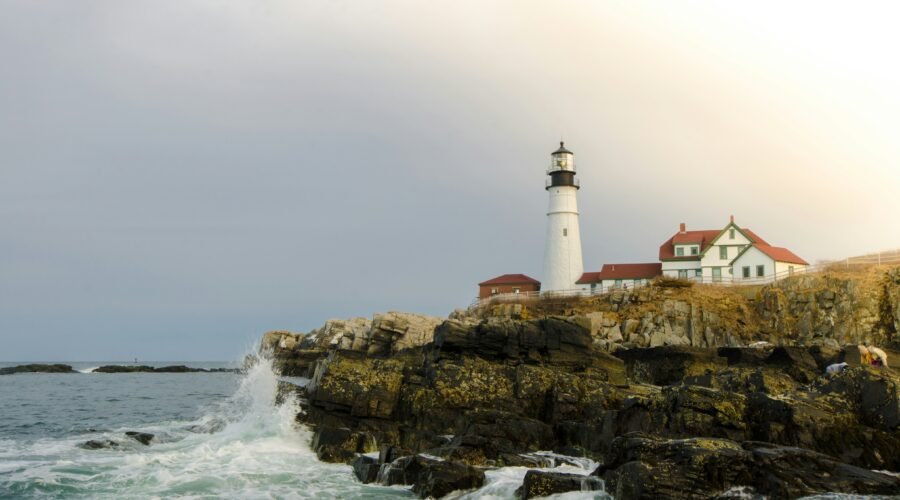
- Portland Head Light: Located in Cape Elizabeth at Fort Williams Park, this historic lighthouse offers striking ocean views and walking paths.
- Bug Light: Portland Breakwater Light stands in South Portland and provides attractive views toward the city and harbor.
- Spring Point Ledge Light: Another South Portland landmark, reached along a stone breakwater when conditions permit.
Fort Williams Park is open year-round from sunrise to sunset. The Portland Head Light museum operates seasonally, and the lighthouse tower is generally closed to ordinary daily visits.
For the current parking system, museum hours, and access details, consult the official Portland Head Light visitor page.
Ferry to the Islands
A ferry trip is an enjoyable way to see Casco Bay and explore a different side of the Portland area.
- Peaks Island: A popular choice for cycling, walking, coastal views, and a relaxed half-day or full-day visit.
- Little Diamond Island: A quieter island with a more residential character.
- Great Diamond Island: An option for visitors interested in island scenery and a slower pace.
Casco Bay Lines operates year-round ferry service, but schedules vary by route and season.
Check the official Peaks Island schedule before planning your return journey.
Bicycles and dogs require separate tickets under the operator’s published fare rules.
Note: Do not assume every island has the same visitor facilities, walking access, or dining options. Check the specific island and ferry route before departing.
Indulge in Portland’s Culinary Scene
Portland has a varied dining scene, and food can easily become one of the highlights of a visit.
- Fresh seafood: Try lobster rolls, oysters, clams, and locally prepared fish.
- Craft breweries: Explore the area’s independent brewing scene where appropriate.
- Farm-to-table restaurants: Look for seasonal menus featuring Maine ingredients.
- Food tours: Consider a guided experience if you want to sample several local specialties.
Reserve popular restaurants ahead of time during busy summer weekends and special events.
Arts and Culture
Portland’s art scene offers plenty to do when the weather is less inviting.
- Portland Museum of Art: Explore a collection that includes American and contemporary art.
- Independent galleries: Discover work by local and regional artists.
- Live performances: Check the schedules of venues such as the State Theatre and Merrill Auditorium.
- Bookstores and creative spaces: Enjoy a slower afternoon browsing the city’s cultural attractions.
The Portland Museum of Art lists adult admission at $20 and offers free general admission on Fridays from 4–8 p.m., according to its published visitor information.
Beaches and Summer Activities
Summer visitors may also want to include a beach day.
Options in and around Greater Portland include East End Beach, Willard Beach in South Portland, and Crescent Beach State Park in Cape Elizabeth.
July and August are more suitable for traditional beach activities than spring or late fall.
However, Maine’s ocean water remains relatively cool even during summer. Swimming conditions, tides, water quality advisories, and lifeguard availability should be checked locally.
Suggested Portland Itinerary by Trip Length
You do not need a long vacation to enjoy the city, although additional days allow more time for nearby coastal attractions.
One-Day Visit
- Explore the Old Port in the morning.
- Enjoy lunch at a local restaurant.
- Visit the Eastern Promenade or Portland Museum of Art.
- Finish with dinner near the waterfront.
Two-Day Visit
- Day one: Explore the Old Port, waterfront, and downtown cultural attractions.
- Day two: Visit Portland Head Light and other nearby coastal viewpoints, or take a Peaks Island ferry trip.
Three-Day Visit
- Spend the first day exploring downtown Portland.
- Dedicate the second day to lighthouses and coastal scenery.
- Use the third day for an island visit, museums, food experiences, or a nearby town.
For longer stays, Freeport and Kennebunkport are additional regional destinations worth considering if you have suitable transportation.
6. Getting Around Portland: Transportation Tips
Getting around Portland is relatively straightforward, particularly if you’re staying near downtown.
Walking works well for many central attractions, while buses, rideshares, ferries, and rental cars can help you explore farther away.
Arriving in Portland
- Portland International Jetport (PWM): Located a few miles from downtown, with rental cars and other ground transportation available.
- Taxis and rideshares: Convenient for airport transfers, although prices vary by demand and destination.
- Rental cars: Useful for visiting lighthouses, beaches, and nearby towns.
- Public transit: Greater Portland Metro Route 7 connects the Jetport with downtown Portland.
- Amtrak Downeaster: Provides rail connections between Portland, Boston, and other destinations along the route.
Portland’s Amtrak station is located at the Portland Transportation Center, 100 Thompson’s Point Road. It is not in the downtown core.
Plan to use a bus, taxi, or rideshare if your accommodation is in the Old Port or another downtown neighborhood.
Check the official Portland station information for current details.
Getting Around the City
- Walking: Convenient for the Old Port, downtown shops, restaurants, and several cultural attractions.
- Greater Portland Metro: Serves Portland and surrounding communities.
- Taxis and rideshares: Useful for evenings, airport transfers, and attractions outside the downtown area.
- Biking: An option for exploring suitable city streets and trails.
- Rental cars: Helpful for coastal day trips and attractions with limited transit access.
The Eastern Promenade is a pleasant area for walking and cycling when conditions are suitable.
Use the official Greater Portland Metro route information to check current schedules and service changes.
Parking in Portland
Parking can become challenging in the Old Port and other popular downtown areas.
- Street parking: Check meter rules, posted time limits, and restrictions.
- Parking garages: Useful when you want a more predictable parking location.
- Hotel parking: Confirm whether parking is included in your room rate.
- Park-and-ride options: Consider approved parking locations and transit connections when appropriate for your route.
Fort Williams Park has its own parking system. The published visitor parking charge is $6 for the first two hours in paid areas, followed by $2 per additional hour. A free overflow lot is also listed by the park.
Always follow the posted parking rules and current payment instructions at your destination.
Do You Need a Car in Portland?
You can enjoy much of central Portland without renting a car.
A downtown stay makes walking, dining, shopping, and museum visits relatively easy.
A car becomes more useful when you want to explore multiple lighthouses, visit beaches outside the city, or take longer trips along the Maine coast.
If you plan only one distant excursion, compare the cost of a short rental with a guided tour or rideshare before committing to a vehicle for your entire stay.
Frequently Asked Questions
1. What is the best time of year to visit Portland, Maine, for favorable weather?
June through September generally offers comfortable conditions for outdoor activities. July and August are the warmest months, while June and September may appeal to visitors who prefer milder weather.
2. When is peak tourist season in Portland, Maine?
June through August is the main summer travel season. July and August are particularly popular for waterfront activities, beaches, island visits, and family vacations.
3. What is the off-peak season in Portland, Maine?
Winter is generally the quietest travel period, particularly January and February outside special events. Late fall and early spring can also be quieter than summer, although holiday and event schedules affect demand.
4. When is the best time to visit Portland, Maine, to avoid crowds?
May, September, and quieter off-season periods are useful choices. Visiting during the middle of the week can also help, especially when your dates are flexible.
5. What is the most cost-effective time to visit Portland, Maine?
Late fall, winter, and early spring can offer opportunities for accommodation savings. Compare real room prices for your dates, including taxes, parking, and other charges. Holidays and special events can increase prices even outside summer.
6. When is the best time to see fall foliage near Portland?
Mid-to-late October is the typical peak or near-peak foliage period in southern coastal Maine. Actual timing changes each year, so check the Maine Forest Service’s current foliage reports.
7. Is Portland, Maine, worth visiting in winter?
Yes, if you enjoy quieter city breaks, museums, restaurants, and winter scenery. Pack for cold conditions and confirm seasonal attraction hours. Snow and ice can affect travel plans.
8. When can you swim at beaches near Portland?
July and August are generally the most suitable months for traditional beach trips, although Atlantic water temperatures remain cool. Check local swimming conditions, tides, and beach advisories.
9. Can you visit Portland, Maine, without a car?
Yes. Downtown Portland is walkable, and public transit, ferries, taxis, and rideshares provide additional transportation options. A car is more useful for visiting several coastal attractions and nearby towns.
Sources
- NOAA — Portland International Jetport Climate Normals, 1991–2020 — monthly temperatures, precipitation, and snowfall.
- Maine Forest Service — When and Where to Visit — typical fall foliage timing across Maine.
- Casco Bay Lines — Passenger Ferry Fares — published seasonal passenger prices and fare rules.
- Portland Museum of Art — Visitor Information — admission prices, opening hours, and free admission periods.
- Portland Head Light and Fort Williams Park — Visitor Information — park access, parking charges, museum admission, and lighthouse access.
- Amtrak Downeaster — Portland Station — station location, facilities, and transportation connections.