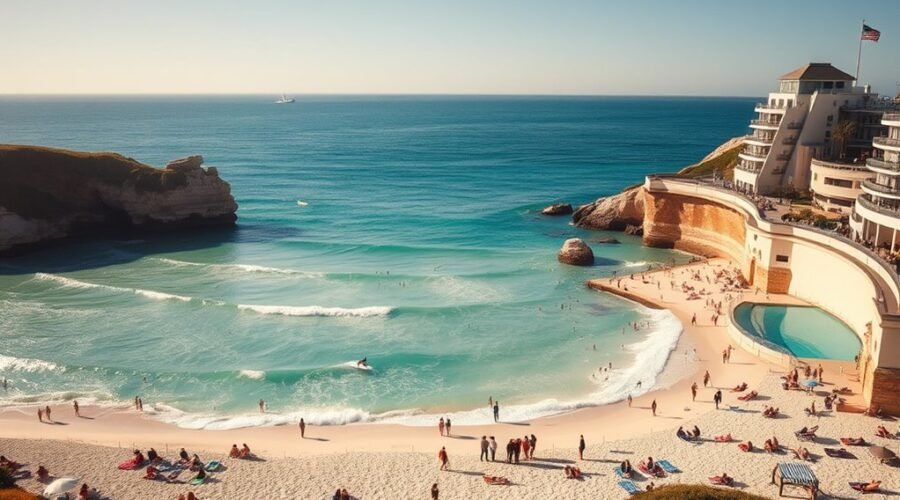
The best time to visit Bondi Beach depends on whether you want warm-water swimming, a quieter coastal walk, or a budget-friendly Sydney getaway. Australia’s seasons run opposite to those in the Northern Hemisphere, so December is summer and July is winter. Bondi is worth visiting year-round, but the weather, crowds, surf conditions, and accommodation costs change considerably.
Quick Answer
For classic beach weather, visit Bondi Beach from December to February. March and April offer an excellent balance of warm water and smaller crowds. September and October suit coastal walks and milder days, although major events attract visitors. Winter, from June to August, is best for peaceful sightseeing and cooler-weather activities.
Last checked: October 23, 2026. Key dates, climate figures, beach rules, and visitor information were verified against official sources.
Key Takeaways
Key Takeaways
- December–February brings the warmest beach weather, summer holidays, and the busiest swimming season.
- March–April offers pleasant coastal weather and seawater that often remains comfortable for swimming.
- September–November is excellent for coastal walks, outdoor art, and spring activities, but event weekends can be crowded.
- June–August brings cool mornings, quieter beaches, whale-watching opportunities, and winter cultural events.
- Weekday visits, public transport, flexible accommodation bookings, and travel outside school holidays can help control costs.
When Is the Best Time to Visit Bondi Beach? (Quick Answer)
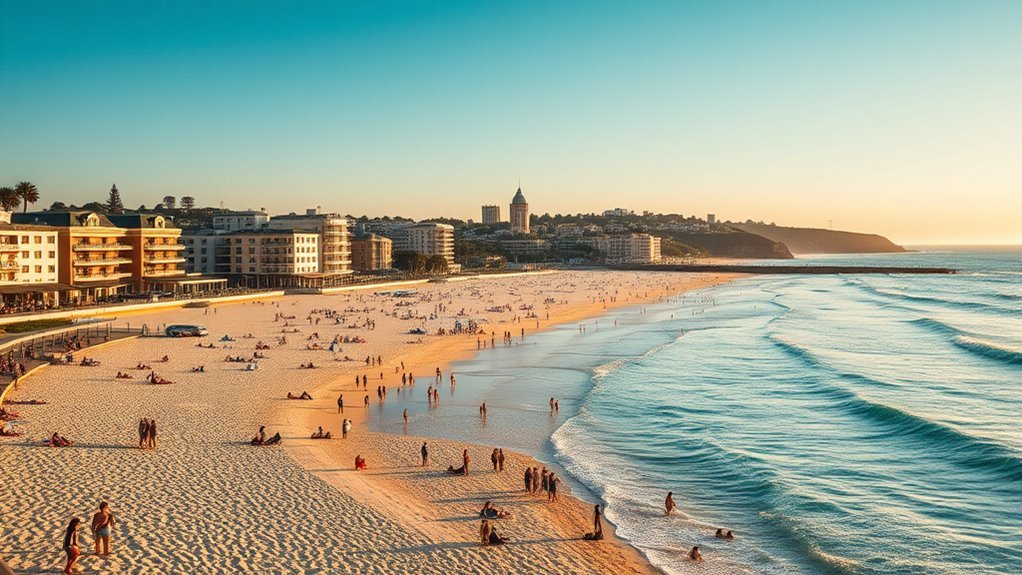
November through March is the broadest window for enjoying Bondi’s warm-weather atmosphere. However, not every month provides the same experience. December and January are lively and crowded, while March often combines warm seawater with a calmer beachfront.
If you want the most comfortable balance, March and April are particularly appealing. You can still enjoy beach activities while avoiding much of the Christmas and January holiday rush.
September and October are good alternatives for sightseeing, photography, and walking. Temperatures are milder, although the water can still feel cool after winter.
Keep in mind that quieter months do not guarantee empty beaches. Sunny weekends, public holidays, school breaks, and major outdoor events can attract large crowds at any time of year.
Which Month Should You Choose?
- January or February: Best for summer beach energy, swimming, and long daylight hours.
- March: An excellent choice for warm water without the full summer holiday rush.
- April: Ideal for comfortable walks, relaxed cafés, and late-season swims.
- September: Good for spring scenery, photography, and cooler outdoor activities.
- October: Attractive for coastal walking and outdoor art, although major events can make popular areas busy.
- July: A strong choice for winter culture, whale watching, and uncrowded coastal scenery.
If you can choose both the month and the day, a weekday outside school holidays will often give you a more relaxed visit than a sunny weekend.
Bondi Weather by Season (Temps, Rain, Sea Conditions)
Bondi Beach has warm summers, mild spring and autumn weather, and comparatively cool winters. Its coastal location moderates temperatures, but winds, rain, and ocean conditions can change quickly.
The following figures come from the Bureau of Meteorology’s Sydney (Observatory Hill) climate records, station 066062. These are historical Sydney averages, not direct measurements at Bondi Beach. The Observatory Hill station closed in August 2020, but its long-term figures remain useful for general seasonal comparisons.
| Season | Average Daily High | Average Daily Low | Best For |
|---|---|---|---|
| Spring (Sep–Nov) | 20.1–23.7°C | 11.1–15.7°C | Walking, outdoor art, photography |
| Summer (Dec–Feb) | 25.3–26.0°C | 17.6–18.9°C | Beach days, swimming, surf lessons |
| Autumn (Mar–May) | 19.5–24.8°C | 11.6–17.6°C | Late-season swims, coastal walks |
| Winter (Jun–Aug) | 16.4–17.9°C | 8.1–9.3°C | Whale watching, cafés, quieter visits |
These figures describe average daily maximum and minimum temperatures across each three-month season. Individual days can be much hotter or colder.
How Warm Is the Water at Bondi Beach?
Sydney’s ocean is warmest around summer and remains relatively mild into early autumn. According to Tourism Australia’s Sydney weather guide, typical summer water temperatures range from 21.9°C to 23.7°C.
In March and April, water temperatures are commonly around 22–23°C. By winter, typical Sydney seawater temperatures drop to approximately 18.8–19.3°C.
These are regional seasonal figures rather than guaranteed daily temperatures at Bondi. Wind, swell, and local ocean conditions can affect how comfortable the water feels.
For visitors who dislike cold water, February and March are particularly attractive. Winter surfers often use wetsuits, while year-round swimmers may still enter the ocean or use an ocean pool.
Does It Rain Much at Bondi?
Bondi can experience rain in every month, so winter is not the only wet season. Sydney’s historical Observatory Hill records show average rainfall of 131.6 mm in March and 133.1 mm in June, compared with 68.1 mm in September.
However, monthly averages do not predict individual travel days. You may get several clear winter days or encounter heavy showers during a summer holiday.
Pack sunscreen, a hat, a reusable water bottle, and a lightweight waterproof layer. In winter and early spring, add a warmer jacket for windy mornings and evenings.
Which Season Has the Best Surf Conditions?
Bondi has surf throughout the year, but wave size and difficulty change with the swell, wind, and tide. Summer can bring smaller, more approachable conditions on some days, while winter southerly swells may produce larger waves.
Neither season guarantees easy surfing. A sunny day can still have dangerous rip currents, and wave conditions can change during a single session.
If you’re a beginner, book a lesson with a qualified instructor who can choose a suitable area for the day’s conditions. Experienced surfers should use current surf forecasts rather than relying on seasonal averages alone.
Bondi Crowds by Season : Busiest Days and Quiet Windows
Bondi is generally busiest during summer weekends, public holidays, and major events. Weekday mornings are usually quieter, although swimmers, surfers, runners, and local residents use the beach throughout the year.
For a peaceful walk or photographs, arrive around sunrise. For swimming, plan your visit during lifeguard patrol hours rather than assuming the earliest hours are the safest.
When Are Bondi’s Busiest Periods?
- December–January: Summer holidays, Christmas, New Year, and hot weekends attract visitors.
- February: Summer weekends remain popular, although ordinary weekdays can feel calmer after schools reopen.
- March–April: Generally more relaxed, but Easter and other long weekends can cause temporary crowd increases.
- July: Winter tourism is quieter overall, although school holidays and festivals attract families and event visitors.
- September–November: Coastal events, spring school holidays, and sunny weekends can bring substantial crowds.
School Holidays and Busy Dates in 2026–2027
The NSW Government school holiday calendar lists the following periods for public schools in Sydney’s Eastern Division:
- Spring 2026: September 28 to October 9.
- Summer 2026–2027: December 18, 2026, to January 27, 2027.
Summer accommodation demand can increase during these breaks, particularly around Christmas and New Year.
The NSW public holiday calendar also confirms that Easter 2027 runs from Good Friday, March 26, through Easter Monday, March 29. This is another period when a mild-weather visit may coincide with busy holiday travel.
Major Events That Can Change Crowd Levels
Some of Bondi’s busiest days happen outside summer. For example, the annual Festival of the Winds brings a large kite display and family activities to the beach in September. The 2026 event took place on September 13.
Spring also brings Sculpture by the Sea, a free outdoor exhibition along the Bondi-to-Tamarama coastal walk. In 2026, it runs from October 16 to November 2, displaying approximately 100 sculptures across a 2 km coastal exhibition route.
This event is a major reason October should not automatically be described as a quiet month. Weekdays are generally better for exploring the artwork without the largest weekend crowds.
During winter, Bondi Festival brings arts, performances, and family activities to the beachfront. Its 2026 program ran from July 3 to July 19.
Local events, including runs, performances, and beachfront activities, may also affect access and parking on particular days.
What Time of Day Is Bondi Least Crowded?
Early weekday mornings usually provide the quietest atmosphere. This is a good time to photograph the beach, walk the promenade, or watch surfers from the shore.
Waverley Council’s published lifeguard patrol hours are:
- October–April: 6am–7pm, every day.
- May–September: 7am–5:30pm, every day.
Warning: Swim between the red and yellow flags during lifeguard patrol hours. Bondi can have dangerous rip currents, even when the beach looks calm. Never assume that an empty beach or quiet morning means the water is safe.
For peaceful sightseeing rather than swimming, early mornings and late weekday afternoons are excellent choices.
Bondi Costs & Accommodation Trends : Cheapest Months and Tips
Bondi accommodation is often more expensive when beach demand is strongest, particularly during summer holidays and major events. Autumn and winter may provide better-value stays, although prices depend on your dates, property type, and booking conditions.
There is no guaranteed cheapest month for every hotel or hostel. A quiet winter weekday may cost less than a summer Saturday, but an event or special booking requirement can change that pattern.
When Is Accommodation Usually Cheaper?
March through May and the cooler winter months are sensible periods to search for lower rates. September and parts of October can also offer reasonable options, but spring events may increase demand.
If you’re traveling on a budget, compare accommodation in Bondi Beach itself with options around Bondi Junction and nearby eastern suburbs.
Staying directly beside the beach offers convenience, but a property closer to public transport may help you avoid paying extra for a prime beachfront location.
How Can You Save Money at Bondi?
- Travel midweek: Compare Tuesday-to-Thursday stays with Friday and Saturday nights.
- Consider hostels: Dormitory accommodation or simple guesthouses may cost less than beachfront hotels.
- Use refundable bookings: Flexible cancellation terms allow you to reconsider your accommodation if your plans change.
- Compare surf lessons: Some operators advertise quieter-time or discounted sessions, but offers vary and should not be assumed.
- Use public transport: Parking near the beach is limited and may add to your expenses.
- Prepare simple meals: A hostel kitchen or accommodation with cooking facilities can reduce restaurant spending.
- Choose free activities: Beach visits, coastal walks, and public art provide plenty to enjoy without a paid tour.
Booking early is usually sensible for Christmas, January holidays, and major spring events. Last-minute cancellations can occasionally produce deals, but waiting also risks fewer choices or higher rates.
Is Parking at Bondi Expensive?
Parking is limited near the beachfront, especially on sunny weekends. Metered street spaces and nearby paid parking facilities are available, but charges vary by location and duration.
If you drive, allow extra time to find a legal space and read parking signs carefully. Large events can bring temporary restrictions and road closures.
For many visitors, public transport is the easier choice.
Top Things to Do at Bondi Each Season
Bondi has much more to offer than swimming. The changing seasons make it suitable for surfing, outdoor art, coastal running, whale watching, markets, cafés, and photography.
Spring (September–November): Coastal Walks and Outdoor Art
Spring is particularly enjoyable for exploring the coastline. Temperatures rise, coastal plants begin flowering, and the longer daylight hours make walking more comfortable.
Try these activities:
- Walk from Bondi toward Tamarama or Bronte and enjoy ocean views.
- Visit the annual Sculpture by the Sea exhibition when it is running.
- Explore Bondi Pavilion, surrounding cafés, and local galleries.
- Watch seasonal surfing and community events.
- Photograph the sunrise or spring coastal scenery.
Spring is also a good time to explore the area’s weekend markets. However, sunny Saturdays and Sundays can still be lively, so a weekday walk may be more peaceful.
Summer (December–February): Swimming, Surfing, and Beach Life
Summer delivers Bondi’s classic beach atmosphere. Warm weather, long days, and holiday activity make it ideal for travelers who enjoy a busy seaside setting.
Popular activities include:
- Swimming inside the patrolled flags.
- Taking a beginner surf lesson or renting suitable equipment.
- Joining an organised sunrise yoga or fitness session when available.
- Relaxing on the sand or visiting an ocean pool.
- Enjoying beachfront cafés, restaurants, and evening entertainment.
Summer sun can be intense, so bring drinking water and use sun protection. Early and later daylight hours are often more comfortable for walking than the hottest part of the afternoon.
Surf etiquette matters during crowded sessions. Give other surfers enough space, respect priority on waves, and follow the instructor’s guidance if you are learning.
Autumn (March–May): Relaxed Swims and Coastal Runs
Autumn is an excellent season for visitors who want comfortable weather without the full summer rush. The ocean often stays relatively warm in March and April, while the air gradually becomes cooler.
Good options include:
- Swimming on suitable patrolled days.
- Running or walking the coastal paths.
- Visiting ocean pools and beachfront cafés.
- Browsing weekend markets and independent shops.
- Watching the coastline begin to change toward winter.
Late autumn also marks the beginning of whale migration along the NSW coast. Sightings are not guaranteed, but ocean-facing headlands can provide viewing opportunities.
Winter (June–August): Whale Watching and Cozy Cafés
Winter is Bondi’s quieter season for beach tourism. Although the air and ocean are cooler, clear winter days can be excellent for walking, photography, and watching the sea.
Consider these activities:
- Look for migrating whales from suitable coastal viewpoints.
- Visit Bondi Pavilion and nearby cultural venues.
- Enjoy cafés overlooking the beach.
- Watch winter surf from a safe location.
- Attend seasonal arts events such as Bondi Festival.
- Explore ocean pools if you are comfortable with cooler water and current operating conditions.
Winter can bring powerful southerly swells and dramatic weather. Watch storms from sheltered locations rather than exposed rocks or cliff edges.
Bondi Markets: What Is Open on Weekends?
Bondi has established weekend markets rather than relying only on occasional evening pop-ups.
The official Bondi Markets schedule lists:
- Bondi Farmers Market: Saturdays, 9am–1pm.
- Bondi Markets: Sundays, 10am–4pm.
Both operate at Bondi Beach Public School, near Campbell Parade. The farmers market features fresh produce and food, while the Sunday market focuses on fashion, handmade goods, art, vintage items, and local designers.
Seasonal night markets and pop-up events may also take place, but their dates and availability vary.
How to Pick the Best Time for Your Trip (Sun, Crowds, Budget)
The easiest way to choose your Bondi travel dates is to decide which part of the experience matters most. A visitor planning daily swims needs different conditions from someone interested in photography, cafés, or quiet coastal walks.
If Your Priority Is Warm Water
Choose December through March, with February and March particularly appealing for comfortable ocean temperatures.
Remember that warm water does not guarantee safe surf. Lifeguard instructions and current ocean conditions still determine where you should swim.
If Your Priority Is Avoiding Crowds
Choose ordinary weekdays in autumn or winter. May, June, and August can provide a calmer atmosphere, particularly outside school holidays and events.
For a warm-weather compromise, March and April weekdays are good choices.
If Your Priority Is Saving Money
Compare midweek stays outside summer school holidays and major events. Winter and parts of autumn may offer better accommodation value.
Choosing accommodation near transport can also reduce the need for taxis and paid parking.
If Your Priority Is Photography and Coastal Walks
September, October, April, and May are attractive options because temperatures are generally comfortable for outdoor activities.
Sunrise offers soft light over Bondi’s east-facing beach. Winter can provide dramatic skies, while spring brings outdoor art and coastal color.
How Long Is the Bondi to Coogee Coastal Walk?
The Bondi to Coogee Coastal Walk is approximately 6 km one way and usually takes two to three hours, depending on your pace and stops.
Along the route, you’ll pass Tamarama, Bronte, Clovelly, and several coastal viewpoints before reaching Coogee.
The route includes stairs and uneven or steep sections, so it is not suitable as a continuous wheelchair-accessible or stroller-friendly walk.
If you want a shorter outing, walk from Bondi toward Tamarama or Bronte and return when you are ready.
How Do You Get to Bondi Beach?
Bondi Beach does not have its own train station. You can take a train to Bondi Junction and continue by bus, or use a direct bus service from parts of central Sydney.
Transport for NSW’s Bondi travel guidance identifies route 333 between Circular Quay, Bondi Junction, and Bondi Beach. Route 380 also serves the Bondi Junction and North Bondi area.
Ferries do not travel directly to Bondi Beach. If you arrive at Circular Quay by ferry, continue by bus or connect through the rail network.
Bike rentals and walking can be useful for exploring nearby streets, although bicycles are not permitted on Bondi’s beachfront promenade.
When selecting accommodation, consider how easily you can reach a bus stop or Bondi Junction. This can be more useful than paying extra for parking.
Is Bondi Beach Accessible for Wheelchair Users?
Bondi’s promenade and parts of its public facilities offer accessible routes. However, moving onto soft sand requires additional equipment, and the full coastal walk is not wheelchair accessible.
Waverley Council’s Access Bondi program provides beach wheelchairs for adults and children, with bookings required.
Published beach-matting times are:
- Tuesday: 8am–1pm.
- Thursday: 8am–1pm.
- Saturday: 8am–6pm.
These arrangements depend on weather and surf conditions. The accessible beach ramp is at North Bondi, near Wally Weekes children’s pool.
Accessible toilets are available near North Bondi and Bondi Pavilion. The Pavilion also has an adult changing facility.
What Should You Know Before Visiting Bondi?
Waverley Council’s Bondi Park rules explain several important visitor restrictions.
- Dogs are prohibited on Bondi Beach, its intertidal areas, and ocean pools, except permitted assistance animals.
- Dogs in permitted park areas must remain on a leash.
- Smoking is prohibited on the beach and at ocean pools.
- Camping and overnight stays in the park are prohibited.
- Bicycles, skateboards, and rollerblades are not permitted on the promenade.
Free public facilities include toilets, beach access, and designated public barbecue areas. Paid activities and services, such as certain ocean pools, surf lessons, and parking, have separate conditions.
Frequently Asked Questions
Are Dogs Allowed on Bondi Beach Year-Round?
No. Dogs are prohibited on Bondi Beach throughout the year, not just during summer. Permitted assistance animals are an exception. Dogs may use designated nearby park paths and areas while leashed, according to local rules.
Is Bondi Beach Wheelchair Accessible?
Yes, parts of Bondi Beach are wheelchair accessible. The promenade has level access, and beach wheelchairs and scheduled matting help visitors reach the sand. Beach wheelchairs require advance booking, and matting depends on conditions.
Can I Surf at Bondi as a Complete Beginner?
Yes, complete beginners can learn to surf at Bondi Beach. A qualified instructor can provide a suitable board, explain surf etiquette, and select an appropriate area. Lessons depend on daily wave and weather conditions.
Are There Food Markets Near Bondi Beach?
Yes. Bondi Farmers Market operates on Saturdays from 9am to 1pm at Bondi Beach Public School. Sunday Bondi Markets operate from 10am to 4pm and feature food, fashion, art, and handmade products.
What Public Transport Options Serve Bondi Beach?
Buses are the main public transport option serving Bondi Beach. Route 333 connects the beach with Bondi Junction and central Sydney. Trains stop at Bondi Junction, not the beachfront, and ferries do not serve Bondi directly.
When Is the Water Warmest at Bondi Beach?
The water is generally warmest in late summer and early autumn. February and March are especially appealing for swimming. Sydney’s typical summer sea temperatures range from 21.9°C to 23.7°C, although daily conditions vary.
Is Bondi Beach Free to Visit?
Yes. You can visit Bondi Beach, relax on the sand, and walk the public promenade without paying an entrance fee. Extras such as surf lessons, some ocean pools, food, and parking may cost money.
Conclusion
The best time to visit Bondi Beach depends on your priorities. Choose December–February for classic summer beach days, March–April for warm water with a more relaxed atmosphere, September–October for coastal walks, or winter for quieter sightseeing and cultural events.
Once you’ve chosen your season, aim for weekdays outside school holidays when possible. Plan around lifeguard hours, use public transport, and leave time to enjoy the beach at your own pace.
Sources
- Bureau of Meteorology — Sydney (Observatory Hill) Climate Statistics: Historical monthly temperatures, rainfall, and station information.
- Tourism Australia — Sydney Weather: Seasonal temperatures, seawater temperatures, and seasonal travel conditions.
- Waverley Council — Beaches and Coast: Lifeguard patrol seasons and operating hours.
- NSW Government — School Holidays: Official school holiday periods for 2026–2027.
- NSW Government — Public Holidays: Easter and other public holiday dates.
- Sculpture by the Sea — Bondi: Official exhibition information, location, and 2026 dates.
- Bondi Festival — Visitor Information: Winter festival information and 2026 event dates.
- Bondi Markets: Official Saturday and Sunday market schedules.
- Waverley Council — Bondi Park: Parking, public facilities, accessibility features, and visitor restrictions.
- Waverley Council — Access Bondi: Beach wheelchairs, accessible facilities, and beach-matting arrangements.
- Transport for NSW — Bondi Event Travel: Train, bus, and ferry connections, including routes 333 and 380.
- Destination NSW — Bondi to Coogee Coastal Walk: Walking distance, duration, route conditions, accessibility limitations, and whale-watching opportunities.