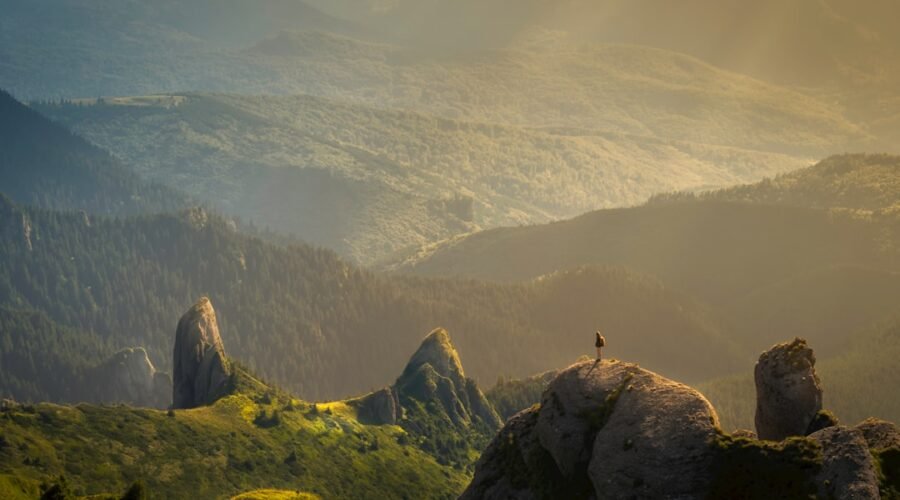
The best time to visit Davraz Mountain in Isparta, Turkey, depends on whether you want snow, mountain scenery, or outdoor adventures. Winter draws skiers and snowboarders, while warmer months bring hiking trails, wildflowers, and views across the Lake District. Weather changes sharply with elevation, so choosing the right month makes a big difference.
Quick Answer
January and February are generally the best months to plan a ski trip to Davraz Mountain, although snow conditions determine when lifts actually open. For hiking, green landscapes, and comfortable sightseeing, choose May to June or September to October. Summer suits mountain escapes, while November and early winter are less reliable for outdoor activities.
Last checked: October 23, 2026. Historical weather data, published event dates, school holidays, and available ski-season information were checked against official and established sources.
Key Takeaways
- Davraz is a snow-dependent resort. Its 2025–26 ski season opened on January 14, 2026, illustrating why December skiing cannot be guaranteed.
- The Turkish school holiday from January 25 to February 5, 2027, could create heavier demand during the coming winter season.
- May and June are attractive for wildflowers, nature walks, and combining Davraz with Isparta‘s rose-growing culture.
- July and August offer outdoor recreation, including trekking and mountain biking, but exposed trails can still become hot and sunny.
- September and October are good choices for quieter sightseeing and photography, although autumn weather becomes less predictable later in the season.
Best Time to Visit Davraz Mountain: Month-by-Month Guide
For skiing, focus on midwinter. For walking and scenery, the warmer months provide more flexibility. The table below compares all 12 months, including weather patterns and the main reasons to visit.
The temperatures come from the Turkish Meteorological Service’s official Isparta climate statistics, using historical observations through 2025. These are monthly average temperatures for Isparta city, not measurements at Davraz’s ski slopes. The mountain is higher, so conditions can be substantially colder.
| Month | Isparta City Average | Best Reasons to Visit | Crowd and Cost Outlook |
|---|---|---|---|
| January | 1.9°C | Skiing, snowboarding, and winter scenery when lifts operate. | Potentially busy, especially during school holidays; winter accommodation demand can be high. |
| February | 3.0°C | Midwinter skiing, snow activities, and mountain views. | Busy holiday periods and weekends; quieter weekdays are possible. |
| March | 6.1°C | Late-season skiing when snow survives; early spring scenery. | Variable; March 2027 school and religious holidays may increase demand. |
| April | 10.9°C | Spring sightseeing and possible late snow at higher elevations. | Often quieter after ski operations end; potential accommodation value. |
| May | 15.5°C | Spring greenery, flowers, and nature photography. | Usually moderate or low, except holidays and popular weekends. |
| June | 20.0°C | Hiking and rose-season activities; Isparta’s 2026 Rose Festival ran June 5–7. | Moderate; festival dates can increase demand in Isparta. |
| July | 23.5°C | Trekking, mountain biking, and summer mountain trips. | Moderate seasonal visitors; summer resort services vary. |
| August | 23.5°C | Summer scenery, walking, cycling, and lavender landscapes. | Moderate, particularly around weekends and holiday travel. |
| September | 19.0°C | Comfortable walking, landscape photography, and quieter day trips. | Often lower demand after summer vacations. |
| October | 13.5°C | Autumn scenery and cool-weather hiking. | Generally quieter, with possible holiday weekend demand. |
| November | 8.0°C | Quiet mountain scenery and the transition toward winter. | Often low demand; mountain weather can restrict activities. |
| December | 3.8°C | Possible early skiing and snow-covered mountain scenery. | Variable; holidays and actual lift openings drive demand. |
How to use this table: Choose your month based on the activity you want, then plan for colder weather at Davraz’s higher elevations. Crowd and cost descriptions are seasonal planning guidance, not measured monthly visitor or hotel-price statistics.
1. Winter at Davraz: Best Time for Skiing and Snowboarding
Winter is the main season for skiing and snowboarding at Davraz Ski Center. January and February are generally the strongest months to target, but snowfall, snow quality, and lift operations determine whether skiing is possible on a particular day.
According to the Isparta Provincial Directorate of Culture and Tourism, Davraz Mountain rises to 2,635 meters. The ski resort occupies its northern slopes, with runs extending across different elevations.
The tourism authority describes 14 ski runs totaling approximately 25 kilometers, including blue routes for beginners, red routes for intermediate skiers, and black routes for advanced skiers. The available terrain also offers views toward Lake Eğirdir.
Peak Ski Season: January to February
January and February usually offer the best chance of established winter sports conditions. However, even midwinter does not guarantee open lifts or full access to every slope.
- What to Expect: Skiing, snowboarding, snow play, equipment rental, and lessons during resort operating periods. Families can also enjoy designated snow activities where available.
- Weather: Freezing temperatures, snowfall, and icy conditions are possible. Wind and poor visibility can affect exposed slopes even when snow cover is good.
- Crowds: Expect the greatest pressure on busy winter weekends and school holidays. Lift queues, rental areas, and cafés may be crowded.
- Costs: Accommodation near the resort can become more expensive when skiing demand is strong. Lift passes, rentals, lessons, meals, and transportation add to the daily budget.
The most useful lesson from recent operations is that the calendar does not guarantee a ski season. Anadolu Agency’s March 2026 report confirmed that the 2025–26 Davraz season opened on January 14, 2026, following snowfall.
The season was subsequently extended as conditions allowed, with April 12, 2026, announced as the final operating day, subject to suitable weather and snow conditions.
Early and Late Ski Season: December, March, and April
December and late March can offer skiing, but they are less dependable than the main winter period. April sometimes remains suitable at higher elevations, while November is generally too early to rely on for skiing.
- December: Early snow may create opportunities, but lifts might not open until enough snow accumulates.
- March: Skiing can continue when snow cover is adequate. Softer afternoon snow may develop as temperatures rise.
- April: Remaining snow may support an extended season, although lower slopes can become wet, patchy, or inaccessible.
- November: Early snowfall is possible, but it is better treated as a winter-transition month rather than a dependable ski holiday period.
These months can suit flexible travelers who are willing to adjust their plans. However, cheaper accommodation is not necessarily a bargain if skiing is unavailable.
Warning: Davraz is a high mountain environment. Snow, ice, fog, and strong winds can make driving and outdoor activities hazardous. Use suitable winter tires and equipment when conditions require them, and avoid exposed mountain routes when visibility or weather deteriorates.
2. Spring at Davraz: Snowmelt, Wildflowers, and Green Landscapes
Spring is one of the most attractive times to experience Davraz without making skiing the main purpose of your trip. The lower mountain gradually becomes greener, while the upper slopes may retain snow well into the season.
The contrast between snow patches, rocky ridges, and new vegetation makes spring especially rewarding for photographers and nature lovers.
Early Spring: March to April
March and April mark the transition from winter sports to outdoor sightseeing. Snow can remain at higher elevations even when roads and lower slopes are becoming clear.
- What to Expect: Melting snow, early plant growth, changing mountain colors, and possible late-season ski activity.
- Weather: Conditions are variable. Sunny afternoons may feel pleasant, but cold winds and freezing temperatures remain possible higher up.
- Crowds: Demand may decrease after the main winter holiday period, although an extended ski season can still attract visitors.
- Costs: Accommodation value may improve once winter sports demand drops, but available mountain services can also become more limited.
For hiking, focus on accessible lower-elevation paths rather than assuming all mountain routes are free of snow. Meltwater and wet ground can make trails slippery.
Late Spring: May
May is an appealing month for greenery, wildflowers, and quieter mountain sightseeing. It is better for travelers interested in nature than those looking for snow sports.
- What to Expect: More visible vegetation, mountain views, changing wildflower displays, and opportunities for walking or photography.
- Weather: Conditions generally become milder. Rain and cool mountain air remain possible, particularly at higher elevations.
- Crowds: Usually quieter than the busiest ski weekends, except around public holidays and popular local travel periods.
- Costs: Off-peak accommodation offers may be available, especially away from major holidays.
Wildflower timing varies with elevation and the year’s weather. A warm spring can bring earlier growth, while lingering snow can delay flowers on higher slopes.
May also works well if you want to combine Davraz with Isparta’s rose-growing areas. The region’s flowering season becomes an additional attraction as spring moves toward June.
3. Summer at Davraz: Hiking, Outdoor Sports, and Mountain Air
Summer gives Davraz a different identity from its winter ski-resort image. Instead of snow-covered runs, you can experience rocky ridges, vegetation, open views, and outdoor recreation.
The Isparta tourism authority identifies trekking, mountain biking, mountaineering, paragliding, and organized sports camps among the mountain’s summer activities. However, commercial services and individual activities may not operate every day.
Early Summer: June
June is a particularly attractive month for walking and photography. The landscape is often green, and the days are long enough for a relaxed mountain outing.
- What to Expect: Hiking, seasonal flowers, mountain scenery, and opportunities to combine the visit with Isparta’s rose attractions.
- Weather: Generally warmer and sunnier than spring, although exposed slopes can still be windy.
- Crowds: Usually manageable on ordinary weekdays. Nearby cultural events can increase demand for accommodation in Isparta.
- Costs: Walking and sightseeing can be inexpensive, while guided activities and transportation are additional expenses.
Isparta’s International Rose Festival took place on June 5–7, 2026. The festival included rose-garden visits, cultural performances, competitions, and concerts in the city and surrounding areas.
The 2026 dates are useful for understanding the festival’s seasonal timing, but they do not establish the following year’s dates.
Mid-Summer: July to August
July and August are suitable for outdoor recreation and mountain scenery, especially if you prefer a visit without winter snow. Summer sports camps also bring activity to the region.
- What to Expect: Hiking, mountain biking, scenic driving, and other outdoor activities when operators provide them. Late summer can also bring lavender-related scenery.
- Weather: Summer days are often sunny. The mountain may feel cooler than Isparta’s lowland areas, but unshaded trails can still become hot.
- Crowds: Weekend visitors and organized sports groups can make certain areas busier, though summer is not automatically Davraz’s busiest tourism season.
- Costs: Accommodation prices vary with local events, holidays, and hotel operations. Summer rates are not necessarily higher than peak ski-season rates.
Davraz has also developed rose and lavender planting areas. The mountain’s cultivated lavender provides another seasonal attraction, although flowering and harvest timing can vary.
Summer visitors should bring drinking water, sunscreen, a hat, and suitable walking shoes. Starting longer walks earlier in the day can make the experience more comfortable.
What Summer Activities Are Available?
Davraz supports more than casual sightseeing. Depending on conditions and available operators, visitors can consider several outdoor activities.
- Hiking and trekking: Explore suitable marked or established routes while taking account of elevation and trail conditions.
- Mountain biking: Ride appropriate trails or roads, using equipment suited to uneven mountain terrain.
- Mountaineering: Explore more challenging routes with the experience and equipment required by the terrain.
- Paragliding: Davraz has designated flying areas used for individual and tandem flights, subject to qualified operators and safe weather.
- Photography: Capture rocky slopes, vegetation, changing light, and distant lake views.
Access to public walking areas does not normally require buying a ski lift pass. Paid guided tours, transport, equipment, and specialized activities should be budgeted separately.
4. Autumn at Davraz: Quiet Trails and Changing Mountain Scenery
Autumn is a good choice if you prefer fewer visitors, cooler temperatures, and relaxed sightseeing. September and October are the most appealing months for this style of trip, while November increasingly feels like the start of winter.
Davraz has pine, juniper, cedar, and seasonal mountain vegetation. Autumn colors are most noticeable where deciduous plants and trees occur, rather than across every part of the mountain.
Early Autumn: September to October
September often offers a comfortable balance between summer warmth and cooler mountain air. October brings lower temperatures, stronger seasonal changes, and a greater possibility of frost.
- What to Expect: Scenic walks, photography, quieter viewpoints, and visible seasonal changes in vegetation.
- Weather: September is generally milder, while October brings colder mornings and evenings. Rain and early frost become more likely as autumn progresses.
- Crowds: Usually fewer visitors than busy winter weekends or summer holiday periods.
- Costs: Travelers may find better value outside school holidays, public holidays, and event weekends.
September is especially suitable for visitors who want to spend time outdoors without committing to snow sports. October suits photographers who enjoy cooler weather and the changing colors of mountain vegetation.
Late Autumn: November
November is a quiet transition month at Davraz. The landscape becomes less green, temperatures fall, and early snow may begin to appear.
- What to Expect: Quiet mountain scenery, shorter days, and possible early winter conditions.
- Weather: Cold winds, rain, frost, and occasional snow are possible. Conditions can change quickly with altitude.
- Crowds: Generally low outside holidays and special events.
- Costs: Lower demand may create accommodation bargains, although some mountain facilities may operate reduced schedules or close temporarily.
November suits travelers who value solitude and can adjust their activities to the weather. It is less suitable if you need guaranteed skiing or predictable hiking conditions.
5. Special Events, School Holidays, and Travel Considerations
Seasonal weather is only part of choosing when to visit Davraz. Turkish school holidays, religious festivals, cultural events, and mountain transport conditions can also affect the experience.
These factors matter most when booking accommodation or planning a short trip with limited flexibility.
School Holidays and Public Holidays
Davraz can become particularly busy when winter sports conditions coincide with school holidays. For the 2026–27 school year, Turkey’s Ministry of National Education calendar identifies these important breaks:
- November 16–20, 2026: First-term midsemester break.
- January 25–February 5, 2027: Winter semester holiday, an important potential high-demand period for Davraz skiing.
- March 8–12, 2027: Second-term midsemester break, when late-season skiing may still be possible.
Religious holidays also influence domestic travel. According to Turkey’s Presidency of Religious Affairs calendar, Ramadan Bayram in 2027 falls on March 9–11, while Kurban Bayram falls on May 16–19.
These dates may increase demand for transport and accommodation, particularly when combined with weekends or school breaks.
Local Festivals and Seasonal Events
Isparta has cultural events that can make a Davraz visit more rewarding. However, festivals in the city and individual events at the ski resort should not be treated as the same thing.
- Isparta International Rose Festival: The Isparta Municipality’s 2026 festival program confirmed June 5–7, 2026. Events included rose-garden visits, concerts, and cultural activities.
- Davraz winter festivities: Winter sports celebrations and mountain entertainment events have taken place at the resort, but their schedules vary by year.
- Snowfest Davraz: A documented Snowfest Davraz event was scheduled at West Davraz Hotel for February 15, 2026, featuring live music, DJs, and festival activities. This does not establish a fixed January date for future years.
- Summer and lavender activities: Cultivated lavender areas and regional agricultural attractions can add interest to a summer trip. Their appearance and harvesting periods depend on the season.
For travelers primarily interested in cultural events, combining a mountain day trip with activities in Isparta can make better use of the journey.
How to Get to Davraz Mountain
Davraz Ski Center lies within reach of Isparta and Eğirdir, making day trips possible. The mountain is served by an asphalt road, although winter conditions require additional care.
Published tourism authority distances include:
- Isparta city center: Approximately 26 kilometers.
- Eğirdir city center: Approximately 23 kilometers.
- Isparta airport: Approximately 50 kilometers.
- Antalya airport: Approximately 125 kilometers.
- Antalya city center: Approximately 140 kilometers.
Driving offers flexibility, particularly outside the ski season. A four-wheel-drive vehicle can help in some conditions, but it is not a substitute for suitable winter tires or safe driving practices.
The tourism directorate has previously advertised round-trip ski-season bus services from Isparta, departing near the Provincial Directorate of Culture and Tourism. However, this notice does not establish a confirmed timetable or fare for the 2026–27 season.
Private transfers, taxis, and organized tours are alternatives. Transport services may change with resort operating dates and demand.
Pro Tip: For a short winter visit, staying in Isparta or Eğirdir can give you more dining and accommodation choices. If skiing is your main goal, staying near Davraz may reduce early-morning travel and make it easier to reach the slopes.
6. Understanding Costs: What to Budget for Davraz
The cost of visiting Davraz changes with the season, accommodation choice, and activities. A simple hiking day trip can be relatively inexpensive, while skiing adds equipment, lift access, and possibly lessons.
Rather than assuming summer is always the most expensive season, compare your expected costs with the activities available during your chosen month.
Accommodation Costs
Davraz has mountain accommodation, while Isparta and Eğirdir provide additional places to stay. Prices vary by property, date, and demand.
- Peak Ski Periods: Hotels near the slopes may charge more on busy winter weekends and during school holidays.
- Spring and Autumn: Quieter periods can offer better value, although some seasonal properties may have limited availability.
- Summer: Rates depend on holiday travel, events, and local demand. Summer is not automatically more expensive than winter.
If your main activity is skiing, a mountain hotel may save transport time. If you plan to explore nearby towns and attractions, Isparta or Eğirdir may offer greater flexibility.
Skiing and Snowboarding Costs
Lift tickets, equipment rental, lessons, and parking can make skiing the most expensive type of Davraz visit. Published ski-pass tariffs also provide a useful reference for how lift access is priced.
The following figures are from the published December 2025 tariff announcement for the 2025–26 ski season. They are historical prices, not confirmed charges for 2026–27.
| 2025–26 Item | Published Price |
|---|---|
| Single lift ride | 150 TL |
| 10 lift rides | 1,000 TL |
| 20 lift rides | 1,600 TL |
| 40 lift rides | 2,700 TL |
| Ski-pass card deposit | 150 TL |
| Car parking | 50 TL |
These figures illustrate the resort’s previous lift pricing structure. Equipment rentals, instruction, meals, and accommodation are separate expenses unless a specific package includes them.
A family planning a ski holiday should calculate its total cost before deciding whether a mountain hotel or a day trip offers better value.
Hiking, Sightseeing, and Other Outdoor Activities
Hiking and ordinary sightseeing usually cost less than skiing. Walking on accessible public mountain routes generally does not require ski equipment or a lift ticket.
- Walking and Photography: Main expenses are transport, food, and any optional guiding services.
- Mountain Biking: Budget for bike rental or transport if you are not bringing your own equipment.
- Guided Mountaineering or Paragliding: Professional instruction, specialized equipment, and operator services can add significant costs.
- Other Summer Activities: Organized tours or private attractions may charge separately and depend on seasonal availability.
Transportation and Food
Transport costs depend on your starting point and whether you use a rental car, private transfer, taxi, or seasonal bus service.
Flights into Isparta or Antalya may also affect your overall budget. Antalya offers another arrival option, but it involves a longer onward road journey to Davraz.
For meals, eating at resort facilities may be convenient during winter operations. Bringing water and suitable snacks is useful during summer walks, particularly when services are limited.
For the best overall value, match your trip dates with the activities you actually want. A quieter month can save money, but only if the weather and available facilities suit your plans.
Frequently Asked Questions
What is the best time to visit Davraz Mountain for good weather?
May to June and September to October are generally the best periods for comfortable hiking and sightseeing at Davraz Mountain. These months offer a balance of milder temperatures, outdoor scenery, and relatively manageable crowds. For skiing, January and February are usually better choices, provided snow conditions are suitable.
When is the peak tourist season in Davraz, Isparta?
The busiest periods at Davraz Ski Center are generally winter weekends and school holidays when snow sports are operating. January and February attract skiers and families, while summer brings other visitors and sports groups. July and August should not automatically be treated as busier than the winter ski season.
What is the cheapest time to visit Davraz Mountain?
Quieter periods in spring and autumn may offer better accommodation value, especially outside public holidays. November can also have lower demand, although weather and reduced services make it less suitable for some activities. There is no guaranteed cheapest month because hotel rates depend on actual demand and availability.
How much does skiing at Davraz cost?
Skiing costs depend on lift tickets, equipment rental, lessons, parking, and accommodation. During the 2025–26 season, a single lift ride was listed at 150 TL and a 10-ride package at 1,000 TL. Those figures are historical reference prices; the 2026–27 tariff has not been confirmed here.
Are there festivals worth visiting near Davraz?
Yes, Isparta’s International Rose Festival is a notable regional attraction, with the 2026 edition held on June 5–7. Davraz also hosts occasional winter events, including Snowfest Davraz on February 15, 2026. Event dates change, so neither festival should be assumed to follow an identical schedule every year.
Can you ski at Davraz in April?
Skiing in April is sometimes possible at Davraz when snow cover and operating conditions remain suitable. The 2025–26 season was extended with April 12, 2026, announced as its final operating day, subject to conditions. April skiing should be treated as an opportunity rather than a guaranteed annual season.
What can you do at Davraz Mountain in summer?
Summer activities at Davraz include trekking, mountain biking, sightseeing, photography, and mountaineering. Paragliding and organized sports activities are also associated with the mountain, depending on operator availability and conditions. June through August is the main warm-weather period, although higher trails still require suitable clothing, water, and preparation.
Sources
- Isparta Provincial Directorate of Culture and Tourism: Davraz’s location, mountain elevation, ski slopes, access distances, accommodation, and recreational activities.
- Turkish Meteorological Service: Historical monthly temperature statistics for Isparta city through 2025.
- Anadolu Agency: Davraz’s January 14, 2026, ski-season opening and March 2026 operating conditions.
- Isparta Municipality: Official June 5–7, 2026, International Rose Festival program.
- Snowfest Davraz event listing: February 15, 2026, event date, venue, and activities.
- Republic of Türkiye Ministry of National Education: Official school holiday dates for the 2026–27 academic year.
- Presidency of Religious Affairs: Ramadan Bayram and Kurban Bayram dates for 2027.
- Isparta Provincial Directorate of Culture and Tourism: Previously published seasonal bus service information.
- Isparta local news tariff announcement, December 16, 2025: Ski-pass and parking charges for the 2025–26 season.