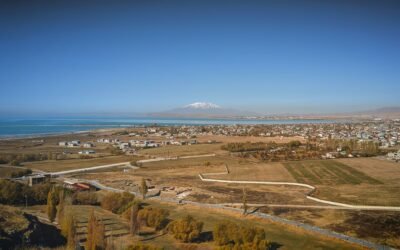
Planning a trip to eastern Turkey? The best time to visit Elazığ depends on whether you want to explore historic Harput, enjoy Hazar Lake, hike in the mountains, or see snowy landscapes. The city has distinct seasons, so choosing the right month can make a big difference to your comfort and travel plans.
Quick Answer
The best time to visit Elazığ, Turkey, is April to May or September to October. These months offer comfortable weather for sightseeing, hiking, and exploring Harput Castle. Choose July or August for Hazar Lake activities, or December through February for winter scenery. May and October offer particularly good conditions for a first visit.
Last checked: October 23, 2026. Dates and figures were verified against official sources.
Key Takeaways
- April is generally mild but relatively wet. May offers warmer afternoons and attractive spring landscapes.
- July and August have average daytime highs of about 34°C, making long outdoor walks uncomfortable.
- September stays warm, while October is better for travelers who prefer cooler sightseeing weather.
- In 2027, Eid al-Adha falls on May 16–19, a holiday period worth considering before booking.
- Hazar Lake is a summer highlight, while nearby Hazarbaba Mountain offers hiking and seasonal winter sports.
Best Time to Visit Elazığ: Monthly Weather Guide
Elazığ has a continental climate, with hot, dry summers and cold winters. Spring and autumn generally offer the most comfortable weather for exploring the city and its surrounding attractions.
The following figures come from the Turkish State Meteorological Service’s official Elazığ statistics. The published averages cover the historical observation period through 2025. They describe typical conditions rather than a forecast for your travel dates.
| Month | Avg. High / Low | Avg. Rainfall | Travel Conditions and Highlights |
|---|---|---|---|
| January | 3.1°C / -3.8°C | 41.6 mm | Cold weather, possible snow, winter scenery. |
| February | 5.2°C / -2.9°C | 42.8 mm | Winter sightseeing; Ramadan begins February 8 in 2027. |
| March | 11.0°C / 1.0°C | 58.2 mm | Cool early spring; Eid al-Fitr March 9–11 in 2027. |
| April | 18.0°C / 6.5°C | 63.2 mm | Mild sightseeing weather, green landscapes, spring showers. |
| May | 23.7°C / 10.9°C | 54.3 mm | Excellent for hiking and historic sites; Eid al-Adha May 16–19 in 2027. |
| June | 29.9°C / 15.4°C | 12.1 mm | Warm lake weather and long days; summer holidays begin after school closes. |
| July | 34.4°C / 19.4°C | 3.7 mm | Very hot and dry; lake trips and evening activities. |
| August | 34.4°C / 19.3°C | 1.8 mm | Hot, sunny conditions; suitable for summer recreation. |
| September | 29.5°C / 14.6°C | 8.5 mm | Warm and mostly dry; good for outdoor exploring. |
| October | 21.6°C / 8.9°C | 38.8 mm | Comfortable walking weather and cool evenings. |
| November | 12.8°C / 3.2°C | 50.0 mm | Cooler, wetter conditions; indoor cultural activities. |
| December | 5.7°C / -1.1°C | 45.3 mm | Cold weather, possible snowfall, winter landscapes. |
These numbers show why May and October are particularly appealing. May has an average high of 23.7°C (74.7°F), while October averages 21.6°C (70.9°F) during the day.
April is one of the wetter months, despite its pleasant temperatures. September is much drier but remains fairly hot in the afternoons.
Elazığ Weather by Season: What to Expect
Each season offers a different experience. Spring suits sightseeing and hiking, summer favors lake activities, autumn brings comfortable walking weather, and winter is best for quiet city visits and snowy landscapes.
Spring: Green Landscapes and Comfortable Sightseeing (March–May)
Spring is one of the most rewarding times to explore Elazığ. The countryside becomes greener, temperatures rise, and outdoor visits become more comfortable as winter ends.
March is still cool, especially in the mornings and evenings. April offers milder afternoons, while May generally provides the best balance of warmth and outdoor comfort.
- Weather: Average daytime highs rise from 11.0°C in March to 23.7°C in May. Rain is relatively common, especially in April.
- Best activities: Walking around historic Harput, visiting Harput Castle, enjoying scenic viewpoints, and hiking around Hazarbaba Mountain.
- What to wear: Comfortable walking shoes, light layers, and a waterproof jacket.
- Advantages: Green scenery, longer daylight hours, and better walking conditions than midsummer.
- Disadvantages: March can remain cold, and rain may interrupt outdoor plans.
Harput is especially appealing in spring. Its castle, old mosques, and historic streets offer an enjoyable combination of culture and scenery. The Elazığ municipality’s Harput heritage guide describes the castle and other landmarks, including Ulu Mosque and Alacalı Mosque.
Best for: First-time visitors, history enthusiasts, photographers, and hikers.
Summer: Hot, Dry Weather and Lake Activities (June–August)
Summer is the hottest and driest season in Elazığ. June is already warm, while July and August can become uncomfortable for sightseeing during the middle of the day.
Average afternoon highs reach 34.4°C (93.9°F) in both July and August. Heatwaves can push temperatures higher, and Elazığ’s historical July maximum has reached 43°C (109.4°F).
- Weather: Long sunny days, high temperatures, and very little summer rainfall.
- Best activities: Visiting Hazar Lake, enjoying lakeside recreation, and exploring the city during cooler hours.
- What to wear: Lightweight clothes, a sun hat, sunglasses, and comfortable shoes.
- Advantages: Good weather for lake visits, long days, and active summer leisure areas.
- Disadvantages: Strong midday heat, greater demand during school holidays, and less comfortable hiking conditions.
Hazar Lake is one of the region’s main summer attractions. The Elazığ tourism office’s Sivrice and Hazar Lake guide describes beaches, camping areas, water sports, and the lake’s submerged historical settlement.
Sivrice sits on the lakeshore, approximately 31 km south of Elazığ city center. It makes a practical destination for a warm-weather excursion.
For sightseeing, start early in the morning or explore after the hottest part of the afternoon. Spend the middle of the day indoors or relaxing in shaded areas.
Best for: Families, lake visitors, summer vacationers, and travelers comfortable with hot weather.
Autumn: Warm September Days and Mild October Weather (September–November)
Autumn is another excellent season for visiting Elazığ. The intense summer heat gradually fades, making it easier to explore historical sites and enjoy outdoor activities.
September remains warm, with an average daytime high of 29.5°C (85.1°F). October cools to an average high of 21.6°C (70.9°F), while November becomes considerably colder and wetter.
- Weather: Warm conditions in September, mild afternoons in October, and cooler weather during November.
- Best activities: Visiting Harput Castle, exploring the city, enjoying scenic drives, and walking around Keban and Hazar Lake.
- What to wear: Light clothing in September and warmer layers for October evenings and November visits.
- Advantages: Comfortable sightseeing, attractive autumn scenery, and fewer school-holiday travelers than midsummer.
- Disadvantages: Shorter daylight hours and increasing rain during late autumn.
October is particularly useful if you plan to spend several hours walking around Harput. The cooler air makes sightseeing more pleasant than during July or August.
November still offers cultural attractions, but shorter days and colder weather make flexible planning more useful.
Best for: Couples, photographers, independent travelers, and visitors focused on history and scenery.
Winter: Snow, Cold Weather, and Seasonal Mountain Activities (December–February)
Winter in Elazığ is cold, with freezing nights and the possibility of snowfall. The region can look beautiful under snow, but outdoor travel requires more preparation.
January is particularly cold, with an average daytime high of 3.1°C (37.6°F) and an average low of -3.8°C (25.2°F). Conditions become milder toward March, although snow and ice can still affect travel.
- Weather: Cold days, freezing nights, occasional snow, and short daylight hours.
- Best activities: Visiting cafes, enjoying regional food, exploring accessible cultural attractions, and seeing winter landscapes.
- What to wear: A warm coat, insulated footwear, gloves, and suitable winter layers.
- Advantages: Quiet surroundings, winter photography, and potential accommodation savings.
- Disadvantages: Road ice, possible travel disruptions, limited daylight, and restricted outdoor access.
Elazığ also has a genuine winter-sports attraction: Hazarbaba Ski Center near Sivrice. Tourism authorities describe December through March as its usual skiing period, although actual operations depend on weather and snow conditions.
Winter travelers who want to visit Harput or the mountains should be prepared for changing road conditions. Snow-covered scenery can be memorable, but safe access matters more than following a fixed itinerary.
Best for: Winter scenery, quiet cultural trips, cold-weather photography, and skiing when facilities are operating.
When Is Elazığ Least Crowded?
Elazığ does not normally experience the same volume of international tourism as Istanbul or Antalya. However, local travel, summer holidays, national celebrations, and lakeside recreation can change how busy certain places feel.
There are no reliable monthly visitor counts here to support an exact ranking. The periods below are practical expectations based on the school calendar and typical seasonal activities.
Peak Travel Period: July and August
July and August are likely to be among the liveliest months for leisure travel, particularly around Hazar Lake. Families and domestic vacationers have more opportunities to travel during the long school break.
- What to expect: More activity around lakeside recreation areas, popular restaurants, and weekend destinations.
- Accommodation: Some hotels and vacation properties may have greater demand, especially around weekends and holidays.
- Who should visit: Travelers who enjoy a more active summer atmosphere and want to spend time near the water.
Elazığ city itself may remain manageable even when popular lake areas are busy. Crowding can differ substantially between the city center and recreational destinations.
Shoulder Seasons: April–May and September–October
These periods offer the strongest balance of pleasant weather and manageable visitor activity.
Spring and autumn are particularly attractive for Harput and countryside visits. You can usually enjoy outdoor sightseeing without the hottest summer conditions.
- What to expect: More comfortable walking weather and less school-holiday pressure than during midsummer.
- Accommodation: Room availability may be better outside major public holidays.
- Who should visit: Travelers who value sightseeing comfort, flexibility, and a relaxed pace.
Major holidays can create busy exceptions within these otherwise appealing travel periods.
Quieter Months: November–March
November through March generally offers a quieter experience for travelers who are not focused on outdoor recreation.
The colder weather discourages some sightseeing trips, although family visits, winter school breaks, religious holidays, and ski-related travel can still create local demand.
- What to expect: A quieter city atmosphere and fewer visitors at exposed outdoor viewpoints.
- Accommodation: Potential seasonal offers, although lower prices are not guaranteed.
- Who should visit: Budget-conscious travelers, people visiting family, and visitors who prefer quiet surroundings.
How Much Does the Season Affect Elazığ Travel Costs?
Travel prices in Elazığ depend on your dates, booking timing, hotel selection, and flight demand. Summer and major holidays can increase costs, but there is no verified citywide price schedule showing that one month is always the cheapest.
Instead of assuming every winter trip will be inexpensive, consider how each season affects the types of expenses you will face.
Summer: Higher Potential Demand
July and August may bring increased demand for flights, hotels, and lakeside accommodation because many families travel during the school holidays.
- Accommodation: Properties near popular recreation areas may have fewer available rooms during busy periods.
- Flights: Fares can rise around high-demand departure dates, especially on routes connecting through major Turkish cities.
- Activities: Water recreation and guided experiences may add to your overall budget.
Summer remains worthwhile if lake activities are the main reason for your visit. However, travelers mainly interested in historical sightseeing may find better comfort and value outside midsummer.
Spring and Autumn: A Good Balance of Value and Comfort
April, May, September, and October can offer a more appealing combination of weather and potential accommodation availability.
- Accommodation: More flexibility may be available outside major holiday periods.
- Flights: Midweek travel and avoiding holiday peaks can sometimes reduce fares.
- Activities: Walking around Harput, exploring city streets, and enjoying natural viewpoints do not require expensive organized tours.
These months are a sensible starting point if you want to control costs without sacrificing outdoor comfort.
Winter: Potential Savings With Weather Tradeoffs
Winter can offer accommodation deals, particularly when tourist demand is low. However, actual prices vary, and skiing periods or public holidays can create exceptions.
- Accommodation: Look for lower-demand dates and compare available hotel rates.
- Flights: Cheaper departures may exist, although demand and route availability still affect pricing.
- Activities: Indoor visits and relaxed dining may keep spending manageable, while skiing and private transport can add costs.
Winter savings are most useful if your plans do not depend on clear mountain roads or warm outdoor weather.
Special Events and Festivals in Elazığ
Public holidays, religious celebrations, and regional events can make an Elazığ visit more memorable. They can also affect restaurant hours, transport demand, and accommodation availability.
Some dates are fixed each year, while religious holidays move through the calendar. Local event programs may also change from one year to the next.
Ramadan and Eid Celebrations in 2027
Ramadan and the Eid holidays are important periods in Turkish cultural and family life. They are worth considering because travel patterns and business hours can differ from ordinary weekdays.
According to the Turkish Presidency of Religious Affairs’ 2027 calendar, these are the main dates:
- February 8, 2027: Ramadan begins.
- March 9–11, 2027: Eid al-Fitr, known locally as Ramazan Bayramı.
- May 15, 2027: Eve of Eid al-Adha, with a half-day public holiday.
- May 16–19, 2027: Eid al-Adha, known locally as Kurban Bayramı.
During Ramadan, some restaurants may adjust their daytime operating hours, while evenings become livelier as families gather for iftar, the meal that breaks the fast.
During Eid holidays, family visits and domestic travel can increase. Some businesses may close or reduce their hours, even while restaurants and other services continue operating.
Best for: Travelers interested in local traditions who are comfortable with changing schedules and potentially busier holiday travel.
Turkish National Holidays Worth Knowing
Turkey’s national holidays offer opportunities to see celebrations and public ceremonies. They may also affect government services, banks, and some businesses.
Important dates include:
- April 23: National Sovereignty and Children’s Day.
- May 19: Commemoration of Atatürk, Youth and Sports Day.
- July 15: Democracy and National Unity Day.
- August 30: Victory Day.
- October 29: Republic Day.
Republic Day can add a festive atmosphere to an October visit. April 23 and May 19 may also bring public events during the spring travel season.
Local Hiking Events and Seasonal Festivals
Elazığ has regional cultural and outdoor events that can appeal to visitors. However, you should distinguish recurring traditions from events with confirmed dates for a specific year.
One established example is the Hazarbaba Mountain nature walk. The Turkish Ministry of Culture and Tourism’s Hazarbaba hiking listing describes the event as traditionally taking place during the second week of May.
The event highlights mountain scenery, group walking, and views toward Hazar Lake and Keban Reservoir. Its exact 2027 date and participation arrangements had not been confirmed at the time of checking.
Other local fairs and seasonal celebrations may feature music, regional produce, food, and traditional crafts. Their schedules can vary, so they should not be treated as guaranteed annual events without an official announcement.
Best for: Travelers seeking local culture, outdoor gatherings, traditional food, and regional experiences.
School Holidays That May Affect Travel in 2027
Turkish school holidays are another useful factor when planning your visit. Families often have more opportunities to travel during school breaks, which may affect leisure destinations and transport demand.
The Turkish Ministry of National Education’s 2026–2027 school calendar lists these dates:
- January 25–February 5, 2027: Midyear school holiday.
- March 8–12, 2027: Second-term school break, overlapping Eid al-Fitr.
- June 25, 2027: Final day of the school year before summer vacation.
The March overlap is especially important for travelers hoping to avoid busy family-travel dates. Meanwhile, summer holiday demand may increase after schools close in late June.
Best Activities and Attractions by Season
The best time for Elazığ attractions depends on whether you want historic sightseeing, water recreation, hiking, or cultural experiences. The table below compares the main travel periods and their practical advantages.
| Month | Weather | Crowds | Costs |
|---|---|---|---|
| April–May | Mild to warm; spring showers and green scenery | Usually manageable; holidays can be busy | Variable; potential shoulder-season value |
| June–August | Hot and dry; strongest heat in July and August | More summer leisure activity, especially at Hazar Lake | Potentially higher during school holidays |
| September–October | Warm September; cooler October afternoons | Generally less school-holiday pressure | Variable; possible shoulder-season value |
| November–March | Cool to cold; possible snow during winter | Often quieter outside major holidays | Potential savings outside busy dates |
These crowd and cost descriptions are general planning guidance, not measured monthly visitor totals or guaranteed hotel-price bands.
Harput Castle and Historic Harput
Harput Castle, also known as Harput Kalesi, is one of Elazığ’s most important historical attractions. The fortress stands above the surrounding plain and forms part of the ancient Harput settlement.
Harput also contains historic mosques, traditional streets, and viewpoints overlooking the wider region.
- Best time: April–May and September–October.
- Spring: Mild temperatures make it easier to explore the fortress surroundings and nearby historic buildings.
- Summer: Visit early or late in the day to avoid strong midday heat.
- Winter: Snow can create striking scenery, but icy access routes and slippery walking surfaces may limit visits.
Some historic spaces may have access restrictions or changing opening arrangements. Outdoor views and surrounding streets can still make Harput worth exploring.
Hazar Lake and Summer Water Activities
Hazar Lake, known locally as Hazar Gölü, is a major destination for summer recreation near Elazığ. The lake lies along the Elazığ–Diyarbakır route, with Sivrice positioned on its southwestern shore.
The lake has beaches, recreational areas, and opportunities for seasonal water activities. It is different from Keban Reservoir, another large body of water in the region.
- Best time: June–August for warm-weather recreation.
- Spring: Pleasant for scenic visits, although the water and air may still feel cool.
- Autumn: September can remain suitable for lakeside relaxation, while October is better for walking and scenery.
- Winter: Cold temperatures make swimming and most water recreation unsuitable.
Hazar Lake also contains submerged historical remains near its southern shore. These sites add an archaeological dimension to the area’s natural appeal.
For swimming, use designated areas and follow current local safety instructions. Not every section of the lakeshore is equally suitable for entering the water.
Keban Dam and Reservoir Views
Keban Dam is an important landmark on the Euphrates River system. Its reservoir and surrounding landscapes make it an interesting destination for sightseeing and photography.
The district of Keban is approximately 46 km from Elazığ city center, according to the official Keban tourism guide.
The area also has local attractions, including Çır Çır Waterfall and trout restaurants, which can make a regional excursion more rewarding.
- Best time: April–May and September–October for comfortable sightseeing.
- Summer: Scenic viewpoints remain attractive, but midday heat can be tiring.
- Winter: Possible snow and icy roads may affect access.
Boat trips may be offered in suitable weather, but availability depends on local operators. Viewing the dam or reservoir does not imply access to restricted power-station areas.
Hazarbaba Mountain Hiking and Winter Sports
Hazarbaba Mountain provides a different experience depending on the season. It is a destination for nature walks in warmer months and winter sports when snow conditions allow.
The mountain reaches approximately 2,347 meters above sea level, and the nearby ski center is positioned at around 1,850 meters.
- Spring: May is attractive for walking and greener mountain scenery.
- Summer: Early morning hikes are preferable to walking during intense midday heat.
- Autumn: Cooler weather can offer comfortable walking conditions before winter arrives.
- Winter: Skiing may be possible during the December–March season, depending on snow cover and facility operations.
The mountain offers views toward Hazar Lake and the surrounding region. However, high-altitude weather can differ considerably from conditions in Elazığ city center.
Anyone planning winter sports should confirm that the slopes, lift, and access road are operating before making a dedicated trip.
Museums, Cafes, and Cultural Experiences
Elazığ’s cultural attractions and everyday city life can be enjoyed throughout the year. Museums, historic sites, traditional food, and local cafes provide alternatives when the weather is uncomfortable.
- Spring and autumn: Ideal for combining outdoor sightseeing with restaurants and historical attractions.
- Summer: Indoor activities provide relief from daytime heat.
- Winter: Museums, cafes, and local dining become especially attractive during cold weather.
Exploring local markets and trying traditional dishes can be just as memorable as visiting a major attraction.
Practical Tips for Planning Your Elazığ Visit
Choosing the right season is only one part of planning. Flights, ground transport, accommodation, clothing, and local customs can all influence how comfortable your visit will be.
Getting to Elazığ
Elazığ has its own airport, making air travel a practical option for visitors arriving from other Turkish cities.
According to Turkey’s State Airports Authority listing for Elazığ Airport, its airport code is EZS.
Domestic connections include services involving Istanbul and Ankara, although the operating airline, frequency, and route can change.
Turkish Airlines, Pegasus, and AJet are among the airlines travelers may encounter when searching for suitable domestic connections.
Another potential arrival point is Malatya Airport. Its official IATA airport code is MLX, as confirmed by the State Airports Authority’s Malatya Airport information. Diyarbakır Airport uses the code DIY.
These alternative airports require onward road transport, so a cheaper airfare does not automatically mean a cheaper or easier journey.
Within Elazığ, transport options include:
- City buses: Useful for getting around established urban routes.
- Dolmuş and minibuses: Shared transport services that can connect neighborhoods and surrounding districts.
- Taxis: Convenient for shorter journeys or reaching destinations outside regular public transport routes.
- Rental cars: Useful for exploring Harput, Hazar Lake, Keban, and other regional attractions on a flexible schedule.
Regional public transport may be less frequent outside the city center, particularly in the evening.
Choosing Accommodation
Elazığ offers accommodation options for different budgets, including hotels and smaller locally operated properties.
Your ideal location depends on what you plan to do most during your stay.
- City center: Convenient for restaurants, shops, city services, and urban transport.
- Harput area: Attractive for travelers interested in history, scenery, and a quieter setting, subject to available accommodation.
- Sivrice and Hazar Lake: Practical for travelers whose main goal is lakeside recreation.
Compare recent guest reviews, transport options, cancellation terms, and heating or air conditioning before selecting a property.
Air conditioning is particularly useful in July and August, while reliable heating matters during winter.
Local Culture and Etiquette
Elazığ belongs to Turkey’s Eastern Anatolia region and has a rich cultural heritage. Local customs, language, food, and hospitality are an important part of the experience.
Turkish is the main language used in daily life. English may be less common outside hotels and businesses that regularly serve international visitors.
A few useful Turkish phrases include:
- Merhaba: Hello.
- Teşekkürler: Thank you.
- Lütfen: Please.
- İyi günler: Have a good day.
Dress respectfully when entering mosques and other religious sites. Follow any posted clothing or visitor requirements and remain considerate of people attending worship.
During Ramadan, be mindful that some residents may be fasting during daylight hours.
Food and Drink to Try
Elazığ has distinctive regional dishes shaped by Eastern Anatolian food traditions. Meat, grains, vegetables, and traditional cooking methods feature prominently in local meals.
Some dishes worth looking for include:
- Elazığ Tava: A regional-style baked meat dish commonly prepared with vegetables.
- İçli Köfte: Stuffed bulgur-based meatballs with a savory filling.
- Harput Köfte: A regional meatball dish traditionally prepared with bulgur and served in sauce.
- Palu Tava: A local meat specialty associated with the Palu area.
- Meze: Small dishes served alongside a larger meal.
Tea, known as çay, is widely enjoyed across Turkey. Traditional Turkish coffee is another familiar option in local cafes.
Autumn can be a pleasant time to sample seasonal produce, while winter is particularly suitable for warm regional dishes.
What to Pack for Each Season
Elazığ’s large seasonal temperature differences make packing an important part of trip preparation.
- Spring: A light jacket, rain protection, comfortable shoes, and clothing layers.
- Summer: Sun protection, breathable clothing, sunglasses, and a reusable water bottle.
- Autumn: Comfortable walking shoes and a jacket for cooler evenings.
- Winter: Insulated clothing, gloves, warm footwear, and weather-appropriate outer layers.
If you plan to explore mountain areas, carry suitable footwear and allow extra flexibility for changing conditions.
For most first-time visitors, the simplest plan is to travel in May or October, explore Harput, and add a day trip to Hazar Lake or Keban. Travelers more interested in swimming or winter scenery can choose the season that best matches those activities.
Frequently Asked Questions
What is the best month to visit Elazığ for sightseeing?
May and October are good choices for most sightseeing. May has greener landscapes, while October is cooler than summer and often suits walking around Harput.
How hot is Elazığ in July and August?
July and August have average daytime highs of 34.4°C in Elazığ’s long-term record. Heatwaves can run hotter, so plan outdoor sightseeing in the morning or evening.
Does Elazığ get snow in winter?
Yes, Elazığ can get snow and freezing nights from December through February. Hazarbaba is a nearby ski area, but snow and slope operations vary by season.
When is the peak tourist season in Elazığ?
July and August are usually the liveliest months for lake trips and family travel. Local demand also rises around school breaks and major Turkish public holidays.
What is the cheapest time to visit Elazığ?
Winter may bring lower hotel rates outside holidays, but discounts are not guaranteed. Compare your actual travel dates because airfares and accommodation prices change with demand.
Are there local festivals in Elazığ during summer or autumn?
Local fairs and cultural events can take place during the warmer months, but the dates change. The annual Hazarbaba mountain walk is traditionally described for the second week of May; a 2027 event date has not been confirmed.
Can visitors swim at Hazar Lake?
Hazar Lake has beaches and seasonal water recreation, especially in summer. Use designated areas and follow current local safety rules before entering the water.
Sources
- Turkish State Meteorological Service: Official Elazığ monthly temperatures, rainfall averages, and historical temperature records.
- Elazığ Municipality — Harput: Historic Harput, Harput Castle, and local heritage attractions.
- Elazığ Provincial Directorate of Culture and Tourism — Sivrice: Hazar Lake, Sivrice, mountain activities, and seasonal recreation.
- Elazığ Provincial Directorate of Culture and Tourism — Keban: Keban Dam, local attractions, and distance from Elazığ.
- Turkish Ministry of Culture and Tourism — Hazarbaba Mountain: Hiking activities and the traditional May walking event.
- Turkish Presidency of Religious Affairs: Official Ramadan, Eid al-Fitr, and Eid al-Adha dates for 2027.
- Turkish Ministry of National Education: Official 2026–2027 school term and holiday dates.
- Turkish State Airports Authority — Elazığ Airport: Official airport information and EZS airport code.
- Turkish State Airports Authority — Malatya Airport: Official airport information and MLX airport code.