

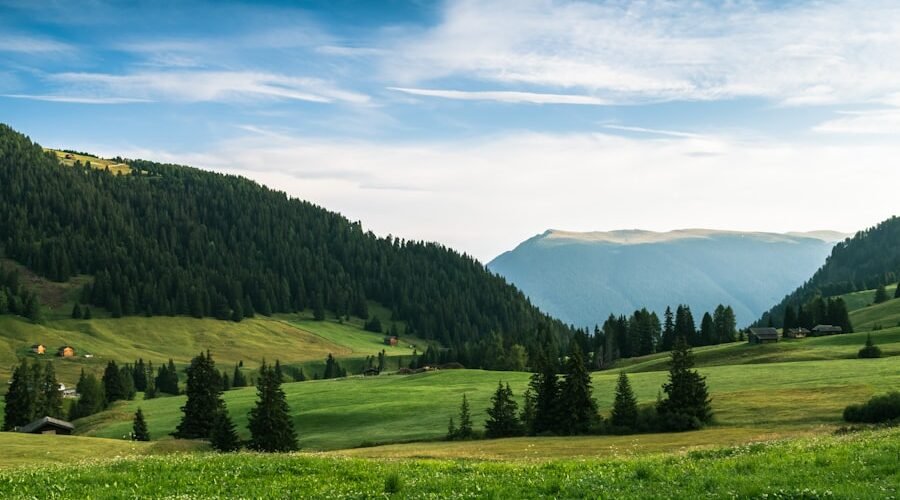
Planning a relaxing trip to Haymana, Ankara? The timing matters more than you might expect. This Turkish district is famous for its thermal springs, but its changing weather, school holidays, and seasonal hotel demand can affect your visit. Here’s how to choose the best time to visit Haymana based on what you want to do and spend.
Quick Answer
The best time to visit Haymana, Ankara, is May to early June or September to mid-October. These periods offer comfortable weather for thermal baths and sightseeing, with generally fewer visitors than summer holidays. Choose winter for a quiet spa-focused escape or July and August if you prefer warmer weather and a livelier atmosphere.
Key Takeaways
- May offers pleasant daytime temperatures, although spring showers remain possible.
- July and August bring the strongest summer heat, long sunny days, and potential holiday crowds.
- September combines warm afternoons with more comfortable conditions for sightseeing and thermal bathing.
- Winter offers a quieter setting, but freezing temperatures and occasional snow can affect travel.
- Turkish public holidays, school breaks, and local commemorations can increase demand outside the usual summer season.
Last checked: October 23, 2026. Dates and figures were verified against official sources.
Why Is Haymana Worth Visiting?
Haymana is a thermal tourism destination in Ankara Province, known for its natural hot springs and peaceful small-town atmosphere. It suits travelers who want spa treatments, relaxation, and a slower pace rather than a packed sightseeing schedule.
The district sits at an elevation of approximately 1,259 meters, according to the Ankara Provincial Directorate of Culture and Tourism. Its inland location gives it distinct seasons, including warm summers and cold winters.
Thermal Springs Are the Main Attraction
Haymana’s thermal waters have a long history of use. Well-known bathing areas include Cimcime Sultan, Medrese, and Seyran.
The town’s spa facilities attract visitors seeking relaxation throughout the year. Some hotels provide their own thermal pools, while other facilities offer bathing services to outside visitors.
One notable development is the Historical Haymana Thermal Spring Complex. The municipality describes separate bathing areas for men and women, family bathing rooms, sauna facilities, and other wellness amenities.
This variety makes Haymana suitable for different types of trips, from a simple bath visit to a longer thermal hotel stay.
Expect a Relaxed Small-Town Atmosphere
Haymana is much quieter than central Ankara. Its appeal comes from thermal bathing, everyday local life, and the chance to rest without a busy city schedule.
Beyond the springs, the district also has historical connections to the Battle of Sakarya during the Turkish War of Independence.
If you enjoy a mixture of wellness and local history, you can combine time in the thermal pools with visits to historical sites around the district.
Best Time to Visit Haymana: Monthly Weather and Seasons
Haymana has a continental climate, with warm to hot summers, cold winters, and noticeable changes during spring and autumn. The most comfortable months for combining outdoor activities with thermal bathing are usually May, June, September, and early October.
The following table uses the Turkish Meteorological Service’s official 1991–2020 climate normals for Ankara as a regional reference. These are Ankara averages, not measurements from a Haymana weather station. Haymana’s higher elevation means actual conditions can differ, especially overnight.
Data source: Turkish State Meteorological Service (MGM), Ankara climate normals, 1991–2020.
| Month | Average High | Average Rainfall | Travel Conditions |
|---|---|---|---|
| January | 4.7°C | 38.6 mm | Cold; possible snow |
| February | 7.4°C | 36.6 mm | Cold; indoor spa visits |
| March | 12.2°C | 46.9 mm | Cool and changeable |
| April | 17.5°C | 44.5 mm | Mild days; cool evenings |
| May | 22.8°C | 51.0 mm | Pleasant; spring showers |
| June | 27.3°C | 40.2 mm | Warm and increasingly sunny |
| July | 31.0°C | 14.8 mm | Hot and dry |
| August | 31.0°C | 14.6 mm | Hot, sunny, and dry |
| September | 26.5°C | 17.9 mm | Warm days; cooler nights |
| October | 20.3°C | 33.4 mm | Mild to cool |
| November | 13.0°C | 31.9 mm | Cold mornings and evenings |
| December | 6.7°C | 43.2 mm | Cold; possible snow |
These climate averages show why the shoulder seasons are appealing. May and September have much milder daytime conditions than midsummer, while winter temperatures can fall below freezing at night.
Notice that May is relatively wet in the Ankara climate record. September is considerably drier, which gives it an advantage if you want to spend more time outdoors.
Spring in Haymana (March to May): Comfortable Weather and Green Landscapes
Spring is a good season for visiting Haymana, especially from late April through May. The weather becomes progressively warmer, and the surrounding countryside begins to turn green.
It’s an excellent choice if you want both thermal bathing and some outdoor exploration without the strongest summer heat.
What Is Spring Weather Like?
March can still feel cold, especially in the mornings and evenings. April brings milder afternoons, although showers and sudden temperature changes remain possible.
By May, daytime conditions are generally much more comfortable. The Ankara regional climate reference has an average May high of 22.8°C (73°F).
However, late spring is not guaranteed to be dry. May has more average rainfall than any other month in the Ankara normals used above.
Are Spring Crowds Manageable?
Spring often feels calmer than the summer school holiday period. Outside public holidays and busy weekends, you may have more flexibility when choosing rooms and spa sessions.
However, national holidays can still attract domestic travelers. Hotels with popular thermal facilities may fill faster on extended weekends.
Are Spring Hotel Prices Reasonable?
Spring can provide good value compared with busy summer travel dates. Room availability and prices depend on the hotel, meal package, spa access, and day of the week.
A weekday visit may be easier to arrange than a weekend stay at a popular thermal hotel.
Best for: Couples, relaxed sightseeing, spa visitors, and travelers who want comfortable weather without intense summer heat.
Summer in Haymana (June to August): Hot Days and a Livelier Atmosphere
Summer is the warmest season in Haymana. June starts relatively comfortably, but July and August can bring daytime temperatures above 30°C (86°F).
This season suits travelers who enjoy sunny weather and a more active holiday atmosphere. However, the midday heat can make outdoor activities less comfortable.
Summer Weather and Thermal Baths
Long, sunny days are common in July and August. Rainfall is relatively low, and the inland climate is generally less humid than Turkey’s coastal regions.
Hot weather can make a warm thermal pool feel less refreshing than it would during spring or autumn.
If you’re visiting in midsummer, consider scheduling outdoor walks for the morning or evening. You can spend the hottest part of the day indoors or in shaded relaxation areas.
Some hotels may offer pools at different temperatures, but facilities vary. Don’t assume every thermal hotel has a cool swimming pool.
Summer Crowds and Accommodation Demand
Summer school holidays create more opportunities for Turkish families to travel. Popular thermal hotels may therefore feel busier, especially on weekends and during holiday periods.
You may encounter more children in shared pools and family-oriented facilities.
For a quieter stay, look for accommodation with private family bathing rooms or designated relaxation areas.
Summer Prices and Events
Summer accommodation can be more expensive when demand rises, particularly at family-oriented resorts. Flights to Ankara and other transport costs may also increase around popular travel periods.
June has a cultural attraction worth considering: the International Haymana Thermal Spring Festival and Cultural Festivities, known locally as Uluslararası Haymana Kaplıca Festivali ve Kültür Şenlikleri.
The provincial tourism authority historically lists this event in June. However, that listing does not establish a confirmed date for every annual edition.
Haymana also hosts activities connected with the Battle of Sakarya commemorations in late August and September.
Best for: Families, summer holiday travelers, and visitors who prefer long sunny days and don’t mind busier accommodation.
Autumn in Haymana (September to November): Excellent for Thermal Bathing
Autumn is another excellent time to visit Haymana. September remains pleasantly warm, while October brings cooler conditions that make thermal bathing especially appealing.
Travelers who want mild weather and a relaxed atmosphere should focus on September through mid-October.
What Is Autumn Weather Like?
September often has warm afternoons, plenty of sunshine, and cooler nights. The Ankara reference average high is 26.5°C (80°F), with comparatively little rainfall.
October is cooler, with a regional average high of 20.3°C (69°F). Evenings become noticeably colder as the month progresses.
By November, cold mornings and shorter daylight hours make indoor activities more attractive.
If you’re planning countryside walks or historical sightseeing, early autumn is generally more comfortable than late autumn.
Are Autumn Crowds Smaller?
Family tourism often eases after schools reopen. This can create a quieter setting at hotels and thermal facilities.
However, September isn’t always empty. Local commemorations, organized group visits, and weekends can still increase demand.
September is particularly appealing because it combines pleasant weather with travel dates outside the main summer school break.
Autumn Costs and Activities
Accommodation can become more affordable after the summer rush, although no single price pattern applies to every hotel.
Autumn also provides comfortable conditions for visiting nearby historical sites and enjoying the surrounding countryside.
Late October is an option for visitors who enjoy crisp air. However, more frequent cool and windy days can limit outdoor plans.
Best for: Couples, quiet spa holidays, history enthusiasts, and travelers seeking a balance of weather and potential accommodation savings.
Winter in Haymana (December to February): Quiet Thermal Escapes
Winter offers a very different Haymana experience. Temperatures are low, snow is possible, and outdoor sightseeing can become less comfortable.
For visitors who enjoy the contrast between cold weather and warm thermal water, winter can still be an appealing time.
How Cold Does Haymana Get?
December, January, and February are the coldest months. Nighttime temperatures can fall below freezing, and the district may experience snow and icy conditions.
January is particularly cold. Ankara’s regional climate reference records an average daytime high of only 4.7°C (40°F).
Haymana’s elevated location can make exposed areas feel colder, especially when the wind increases.
Are Thermal Baths Open in Winter?
Thermal bathing is not limited to summer. Winter can be a popular choice for visitors who want to spend most of their time in indoor pools, hammams, and wellness facilities.
However, individual establishments may change their operating hours, maintenance schedules, and available services.
For a winter stay, choose a hotel with indoor thermal facilities and convenient access between the rooms and bathing areas.
Winter Crowds and Travel Costs
Outside major holidays, winter may offer quieter streets and less competition for accommodation.
Some hotels may offer better rates during lower-demand periods. On the other hand, properties that focus on winter wellness can remain busy on popular weekends.
Cold weather can also affect road conditions, especially after snowfall or freezing rain.
Pack warm layers, waterproof footwear, and suitable clothing for moving between indoor facilities and outside areas.
Best for: Travelers seeking a quiet spa break, couples who enjoy cold-weather retreats, and visitors who don’t need a busy outdoor itinerary.
Note: Thermal baths are places for relaxation, but they should not replace medical treatment. If you have a cardiovascular condition, are pregnant, or have another condition affected by heat, ask a healthcare professional whether hot bathing is suitable for you.
Which Shoulder-Season Dates Offer the Best Balance?
Not every spring or autumn week feels the same. A few smaller travel windows can help you choose the conditions that suit your plans.
Late April to Early May
This period is attractive for travelers who enjoy mild weather and spring scenery.
- Advantages: Greener landscapes, generally pleasant afternoons, and a calmer atmosphere outside holidays.
- Drawbacks: Rain showers remain possible, and evenings can feel chilly.
- Best use: A combination of thermal bathing and short sightseeing trips.
Late May to Early June
Late May and early June offer warmer days before the strongest summer heat arrives.
- Advantages: Comfortable weather for walking, increasingly long daylight hours, and good opportunities to enjoy outdoor spaces.
- Drawbacks: Temperatures rise during June, and holiday travel may influence hotel availability.
- Best use: A longer spa holiday with some outdoor activities.
September to Mid-October
This is one of the strongest choices for travelers who want favorable weather with a calmer atmosphere.
- Advantages: Warm September afternoons, cooler evenings, and reduced summer holiday pressure after schools reopen.
- Drawbacks: Temperatures decline through October, and evenings may require warmer clothing.
- Best use: Thermal bathing, historical sightseeing, and relaxed couples’ trips.
Late October
Late October works well for travelers who don’t mind cooler weather and prefer spending more time indoors.
- Advantages: Crisp air, a quieter atmosphere outside holiday dates, and comfortable conditions for warm thermal baths.
- Drawbacks: Shorter days, cooler temperatures, and more changeable weather.
- Best use: Indoor spa breaks and short, flexible sightseeing visits.
Which Holidays and Events Affect Haymana Travel in 2026?
Holiday dates can be just as important as the season. Turkish public holidays and school breaks may affect domestic travel demand, even when the weather is otherwise ideal for a quiet visit.
The following dates come from the official 2026 Turkish public holiday calendar and related government announcements.
| 2026 Dates | Holiday or Event | Travel Consideration |
|---|---|---|
| March 20–22 | Ramadan Bayramı (Eid al-Fitr) | Potential holiday travel demand |
| April 23 | National Sovereignty and Children’s Day | Possible family day trips |
| May 1 and May 19 | National public holidays | Potentially busier hotel dates |
| May 27–30 | Kurban Bayramı (Eid al-Adha) | Plan for increased holiday travel |
| June, historical timing | International Haymana Thermal Spring Festival and Cultural Festivities | Specific 2026 edition date not confirmed |
| August 23–September 13 | Battle of Sakarya commemoration period | Historical ceremonies and cultural activities |
| October 29 | Republic Day | Possible domestic holiday trips |
Why Mid-September Can Be a Good Choice
Turkey’s Ministry of National Education confirmed that the 2026–2027 school year began on September 14, 2026. This makes the second half of September an attractive period for travelers hoping to avoid the main summer school break.
The Ministry of National Education’s school calendar announcement also confirms the scheduled school holidays, which can influence family travel later in the year.
Battle of Sakarya Commemorations
Haymana played an important part in the Battle of Sakarya in 1921. Historical commemorations add another reason to visit the district beyond its thermal waters.
The municipality’s Sakarya commemoration regulations establish August 23 through September 13 as the period for organized ceremonies and related activities.
Visitors interested in Turkish history may find this period especially meaningful. Individual ceremonies and their venues can vary by year.
How Much Does a Trip to Haymana Cost?
Your total trip cost depends mainly on accommodation, travel dates, transport, and whether spa access is included with your room. Haymana can work for both simple thermal bath visits and more comfortable resort stays.
Exact hotel and thermal bath admission prices vary by property and date. Reliable current visitor tariffs were not available for a consistent price comparison, so fixed estimates would be misleading.
Accommodation Costs
Haymana offers different types of thermal accommodation, from straightforward hotels to larger properties with pools, hammams, and wellness services.
When comparing rooms, pay attention to what’s included rather than the nightly rate alone.
- Room-only accommodation: Can suit travelers who prefer arranging meals and bathing separately.
- Half-board or full-board packages: May provide better overall value when meals are included.
- Thermal hotel packages: Compare access to pools, hammams, saunas, and private bathing areas.
- Weekday stays: May offer more flexibility than weekends at popular properties.
Accommodation rates can rise around holidays, so the cheapest season on paper isn’t always the cheapest week to visit.
Thermal Bath Admission and Extra Services
Not every hotel offers the same access arrangements. Some include shared thermal facilities in the room rate, while others charge separately for certain treatments or private rooms.
Before paying, make sure you understand whether the package includes the pool, sauna, hammam, towels, and any additional wellness services you expect to use.
This is particularly useful if you’re booking a longer stay focused on thermal bathing rather than sightseeing.
How Do You Get to Haymana From Ankara?
Haymana is approximately 74 kilometers from central Ankara by road, according to Haymana Municipality’s transport information.
The district is accessible by private vehicle and public transport, making it suitable for a short getaway from the capital.
Travel by Bus
Visitors can use EGO bus route 158 between Ankara’s AŞTİ terminal and Haymana. The official EGO route 158 schedule identifies the service as AŞTİ–Haymana.
The published timetable lists weekday and weekend services. It includes weekday departures from AŞTİ at 7:10 a.m. and 6:00 p.m., while weekend departures from AŞTİ are listed at 8:30 a.m.
Travelers can also use private public minibuses departing from Başkent İlçeler Terminali near ANKAmall.
A journey from Ankara generally takes around 1.5 to 2 hours by road, depending on the starting point, route, stops, and traffic. Allow additional time when using public transport.
Getting Around Haymana
Many town-center attractions and thermal properties are relatively close together, but some accommodation and historical sites require additional transport.
Haymana Municipality announced free local bus services in August 2025, including routes serving thermal bath areas, residential districts, and the hospital.
The municipality’s free transport announcement described services operating from 8:00 a.m. to 8:30 p.m. at half-hour intervals. Confirm the current service arrangements before relying on them.
Practical Tips for Planning Your Haymana Visit
A little preparation can help you enjoy the thermal baths without unexpected costs or scheduling problems. The most useful approach is to match your accommodation and activities to the season.
- Decide on your main goal: Choose spring or autumn for a mix of thermal bathing and sightseeing, summer for longer sunny days, or winter for an indoor spa-focused trip.
- Book around holidays: Reserve preferred hotels and private thermal bathing rooms early when visiting during public holidays or popular weekends.
- Plan your budget: Compare the complete accommodation package, including meals and spa access, rather than focusing only on room prices.
- Pack for temperature changes: Even when afternoons are warm, evenings can be cool, especially in spring and autumn.
- Allow time to relax: Haymana’s appeal is its slower pace, so a simple itinerary may be more enjoyable than trying to fill every hour.
- Combine interests: If you enjoy history, include a visit to the district’s Battle of Sakarya heritage sites alongside your thermal bathing.
For most visitors, a trip during late spring or early autumn offers the easiest balance of comfortable weather and relaxation. Once you’ve selected your dates, compare accommodation packages and choose a thermal facility that matches the experience you want.
Frequently Asked Questions
What is the best time to visit Haymana, Ankara, for good weather?
The best time to visit Haymana for comfortable weather is May to early June or September to mid-October. These months generally provide pleasant daytime conditions for thermal bathing and sightseeing. September is usually drier than May in the Ankara regional climate averages.
When is the peak tourist season in Haymana?
July and August are likely to be among the busiest periods for family tourism because they fall during the summer school holidays. Thermal hotels may also experience increased demand during public holidays and weekends. Haymana-specific monthly visitor figures were not available to establish an exact peak.
When is the off-peak tourist season in Haymana?
Winter, particularly outside school breaks and major holidays, is generally a quieter period for travel to Haymana. Cold weather and possible snow make outdoor sightseeing less appealing. However, thermal hotels can still attract visitors who enjoy indoor spa facilities.
Are hotels more expensive during summer in Haymana?
Hotels in Haymana may charge more during high-demand summer dates, holidays, and busy weekends. Prices depend on the property, room type, included meals, and thermal facilities. No reliable town-wide seasonal price averages were confirmed, so compare complete packages for your travel dates.
Are there any major festivals or events in Haymana?
Haymana has a history of hosting the International Haymana Thermal Spring Festival and Cultural Festivities, which the provincial tourism authority associates with June. The district also organizes Battle of Sakarya commemorations between August 23 and September 13. Individual festival dates and annual programs require separate confirmation.
Is winter a good time to visit Haymana’s thermal baths?
Yes, winter can be a pleasant time to enjoy indoor thermal baths in Haymana, especially if you prefer cooler weather and a quieter atmosphere. Temperatures can drop below freezing, and snow is possible. Choose accommodation with suitable indoor facilities and allow flexibility for winter road conditions.
Sources
- Turkish State Meteorological Service: Official Ankara climate normals for 1991–2020, including monthly temperatures and precipitation.
- Ankara Provincial Directorate of Culture and Tourism: Haymana’s geographical information, thermal history, and historically listed festival timing.
- Haymana Municipality, Historical Thermal Spring Complex: Information about the thermal bathing complex and its facilities.
- Borsa İstanbul, Official Holidays: Confirmed 2026 national and religious public holiday dates.
- Turkish Ministry of National Education: Official information about the 2026–2027 academic calendar.
- Haymana Municipality, Sakarya Commemoration Regulations: Established period and organization of Battle of Sakarya commemorations.
- Haymana Municipality, Transport Information: Road distance from Ankara and available intercity public transport options.
- Ankara EGO, Route 158: Published AŞTİ–Haymana bus route and departure information.
- Haymana Municipality, Free Local Transport Announcement: Municipal announcement covering free local bus services, routes, and operating times.



[…] Haymana, Ankara […]