

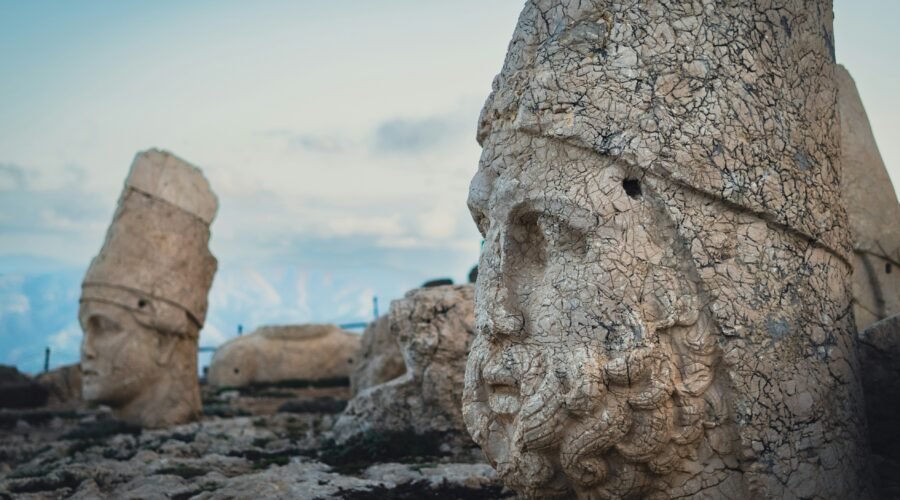
Planning a trip to Mount Nemrut in Adıyaman, Turkey? Timing makes a big difference when you’re hoping to see its famous stone heads at sunrise or sunset. The best time to visit Mount Nemrut depends on three things: whether the mountain is accessible, how cold the summit feels, and how many other visitors arrive for the same view.
Quick Answer
The best time to visit Mount Nemrut is generally late May through June or September through early October. These periods offer a good balance of accessible roads, comfortable daytime conditions, and opportunities for clear sunrise or sunset views. April can be beautiful but remains vulnerable to snow, while July and August bring intense heat to the surrounding region.
Last checked: October 23, 2026. Dates and figures were verified against official sources.
Key Takeaways
- May and June are excellent for spring visits, but May can be busy during Turkish holidays.
- September often offers a comfortable balance of reliable access, dry weather, and fewer peak-summer visitors.
- July and August provide generally dependable access, although Adıyaman regularly experiences daytime highs above 38°C.
- Sunrise is best viewed from the eastern terrace, while the western terrace is the traditional sunset viewpoint.
- Winter snow may prevent access to the archaeological site, regardless of hotel or tour availability.
Mount Nemrut rises to approximately 2,206 meters (7,238 feet) in the Eastern Taurus Mountains. Its ancient statues form part of the tomb-sanctuary created for King Antiochos I of Commagene. The archaeological site joined the UNESCO World Heritage List in 1987.
Here’s how the weather, crowds, and costs compare throughout the year.
| Month | Weather | Crowds | Costs |
|---|---|---|---|
| April–May | Adıyaman average highs: 21.1–27.4°C. Summit much colder; April snow possible. | Variable; May holidays can be very busy. | Often moderate, but holiday demand can increase prices. |
| June–August | Adıyaman average highs: 34.1–38.7°C. Cooler at the summit. | Moderate to high, especially around sunrise and sunset. | Can be higher during popular travel periods. |
| September–October | Adıyaman average highs: 26.3–33.6°C. Cold summit mornings. | Often more manageable outside events and holidays. | Often moderate; compare local tour quotes. |
| November–March | Cold summit conditions, with snow and ice restricting access. | Generally low when access is possible. | Hotels may cost less, but transport can become expensive or unavailable. |
About these temperatures: The figures above are average daytime highs for Adıyaman city, not measurements at Mount Nemrut’s summit. They come from the Turkish State Meteorological Service’s official 1991–2020 climate normals for Adıyaman. The summit is substantially higher and can feel much colder, particularly in strong winds.
1. Spring (April–May): Pleasant Weather With Some Uncertainty
Spring is one of the most attractive times to visit Mount Nemrut, especially from late April into May. The surrounding landscape becomes greener, and the lowlands are far more comfortable than in midsummer.
However, spring comes with one important catch: snow can remain on the mountain after the weather has warmed in Adıyaman.
What Is the Weather Like in Spring?
Spring brings gradually rising temperatures, more sunshine, and occasional rain. Conditions can change quickly as you travel from the city toward the high mountain terraces.
- April: Adıyaman’s average daytime high is 21.1°C (70°F). The summit can still experience freezing temperatures, strong wind, frost, and lingering snow.
- May: Adıyaman’s average high rises to 27.4°C (81°F). Conditions generally improve, although the summit remains cold at dawn.
- Rain: Adıyaman averages approximately 11.7 rainy days in April and 9.3 in May. Mountain weather can differ from the city.
- Wind: Exposed terraces offer little shelter. Windproof clothing makes a major difference to comfort.
The most important factor in early spring is road access. A sunny day in Adıyaman does not guarantee that the upper approach road is free of snow.
How Crowded Is Mount Nemrut in Spring?
Spring crowds vary considerably. April can be relatively peaceful when access is limited, but May is an increasingly popular visiting month.
In 2026, important Turkish holiday dates included April 23, May 1, May 19, and the Eid al-Adha holiday from May 27 to 30.
These dates are listed in Türkiye’s 2026 official holiday calendar. Public holidays and adjoining weekends can make popular viewpoints much busier.
If avoiding crowds is your priority, choose a regular weekday outside major holidays rather than assuming all spring dates are quiet.
What Does a Spring Visit Cost?
Spring accommodation and tour prices are often more reasonable than those during busy summer travel periods. However, favorable May weather and holiday demand can produce higher rates.
Adıyaman offers a wider choice of accommodation, while Kahta and villages closer to the mountain can reduce early-morning travel time.
If you’re booking a sunrise tour, compare the total cost rather than just the advertised price. Transportation, entrance tickets, and return transfers may be charged separately.
What Should You Pack for Spring?
- Thermal base layers for the cold summit.
- A fleece or wool sweater and a warm jacket.
- A waterproof, windproof outer layer.
- Warm gloves, a hat, and a scarf.
- Sturdy walking shoes with good grip.
- Sunscreen and sunglasses for exposed mountain conditions.
Best for: Travelers who want pleasant sightseeing weather, greener landscapes, and a less exhausting journey through the surrounding region.
For the most dependable spring conditions, late May is generally preferable to early April.
2. Autumn (September–October): An Excellent Balance
Autumn is arguably the best time to visit Mount Nemrut if you value comfortable travel weather and a relatively relaxed atmosphere. September is particularly attractive because the roads are generally accessible and the extreme summer heat begins to ease.
October can also be rewarding, although the summit becomes noticeably colder as the month progresses.
What Is the Weather Like in Autumn?
Early autumn is usually dry in the surrounding region, with plenty of sunshine. Clear weather can provide excellent views of the Eastern Taurus Mountains and the ancient terraces.
- September: Adıyaman has an average daytime high of 33.6°C (92°F). Despite the warm lowland conditions, mountain mornings can be very cold.
- October: The average city high drops to 26.3°C (79°F). Frost, strong winds, and occasional wintry conditions become greater concerns at the summit.
- Rainfall: Adıyaman averages approximately 9.2 mm of rain in September and 48.6 mm in October.
- Visibility: Dry, settled days can offer outstanding panoramic views, although clouds and haze remain possible.
September is the safer choice if predictable access matters most. October appeals to visitors who prefer cooler conditions and are comfortable with greater weather uncertainty.
How Crowded Is Mount Nemrut in Autumn?
Visitor numbers often become more manageable after the busiest summer travel weeks. However, sunrise and sunset remain popular throughout the main visiting season.
September weekdays are often a good choice for visitors who want time to appreciate the statues without rushing.
In October, Türkiye’s Republic Day on October 29 may increase domestic travel around the holiday period.
Autumn also brings local cultural events. The provincial tourism office lists the International Nemrut Commagene Festival and the Besni Education Festival among regional events.
The official Adıyaman festival directory identifies September as the period for the Besni Education Festival but does not establish a confirmed annual date for the Nemrut Commagene Festival.
Festival visitors should confirm the actual year’s event program before arranging their trip.
What Does an Autumn Visit Cost?
Autumn may offer good value, particularly outside weekends and holiday periods. As summer demand eases, hotels and local tour providers may have more flexibility.
However, prices depend on your travel dates, hotel choice, tour size, and transportation arrangements. There is no single reliable seasonal price that applies to every visitor.
If you have flexible dates, comparing weekday accommodation in Kahta and Adıyaman can be worthwhile.
What Should You Pack for Autumn?
- A thermal base layer for sunrise or sunset.
- A warm fleece or insulated jacket.
- A waterproof and windproof outer shell.
- Warm gloves, a scarf, and a hat.
- Waterproof walking boots with reliable grip.
- A small daypack for water and extra layers.
Best for: Photographers, couples, independent travelers, and visitors who want a balance of comfortable travel and excellent mountain scenery.
If I had to recommend one autumn month for most travelers, September would be the strongest choice.
3. Summer (June–August): Dependable Access but More Heat

Summer offers some of the most dependable conditions for reaching Mount Nemrut. Roads are generally accessible, daylight lasts longer, and snow is much less likely to disrupt a visit.
The biggest drawback is the intense heat in Adıyaman and the surrounding valleys, particularly in July and August.
How Hot Does Mount Nemrut Get in Summer?
Mount Nemrut’s high elevation keeps it cooler than Adıyaman city. However, the journey to the mountain can still be hot and tiring.
- June: Adıyaman’s average daytime high is 34.1°C (93°F).
- July: The average high reaches 38.7°C (102°F).
- August: The average high remains around 38.6°C (101°F).
- Sunshine: July averages only about one rainy day, making it one of the driest periods.
- Summit conditions: Sunrise can still feel surprisingly cold, even after a very hot day in the city.
For comfort, plan your visit around the cooler morning or evening hours rather than making the climb during the hottest part of the day.
How Busy Is Mount Nemrut in Summer?
Summer attracts domestic and international travelers, particularly during school holidays, weekends, and organized tour departures.
Sunrise and sunset viewing areas can become crowded. Tour groups often arrive at similar times, creating short periods of heavy visitor activity.
In 2026, July 15 and August 30 were also Turkish public holidays that could influence domestic travel.
However, summer is not automatically busier than every spring month. Mount Nemrut has also recorded strong visitor numbers in May.
The practical lesson is to plan around holidays and popular viewing times, not just seasons.
What Are Summer Travel Costs Like?
Demand for accommodation, flights, and organized tours can rise during popular summer dates.
Booking ahead usually gives you a wider choice of rooms, especially if you want to stay near the mountain rather than in Adıyaman city.
If you’re traveling independently, remember to include fuel, parking arrangements, and any local transfers in your budget.
What Should You Pack for Summer?
- Lightweight, breathable clothing for daytime sightseeing.
- A warm fleece or jacket for the summit.
- A wide-brimmed hat and sunglasses.
- High-SPF sunscreen and lip balm.
- Plenty of drinking water.
- Comfortable walking shoes with good traction.
Best for: Travelers who prioritize dependable mountain access, families visiting during school breaks, and photographers who want long daylight hours.
June is often the most comfortable summer month. July and August are better suited to travelers who can tolerate intense lowland heat.
4. Winter (November–March): Beautiful but Difficult to Access
Winter is the least dependable time to visit Mount Nemrut. Heavy snow, ice, and strong winds can make the upper mountain difficult or impossible to reach.
Snow-covered statues can create an extraordinary landscape, but reaching them safely is a much greater challenge than during the regular tourism season.
What Is Winter Weather Like?
Summit conditions can be severe, with prolonged freezing weather and deep snow accumulation.
- November: Temperatures fall quickly, and early winter weather may begin affecting access.
- December–February: Snow and ice commonly restrict the approach roads and archaeological terraces.
- March: Warmer conditions begin returning to the region, although snow may remain at high elevations.
- Wind: Strong winds can create dangerous wind-chill conditions.
Winter summit temperatures can fall well below freezing. The original article’s suggested range of -10°C to -20°C is possible during severe conditions, but it should not be treated as a verified monthly average.
Can You Visit Mount Nemrut in Winter?
Winter visits depend on weather, road clearance, and decisions by the authorities responsible for the archaeological site.
Some years permit limited access under special arrangements. Other periods may bring road closures or restrictions on particular terraces.
Warning: Do not attempt to reach Mount Nemrut on a snow-covered or icy road without confirming that the route is open and safe. A standard rental car may be unsuitable for steep mountain roads in winter. Never enter a closed archaeological terrace or bypass access restrictions.
The mountain is not a dependable winter sightseeing destination. If seeing the statues is your main goal, a visit during late spring, summer, or early autumn is a much safer plan.
What Are Crowds and Costs Like in Winter?
Winter usually brings very few visitors compared with the main tourism season.
Accommodation prices in the surrounding towns may be lower, but fewer services operate near the mountain.
Specialized transport, private drivers, or changing travel arrangements can make an attempted winter visit more expensive than expected.
There is also a real possibility that you will reach Adıyaman but be unable to visit the summit.
What Should You Pack for Winter?
- Heavy insulated outerwear and thermal layers.
- Waterproof, windproof jackets and pants.
- Insulated waterproof boots.
- Thick wool socks, gloves, and a warm hat.
- Protective goggles for snow and strong wind.
- Ice grips or crampons appropriate for the terrain.
- Hand and foot warmers.
- Sturdy trekking poles for stability.
Best for: Experienced winter travelers who understand the access restrictions and are prepared to change plans.
For most tourists, winter is better spent exploring lower-elevation attractions around Adıyaman than attempting to reach Mount Nemrut’s summit.
5. Mount Nemrut Sunrise vs. Sunset: Which Is Better?
Both sunrise and sunset are remarkable experiences at Mount Nemrut. The better choice depends on whether you prefer dramatic early-morning light, warmer evening conditions, or more convenient travel arrangements.
The two main viewing terraces face different directions, making each particularly suited to one part of the day.
Sunrise: The Eastern Terrace
Sunrise is traditionally viewed from the eastern terrace, where the ancient statues face toward the rising sun.
Watching the first light illuminate the enormous stone figures is one of Mount Nemrut’s defining experiences.
- Atmosphere: Dramatic early light and views over the surrounding mountain ranges.
- Temperature: Usually the coldest part of the visiting day.
- Crowds: Popular with photographers and organized sunrise tours.
- Travel: Requires a very early departure, often during the night.
- Photography: Excellent opportunities for changing shadows and warm morning light.
Arrive with enough time to complete the final walk before the sun appears. The exact departure time depends on the season, your accommodation, and your route.
Sunset: The Western Terrace
Sunset is traditionally watched from the western terrace. The low evening sun can illuminate the ancient sculptures and surrounding mountains in beautiful golden tones.
- Atmosphere: Warm evening light and dramatic views across the mountain landscape.
- Temperature: Usually more comfortable than sunrise, although temperatures fall quickly after dark.
- Crowds: Can be particularly busy because the timing suits more visitors.
- Travel: Easier to arrange without waking in the middle of the night.
- Photography: Excellent opportunities for golden-hour portraits and landscape images.
You’ll still need enough time to return safely along the path before visibility becomes poor.
Which Experience Should You Choose?
Choose sunrise if photography and the atmosphere of an early mountain morning matter most to you.
Choose sunset if you prefer a more relaxed departure and generally warmer conditions.
If you have enough time, seeing both offers the fullest experience of the archaeological site.
For the historical background of the terraces, the Adıyaman Provincial Directorate of Culture and Tourism explains the eastern and western terraces, their statues, and the surrounding Commagene sites.
6. Getting to Mount Nemrut and Choosing Where to Stay
Getting to Mount Nemrut takes planning because the archaeological site is high in the mountains, away from major urban centers.
Adıyaman and Kahta are the main starting points for visitors approaching from the southern side.
How Do You Get to Adıyaman?
There are three main ways to reach the region.
- By air: Adıyaman Airport (ADF) is the closest major airport serving the city. Domestic flight connections, including routes involving Istanbul or Ankara, depend on airline schedules.
- By bus: Intercity buses connect Adıyaman with other Turkish destinations. This can be a practical option for travelers with more time.
- By car: Driving offers flexibility and allows you to combine Mount Nemrut with other historical attractions around Kahta.
How Far Is Mount Nemrut From Adıyaman?
The official provincial tourism guide lists several routes and distances:
- Adıyaman to Mount Nemrut, direct route: Approximately 86 km (53 miles).
- Adıyaman to Mount Nemrut via Arsameia: Approximately 77 km (48 miles).
- Adıyaman Airport to Mount Nemrut: Approximately 66 km (41 miles).
- Adıyaman to Kahta: Approximately 34 km (21 miles).
Travel time varies with the route, road conditions, driving speed, and stops.
Allow roughly 1.5–2 hours from Adıyaman and around 45–60 minutes from Kahta under favorable conditions. These are planning estimates, not guaranteed driving times.
Where Should You Stay?
Your choice of accommodation can make an enormous difference, particularly for a sunrise visit.
- Adıyaman city: Offers the widest selection of hotels, restaurants, and transportation services. It is a convenient base for exploring the wider region.
- Kahta: A practical option for travelers whose main goal is Mount Nemrut. It is closer to the mountain and has hotels, pensions, and tour services.
- Karadut and nearby villages: Smaller guesthouses provide a quieter rural setting and can shorten the journey to the summit.
- Accommodation close to the mountain: Basic lodging may be available along the approach road, but choices are limited and seasonal operations vary.
If you want to avoid a long overnight drive, staying near Kahta or Karadut is usually the more convenient option.
How Do You Reach the Archaeological Terraces?
Visitors generally use an organized tour, a private vehicle, or a hired driver to reach the mountain’s upper approach area.
The available options include:
- Organized tours: Commonly depart from Adıyaman or Kahta and may include hotel pickup, transportation, and a guide.
- Rental cars: Provide flexibility but require careful driving on steep and winding mountain roads.
- Private taxis or drivers: Convenient for travelers who prefer not to drive. Agree on the total round-trip price and waiting time beforehand.
Depending on the current access arrangements, vehicles may stop at a parking or visitor area before travelers complete the last part of the ascent on foot.
The final approach includes an uphill path and steps over uneven ground. It may be tiring for visitors with mobility difficulties, especially in strong wind or at altitude.
Wear supportive shoes and allow extra time for resting.
What Else Can You Visit Nearby?
Mount Nemrut is the main attraction, but several nearby sites help explain the history of the ancient Commagene Kingdom.
- Arsameia Archaeological Site: An important ancient administrative center featuring carved reliefs and inscriptions.
- Cendere Bridge: A historic Roman bridge and a popular stop along regional sightseeing routes.
- Karakuş Tumulus: An ancient funerary monument associated with the Commagene royal family.
- Old Kahta Castle (Yeni Kale): A historic fortified site often included in longer regional tours.
A longer tour combining these places with Mount Nemrut can offer a more complete introduction to the region’s history.
7. Mount Nemrut Entrance Fees and Visiting Hours
Mount Nemrut is a managed archaeological site, so visiting requires attention to official admission arrangements and seasonal operating hours.
These details matter particularly if you plan to arrive before sunrise or remain until sunset.
What Is the Entrance Fee?
According to the Turkish Ministry of Culture and Tourism’s official museum and archaeological-site fee list, the listed Mount Nemrut admission arrangements are:
- International visitors: €10 for standard admission.
- Eligible Turkish citizens: Admission is available through MüzeKart.
- Additional expenses: Transportation, guided tours, accommodation, and any applicable special-visit ticket are separate considerations.
The Ministry’s official museum information also lists a separate 200 TL early-morning or night-museology ticket for eligible Turkish MüzeKart holders. This should not be confused with the standard foreign-visitor admission price.
The original article’s much lower Turkish-lira entrance estimates are outdated.
What Are the Official Visiting Hours?
For the 2026 tourism season, the Ministry published a special Mount Nemrut visiting schedule of 04:00–20:00 from May 1 through October 1, 2026.
That schedule appears in the Ministry’s 2026 seasonal visiting-hours announcement.
Outside the summer schedule, operating hours can differ. As checked on October 23, 2026, the official Nemrut archaeological-site listing displayed regular hours of 09:00–18:00 and noted that hours may change according to sunrise and sunset.
Special early-morning admission arrangements may also apply.
Note: Published opening hours do not guarantee that every terrace or approach road is accessible. Snow, wind, conservation work, and seasonal operating decisions can affect individual areas. Confirm your intended viewing terrace and entry arrangements before making a sunrise or sunset journey.
How Far Ahead Should You Book?
Booking requirements vary with the season, local holidays, and the type of accommodation or tour you choose.
- Summer: Consider booking accommodation several months ahead if your dates fall during school holidays or popular weekends.
- Spring and autumn: Booking a few weeks to a few months ahead usually offers a reasonable range of choices, though holiday periods can fill earlier.
- Winter: Confirm that services are actually operating before paying for transport or accommodation specifically to visit the mountain.
For a sunrise visit, choose your hotel and transportation together. A cheap hotel can become less economical if it requires an expensive private transfer before dawn.
8. How to Avoid Crowds and Plan a Better Visit
A good Mount Nemrut trip is about more than choosing the right month. Picking the right day, viewpoint, and arrival time can improve your experience just as much.
Avoid the Busiest Holiday Periods
Mount Nemrut attracts significant domestic tourism, not just international visitors.
The provincial tourism office reported approximately 10,000 visitors during a four-day holiday period in 2025. Its official visitor report recorded around 7,500 domestic and 2,500 international visitors during that period.
This is why a regular weekday in June or September may feel quieter than a public-holiday weekend in May.
Allow Time for the Final Climb
Even when your vehicle reaches the upper visitor area, you still need to walk to the archaeological terraces.
Build in time for the uphill path, photography, and possible delays near the parking area.
If you are traveling with children, older family members, or anyone who finds stairs difficult, choose a slower pace and avoid rushing to catch the exact moment of sunrise.
Stay Flexible About the Weather
Clear skies are important for the famous mountain views, but no season guarantees a perfect sunrise or sunset.
Clouds, wind, and changing visibility may affect your visit even during the warmest months.
If possible, keep some flexibility in your itinerary rather than making your entire trip depend on one specific sunrise.
Choose the Season That Matches Your Priorities
- Best overall balance: September.
- Best late-spring choice: Late May to early June.
- Best for generally dependable summer access: June through August.
- Best for avoiding intense lowland heat: Late spring and early autumn.
- Best for potentially lower crowd levels: Non-holiday weekdays in the shoulder seasons.
- Least dependable for access: November through March.
For most travelers, planning a September visit with flexible sightseeing time offers an excellent chance of enjoying Mount Nemrut’s ancient statues without the worst summer heat or winter access problems.
Frequently Asked Questions
What is the best time to visit Mount Nemrut in Adıyaman?
The best time to visit Mount Nemrut is generally late May through June or September through early October. September is particularly attractive for comfortable sightseeing and generally dependable access. April can still bring snow-related difficulties, while July and August are very hot in the surrounding lowlands.
What is the weather like at Mount Nemrut throughout the year?
Mount Nemrut experiences cold mountain conditions in winter, variable weather in spring, generally dry summers, and cooler conditions in autumn. The summit is much colder than Adıyaman city, especially at sunrise. Snow and strong winds can restrict access during the colder months.
When are the crowds at Mount Nemrut the busiest?
Mount Nemrut can become busiest during summer holidays, Turkish public holidays, and popular sunrise or sunset visiting periods. May can also attract substantial crowds. Regular weekdays outside holiday periods often offer a more relaxed experience than weekends.
Are there any events or festivals at Mount Nemrut?
Yes, the regional tourism office lists the International Nemrut Commagene Festival among local cultural events. The surrounding Adıyaman region also hosts seasonal celebrations, including the Besni Education Festival in September. Event dates and programs are not necessarily the same every year.
How much does it cost to visit Mount Nemrut?
The official listed standard admission fee for international visitors is €10. Eligible Turkish citizens can use MüzeKart. Transportation, guided tours, accommodation, and any applicable special early-morning ticket are additional expenses that depend on your arrangements.
Can you visit Mount Nemrut in winter?
Winter visits are sometimes possible under limited arrangements, but Mount Nemrut is not a dependable winter destination. Heavy snow and ice can close approach roads or restrict access to the terraces. Most visitors should plan for a warmer season.
Is sunrise or sunset better at Mount Nemrut?
Sunrise is ideal for seeing the eastern terrace illuminated by early morning light. Sunset offers beautiful golden-hour views from the western terrace and usually requires a less demanding departure time. Both can be crowded, so your preferred atmosphere matters more than a universal ranking.
How difficult is the walk to Mount Nemrut’s statues?
The final approach to the statues includes an uphill walk and steps over uneven ground. The climb can feel demanding because of the altitude, wind, and cold weather. Comfortable walking shoes and enough time to rest will make the visit easier.
Sources
- UNESCO World Heritage Centre – Nemrut Dağ: World Heritage status, ancient sculptures, terraces, and historical significance.
- Turkish State Meteorological Service – Adıyaman Climate Normals: Official 1991–2020 average temperatures and precipitation figures for Adıyaman city.
- Adıyaman Provincial Directorate of Culture and Tourism – Mount Nemrut: Access routes, distances, archaeological terraces, and tour information.
- Adıyaman Provincial Directorate – Festivals: Regional cultural events and festival listings.
- Borsa İstanbul – Official Holidays: Turkish public and religious holiday dates for 2026.
- Ministry of Culture and Tourism – 2026 Seasonal Visiting Hours: Published May 1 through October 1, 2026 opening schedule.
- Turkish Ministry of Culture and Tourism – Nemrut Archaeological Site: Regular opening hours, special visiting arrangements, and museum information.
- Turkish Ministry of Culture and Tourism – Museum and Archaeological Site Fees: Official entrance fees and MüzeKart eligibility.
- Adıyaman Provincial Directorate – Holiday Visitor Report: Documented visitor numbers during a busy holiday period.


[…] Mount Nemrut, Adıyaman […]
[…] Mount Nemrut, Adıyaman […]