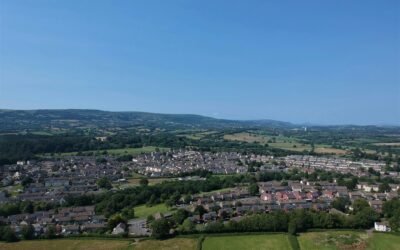
Planning a trip to Rumkale, the remarkable fortress above the Euphrates River in southeastern Turkey? Choosing the right month makes a big difference to the weather, boat journey, and crowds. This guide explains the best time to visit Rumkale, with monthly temperatures, local events, travel costs, and practical advice for exploring the area.
Quick Answer
The best time to visit Rumkale is April–May or late September–October. Gaziantep‘s average daytime highs are 19.8°C in April, 25.6°C in May, and 24.4°C in October. Choose a weekday outside Turkish holidays for a potentially quieter boat trip. The fortress interior is currently listed as closed.
Last checked: October 23, 2026. Official climate, holiday, festival, and museum information was verified against government sources. Boat fares reported by local news remain unconfirmed by an official current tariff.
Key Takeaways
- April and May offer comfortable sightseeing weather, greener scenery, and good photography conditions.
- October is an excellent autumn choice. September can still be hot, especially early in the month.
- July and August have average daytime highs of 35.4°C in Gaziantep, making midday outdoor activities uncomfortable.
- You can approach Rumkale by boat from Halfeti in Şanlıurfa Province or Kasaba in Gaziantep Province.
- Boat sightseeing and entering the fortress are different activities. The official museum listing currently shows the archaeological site as closed.
- Turkish religious holidays, school breaks, and regional festivals can increase demand even during otherwise pleasant months.
Best Time to Visit Rumkale: Season-by-Season Comparison
Spring and autumn offer the most comfortable conditions for visiting Rumkale. However, the best month depends on whether you prefer green hills, warm sunshine, fewer people, or a lower travel budget.
The table below compares all four seasons. Temperature figures use average daytime highs recorded for Gaziantep city, which is a useful regional reference rather than an exact measurement at the fortress.
| Season | Average Daytime Highs | Crowds and Conditions | Best For |
|---|---|---|---|
| Spring March–May |
14.0–25.6°C | Mild to warm weather; holidays may increase demand | Green scenery, photography, comfortable sightseeing |
| Summer June–August |
31.3–35.4°C | Very hot; family outings and holidays can still attract visitors | Short morning boat trips |
| Autumn September–November |
31.2–16.4°C | Cooling weather; September and October events may increase demand | Comfortable October trips and warm-toned photography |
| Winter December–February |
7.6–9.9°C | Cold and wetter; boat departures may be less dependable | Quiet scenery and flexible travelers |
Best overall choice: April, May, and October offer the strongest balance of temperature and outdoor comfort. Late September is also attractive, although the early part of the month can still feel like summer.
Rumkale Weather by Month: Average Temperatures and Rainfall
Rumkale’s surrounding region has hot, dry summers and cooler, wetter winters. The seasonal contrast matters because most visitors spend time outdoors, particularly on the water.
The following figures come from the Turkish Meteorological Service’s official Gaziantep climate statistics, covering the published historical observation period through 2025.
These are Gaziantep city observations, not measurements taken directly at Rumkale. Conditions beside the reservoir may differ because of location, elevation, wind, and local terrain.
| Month | Average High | Average Low | Average Rainy Days |
|---|---|---|---|
| January | 7.6°C | -0.5°C | 12.85 |
| February | 9.5°C | 0.2°C | 11.53 |
| March | 14.0°C | 3.1°C | 11.55 |
| April | 19.8°C | 7.4°C | 9.56 |
| May | 25.6°C | 12.0°C | 6.79 |
| June | 31.3°C | 17.3°C | 2.01 |
| July | 35.4°C | 21.3°C | 0.49 |
| August | 35.4°C | 21.1°C | 0.47 |
| September | 31.2°C | 16.4°C | 1.43 |
| October | 24.4°C | 10.2°C | 5.81 |
| November | 16.4°C | 4.7°C | 8.05 |
| December | 9.9°C | 1.2°C | 11.65 |
The difference between April and July is substantial. April’s average high is 19.8°C (67.6°F), while July’s reaches 35.4°C (95.7°F).
October has an average high of 24.4°C (75.9°F), making it particularly attractive for visitors who want warmth without typical midsummer temperatures.
Spring in Rumkale: March to May
Spring is one of the best seasons for a Rumkale visit. Temperatures become increasingly comfortable, and the surrounding landscape often looks greener after winter rainfall.
March: Cool Weather and Changing Scenery
March has an average daytime high of 14.0°C and a nighttime low of 3.1°C in Gaziantep. That makes mornings and evenings noticeably cooler than afternoons.
Spring growth begins to appear around the Euphrates landscape. However, March is still relatively wet, averaging 11.55 rainy days in Gaziantep.
Best for: Travelers who prefer cooler weather, flexible sightseeing plans, and early spring photography.
April: Comfortable Weather for Sightseeing
April offers an excellent balance of sunshine and comfortable temperatures. The average high reaches 19.8°C, while the average low is 7.4°C.
There can still be rain, but the weather is usually much more suitable for outdoor sightseeing than winter.
Green hillsides, spring flowers, and clear views of Rumkale’s stone walls can make this a rewarding month for photography.
Best for: Couples, photographers, families, and visitors who want comfortable weather without intense summer heat.
May: Warmer Days and Less Rain
May is warmer, with an average high of 25.6°C and a low of 12.0°C. Rain becomes less frequent compared with March and April.
This is an appealing month for a boat excursion, especially if you enjoy bright sunshine and warmer afternoons.
However, Turkish public holidays can create busier periods. In 2027, Eid al-Adha falls in mid-May, making those dates especially important when planning.
Best for: Visitors who prefer warmer spring weather, longer daylight hours, and scenic boat trips.
Summer in Rumkale: June to August
Summer is the hottest period around Rumkale. Sunshine is abundant, but the high temperatures can make sightseeing difficult during the middle of the day.
It is possible to visit in summer, although timing becomes more important.
June: Hot Weather Begins
June has an average daytime high of 31.3°C. Rainfall becomes uncommon, with Gaziantep averaging just 2.01 rainy days.
The longer days give you more flexibility, but sun exposure can become uncomfortable around exposed viewpoints and boat departure areas.
Best for: Heat-tolerant visitors who can plan sightseeing for cooler hours.
July and August: The Hottest Months
July and August share an average high of 35.4°C in Gaziantep. Historical records also show that extreme temperatures above 40°C are possible.
July averages only 0.49 rainy days, while August averages 0.47. The mostly dry weather reduces rain-related disruption, but it also means strong sun and little natural relief from heat.
Because Rumkale is an outdoor destination, prolonged heat exposure is a serious consideration.
Warning: Summer heat can cause dehydration, sunburn, and heat-related illness. Carry drinking water, use sunscreen, wear a hat, and avoid prolonged midday exposure. Children, older adults, and anyone sensitive to heat should take extra care.
Summer is not automatically the quietest season. Although extreme heat may discourage some visitors, domestic holidays, family outings, and weekends can still bring substantial activity to the waterfront.
Best for: Travelers who can tolerate high temperatures and limit their outdoor visit to the morning or a cooler late-afternoon departure.
Autumn in Rumkale: September to November
Autumn brings relief from summer heat. The season is particularly attractive for photography and boat sightseeing, although September can remain surprisingly hot.
September: Warm Days and Local Events
September has an average high of 31.2°C and a low of 16.4°C in Gaziantep. This means daytime conditions, particularly early in the month, may still feel summery.
Later September is generally a better choice for visitors who want less intense heat.
September also brings important regional events. For example, the 2026 Rumkale Festival included outdoor activities and water sports during September 7–13.
Best for: Warm-weather travelers, outdoor photographers, and visitors interested in regional festivals.
October: One of the Best Months Overall
October is an outstanding choice for Rumkale. The average high falls to 24.4°C, with an average low of 10.2°C.
Daytime sightseeing becomes more comfortable, while the softer autumn light can make the fortress walls look particularly striking from the water.
October is also a good time to combine Rumkale with Gaziantep’s food culture.
However, festival periods and national holidays can increase demand for hotels and transport.
Best for: First-time visitors, couples, sightseeing trips, and anyone wanting a comfortable balance of warmth and scenery.
November: Cooler Weather and a Quieter Atmosphere
November’s average high is 16.4°C, while the average low drops to 4.7°C.
Outdoor activities can still be enjoyable on sunny days, but cooler mornings, rain, and shorter daylight hours may affect the experience.
November can appeal to travelers seeking a quieter atmosphere, although Turkish school holidays may still increase domestic travel at certain times.
Best for: Visitors who prefer cool weather, quieter scenery, and flexible travel schedules.
Winter in Rumkale: December to February
Winter is the coldest and wettest part of the year. Rumkale can look dramatic in winter, but the weather and lower demand can make boat arrangements less dependable.
December: Cold Days and Increasing Rain
December has an average high of 9.9°C and a low of 1.2°C in Gaziantep.
Rain is common, averaging 11.65 rainy days. Cold conditions can make a boat trip uncomfortable, particularly when wind adds to the chill.
Best for: Travelers who enjoy quiet winter landscapes and can adjust their schedule.
January: The Coldest Month
January has an average high of 7.6°C and an average low of -0.5°C.
Freezing nights are possible, and occasional snowfall can affect the wider region. Heavy snow is not an everyday occurrence, but it remains a consideration for road travel.
Best for: Visitors who prioritize solitude over warm weather and do not depend on a fixed boat departure.
February: Still Cold, with Gradual Improvement
February’s average high rises to 9.5°C, while the average low remains close to freezing at 0.2°C.
There can be bright and enjoyable days, but winter rain and cold winds remain possible.
Flight and hotel deals may be easier to find during some winter periods, although pricing depends on demand rather than season alone.
Best for: Budget-conscious travelers who already plan to visit Gaziantep and are willing to keep the Rumkale excursion flexible.
When Is Rumkale Least Crowded?
Weekdays outside public holidays are generally the better choice if you want a calmer visit. However, reliable monthly visitor counts for Rumkale were not available to establish an exact busiest or quietest month.
Crowds also depend on boat demand, regional events, and Turkish domestic travel patterns.
Weekdays Versus Weekends
Weekends can attract families and day-trippers from Gaziantep, Şanlıurfa, and surrounding communities.
On busy days, you may encounter longer queues for shared boats and more activity near waterfront restaurants.
Tuesdays, Wednesdays, and Thursdays are reasonable days to consider for a quieter trip, although this is a practical preference rather than a verified ranking of visitor numbers.
Weekdays are not guaranteed to be quiet during school breaks or national holidays.
Why the First Boat Can Be a Good Choice
An early departure can be especially useful in warm weather. You may enjoy cooler temperatures and a more relaxed start before the busiest part of the day.
There is one trade-off: shared boats may wait until enough passengers arrive before leaving. An early arrival does not always mean an immediate departure.
Late-afternoon trips can provide attractive light, but you should not assume that boats will continue operating close to sunset.
Turkish Holidays and Festivals That Affect Your Visit
Public holidays, school breaks, and regional festivals can influence visitor numbers and travel prices. Knowing the actual dates is more useful than relying on broad peak-season labels.
The following dates are confirmed from official calendars and event organizers. The 2026 festival dates are included as recent examples, not promises that future editions will use the same dates.
| Event or Holiday | Confirmed Dates | Planning Impact |
|---|---|---|
| Rumkale Festival | September 7–13, 2026, with activities on selected days | Local event activity around Rumkale |
| GastroAntep Culture Route Festival | October 3–11, 2026 | Additional demand in Gaziantep city |
| School autumn break | November 16–20, 2026 | Potential increase in family travel |
| School winter break | January 25–February 5, 2027 | Potential domestic family travel |
| Ramadan (Ramazan) | Begins February 8, 2027 | Daytime dining patterns may change |
| Eid al-Fitr (Ramazan Bayramı) | March 9–11, 2027 | Public holiday coinciding with school break |
| National Sovereignty and Children’s Day | April 23, 2027 (Friday) | Potential long-weekend travel |
| Eid al-Adha (Kurban Bayramı) | May 16–19, 2027 | Potential busy holiday travel period |
| Republic Day | October 29, 2027 (Friday), with a half-day holiday October 28 | Potential long-weekend travel |
Ramadan and Eid Holidays
Ramadan is an important religious month in Turkey. Some local businesses adjust their routines, and dining activity may become particularly lively after sunset during iftar, the evening meal that breaks the fast.
Restaurants in Gaziantep do not all close during the day, but individual opening hours and services can vary.
Both Eid al-Fitr and Eid al-Adha are official public holidays. They can bring increased domestic travel and demand for hotels, transport, and popular attractions.
According to the Turkish Presidency of Religious Affairs’ official 2027 public holiday calendar, Eid al-Fitr falls on March 9–11, while Eid al-Adha falls on May 16–19.
The 2027 Eid al-Fitr period also overlaps with the March 8–12 school break listed in the Turkish Ministry of National Education’s 2026–2027 school calendar.
This overlap makes March 2027 a particularly important period to consider if you want to avoid holiday travel demand.
Rumkale Festival
Rumkale hosts activities that celebrate the surrounding landscape and water sports.
The official 2026 Rumkale Festival program listed trekking on September 7, 8, 10, and 11; a cycling event on September 9; and dragon boat races on September 12–13.
It also included camping activities from September 11–13. The organizer advertised free participation and shows, with registration requirements for certain activities.
These events can make the area more active and interesting, but they may be less suitable for visitors seeking complete peace.
The dates for a 2027 edition were not confirmed during this review.
Gaziantep GastroAntep Festival
Gaziantep is famous for its cuisine, and the GastroAntep festival celebrates its food traditions, regional products, and cultural heritage.
The Gaziantep Metropolitan Municipality’s official event listing confirms that the 2026 GastroAntep Culture Route Festival ran from October 3–11 at Festival Park.
The festival featured food-related activities, cultural programs, performances, and workshops.
Because the main festival takes place in Gaziantep city, its most direct effect is on activity and accommodation demand there. Any specific increase in Rumkale visitor numbers is not independently confirmed.
For food lovers, combining a future edition of GastroAntep with a Rumkale excursion could make an enjoyable regional trip.
How to Get to Rumkale from Gaziantep
Rumkale is in Gaziantep Province, near the boundary with Şanlıurfa Province. The fortress stands where the Euphrates River and Merzimen Creek meet.
The unusual geography is part of its appeal. Its rocky position above the reservoir makes boat travel a central part of the experience.
According to the Turkish Ministry of Culture and Tourism’s Rumkale listing, visitors can approach the fortress by boat from Kasaba in Gaziantep’s Yavuzeli district or Halfeti in Şanlıurfa Province.
Option 1: Travel Through Kasaba Village
Kasaba offers a Gaziantep-side route to the Rumkale waterfront.
The official tourism listing places Kasaba about 25 kilometers from the Yavuzeli district center.
This route can be attractive when your main goal is to see Rumkale rather than take a longer Halfeti sightseeing cruise.
Depending on locally available services, you may be able to arrange a shorter boat crossing or sightseeing trip.
A rental car or private transfer gives you more flexibility in reaching the departure area.
Option 2: Travel Through Halfeti
Halfeti is a popular starting point for sightseeing cruises on the Euphrates reservoir. The historic waterfront is also a destination in its own right.
A trip from Gaziantep to Halfeti involves additional road travel, so do not assume it is only a short drive from the city center.
From the Halfeti waterfront, shared boats commonly follow a scenic route that includes views of Rumkale and the partially submerged settlement of Savaşan.
This is the better option if you want a broader river excursion rather than focusing only on the fortress.
Transport Options and Budget Considerations
- Shared minibuses or buses: Public transport can reduce road travel expenses. However, a current direct Gaziantep–Halfeti timetable and the final connection to the boat pier were not confirmed. The main Gaziantep bus terminal, or Otogar, is a starting point for arranging regional bus travel.
- Private taxi or transfer: Convenient for families, groups, and travelers on fixed schedules. The original estimate of USD 30–50 or more for a one-way journey was not supported by a current official fare, so it should not be treated as a reliable quote.
- Rental car: Useful if you want to visit other places around Gaziantep or Halfeti. Include fuel, parking, and rental insurance in your budget.
- Organized excursion: Some regional tours combine road transport with a boat trip. The total cost depends on what the operator includes.
Remember that the Kasaba and Halfeti departure points are not interchangeable. Selecting the wrong waterfront on your navigation app could send you to a different side of the reservoir.
Rumkale Boat Tours: Duration, Prices, and What You See
A boat trip is one of the main reasons to visit Rumkale. It allows you to appreciate the fortress’s dramatic position above the water and see nearby historic settlements.
The exact route, operating hours, and cost depend on your departure point and operator.
How Long Does a Boat Tour Take?
The Halfeti Municipality’s official boat-tour information describes a typical Halfeti excursion lasting approximately 1.5 hours.
Its published itinerary includes a 15-minute stop at Savaşan Village before returning to Halfeti.
The same municipal page describes boats operating between 08:00 and 18:00, with shared departures when enough passengers have gathered. However, that page includes prices explicitly dated to summer 2022, so its operating details should not be assumed to be a guaranteed 2026 or 2027 schedule.
Private boats and other departure points may use different itineraries and durations.
How Much Does a Rumkale Boat Tour Cost?
Boat-tour prices have changed considerably over time. Older figures can be misleading if used without their original dates.
Halfeti Municipality’s published 50 TL per-person price was specifically for summer 2022. It should not be presented as a current fare.
A Gazete İpekyol report published April 25, 2026 described visitor complaints about a 300 TL per-person boat-tour charge in Halfeti.
The 300 TL figure is a reported 2026 price, not a verified official tariff for every operator. Private charters, tour lengths, and departure points may have different prices.
No authoritative current price list covering all Rumkale and Halfeti boat operators was confirmed during this review.
Before purchasing a ticket, establish the total Turkish lira price, whether it is charged per person or per boat, the route, the duration, and the payment method.
What Will You See During the Boat Trip?
A sightseeing excursion may include several memorable views:
- Rumkale Fortress: The stone walls rise above the Euphrates reservoir, creating the area’s most recognizable landscape.
- Savaşan Village: The partially submerged settlement is known for its mosque minaret and historic buildings beside the water.
- Halfeti waterfront: The old settlement has stone buildings, waterside restaurants, and views across the reservoir.
- Euphrates scenery: Rocky slopes, narrow stretches of water, and changing light make the journey attractive for photography.
The exact itinerary can vary. Some boats provide a scenic view of Rumkale without allowing passengers to enter the archaeological site.
Can You Enter Rumkale Fortress?
Visitors should distinguish between seeing Rumkale from a boat and entering the fortress itself. These are not necessarily the same experience.
The Turkish Museums’ official Rumkale archaeological site listing currently displays the status “ÜCRETSİZ – Kapalı,” meaning “Free – Closed.”
The listing also shows nominal opening hours of 10:00–16:00 and a ticket-office closing time of 15:30. However, its closed status means those displayed hours should not be interpreted as confirmation that the interior is presently open.
Therefore, a visitor should not assume a boat ticket includes a landing and guided walk through the ruins.
What Is Inside the Historical Fortress?
Rumkale contains remains associated with its long history, particularly the medieval period.
The official cultural heritage description identifies several important features:
- The remains of St. Nerses Church.
- Barsavma Monastery.
- Historic water cisterns and wells.
- Defensive walls and towers.
- A large rock-cut ditch separating the fortress from the adjoining land.
Many of the surviving above-ground structures date from the 12th to 14th centuries.
Even when the interior is closed, the structure’s location and appearance can make a sightseeing cruise worthwhile.
Accommodation, Food, and Other Trip Costs
Rumkale itself does not require a large sightseeing budget, but your total expenses depend on transport, accommodation, meals, and your choice of boat excursion.
Travel style often matters more than the calendar month alone.
Where Should You Stay?
Gaziantep city is a practical base for travelers who want restaurants, cultural attractions, and a wider choice of accommodation.
Staying in Gaziantep also allows you to visit the historic center and sample the city’s famous cuisine before or after your Rumkale excursion.
Hotels in the city may become more expensive during public holidays, festivals, and other busy travel periods.
Winter and selected weekdays may offer lower prices, although discounts are not guaranteed.
If your main interest is Halfeti and the Euphrates scenery, accommodation closer to the river may reduce the amount of road travel needed on your sightseeing day.
Food and Drink Costs
Gaziantep offers a wide range of restaurants, from simple local eateries to more expensive dining options.
Choosing smaller local restaurants can help you manage your budget while enjoying dishes associated with the region.
Around Halfeti’s waterfront, you can find places to eat and buy drinks. Services closer to the fortress itself are more limited.
It is sensible to purchase drinking water before boarding your boat, especially during warm weather.
How to Save Money
- Choose shared transport: A shared boat can be cheaper per person than chartering a private vessel.
- Compare total tour costs: Ask whether the advertised price includes road transport, boat tickets, and other stops.
- Consider weekday accommodation: Some hotels and transport providers offer better rates outside high-demand periods.
- Avoid major holidays: Travel immediately before or after busy national holidays may offer more accommodation choices.
- Eat at local restaurants: Smaller eateries can offer good value compared with more expensive waterfront dining.
Practical Tips for Visiting Rumkale
A little preparation can make the journey easier, particularly because much of the visit takes place outdoors and depends on boat travel.
What Should You Bring?
- Comfortable shoes: Useful around uneven waterfront surfaces, steps, and historic streets.
- Water: Particularly important during late spring, summer, and early autumn.
- Sun protection: A hat, sunglasses, and sunscreen help during exposed boat trips.
- A light jacket: Useful in spring and autumn when mornings or evenings become cool.
- Rain protection: Sensible during winter and early spring.
- A camera or phone: The fortress and partially submerged buildings provide striking photography opportunities.
- Turkish lira: Carry a reasonable amount of cash because some small operators may not accept card payments.
Can Weather or Water Levels Affect Boat Trips?
Boat operations can be affected by strong wind, storms, poor visibility, and unfavorable water conditions.
The Euphrates reservoir is also influenced by dam operations and rainfall. Significant changes in water level can occasionally affect docking or access arrangements.
These conditions do not mean tours routinely stop, but they are worth considering when you have a fixed travel schedule.
Is Rumkale Suitable for Families?
Rumkale can be a rewarding family outing, especially when the visit focuses on a scenic boat cruise.
However, young children may find long periods of summer sun uncomfortable. Families should also consider steps, uneven surfaces, and the need for safe boarding.
Children should wear properly fitted life jackets on the boat, and adults should supervise them near the water.
Travelers with limited mobility should ask about boat access and boarding arrangements before purchasing tickets.
Which Month Should You Choose for Your Rumkale Trip?
For most visitors, April, May, and October provide the best overall combination of comfortable weather and enjoyable scenery.
April is a particularly good choice for cooler spring conditions. May suits travelers who want warmer afternoons and generally less rainfall.
October offers a similar balance to May, with pleasant sightseeing temperatures and attractive autumn light.
Late September can also work well, but remember that the month’s average high remains above 30°C in Gaziantep.
If you prefer a quiet trip, choose a non-holiday weekday. If you are more interested in water sports or regional food festivals, September and October may offer opportunities to combine sightseeing with special events.
Whatever month you choose, plan your departure point carefully, distinguish boat sightseeing from fortress entry, and allow enough time to enjoy both Rumkale and the surrounding Euphrates landscape.
Frequently Asked Questions
What is the best time to visit Rumkale for good weather?
April, May, and October are among the best months to visit Rumkale for comfortable weather. Gaziantep’s average daytime highs are 19.8°C in April, 25.6°C in May, and 24.4°C in October. These conditions are generally better for outdoor sightseeing than the hottest summer months.
When should I visit Rumkale to avoid crowds?
A weekday outside Turkish public holidays and school breaks is generally a good choice for avoiding crowds at Rumkale. Winter may be quieter, but boat departures can be less dependable. No verified monthly visitor statistics establish a single quietest month.
What is the peak tourist season in Rumkale?
Rumkale does not have a verified peak tourist month based on published visitor counts. Pleasant spring and autumn weather can attract sightseeing visitors, while summer holidays and local events may create busy periods. Weekends, religious holidays, and festivals can affect demand throughout the year.
What is the cheapest time to visit Rumkale?
Winter and selected weekdays may offer cheaper accommodation around Gaziantep, although prices vary by demand. Public holidays and festivals can increase costs. Shared boat trips and public transport may reduce your budget compared with private charters and transfers, but winter boat availability can be limited.
What are the average temperatures around Rumkale?
Gaziantep’s average daytime highs range from 7.6°C in January to 35.4°C in July and August. Average nighttime lows range from -0.5°C in January to 21.3°C in July. These are regional city measurements, so actual conditions at Rumkale may differ.
Can tourists enter Rumkale Fortress?
The Turkish Museums website currently lists Rumkale Archaeological Site as free but closed. Sightseeing boats can still offer views of the historic fortress from the water, depending on local operations. Do not assume that a boat ticket includes access to the interior ruins.
How long does a Rumkale boat tour take?
A typical Halfeti sightseeing boat trip is described by Halfeti Municipality as lasting approximately 1.5 hours, including a short stop at Savaşan Village. Routes from other departure points may differ. The municipality’s published operating information includes older details, so exact departures are not guaranteed.
Sources
- Turkish Meteorological Service, Gaziantep Official Climate Statistics: Monthly average temperatures, rainfall, and historical temperature records.
- Turkish Ministry of Culture and Tourism, Rumkale Cultural Heritage Listing: Fortress location, history, architectural remains, and boat access from Kasaba and Halfeti.
- Turkish Museums, Rumkale Archaeological Site: Official site status, listed admission information, and nominal visiting hours.
- Halfeti Municipality, Boat Tours: Published sightseeing route, approximate duration, operating information, and explicitly dated 2022 fare.
- Gazete İpekyol, April 25, 2026: Local reporting on visitor complaints concerning a 300 TL per-person Halfeti boat-tour charge.
- Turkish Presidency of Religious Affairs, 2027 Official Public Holidays: Dates of Eid and national public holidays.
- Turkish Ministry of National Education, 2026–2027 Academic Calendar: School terms and holiday dates.
- Gaziantep Metropolitan Municipality, Rumkale Festival 2026: Confirmed September activity dates and festival program.
- Gaziantep Metropolitan Municipality, GastroAntep Culture Route Festival 2026: Official October 3–11 festival dates and location.