

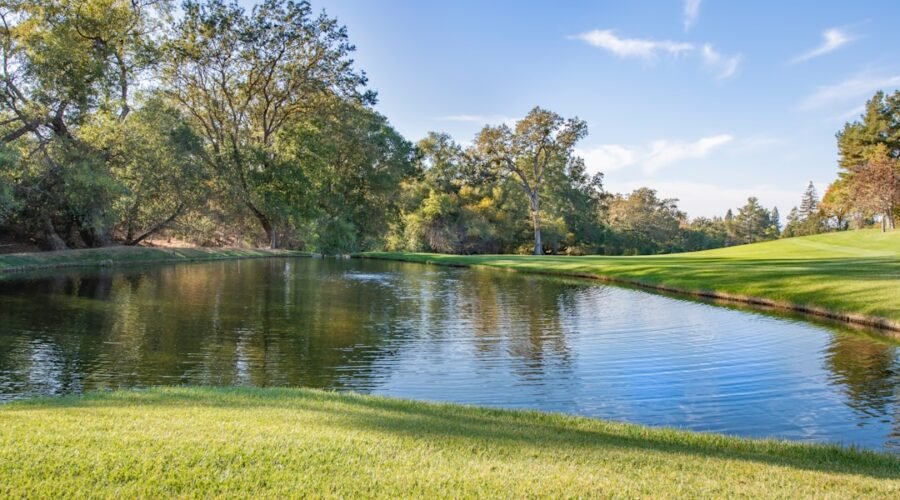
Planning a trip to Solhan, Bingöl? The best time to visit Solhan, Bingöl, is generally May to June or September to early October. These months offer a useful balance of comfortable weather, natural scenery, and quieter sightseeing. Summer brings longer, drier days, while winter offers snowy landscapes but more difficult travel conditions.
Solhan is a peaceful district in eastern Turkey, best known for its Floating Islands Natural Monument. Your ideal travel dates depend on whether you prefer hiking, photography, cultural experiences, or a quiet countryside escape.
Quick Answer
May, June, and September are excellent months to visit Solhan, Bingöl. Choose May for green landscapes, June for longer outdoor days, or September for warm weather with less summer heat. July and August are drier but hotter. December through February is best reserved for travelers prepared for snow and freezing conditions.
Last checked: October 28, 2026. Key climate figures and 2027 holiday dates were verified against official sources.
Best Time to Visit Solhan, Bingöl: Monthly Weather Guide
Solhan has a continental climate with hot, dry summers and cold, snowy winters. Spring and autumn bring more changeable conditions, including rain and cool evenings.
The Turkish Meteorological Service’s Solhan climate classification confirms hot summers, cold winters, and a strong summer moisture deficit.
The following table uses the official Bingöl climate statistics for 1961–2025. These figures describe Bingöl’s provincial climate, not measurements taken in Solhan itself. Solhan sits at a higher elevation, so local temperatures can differ.
| Month | Average Daily High | Average Monthly Precipitation | Travel Conditions |
|---|---|---|---|
| January | 2.5°C | 136.5 mm | Very cold, snowy conditions possible |
| February | 4.0°C | 127.4 mm | Cold, with winter travel risks |
| March | 9.7°C | 134.4 mm | Cold and changeable |
| April | 16.9°C | 115.7 mm | Greener scenery, frequent rain |
| May | 22.9°C | 77.9 mm | Excellent for nature visits |
| June | 29.5°C | 20.1 mm | Sunny, increasingly hot |
| July | 34.6°C | 7.0 mm | Very hot and dry |
| August | 34.8°C | 4.3 mm | Hot, with little rainfall |
| September | 29.8°C | 12.6 mm | Warm and relatively dry |
| October | 21.7°C | 64.1 mm | Cooler, with autumn colors |
| November | 12.7°C | 107.3 mm | Cold and increasingly wet |
| December | 5.4°C | 133.9 mm | Cold, with snow possible |
Important: Average daily highs are not the same as average temperatures throughout the day. For example, Bingöl’s average July temperature is 26.7°C, but its average daily high reaches 34.6°C. Precipitation totals include rain and the water equivalent of snow.
Spring in Solhan (March to May): Best for Green Landscapes
Spring is one of the most rewarding seasons for exploring Solhan’s countryside. The landscape gradually becomes greener, flowers begin to appear, and outdoor conditions improve as May approaches.
Weather and Natural Scenery
March can still feel like winter, particularly in higher areas. April brings warmer days but frequent rainfall. By May, daytime conditions are generally more comfortable for walking and sightseeing.
Spring rain supports fresh vegetation around valleys, meadows, and wooded areas. However, muddy paths and cool evenings can make outdoor trips less predictable.
Crowds and Travel Costs
Solhan is generally quieter than Turkey’s major sightseeing destinations. Spring often offers a relaxed experience, although weekends and public holidays may bring more domestic visitors.
Accommodation may be easier to arrange outside summer. Still, lower prices are not guaranteed because Solhan has a smaller lodging market.
Best Spring Activities
- Nature walks: Explore suitable countryside routes once snow and mud conditions improve.
- Floating Islands: Visit the protected lake area to see the surrounding greenery.
- Photography: Capture wildflowers, fresh vegetation, and spring landscapes.
- Cultural experiences: Spend time in local communities, try regional food, and learn about everyday life.
Best spring month: May is the strongest choice for most visitors. April is worth considering if you enjoy lush scenery and do not mind rain.
Summer in Solhan (June to August): Best for Long Outdoor Days
Summer offers the longest daylight hours and the driest weather. June is particularly attractive for outdoor sightseeing before the strongest heat of July and August.
Although Solhan’s elevated location can make evenings feel cooler, summer afternoons can still become very hot.
Weather and Outdoor Conditions
June brings a sharp decrease in rainfall. July and August are especially dry, making planned excursions less likely to be interrupted by showers.
However, the heat can make exposed walking routes uncomfortable during the middle of the day. Early mornings are usually more suitable for demanding outdoor activities.
Summer Crowds and Accommodation
Summer is a popular period for domestic travel and family outings. Attractions such as the Floating Islands may receive more visitors on weekends and during holidays.
Accommodation demand may also increase, particularly in nearby larger towns. Booking ahead gives you more choice, especially if you require a particular room type.
Best Summer Activities
- Outdoor exploration: Use the long daylight hours for countryside drives and extended sightseeing.
- Mountain biking: Explore suitable roads where access and riding conditions permit. Do not assume that dedicated marked cycling trails are available.
- Picnics: Enjoy designated recreational areas while avoiding the hottest hours.
- Photography: Photograph open valleys, mountain scenery, and natural attractions in the softer morning or evening light.
June is the best summer compromise for many travelers. July and August suit visitors who prioritize dry weather and can manage high daytime temperatures.
Autumn in Solhan (September to November): Best for Photography and Quiet Trips
Autumn combines changing landscapes with gradually cooler weather. September is especially appealing because it retains much of summer’s dryness while offering a quieter atmosphere.
Weather and Seasonal Colors
September remains warm, so outdoor sightseeing is generally comfortable if you avoid the hottest hours.
October brings cooler conditions and more rainfall. Deciduous trees begin changing color, adding yellow and brown tones to the countryside.
November is noticeably colder and wetter. Shorter days and unsettled weather can limit the time available for outdoor activities.
Crowds and Costs
Visitor numbers often ease after the main summer holiday period. You may find quieter viewpoints and more flexibility when arranging accommodation.
Autumn can also be a good time to compare lodging prices, although actual savings depend on the property and travel dates.
Best Autumn Activities
- Autumn photography: Capture woodland colors, hillsides, and softer seasonal light.
- Nature walks: Enjoy cooler conditions on suitable routes before winter weather develops.
- Scenic drives: Explore the countryside and stop at safe viewpoints.
- Local culture: Visit markets and food establishments where seasonal produce and regional dishes may be available.
September is ideal for comfortable outdoor trips. October is better if your main interest is autumn scenery and photography.
Winter in Solhan (December to February): Best for Snowy Scenery
Winter transforms Solhan into a cold mountain destination where snow and freezing temperatures are common. It offers peaceful scenery but is the least convenient season for ordinary sightseeing.
Weather and Snowfall
December brings shorter days and increasingly cold conditions. January and February can be particularly harsh, with snow, frost, and icy roads.
Mountain areas may have deeper snow than lower settlements. Travel plans can change quickly following heavy snowfall.
Warning: Snow, ice, and freezing weather can make roads and outdoor paths dangerous. If you drive in winter, use appropriate winter tires and carry equipment required for the conditions. Avoid isolated routes during severe weather or when access is uncertain.
Crowds and Accommodation
Winter generally brings fewer leisure visitors. However, a quiet tourism season does not always mean cheaper accommodation.
Some small properties may operate with reduced services or close temporarily. Heated accommodation and dependable transportation should take priority over finding the lowest advertised rate.
Best Winter Activities
- Snow photography: Capture snow-covered hills, trees, and rural landscapes from accessible locations.
- Winter walking: Take short walks where conditions are safe. Snowshoeing requires suitable terrain, equipment, and experience.
- Indoor relaxation: Enjoy local food, hot drinks, and a slower travel schedule.
- Cultural exploration: Spend time in the town and experience local daily life during the colder months.
Winter is best for experienced cold-weather travelers. For a first visit focused on nature, late spring or early autumn is usually easier.
When Should You Visit Solhan’s Floating Islands?
The Floating Islands, known locally as Yüzen Adalar, are Solhan’s best-known natural attraction. May, June, and September are especially suitable for enjoying the lake and its surrounding landscape.
The Ministry of Agriculture and Forestry identifies the site as a protected natural monument covering 38.4 hectares. It received natural monument status in 2003.
The lake has three independent floating islands formed from vegetation and intertwined roots. These natural formations can move slowly across the water.
Location and Access
The natural monument is near Hazarşah village, in the Aksakal area of Solhan district.
The Ministry’s regional office places it approximately 10 kilometers from Solhan town and describes asphalt-road access.
Visitors can enjoy viewing areas, recreational spaces, and routes around the protected landscape. The site is suitable for nature observation and photography.
Opening Hours and Admission
The government’s Nature Tourism Directory lists visiting hours of 07:00–19:00. However, the Ministry of Education’s visitor information lists 08:00–17:00 daily.
These official listings do not agree. A visit during the shared 08:00–17:00 period is the more conservative plan, although current access still needs local confirmation.
A reliable, site-specific admission charge could not be established. Do not assume that entry, parking, camping, or other services will all be free.
Pro Tip: Bring drinking water and a small snack when visiting the Floating Islands. Food and drink options at the site may be limited. Stay on permitted paths and viewing areas to protect the delicate floating vegetation.
Which Dates Are Busiest in Solhan in 2027?
Public holidays and school vacations can increase domestic travel, even in quieter destinations such as Solhan. These dates matter when choosing accommodation and arranging transportation.
The official 2027 Turkish holiday calendar confirms the main public holidays. The Ministry of Education’s 2026–2027 school calendar provides school break dates.
| Season | 2027 Important Dates | Travel Considerations |
|---|---|---|
| Spring | March 9–11: Ramadan Bayramı; April 23: National Sovereignty and Children’s Day; May 16–19: Kurban Bayramı | Holiday travel may increase demand for transport and accommodation. |
| Summer | June 25: School year ends; July 15: Democracy and National Unity Day; August 30: Victory Day | School vacations and public holidays may bring additional domestic visitors. |
| Autumn | October 29: Republic Day, with the holiday beginning October 28 at 13:00 | A long weekend may affect transportation and lodging demand. |
| Winter | January 1: New Year’s Day; January 25–February 5: School semester break | Family travel may increase, but winter weather remains a major consideration. |
These are national holidays and school dates, not confirmed local festival dates. No reliable official schedule was established for specific Solhan spring, summer, or harvest festivals in 2027.
How Much Does It Cost to Visit Solhan?
The cost of visiting Solhan depends mainly on transportation, accommodation, meals, and any paid facilities you use. A reliable current seasonal price comparison was not available, so fixed daily budgets would be misleading.
Accommodation and Transportation
Spring and autumn may provide better accommodation flexibility than summer holiday periods. Winter can also bring occasional off-season offers, but reduced availability may limit your choices.
Travelers with specific requirements, such as family rooms, heating, or private parking, should compare suitable properties rather than focusing only on room prices.
Transportation costs depend on your starting point and whether you use public transport, taxis, or a rental vehicle.
Activities and Entrance Fees
Countryside sightseeing and photography generally require little specialized equipment. However, protected areas may have entry or service charges.
Turkey’s Ministry of Agriculture and Forestry publishes the 2026 protected-area fee schedules, covering categories such as admission, vehicles, and camping.
These national schedules do not establish a confirmed individual admission price for every attraction. Budget separately for any services you plan to use.
Choosing the Best Season for Your Travel Style
The best time depends on what you enjoy most. Although May, June, and September are the most versatile choices, other months may suit a specific type of trip.
For Hiking and Outdoor Adventures
Choose May, June, or September. These months offer a better balance of daylight and comfortable weather for most outdoor plans.
Summer is useful for longer excursions, but heat can make demanding routes uncomfortable. Spring paths may remain muddy or snowy in higher terrain.
For Budget Travelers
Consider April, October, or November if your schedule is flexible. These months fall outside the main summer holiday period and may offer more accommodation choices.
Winter may be quieter, but additional transport requirements and limited services can offset savings.
For Peace and Quiet
Visit during April, May, September, or October, preferably outside weekends and major holidays.
Solhan is not a mass-tourism destination, so even summer can feel relatively peaceful compared with Istanbul or Cappadocia.
For Photographers
Choose April or May for spring greenery and flowers. September and October are better for autumn tones and softer seasonal light.
Winter also offers dramatic snowy landscapes, although access and weather conditions can limit photography locations.
For Cultural Experiences
Cultural exploration is possible throughout the year. You can visit local markets, try regional dishes, and experience daily life in the town.
Rather than relying on an unconfirmed festival, plan time for independent exploration and local food experiences.
What Should You Pack for Solhan?
Pack according to the season, but remember that cooler evenings and changing mountain weather can occur outside winter.
- Spring: A light rain jacket, layered clothing, and shoes suitable for damp ground.
- Summer: Breathable clothing, sun protection, comfortable walking shoes, and sufficient water.
- Autumn: Warm layers, a waterproof outer layer, and comfortable footwear for countryside walks.
- Winter: Insulated clothing, waterproof boots, gloves, and cold-weather accessories.
Before setting out, review the local weather forecast and road conditions. This is particularly important for rural excursions and journeys between Solhan and nearby settlements.
Frequently Asked Questions
1. What is the best time to visit Solhan, Bingöl for good weather?
May, June, and September are among the best months to visit Solhan for comfortable outdoor sightseeing. May offers green landscapes, June has longer and drier days, and September combines warm weather with relatively little rainfall. July and August are hotter, while winter brings snow and freezing conditions.
2. When is the peak tourist season in Solhan, Bingöl?
Summer, particularly July and August, is the main period to consider for higher domestic tourism demand. School holidays, weekends, and national holidays may attract additional visitors to local natural attractions. However, Solhan generally remains much quieter than Turkey’s major tourist destinations.
3. What is the off-peak season in Solhan, Bingöl?
Winter, from December through February, is generally the quietest season for leisure sightseeing in Solhan. Snow, freezing temperatures, and difficult travel conditions discourage some visitors. Although accommodation discounts may be available, certain properties and services may operate on reduced schedules.
4. When is the best time to visit Solhan to avoid crowds?
April, May, September, and October are good choices for avoiding the main summer holiday period. Weekdays outside public holidays are usually more suitable for a peaceful visit. September is especially appealing because the weather remains relatively dry while summer travel demand begins to ease.
5. How does the cost of visiting Solhan vary throughout the year?
Travel costs can vary with accommodation demand, transportation choices, and holidays. Summer may bring stronger demand, while spring, autumn, and winter can offer opportunities for lower room prices. However, no reliable fixed seasonal price range was confirmed, and winter travel expenses can increase because of weather conditions.
6. When is the best time to see the Floating Islands in Solhan?
May, June, and September are excellent months to see Solhan’s Floating Islands. Spring brings fresh vegetation, while early summer and September offer relatively dry conditions. The protected site has viewing areas and recreational facilities, but published visiting hours differ between government sources.
7. Does it snow in Solhan, Bingöl?
Yes, Solhan experiences snowfall during its cold winter season. December, January, and February can bring freezing temperatures, snow-covered landscapes, and icy roads. Snow may also remain in higher areas during early spring, so winter and early-season outdoor travel requires suitable preparation.
Sources
- Turkish Meteorological Service, Bingöl Climate Statistics: Monthly temperature, rainfall, and seasonal climate data for 1961–2025.
- Turkish Meteorological Service, Solhan Climate Classification: Solhan’s seasonal climate characteristics.
- Ministry of Agriculture and Forestry, Floating Islands Natural Monument: Protected status, size, location, access, and facilities.
- Nature Tourism Directory, Yüzen Adalar: Government listing of the site and published visiting hours.
- Ministry of Education, Floating Islands Visitor Information: Alternative published visiting hours and practical visitor notes.
- Presidency of Religious Affairs, Official 2027 Holiday Calendar: National and religious holiday dates.
- Ministry of National Education, 2026–2027 Academic Calendar: School term dates and vacation periods.
- Ministry of Agriculture and Forestry, 2026 Protected-Area Fee Schedules: Official categories of protected-area fees and services.

[…] Solhan, Bingöl […]
[…] Solhan, Bingöl […]
[…] Ada is in the Solhan district at Hazarşah village’s Aksakal area, about 45 km from Bingöl city according to the […]