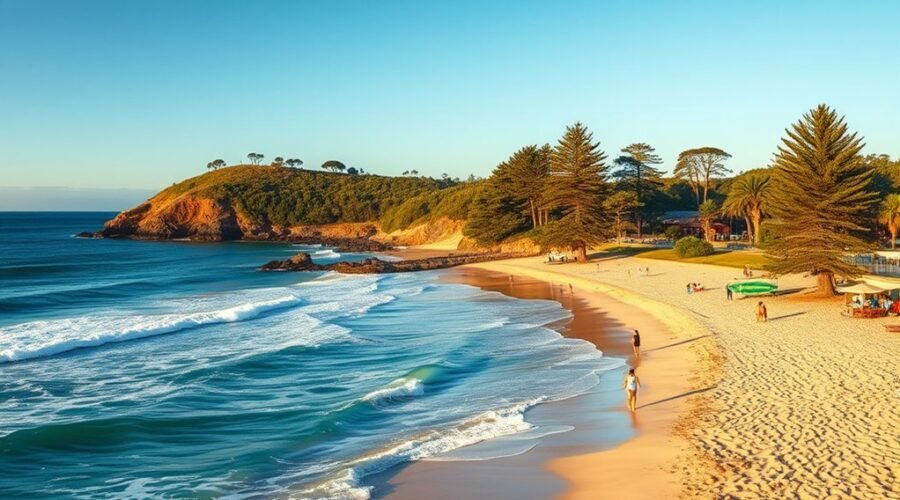
The best time to visit Terrigal depends on whether you want warm beach days, peaceful coastal walks, or a lively holiday atmosphere. This seaside town on the Central Coast of New South Wales changes noticeably with the seasons. Knowing when crowds arrive, how warm the weather gets, and what activities suit each month will help you plan a better trip.
Quick Answer
The best time to visit Terrigal is generally March to May or September to November. Autumn offers comfortable beach weather and fewer visitors, while spring is excellent for coastal walks and wildflowers. Choose December to February for warmer swimming conditions, or June to August for quieter beaches, whale watching, and potentially cheaper accommodation.
Last checked: 23 October 2026. Dates and figures were verified against official sources.
Key Takeaways
Key Takeaways
- Summer (December–February): Best for swimming, surfing, beach holidays, and lively cafés, but expect the largest holiday crowds.
- Autumn (March–May): An excellent balance of comfortable weather, outdoor activities, and a quieter atmosphere outside school holidays.
- Spring (September–November): Ideal for wildflowers, coastal walking, surf lessons, and outdoor markets.
- Winter (June–August): Best for quiet getaways, whale watching, dramatic ocean scenery, and potentially lower accommodation rates.
- Best budget strategy: Travel midweek outside NSW school holidays and compare accommodation with flexible cancellation options.
Best Time to Visit Terrigal: A Simple Decision Guide
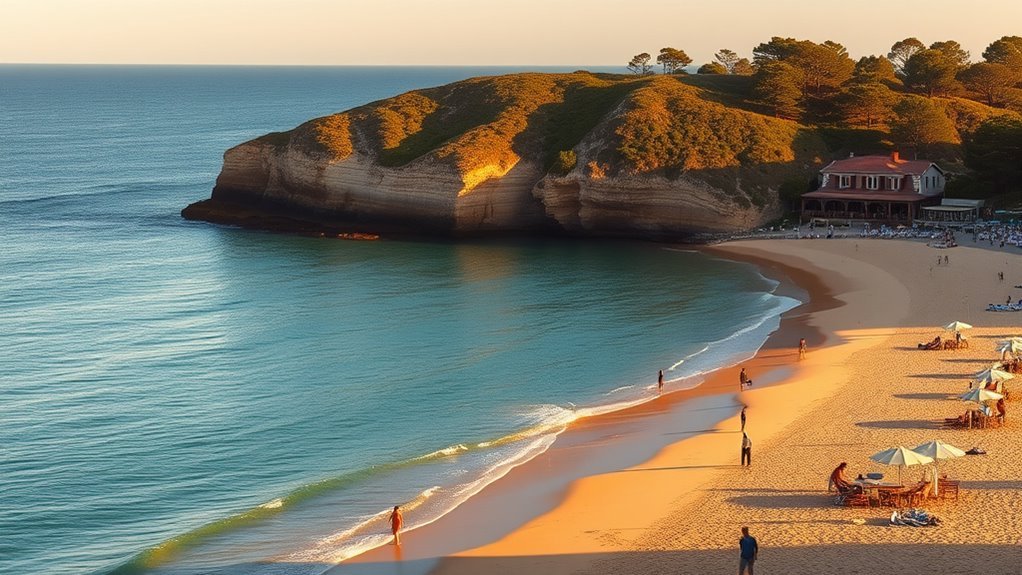
For most visitors, autumn and spring offer the best overall experience in Terrigal. Both seasons provide pleasant conditions for exploring the beach, The Skillion lookout, nearby nature reserves, and waterfront cafés without the busiest summer atmosphere.
However, your ideal season depends on what you want from the coast.
- For swimming and beach activities: Choose summer, especially December through February.
- For warm days without peak crowds: Try March or April, avoiding Easter and school holidays.
- For wildflowers and hiking: Visit September through November.
- For peace and relaxation: Choose winter or a midweek visit in autumn.
- For whale watching: May through November provides seasonal opportunities, with winter particularly good for watching northbound whales.
- For photography: Spring and autumn offer comfortable walking conditions and attractive early morning or late afternoon light.
If you have flexibility, a weekday stay outside major holidays is often the easiest way to enjoy Terrigal at a slower pace.
Summer is still an excellent choice when warm water, surf lessons, and a social atmosphere matter more than avoiding crowds.
Terrigal’s Climate by Season
Terrigal has a temperate coastal climate, with warm summers, mild winters, and changing rainfall throughout the year. Outdoor activities are possible in every season, although ocean conditions, wind, and rain can affect individual days.
The following figures come from the Australian Bureau of Meteorology’s Norah Head AWS climate records, station 061366. Norah Head is a nearby coastal weather station, so these are useful regional averages rather than exact measurements from Terrigal itself.
| Season | Average Daily High | Average Daily Low | Crowds and Best Activities |
|---|---|---|---|
| Spring September–November |
21.3–24.0°C | 12.9–16.9°C | Usually moderate outside holidays; wildflowers, walking, and markets |
| Summer December–February |
25.3–26.4°C | 18.5–20.1°C | Busiest around summer holidays; swimming, surfing, and family activities |
| Autumn March–May |
20.4–25.4°C | 13.2–19.0°C | Generally quieter outside Easter; coastal walks, paddling, and cafés |
| Winter June–August |
17.6–19.0°C | 9.9–11.0°C | Often quietest; whale watching, photography, and relaxed stays |
Temperature ranges show the lowest and highest monthly averages within each season, not the full range of temperatures you might experience. Source: Bureau of Meteorology, Norah Head AWS, station 061366.
Summer temperatures can exceed 30°C during hot spells. Winter nights can feel much colder than daytime averages, particularly when strong winds reach exposed headlands.
Rain is possible throughout the year. At Norah Head, average monthly rainfall ranges from about 61 mm in September to about 142 mm in June. Therefore, don’t assume summer is always dry or winter is consistently stormy.
For a comfortable trip, pack sunscreen, walking shoes, and a light waterproof jacket. Add warmer layers for winter mornings and evenings.
Spring in Terrigal: Wildflowers, Weather & Events
Spring, from September to November, is one of Terrigal’s best seasons for walking and exploring. Temperatures rise gradually, coastal vegetation begins flowering, and outdoor cafés become increasingly inviting.
You can enjoy the beach without the strongest summer heat, although September school holidays and popular weekends still bring visitors.
Wildflower Viewing Spots
Spring is a rewarding season for discovering native plants around Terrigal and the wider Central Coast. Look for banksias, native daisies, orchids, and other flowering plants in suitable coastal bushland.
Some of the best places to explore include:
- The Skillion: A convenient headland viewpoint close to Terrigal Beach, with broad ocean views and coastal vegetation.
- Terrigal Lagoon: A quieter area for observing birds and exploring the surrounding landscape without needing a demanding hike.
- Wyrrabalong National Park: A particularly good destination for spring wildflowers, coastal heathland, and birdlife.
- The Coast walking track: A scenic route between Bateau Bay and Forresters Beach where native orchids and flannel flowers may bloom.
- Coastal areas near Avoca: Additional opportunities for exploring local vegetation and enjoying quieter natural scenery.
The NSW National Parks guide to The Coast walking track describes a 3 km one-way route taking approximately 1 hour 15 minutes to 1 hour 45 minutes.
The track is Grade 3, with steps and short steep sections. It is suitable for reasonably comfortable walkers but is not a level, stroller-friendly path.
Stay on marked tracks, avoid trampling plants, and leave wildflowers where they grow.
Mild, Pleasant Weather
Spring weather is usually comfortable for sightseeing, with cool mornings and progressively warmer afternoons.
Regional average daytime highs rise from 21.3°C in September to 24.0°C in November. These temperatures suit walks around Terrigal Haven, beach photography, and afternoons at waterfront cafés.
September may feel cool for extended swimming, while late spring is generally more inviting as the weather warms.
Surf conditions still vary with swell and wind. Choose a lesson based on current conditions rather than assuming the ocean will always be calm in spring.
Springtime Local Events
Spring brings opportunities to enjoy markets, live music, community activities, and local art around Terrigal.
A confirmed example is Terrigal Beach Markets, with listed dates of 7 November and 5 December 2026, from 9 am to 3 pm.
The markets take place at 66 Terrigal Esplanade and offer free entry. They feature local makers, artists, designers, food producers, and small businesses.
Other activities worth considering include:
- Browsing community markets and pop-up galleries.
- Listening to live music at local venues.
- Watching surf competitions when scheduled.
- Joining guided nature or wildflower walks when available.
- Taking part in outdoor wellness or yoga sessions.
Specific festival and competition dates vary, so avoid assuming every event runs on the same weekend each year.
Who should visit in spring? Walkers, nature lovers, couples, photographers, and travelers who enjoy a mix of outdoor activities and relaxed dining.
Summer in Terrigal: Weather, Crowds & Costs
Summer is Terrigal’s busiest and most energetic season. From December through February, warm weather draws families, surfers, swimmers, and weekend visitors to the coastline.
Regional average daytime highs reach approximately 25–26°C, although hotter days occur. Long daylight hours make it easy to combine the beach with coastal sightseeing and evening dining.
Terrigal Beach becomes a popular place for swimming, surf lessons, and enjoying the seaside atmosphere. You may also spot seabirds, dolphins, or other marine wildlife offshore, although sightings are never guaranteed.
For families, the beachfront, nearby rockpool, and accessible promenade provide several ways to enjoy the coast without spending the whole day in the surf.
Early mornings often offer a more peaceful atmosphere before the beach and cafés become busy.
Summer Crowds and Accommodation Costs
Terrigal is especially busy during the Christmas and New Year period, summer school holidays, and sunny weekends.
Beachfront resorts, holiday apartments, and popular restaurants can fill quickly. Accommodation prices are often higher during these periods, although exact rates depend on the property and booking dates.
Staying slightly away from the beachfront or booking outside the busiest holiday weeks can make a noticeable difference to your options.
| Aspect | What to expect |
|---|---|
| Weather | Warm, sometimes humid, with occasional very hot days and rain |
| Crowds | Busy weekends and major holiday periods; often quieter early mornings and weekdays |
| Costs | Often the highest accommodation demand; early planning gives more choice |
Swimming and Surf Safety in Summer
Terrigal Beach is a patrolled beach during the regular beach patrol season, which generally runs from late September to the end of April.
Patrol coverage and hours are not necessarily the same every day, and beaches can be dangerous even when the weather appears pleasant.
Warning: Rip currents and changing surf conditions can make swimming dangerous. Swim between the red and yellow flags when lifeguards or lifesavers are on duty. Keep away from exposed rock platforms during large swells, storms, or dangerous seas.
Pack swimwear, sunscreen, a hat, drinking water, and suitable footwear for coastal exploring. Water shoes may help around rocky areas, but they do not make unsafe rock platforms safe.
Who should visit in summer? Families on school holidays, swimming enthusiasts, surfers, and travelers who enjoy active beaches and lively restaurants.
Autumn in Terrigal: Warm Days & Fewer Crowds
Autumn, from March to May, offers one of the best combinations of comfortable weather and smaller crowds. Early autumn can still feel pleasantly warm, while later months are better suited to long walks and relaxed outdoor dining.
Outside Easter and school holiday periods, Terrigal generally feels less crowded than in summer.
Mild Daytime Temperatures
Autumn begins with relatively warm conditions and gradually becomes cooler. Regional average daytime highs fall from 25.4°C in March to 20.4°C in May.
March is especially attractive for visitors who want beach time without the strongest summer holiday crowds.
April suits a combination of sightseeing, café visits, and coastal activities, while May brings cooler mornings and comfortable walking temperatures.
Several activities work particularly well during autumn:
- Beach walks: Enjoy the sand and coastal scenery with fewer visitors outside holiday weekends.
- Paddleboarding: Explore sheltered water when weather, wind, and local safety conditions allow.
- Surf lessons: Take advantage of available classes suited to your experience level and the day’s conditions.
- Photography: Capture the coastline during early morning or late afternoon light.
- Markets and cafés: Browse local stalls when scheduled and take time over a waterfront meal.
May also marks the beginning of the broader whale migration viewing period along this part of the NSW coast.
Lower Tourist Numbers
Autumn’s quieter atmosphere makes Terrigal appealing to travelers who prefer flexibility. You can often enjoy coastal viewpoints and beachfront cafés without the same level of summer congestion.
There are important exceptions.
Easter, public holiday weekends, and NSW autumn school holidays can temporarily increase visitor numbers. Families often travel during these periods even though summer has ended.
If you want a quieter stay, prioritize ordinary weekdays rather than major holiday dates.
Autumn is also a good time to explore smaller galleries, attend local cultural activities, or join nature-focused walks when organized.
These experiences give you opportunities to learn about the area’s environment and community without building your trip around crowded beach activities.
Who should visit in autumn? Couples, solo travelers, walkers, photographers, and visitors who want a balanced beach holiday with fewer crowds.
Winter in Terrigal: Quiet Beaches and Storm-Watching
Winter is the best time to visit Terrigal if your priority is peace rather than swimming. From June through August, the beachfront is often much quieter, and the cooler weather creates a different coastal atmosphere.
Regional average daytime highs are around 18°C, while overnight temperatures can fall close to 10°C on average.
The beaches, walking paths, and cafés remain attractive, but you will want warmer clothing and more flexible outdoor plans.
Whale Watching and Coastal Wildlife
Winter is particularly rewarding for whale watching along the Central Coast.
Humpback whales migrate along the NSW coast between approximately May and November, and winter is an important period for their northbound journey.
The Skillion offers elevated ocean views close to Terrigal. Another excellent location is Crackneck Point lookout in nearby Wyrrabalong National Park.
Bring binoculars if whale watching is a major part of your trip. Sightings depend on migration timing, visibility, and sea conditions.
You may also spot dolphins and seabirds while exploring the coastline.
Winter Events and Cultural Activities
Winter is not always event-free. Community celebrations can temporarily make the beachfront busier.
One example is the 5 Lands Walk, which took place on Saturday, 20 June 2026.
The event’s approximately 10 km route connected Macmasters Beach, Copacabana, Avoca, North Avoca, and Terrigal.
It included cultural performances, art, music, and community activities, with Terrigal hosting closing celebrations. Registration for the 2026 event was free, and complimentary shuttle buses connected the participating beaches.
Future editions may have different dates and arrangements.
Storm-Watching and Quiet Winter Breaks
Winter can bring striking ocean scenery, stronger winds, and stormy periods. Watching the changing coastline from a sheltered café or accommodation with ocean views can be memorable.
However, storms are not guaranteed, and some winter days are clear and pleasant.
During rough conditions, stay away from rock ledges, cliff edges, and exposed waterfront areas. Choose a sheltered viewpoint rather than approaching large waves.
Winter may also offer lower accommodation rates than peak summer periods. This makes it appealing for longer, quieter stays, although school holidays and special events can still affect prices.
Who should visit in winter? Whale watchers, photographers, couples seeking a quiet escape, and travelers who enjoy coastal scenery without needing warm swimming conditions.
Terrigal Activities by Season: Beaches, Walks & Cafés
Terrigal offers activities throughout the year, but choosing the right season makes each experience more enjoyable. Swimming and surf lessons are most attractive in warmer weather, while walking, wildlife watching, and relaxed dining work across several seasons.
Choose summer for swimming, autumn for relaxed beach days, spring for wildflowers, and winter for whale watching and quiet coastal scenery.
Terrigal Beach and the Rockpool
Terrigal Beach is the town’s main attraction, with a sandy shoreline, surf conditions, and easy access to shops and restaurants.
Summer is the most popular season for spending long periods on the sand. Early autumn and late spring can also be enjoyable when temperatures and sea conditions are suitable.
The rockpool near the southern end of the beach offers a different coastal experience, especially for families, but supervision and an awareness of wave conditions remain essential.
The Skillion and Terrigal Haven
The Skillion is one of Terrigal’s most recognizable landmarks. The elevated headland provides panoramic ocean views and opportunities for photography and seasonal whale watching.
From the beach area, you can explore Terrigal Haven and continue towards the headland.
Spring and autumn are particularly comfortable for walking, while clear winter days provide excellent views over the Pacific Ocean.
The Haven also offers places to sit, enjoy the coastal setting, and watch boats and seaside activity.
Coastal Walking and Nature Exploration
For a more substantial walk, visit Wyrrabalong National Park north of Terrigal.
The Coast walking track passes through coastal forest between Bateau Bay and Forresters Beach, with views from nearby headlands and lookouts.
Spring brings wildflowers, while winter provides whale watching opportunities. In summer, start early to avoid the hottest part of the day.
Other worthwhile activities include:
- Taking sunrise photographs along Terrigal Beach.
- Exploring the coastal viewpoints around The Skillion.
- Watching surfers from a safe position on shore.
- Enjoying seasonal birdlife and marine wildlife.
- Browsing local markets, galleries, and craft stalls.
- Spending a quiet afternoon at a café along The Esplanade.
Surfing and Water Activities
Terrigal attracts beginners and experienced surfers, and local surfing schools offer lessons for different skill levels.
Surf instruction may be available across the year, with sessions adjusted to weather, swell, and instructor availability.
Summer is attractive for warmer weather, while autumn and spring can provide comfortable conditions for visitors who want to combine surfing with other outdoor activities.
For paddleboarding or other water activities, choose conditions appropriate to your experience rather than relying on the season alone.
Budget & Booking Tips to Avoid Peak Prices
The easiest way to save money on a Terrigal trip is to avoid the busiest school holiday periods and travel midweek when possible. Accommodation demand can rise sharply around summer holidays, Easter, and popular long weekends.
The official NSW school holiday calendar identifies the following periods that are especially useful when planning travel.
| NSW School Holiday Period | Official Dates | Travel Impact |
|---|---|---|
| Summer 2026–27, Eastern Division | 18 December 2026 – 27 January 2027 | High demand is likely, particularly around Christmas, New Year, and January weekends |
| Autumn 2027 | 12–23 April 2027 | More family visitors than an ordinary autumn school week |
| Winter 2027 | 5–16 July 2027 | Possible increase in family trips and accommodation demand |
| Spring 2027 | 27 September – 8 October 2027 | Busier beaches and attractions than surrounding school weeks |
Dates refer to the published NSW public school holiday periods. Private schools and some regional schools may use different schedules.
Practical Ways to Save on Accommodation
- Travel midweek: Compare Tuesday-to-Thursday stays with weekend rates.
- Avoid peak holiday dates: Consider late February, ordinary autumn weekdays, or spring outside school holidays.
- Book strategically: For major holiday weekends, begin comparing accommodation around 6–8 weeks ahead, or earlier if you need a particular room type.
- Use refundable bookings: Flexible cancellation policies allow you to reconsider your options if plans change.
- Compare locations: Apartments and B&Bs away from The Esplanade may offer better value than beachfront accommodation.
- Consider self-catering: A kitchen can reduce meal costs, particularly for families and longer stays.
- Use price alerts: Track accommodation costs across several dates instead of assuming the first offer is the cheapest.
Last-minute deals occasionally appear during quieter periods, but availability and savings are never guaranteed.
Free and Lower-Cost Activities
You can enjoy much of Terrigal without spending heavily on attractions.
- Walk along Terrigal Beach and the foreshore.
- Visit The Skillion for panoramic views.
- Enjoy the coastal scenery around Terrigal Haven.
- Bring a picnic instead of buying every meal at a beachfront café.
- Explore suitable nearby walking tracks.
- Attend free-entry community markets and events when scheduled.
- Photograph the sunrise, coastline, and wildlife from public viewing areas.
Surf lessons, equipment rental, guided excursions, and some organized activities are paid experiences.
When driving, pay attention to parking signs and any applicable fees. Public transport can also help reduce parking costs, although fares and service frequency vary.
Best Season for Families, Couples, and Solo Travelers
The best season for Terrigal also depends on who you are traveling with. Families often prefer summer’s warm beach weather, while couples and solo travelers may appreciate the quieter spring and autumn months.
Best Time for Families
Summer is the most popular family season because of warmer temperatures, longer daylight hours, and school holidays.
Children can enjoy the sand, supervised beach activities, coastal sightseeing, and local family-friendly attractions.
Spring and early autumn are excellent alternatives for families who prefer less heat and a more relaxed pace.
Winter can also work well for families interested in whale watching, short walks, and cozy seaside accommodation rather than swimming.
Best Time for Couples
Autumn and spring are particularly appealing for couples. Comfortable weather makes it easier to combine beach walks, scenic lookouts, cafés, and waterfront dining.
March, April, October, and November can be especially attractive when your dates fall outside school holidays and busy weekends.
Winter offers another option for couples who enjoy quiet accommodation, dramatic coastal scenery, and peaceful mornings.
Best Time for Solo Travelers
Solo travelers who value independence may enjoy Terrigal throughout the year.
Spring and autumn are good choices for walking, photography, and exploring at your own pace.
Summer suits visitors interested in surf lessons, social activities, and busy cafés. Winter is appealing if you prefer quiet beaches, reflective walks, and wildlife watching.
Whatever your travel style, select accommodation and activities that suit your mobility, transport options, and preferred daily pace.
Frequently Asked Questions
Are There Dog-Friendly Beaches and Parks in Terrigal?
Yes, there are designated dog-friendly areas around Terrigal and neighboring Wamberal. Central Coast Council identifies an off-leash section of Wamberal Beach between Surfers Lane and Terrigal Lagoon. Terrigal Haven also has dog-friendly areas, but restrictions vary by location. Follow posted signs and keep your dog leashed outside designated off-leash zones.
What Are Public Transport Options to and From Terrigal?
You can travel to Gosford by train and continue to Terrigal by bus. Bus route 67 connects Gosford with Terrigal and North Avoca, while route 68 also serves Terrigal and Wamberal. Opal and contactless payment are accepted on these services. Allow time for connections, particularly during evenings and weekends.
Are There Medical Facilities or Hospitals Nearby?
Yes. Medical services and pharmacies are available in the wider Terrigal and Central Coast area. For hospital emergency treatment, NSW Health identifies emergency departments at Gosford Hospital and Wyong Hospital. For a serious or life-threatening emergency in Australia, call 000. Do not assume every local medical clinic provides overnight emergency care.
Is Terrigal Wheelchair and Stroller Accessible?
Many parts of Terrigal’s beachfront and foreshore are suitable for wheelchairs and strollers, although steep headland paths and sand can present difficulties. Central Coast Council’s accessible beaches program includes seasonal beach matting at Terrigal Beach and free beach wheelchair hire during the patrol season. Matting availability can change with beach conditions.
Can I Cycle Safely Around Terrigal and Nearby Trails?
Yes, cycling is possible around Terrigal and the wider Central Coast, but conditions vary between roads, shared paths, and off-road routes. Some coastal streets become busy during summer and school holidays. Choose routes suitable for your ability, follow signs, watch for pedestrians, and use extra care on steep hills and narrow roads.
Can You Swim at Terrigal Beach All Year?
Swimming is possible in suitable conditions throughout the year, but summer generally offers more comfortable beach weather. Water temperatures are cooler in winter, and lifeguard patrols are seasonal. Always choose a patrolled swimming area with red and yellow flags. Never assume that calm-looking water is free from rip currents or other hazards.
When Is Whale Watching Season in Terrigal?
Whale watching opportunities generally occur from May through November as humpback whales migrate along the NSW coast. Winter is particularly attractive for watching northbound whales. The Skillion and nearby Crackneck Point lookout provide elevated ocean viewpoints. Bring binoculars and allow time for watching, as sightings are not guaranteed.
Conclusion
For the best balance of weather, crowds, and value, visit Terrigal in autumn or spring. March to May is excellent for relaxed beach days and coastal walks, while September to November offers wildflowers, comfortable temperatures, and outdoor events.
Choose summer if swimming and a lively holiday atmosphere are your priorities. Winter is better for quiet getaways, whale watching, and dramatic coastal scenery.
Once you have chosen your season, compare midweek accommodation dates, allow for school holiday crowds, and plan activities around the weather. With the right timing, Terrigal offers a rewarding coastal escape in every season.
Sources
- Australian Bureau of Meteorology — Norah Head AWS: Monthly temperature averages, rainfall data, and regional climate information.
- NSW National Parks and Wildlife Service — The Coast Walking Track: Walking distance, track difficulty, spring wildflowers, seasonal wildlife, and visitor safety.
- NSW Government — Terrigal Beach Markets: Confirmed 2026 market dates, location, hours, and admission information.
- 5 Lands Walk — Official Event Website: The 20 June 2026 event, walking route, cultural activities, registration, and shuttle information.
- NSW Government — School Holidays: Official 2026–27 and 2027 public school holiday dates used for travel planning.
- Central Coast Council — Wamberal Beach: Designated dog-friendly beach area and location restrictions.
- Transport for NSW — Bus Route 67: Public transport connections between Gosford, Terrigal, and North Avoca.
- Central Coast Local Health District — Emergency Information: Nearby hospital emergency departments and emergency contact information.
- Central Coast Council — Accessible Nature: Terrigal Beach accessibility, seasonal beach matting, and beach wheelchair availability.