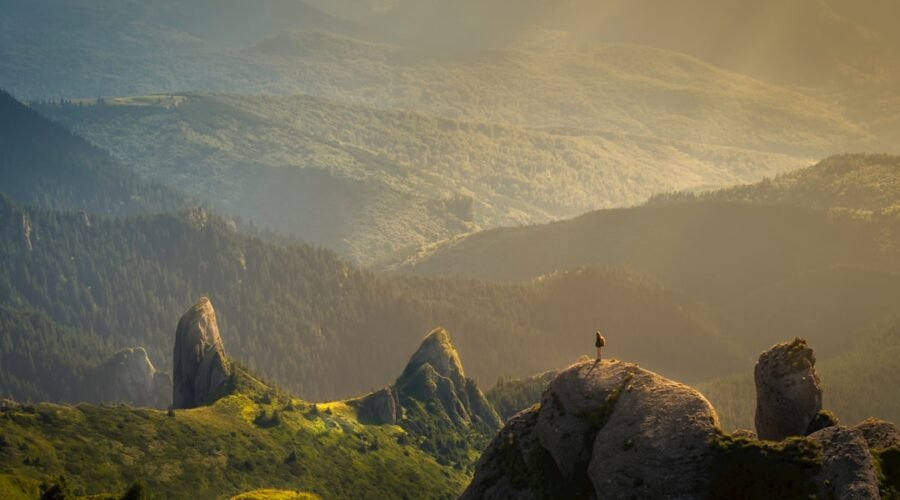
Planning a trip to Uşak, Turkey? The best time to visit Uşak depends on whether you prefer comfortable sightseeing weather, quiet historical sites, or a smaller travel budget. This inland Aegean city has hot summers, cold winters, and two especially pleasant seasons for exploring its museums, ancient ruins, and dramatic canyon landscapes.
Quick Answer
The best time to visit Uşak, Turkey, is April to May or September to October. May and September are particularly good for sightseeing, hiking, and visiting ancient ruins. July and August bring hot, dry weather, while December through February suit travelers who prefer quiet museums and don’t mind cold temperatures.
Last checked: October 23, 2026. Climate figures, official admission information, and stated holiday dates were verified against government sources.
Key Takeaways
- May averages 21.9°C (71.4°F) for daytime highs, making it a comfortable month for walking and outdoor sightseeing.
- September averages 26.4°C (79.5°F) for daytime highs and has fewer rainy days than either April or May.
- July and August have average daytime highs above 30°C (86°F), so outdoor sightseeing is better planned for mornings and late afternoons.
- Blaundos Archaeological Site and the Atatürk and Ethnography Museum are officially listed as free attractions.
- Public holidays and school breaks can increase domestic travel even though Uşak is generally quieter than Turkey’s major coastal resorts.
Best Time to Visit Uşak: Monthly Weather and Seasons
Uşak lies inland in western Turkey’s Aegean region. Unlike coastal resorts, it has greater seasonal temperature differences, with warm, dry summers and cold, wetter winters.
The Turkish State Meteorological Service’s Uşak climate records provide a useful guide to the weather. The figures below come from the official city’s 1939–2025 observation series, rather than short-term forecasts.
Uşak Weather by Month: Average Temperatures and Rainfall
May and September offer some of the most comfortable conditions for outdoor travel. August is the driest month on average, while December has the greatest average monthly rainfall.
| Month | Avg. High | Avg. Low | Rainy Days |
|---|---|---|---|
| January | 7.0°C | -1.2°C | 11.1 |
| February | 8.4°C | -0.6°C | 9.8 |
| March | 11.8°C | 1.4°C | 9.6 |
| April | 16.9°C | 5.3°C | 9.2 |
| May | 21.9°C | 9.2°C | 8.7 |
| June | 26.6°C | 12.7°C | 4.8 |
| July | 30.5°C | 15.5°C | 2.3 |
| August | 30.7°C | 15.7°C | 1.7 |
| September | 26.4°C | 12.0°C | 2.8 |
| October | 20.4°C | 8.0°C | 5.9 |
| November | 14.3°C | 3.9°C | 7.3 |
| December | 8.9°C | 0.8°C | 11.3 |
Source: Turkish State Meteorological Service, official Uşak monthly statistics, observation period 1939–2025. Rainy days are historical monthly averages, rounded to one decimal place. Actual conditions vary from year to year.
Spring (March–May): Green Landscapes and Mild Weather
Spring gradually brings warmer temperatures and greener countryside. May is the strongest choice for travelers who want long walks, sightseeing, and comfortable outdoor meals.
- March: The average daytime high is 11.8°C (53.2°F), and nights remain cold. Rain, frost, and occasional wintry weather are possible. Indoor cultural visits work well, while outdoor plans need flexibility.
- April: Daytime highs average 16.9°C (62.4°F). Trees and flowers begin to brighten the landscape, making city walks and countryside trips more pleasant. Rain remains fairly common, so waterproof clothing is useful.
- May: Average highs reach 21.9°C (71.4°F), with cooler evenings. This is an excellent time for walking around Ulubey Canyon, visiting Blaundos, and taking photographs of the surrounding countryside.
Best for: Nature lovers, hikers, families, photographers, and anyone who wants to explore without intense heat.
Summer (June–August): Hot, Dry, and Sunny
Summer offers the driest weather and plenty of daylight for sightseeing. However, temperatures rise sharply in July and August, especially during the afternoon.
- June: Average daytime highs reach 26.6°C (79.9°F). It is a good option if you want warmer weather without the hottest part of summer. Early June is particularly attractive for outdoor sightseeing.
- July: The average high is 30.5°C (86.9°F), and the city averages only about 2.3 rainy days. Heat can become uncomfortable around exposed ruins and canyon viewpoints.
- August: This is the hottest month by average daytime high, at 30.7°C (87.3°F). Rain is uncommon, but particularly hot days can reach well above the monthly average.
Plan outdoor activities for early morning or late afternoon. Carry drinking water, wear sun protection, and leave the hottest hours for lunch, cafes, or indoor attractions.
Best for: Travelers who enjoy sunshine, dry conditions, and long sightseeing days.
Autumn (September–November): Pleasant Days and Harvest Season
Early autumn is one of Uşak’s most comfortable travel periods. September remains warm and relatively dry, while October brings cooler weather and a greater chance of rain.
- September: Average daytime highs reach 26.4°C (79.5°F), with about 2.8 rainy days. It is excellent for ancient ruins, countryside photography, and outdoor sightseeing.
- October: Average highs drop to 20.4°C (68.7°F). Trees begin changing color, especially in wooded areas, and local markets reflect the autumn harvest. Cooler evenings make a light jacket useful.
- November: Average daytime highs fall to 14.3°C (57.7°F). Rain becomes more frequent, and outdoor excursions may feel chilly. Museums, markets, and traditional cafes become more appealing.
Best for: Photographers, cultural travelers, and visitors who prefer comfortable daytime temperatures with fewer summer holiday travelers.
Winter (December–February): Cold Weather and Quiet Streets
Winter is the coldest time to visit Uşak. Snow is possible, particularly during January and February, although continuous snow cover is not guaranteed.
- December: Daytime highs average 8.9°C (48°F), with overnight lows close to freezing. It is also the wettest month by average precipitation, at 84.6 mm.
- January: The coldest month by average temperature, with daytime highs around 7.0°C (44.6°F) and average lows of -1.2°C (29.8°F). Frost, ice, and occasional snow can affect outdoor sightseeing.
- February: Average daytime highs rise slightly to 8.4°C (47.1°F), but nights remain cold. The season is best suited to travelers interested in museums and everyday local life.
Best for: Travelers seeking a quiet cultural visit who are comfortable with freezing mornings and limited outdoor activity.
When Is Uşak Less Crowded?
Uşak is generally quieter than Istanbul, Cappadocia, and the Aegean coast’s popular holiday resorts. However, domestic holidays, school vacations, and local celebrations can affect accommodation demand and visitor numbers.
There is no reliable citywide monthly tourist-crowd dataset in the official sources reviewed, so the following patterns are practical seasonal expectations rather than measured crowd rankings.
Spring: Comfortable Sightseeing With Holiday Exceptions
April and May usually offer a good balance of pleasant weather and manageable visitor numbers. Most historical sites and city attractions are not overwhelmed by large international tour groups.
Religious holidays can change this pattern. According to Turkey’s Directorate of Religious Affairs’ 2027 calendar, Ramadan Bayramı falls on March 9–11, 2027, while Kurban Bayramı falls on May 16–19, 2027.
These periods can bring extra domestic travel and family visits. They may also affect business hours and transportation arrangements.
Summer: School Holidays and Local Tourism
July and August are common vacation months for Turkish families, so some attractions and accommodation providers can be busier. Uşak still tends to feel quieter than Turkey’s major beach destinations.
The Ministry of National Education’s 2026–2027 school calendar confirms that the school year ends on June 25, 2027. This makes late June onward a period to consider when planning around family holiday travel.
Uşak’s Eşme district is also known for its traditional kilim festival. However, the planned 28th International Eşme Touristic Kilim, Culture and Art Festival on August 21–23, 2026, was postponed and will not take place during 2026, according to the Eşme Municipality’s official announcement. No replacement festival dates for 2027 were confirmed.
Autumn: Relaxed Travel Outside Public Holidays
September and October can feel more relaxed after the main summer vacation period. This makes autumn particularly appealing if you prefer sightseeing without long waits or busy public spaces.
Uşak marks its liberation anniversary on September 1, while Republic Day is observed nationally on October 29. Turkey’s 2026 official holiday calendar lists October 28 as a half-day holiday and October 29 as a full public holiday.
These occasions can bring local commemorations, celebrations, and changes to normal business schedules. Outside holiday periods, autumn offers a comfortable setting for exploring the city.
Winter: Usually the Quietest Travel Period
November through February generally offers the greatest chance of a quiet visit. Fewer people choose Uşak for winter sightseeing, especially when cold weather limits outdoor activities.
School holidays remain an exception. The 2026–2027 academic calendar includes a break on November 16–20, 2026, and a winter vacation from January 25 to February 5, 2027.
If solitude is your priority, ordinary weekdays outside these breaks are a sensible choice.
When Is the Cheapest Time to Visit Uşak?
Late autumn and winter may offer better accommodation value, while summer holidays can increase demand. However, Uşak does not follow the same strong international tourism pricing pattern as major coastal resorts.
Hotel rates depend on the specific property, booking date, weekends, business travel, and local events. Seasonal prices should therefore be treated as a guide, not a guaranteed discount.
Summer: Allow More Room in Your Budget
July and August coincide with Turkey’s main family vacation period. Accommodation demand may rise, especially on weekends and dates connected to local events.
Booking in advance gives you more accommodation choices, although it does not always guarantee the lowest price.
Spring and Autumn: A Good Balance of Value and Comfort
April, May, September, and October are practical choices for travelers who want pleasant weather without planning around peak summer holidays.
These periods can also reduce the need for air-conditioned breaks during sightseeing or extensive winter clothing. Travelers who plan to visit several outdoor attractions may find the overall experience more comfortable.
Late Autumn and Winter: Potential Accommodation Savings
November through February is worth considering if accommodation costs matter more than outdoor weather. Some hotels may offer lower rates during quieter periods.
However, heating needs, colder travel conditions, and reduced outdoor options can offset some savings. Compare actual hotel prices for your dates rather than assuming winter is always cheapest.
What Does Sightseeing in Uşak Cost?
Some of Uşak’s most interesting attractions are free, making the city suitable for a modest sightseeing budget.
According to the Turkish Ministry of Culture and Tourism’s official museum and archaeological-site fee schedule:
- Blaundos Archaeological Site: Free entry for Turkish and international visitors.
- Uşak Atatürk and Ethnography Museum: Free entry for Turkish and international visitors.
- Uşak Archaeology Museum: €3 for foreign visitors under the published tariff. Eligible Turkish citizens can use MüzeKart.
- Ulubey Canyon: The canyon and its surrounding landscape can be explored, but paid facilities, including the glass viewing terrace, may have separate charges. A reliable current official terrace fee was not confirmed.
These are attraction admission charges, not total travel expenses. Accommodation, transportation, meals, and optional activities require separate budgeting.
What to Pack for Uşak in Every Season
What you pack depends greatly on your travel month. Uşak’s inland setting brings cool nights even during otherwise pleasant spring and autumn weather.
Comfortable walking footwear matters throughout the year, particularly if you plan to visit ancient ruins or natural attractions with uneven ground.
Spring Packing Essentials
Spring weather can change quickly between sunshine, wind, and rain. Lightweight layers help you stay comfortable during daytime walks and cooler evenings.
- Layered clothing: Pack T-shirts, long-sleeved tops, a sweater, and a lightweight jacket.
- Waterproof protection: A compact umbrella or rain jacket is useful during March, April, and May.
- Comfortable walking shoes: Choose footwear with good grip for city streets, parks, and historical sites.
- Light scarf: Useful for chilly mornings, breezy viewpoints, and evening walks.
Summer Packing Essentials
July and August call for clothing that protects you from strong sunshine while keeping you cool.
- Breathable clothes: Lightweight cotton, linen, and loose-fitting clothing help reduce discomfort in the heat.
- Sun protection: Pack sunscreen, sunglasses, and a wide-brimmed hat.
- Refillable water bottle: Particularly useful when exploring outdoor archaeological sites and canyon areas.
- Light cardigan: Helpful for cooler indoor spaces or evenings.
- Comfortable sandals or walking shoes: Choose suitable footwear based on whether you will walk in town or on rough outdoor paths.
Autumn Packing Essentials
September can still feel like summer during the day, but October and November require increasingly warm clothing.
- Versatile layers: Pack light clothing alongside a sweater or warmer jacket.
- Waterproof outerwear: Rain becomes more likely later in autumn.
- Closed-toe shoes: Useful when paths become damp or muddy.
- Scarf: Provides additional warmth on chilly mornings and evenings.
Winter Packing Essentials
Winter visitors should prepare for frost, occasional snow, and cold rain. Proper clothing makes museum visits, short walks, and day trips more comfortable.
- Insulated winter coat: Essential for spending time outside in cold weather.
- Warm layers: Thermal tops, sweaters, fleece, and insulated trousers help on freezing days.
- Waterproof boots: Choose footwear with reliable grip for wet or icy ground.
- Hat, gloves, and scarf: Useful for cold mornings and exposed outdoor areas.
- Water-resistant outerwear: Provides protection from snow and winter rain.
Best Things to Do in Uşak by Season
Uşak combines archaeology, nature, traditional crafts, and local culture. The most enjoyable activities change with the weather, but many of the city’s main attractions can be visited throughout the year.
| Month | Weather | Crowds | Costs |
|---|---|---|---|
| March–May | Cool to mild, greener countryside, periodic rain | Generally manageable; holiday spikes possible | Often good value outside holidays |
| June–August | Warm to hot, mostly dry | Potentially busier during summer holidays | Possible seasonal premiums |
| September–November | Warm early, cooler and wetter later | Generally relaxed outside holidays | Potentially good shoulder-season value |
| December–February | Cold, wet, occasional snow | Usually quiet outside school breaks | Possible off-season discounts |
Crowd and accommodation-cost descriptions are general seasonal expectations, not measured monthly visitor counts or verified hotel-price averages.
Spring: Ulubey Canyon, Ancient Ruins, and Nature Walks
Spring is ideal for outdoor exploration, especially from April onward. The countryside becomes greener, and moderate daytime temperatures make long walks more enjoyable.
- Ulubey Canyon: The official Turkish Culture Portal’s Ulubey Canyon guide describes an extensive canyon system along the Ulubey and Banaz streams. Its glass viewing terrace stands about 150 meters above the canyon and provides panoramic views.
- Blaundos Ancient City: Explore ancient gates, temple remains, the stadium, and rocky landscapes surrounding this archaeological site.
- Countryside walks: Enjoy greenery and seasonal wildflowers on suitable local paths and natural areas.
- Picnics and outdoor meals: Mild weather makes spring pleasant for relaxing in designated picnic areas and enjoying local food outdoors.
For a balanced spring trip, combine one outdoor attraction with a museum or a relaxed city visit. This gives you an alternative if rain interrupts your plans.
Summer: Historical Bridges and Early-Morning Sightseeing
Summer is better suited to short outdoor visits with breaks during the hottest hours. The long days make it possible to explore more places without rushing.
- Clandıras Aqueduct: Also commonly called Clandıras Bridge, this historic stone structure crosses the Banaz stream in the Karahallı area. The official Clandıras Aqueduct guide describes a 24-meter-long structure approximately 17 meters high, located along a 7,863-meter ecotourism walking route.
- Early visits to ruins: Visit exposed archaeological sites before the afternoon heat becomes intense.
- Shaded picnic areas: Enjoy local recreation areas where trees and nearby water offer a more comfortable atmosphere.
- Local cultural activities: Look for confirmed concerts, exhibitions, and community programs during your travel dates.
Although summer offers clear skies and dry conditions, exposed canyon and archaeological routes have limited natural shade. Avoid strenuous walking during extreme heat and follow any local access restrictions.
Autumn: Local Markets, Traditional Crafts, and Photography
September and October are excellent for cultural sightseeing and photography. The comfortable temperatures suit exploring open-air sites, markets, and older parts of the city.
- Traditional markets: Browse fresh seasonal produce and locally made goods. Autumn is an interesting time to experience the region’s agricultural character.
- Uşak carpets and Eşme kilims: Learn about local weaving traditions and look for workshops, exhibitions, or places selling traditional textiles.
- Atatürk and Ethnography Museum: Discover exhibits related to local history, traditional carpets, clothing, and the Turkish War of Independence.
- Landscape photography: Photograph countryside scenery, canyon viewpoints, and changing foliage in wooded areas.
- Local food: Enjoy Turkish tea, regional dishes, and seasonal ingredients in cafes and restaurants.
September is especially attractive for outdoor photography because rainfall is relatively low. October offers cooler walks, although the chance of rain increases.
Winter: Uşak Archaeology Museum and Local Culture
Winter is well suited to a slower cultural trip. Rather than spending entire days outdoors, focus on museums, traditional coffee shops, and the city’s historical identity.
The official Uşak Archaeology Museum listing confirms that the museum houses Bronze Age, Hellenistic, Roman, and Lydian artifacts, including the famous Karun Treasure collection.
Its published visitor information is:
- Opening hours: 9:00 a.m. to 5:00 p.m.
- Ticket office closes: 4:30 p.m.
- Closed: Mondays.
- Location: Kurtuluş Mahallesi, Doğan Sokak No: 1, Uşak.
- Admission: Foreign visitor fee €3 under the published ministry tariff; MüzeKart is valid for eligible Turkish citizens.
The museum is particularly interesting if you want to understand Uşak’s ancient history and its connection to the Lydian civilization. The ethnographic displays also provide insight into regional crafts, clothing, and everyday life.
Other enjoyable winter activities include visiting traditional bakeries, relaxing in local tea houses, and taking short walks through the city when the weather permits.
How to Choose the Right Month for Your Uşak Trip
The right month depends on what you want most from your visit. Weather, crowd levels, travel costs, and preferred activities should guide your decision.
If Pleasant Weather Is Your Priority
- Choose May: Comfortable daytime temperatures, green countryside, and good conditions for hiking and sightseeing.
- Choose September: Warm days, limited rainfall, and excellent conditions for exploring ancient ruins.
- Choose April or October: Cooler temperatures that suit walking, provided you’re prepared for occasional rain.
- Choose July or August: Only if you enjoy hotter weather and can arrange outdoor activities around the heat.
If Avoiding Crowds Matters Most
- Choose November through February: These months generally offer the quietest atmosphere, although the weather can limit outdoor sightseeing.
- Choose April, May, September, or October: Good options for comfortable sightseeing without the main summer holiday period.
- Avoid major holiday periods: Domestic travel and local celebrations may increase demand, even outside the summer season.
If Your Travel Budget Is Limited
- Consider late autumn and winter: Accommodation discounts may be available during quieter periods.
- Compare spring and autumn dates: These months can offer an attractive mix of weather and overall travel value.
- Prioritize free attractions: Blaundos and the Atatürk and Ethnography Museum are good examples.
- Account for transportation: Some of Uşak’s natural and archaeological attractions are outside the city center, making travel costs an important part of your budget.
If You Have Particular Activities in Mind
- Hiking and canyon views: Aim for April–May or September–October.
- Ancient ruins: May and September offer a comfortable balance of temperature and rainfall.
- Museums and history: Visit throughout the year, especially during colder or rainy weather.
- Markets and local food: Autumn is attractive for seasonal produce and the regional harvest atmosphere.
- Photography: Choose spring for greenery, early autumn for clearer conditions, and late autumn for changing foliage.
Uşak rewards travelers who enjoy quieter cities, archaeological history, and natural landscapes. For a first visit, May or September offers a particularly practical starting point. Choose your dates around the activities that interest you most, then build your itinerary to include both the city and the surrounding countryside.
Frequently Asked Questions
1. What is the best time to visit Uşak, Turkey, for good weather?
The best time to visit Uşak for comfortable weather is April to May or September to October. May averages 21.9°C for daytime highs, while September averages 26.4°C. Both are good for sightseeing and outdoor activities.
2. When is the peak tourist season in Uşak?
July and August are the main summer holiday months and can bring more domestic visitors to Uşak. However, the city generally attracts fewer international tourists than Turkey’s major coastal destinations. Public holidays may also increase visitor numbers.
3. When is the off-peak tourist season in Uşak?
The quieter travel period in Uşak is generally November through February. Colder weather makes outdoor sightseeing less popular, although school holidays can still affect travel demand. These months suit visitors who prefer a slower cultural trip.
4. Are hotels more expensive in Uşak during summer?
Hotels in Uşak may charge more during summer holidays and busy local events. However, no verified citywide monthly hotel-price data supports a fixed seasonal increase. Actual rates depend on the property, booking dates, and demand.
5. Is it cheaper to visit Uşak in winter?
Winter may be cheaper for accommodation because leisure tourism is generally quieter. Discounts are not guaranteed, however, and some travel expenses remain unchanged. Free attractions can help reduce sightseeing costs regardless of the season.
6. Does it snow in Uşak, Turkey?
Yes, snow is possible in Uşak during winter, especially in January and February. Average January overnight temperatures fall below freezing. However, snowfall and snow cover vary, so a winter visit does not guarantee snowy scenery.
7. How much does Uşak Archaeology Museum cost?
Uşak Archaeology Museum lists a €3 admission fee for foreign visitors, while eligible Turkish citizens can use MüzeKart. Published opening hours are 9:00 a.m. to 5:00 p.m., with Mondays closed. Admission policies may change.
8. Is Blaundos Archaeological Site free to visit?
Yes, Blaundos Archaeological Site is officially listed as free for Turkish and international visitors. Published opening hours are 9:00 a.m. to 5:00 p.m. daily. Spring and autumn are comfortable seasons for exploring its exposed ruins.
Sources
- Turkish State Meteorological Service: Uşak’s 1939–2025 monthly temperature and precipitation statistics.
- Republic of Türkiye Ministry of National Education: Official 2026–2027 school calendar, term dates, and breaks.
- Presidency of Religious Affairs: Official 2027 religious holiday dates.
- Borsa İstanbul: Official 2026 public holiday calendar.
- Eşme Municipality: Official announcement confirming the cancellation of the planned 2026 Eşme Kilim Festival.
- Ministry of Culture and Tourism, Museum Admission Fees: Official prices and free-entry information for Uşak museums and archaeological sites.
- Official Turkish Museums: Uşak Museum: Opening hours, visitor information, and museum collections.
- Türkiye Culture Portal: Ulubey Canyon: Canyon features, viewing terrace, and visitor attractions.
- Official Turkish Museums: Blaundos Archaeological Site: Opening hours, free admission, and historical features.
- Türkiye Culture Portal: Clandıras Aqueduct: Historic structure dimensions, location, and ecotourism walking route.