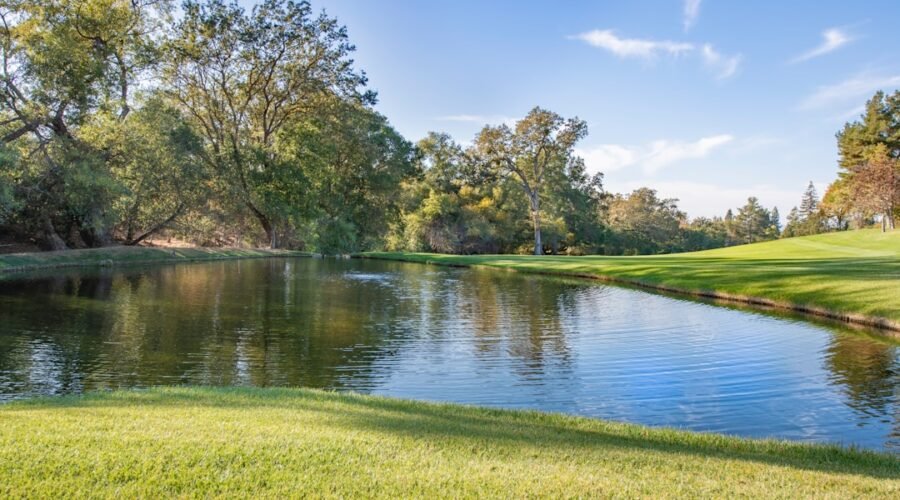
Concord, New Hampshire, offers a quintessential New England experience steeped in Revolutionary-era history, vibrant cultural arts, and scenic riverfront recreation. Pinpointing the best time to visit Concord depends on whether you seek peak fall foliage, summer river paddling, or peaceful, budget-friendly winter getaways.
Quick Answer
The best time to visit Concord, New Hampshire, is from late May through October. Summer (June to August) provides warm weather optimal for outdoor recreation and downtown street festivals, while late September through mid-October delivers world-class New England fall foliage, harvest fairs, and comfortable hiking conditions.
Key Takeaways
- Peak Foliage: Late September through mid-October is peak leaf-peeping season; advance hotel reservations are essential.
- Best Outdoor Weather: June through August offers temperatures in the upper 70s and 80s, perfect for kayaking on the Merrimack River and patio dining on Main Street.
- Low Crowds & Value: April to mid-May and November offer the lowest accommodation rates and quietest downtown sights.
- Winter Charm: December through March transforms the capital into a snowy retreat with ice skating at White Park and nearby cross-country skiing trails.
1. Decoding Concord’s Seasons: Weather and What to Expect
Understanding New England’s dynamic seasonal shifts is essential for planning an enjoyable visit to the state capital. Concord experiences four distinct seasons, each offering a distinct atmosphere, range of outdoor activities, and packing requirements.
| Season | Months | Average High / Low | Best For |
|---|---|---|---|
| Spring | April – May | 56°F–68°F / 33°F–44°F (13°C–20°C / 1°C–7°C) | Spring blooms, historic tours, low lodging rates |
| Summer | June – August | 78°F–83°F / 54°F–59°F (26°C–28°C / 12°C–15°C) | River kayaking, Market Days, patio dining, hiking |
| Fall | September – October | 60°F–73°F / 37°F–49°F (16°C–23°C / 3°C–9°C) | Foliage road trips, apple orchards, harvest events |
| Winter | November – March | 31°F–48°F / 12°F–28°F (-1°C–9°C / -11°C– -2°C) | Pond skating, snowshoeing, uncrowded museums |
1.1. Spring (April – May)
Spring in Concord is a transitional season as the city shakes off winter frost. April can still see occasional flurries or crisp mornings, but by May, temperatures rise reliably into the 60s and 70s Fahrenheit, bringing vibrant blossoms across city parks.
- Weather: Variable temperatures ranging from 40°F to the upper 60s Fahrenheit (4°C to 20°C). May brings consistent warmth and longer daylight hours.
- Precipitation: Spring rains are frequent, keeping local trails damp but feeding lush greenery across the Merrimack Valley.
- Crowds: Tourist density remains low. You can explore landmark buildings, historic burial grounds, and local art galleries without congestion.
- Key Activities: Walking through budding gardens at White Park, perusing the early season Concord Farmers’ Market, and exploring downtown’s historic brick architecture.
- Packing Essentials: Waterproof rain jacket, sturdy walking boots, an umbrella, and lightweight layered clothing.
1.2. Summer (June – August)
Summertime is the peak season for outdoor life in Concord. Downtown Main Street comes alive with outdoor seating, farmers’ markets, open-air concerts, and community festivals.
- Weather: Warm and occasionally humid, with highs consistently in the upper 70s and 80s Fahrenheit (25°C to 30°C). Evenings remain pleasant and comfortable.
- Precipitation: Generally dry with occasional afternoon thunderstorms that clear quickly.
- Crowds: High visitor volume. Sights, restaurants, and surrounding state park trailheads see elevated traffic, particularly on weekends.
- Key Activities: Paddling and boating along the Merrimack River, hiking the trails at Winant Park, attending downtown street festivals, and enjoying craft beer gardens.
- Packing Essentials: Breathable summer apparel, sunglasses, wide-brim hat, sunscreen, and insect repellent for wooded trail hikes.
Pro Tip: If visiting in late June, time your trip with Concord’s annual Market Days Festival—a three-day event where historic Main Street is pedestrianized for live music, local artisans, and food vendors.
1.3. Fall (September – October)
Fall is New England’s most celebrated travel window, and Concord serves as an exceptional gateway to southern and central New Hampshire foliage. Crisp air, golden hillsides, and harvest celebrations make this a premier travel window.
- Weather: Crisp and invigorating. Daytime temperatures range from the mid-50s to low 70s Fahrenheit (12°C to 22°C), dropping close to freezing on October nights.
- Precipitation: Lower humidity and generally clear, dry skies offer ideal outdoor sightseeing conditions.
- Crowds: High weekend tourism, especially during peak foliage weeks in early-to-mid October. Weekday visits remain peaceful.
- Key Activities: Leaf-peeping drives along Route 4, apple picking at Carter Hill Orchard, panoramic views from the Winant Park overlook, and browsing harvest fairs.
- Packing Essentials: Flannels, fleece sweaters, warm scarves, insulated jackets for brisk evenings, and comfortable trail shoes.
1.4. Winter (November – March)
Winter blankets Concord in picturesque snow, transforming its historic architecture and public spaces into a serene winter landscape. While cold, it offers distinct opportunities for winter sports enthusiasts and cozy cultural retreats.
- Weather: Cold conditions with daytime highs frequently in the 20s and 30s Fahrenheit (-6°C to 2°C) and sub-freezing nights. January and February are the coldest months.
- Precipitation: Regular snowfall provides ample accumulation for outdoor winter recreation.
- Crowds: Low tourist volume outside the holiday shopping season in December, ensuring tranquil access to museums and venues.
- Key Activities: Ice skating on the traditional pond at White Park, cross-country skiing at Beaver Meadow Golf Course trails, and touring indoor historic sites like the New Hampshire State House.
- Packing Essentials: Heavy insulated winter coat, waterproof snow boots, thermal base layers, wool socks, gloves, and a warm winter hat.
2. Navigating the Crowds: When to Visit for a More Relaxed Trip
Travel volume in Concord fluctuates depending on regional foliage schedules, school calendars, and major municipal events. Strategic timing helps you experience the capital’s attractions without long wait times.
2.1. Avoiding Peak Season Pressures
July, August, and the first two weekends of October see the highest regional traffic. In summer, families flock north toward the Lakes Region and White Mountains, utilizing Concord as an active base. During October, regional leaf-peepers fill area hotels and scenic roadways.
2.2. Best Times for Lower Crowds
- Midweek Travel (Monday–Thursday): Year-round, weekday stays offer quieter dining and open parking downtown.
- Late Spring (May): Enjoy blooming greenery, mild temperatures, and open attractions prior to the summer family rush.
- Early Autumn (Post-Labor Day to Mid-September): Summer travelers disperse, while fall foliage crowds have not yet arrived, creating an ideal window of warm weather and quiet trails.
- Mid-Winter (January–February): Outside of holiday weekends, winter allows an uninterrupted, quiet local experience.
2.3. Key Events and Festivals
Concord hosts several signature community events throughout the year. If you enjoy cultural festivities, plan around these dates; if you prefer quiet visits, schedule accordingly:
- Market Days Festival (Late June): A massive, free, three-day downtown festival organized by Intown Concord, featuring multi-stage live entertainment, food stalls, and hundreds of local crafters.
- Capital Arts Fest (Late September): A celebration of downtown visual and performing arts, highlighting local galleries, craft showcases, and theater performances.
- Midnight Merriment (First Friday of December): A festive holiday tradition featuring carolers, downtown retail promotions, and late-night shopping.
3. Budgeting for Concord: Understanding Travel Costs
Concord offers a moderate price point compared to major metropolitan hubs like Boston or luxury coastal enclaves like Portsmouth. Planning your budget around seasonal accommodation fluctuations ensures a cost-effective stay.
Note: New Hampshire has no general state sales tax on retail goods, making shopping along Concord’s Main Street particularly attractive. However, the state levies an 8.5% Meals and Rooms (Rentals) Tax on lodging and prepared restaurant meals.
3.1. Accommodation Costs
Lodging prices vary according to seasonal demand:
- Budget Motels & Lodges: Older establishments along Route 3 and surrounding outskirts average $85 to $130 per night.
- Mid-Range Chain Hotels: Properties such as Courtyard by Marriott, Holiday Inn, and Hilton Garden Inn typically range from $130 to $210 per night during off-peak windows, increasing to $220–$320+ during summer and peak October weekends.
- Historic Inns & B&Bs: Bed & breakfasts in the greater Merrimack County area range from $160 to $280+ per night depending on amenities.
- Short-Term Vacation Rentals: Entire downtown apartments and regional homes range from $110 to $300+ per night depending on size and group capacity.
3.2. Dining Expenses
Concord boasts an eclectic dining scene ranging from casual bakeries to upscale farm-to-table bistros:
- Breakfast & Lunch: Downtown cafes and casual diners cost roughly $10 to $20 per person.
- Casual Dinner: Pubs, craft pizzerias, and family-style restaurants run between $25 and $45 per person, including an entree and beverage.
- Fine Dining: Upscale establishments along North Main Street average $55 to $90+ per person for multi-course meals with wine.
- Self-Catering: Local supermarkets such as Market Basket, Hannaford, and the Concord Food Co-op provide affordable grocery options.
3.3. Transportation Costs
- Personal or Rental Vehicle: Driving is the primary method for regional travel. Downtown metered street parking runs roughly $0.75 to $1.50 per hour, with municipal garages charging $1.00 per hour (daily maximums around $10 to $15). Free parking zones exist a few blocks outside the central commercial strip.
- Rideshare Services: Uber and Lyft operate locally, though driver availability can be limited during early morning hours and late weeknights.
- Public Transit: Concord Area Transit (CAT) operates local commuter bus routes with low single-ride fares ($1.25 to $2.00), though routes focus primarily on residential services rather than tourist attractions.
3.4. Activities and Sightseeing Costs
- Free Attractions: Guided and self-guided tours of the historic New Hampshire State House grounds, walking the Merrimack River Greenway, and exploring White Park.
- Low-Cost Culture: The New Hampshire Historical Society features modest museum admission ($7 for adults, free for children under 18), and local art galleries frequently offer free admission.
- State Park Access: Nearby recreation areas like Bear Brook State Park charge nominal day-use vehicle fees ($4 to $8 per adult).
3.5. Estimated Daily Travel Budgets
- Budget Traveler: $110–$160 per day (staying in budget lodging/rentals, preparing some meals, utilizing free historic tours and hiking trails).
- Mid-Range Traveler: $190–$320 per day (staying in standard downtown hotels, dining at sit-down restaurants, paying for park access and historic admissions).
- Luxury Traveler: $360+ per day (boutique inn accommodations, fine dining dinners, performance tickets at the Capitol Center for the Arts).
4. Getting to Concord: Transportation Options
Positioned at the intersection of Interstate 93 and Interstate 89, Concord is easily accessible from throughout New England.
4.1. By Car
Driving provides maximum flexibility for exploring Concord’s downtown and surrounding Merrimack Valley scenery:
- From Boston, MA: ~68 miles (1 hour 15 minutes) north via I-93 N.
- From Manchester, NH: ~18 miles (20 minutes) north via I-93 N.
- From Portland, ME: ~90 miles (1 hour 35 minutes) west via I-95 S to NH-101 W and I-93 N.
- From New York City, NY: ~240 miles (4 hours 15 minutes) via I-95 N to I-91 N and I-89 S.
4.2. By Air
- Manchester-Boston Regional Airport (MHT): Located 23 miles south of Concord, MHT is the most convenient commercial airport, serviced by carriers such as Southwest, American, United, Avelo, and Breeze. A rental car or taxi/rideshare connects you to downtown Concord in under 30 minutes.
- Boston Logan International Airport (BOS): Located 70 miles south, BOS offers extensive domestic and international flight connections with direct bus links to Concord.
4.3. By Bus
Concord Coach Lines provides reliable, clean intercity coach service running directly between the Concord Transportation Center (Stickney Avenue) and Boston South Station as well as Boston Logan Airport. It is the most convenient option for travelers arriving without a personal vehicle.
4.4. By Train
There is no direct passenger rail service directly to Concord. Travelers utilizing Amtrak can ride the Downeaster to Exeter or Durham, NH, or take the Acela/Northeast Regional to Boston South Station, connecting to Concord via Concord Coach Lines.
5. Essential Tips for a Smooth Concord Visit
5.1. Pack Smart for New England Weather
New England weather can shift rapidly. Regardless of the season, dressing in adaptable layers ensures comfort throughout daytime temperature changes. Always keep a waterproof outer shell handy for sudden rain showers, and pack broken-in walking shoes for downtown’s historic brick sidewalks.
5.2. Book Accommodations Early
Lodging availability in the Concord area tightens significantly during peak autumn leaf-peeping (late September through mid-October) and during major state events. Reserve your room at least 2 to 4 months in advance if traveling during these windows.
Warning: During the height of the October fall foliage season, regional room rates increase by 30% to 50%, and weekend minimum stays may apply across central New Hampshire hotels.
5.3. Explore Beyond Downtown
While Concord’s Main Street offers superb independent bookstores, boutiques, and eateries, surrounding Merrimack County features exceptional natural and cultural highlights:
- Canterbury Shaker Village: Located 15 minutes north, this National Historic Landmark features 25 preserved Shaker buildings set across scenic pastoral grounds.
- Bear Brook State Park: Located in nearby Allenstown, New Hampshire’s largest developed state park provides over 10,000 acres for hiking, mountain biking, and archery.
- Carter Hill Orchard: An iconic hilltop orchard offering pick-your-own apples, fresh cider donuts, and expansive valley views.
5.4. Utilize Local Resources
Stop by the visitor resources provided by the City of Concord and local business associations for walking tour brochures, parking maps, and event calendars to make the most of your New Hampshire trip.
Frequently Asked Questions
What is the best time of year to visit Concord, New Hampshire?
The best time to visit Concord is from late May through October. June through August offers ideal weather for river recreation, outdoor dining, and street festivals, while late September and October deliver spectacular autumn foliage and harvest celebrations.
What is the weather like in Concord throughout the year?
Concord experiences four distinct seasons. Summers are warm and humid with highs in the upper 70s and 80s Fahrenheit (25°C–30°C). Autumns are crisp with highs ranging from 55°F to 70°F. Winters are cold and snowy with daytime highs in the 20s and 30s Fahrenheit, while spring brings mild temperatures in the 50s and 60s alongside frequent rainfall.
When are crowds and hotel rates highest in Concord?
Crowds and lodging rates peak during July, August, and especially the first two to three weekends of October during peak fall foliage. Booking accommodations several months ahead is recommended for these periods.
What is the cheapest time of year to visit Concord, NH?
The most budget-friendly months to visit are November, January, February, and April. During these off-peak shoulder months, hotel rates drop significantly, and regional attractions see fewer visitors.
What major annual festivals take place in Concord, NH?
Key annual celebrations include the three-day Market Days Festival in late June, the Capital Arts Fest celebrating regional artisans in late September, and Midnight Merriment in early December.
Sources
- Visit NH (NH Division of Travel and Tourism Development) — Official state travel guide and regional foliage tracker data
- New Hampshire General Court State House Visitor Center — Historical information, tour schedules, and state house access
- Concord Coach Lines — Regional bus transit schedules and Logan Airport/Boston South Station route details
- City of Concord Official Portal — Municipal parking rates, park guidelines, and civic resources
- New Hampshire Historical Society — Museum admission schedules and historical research archives