

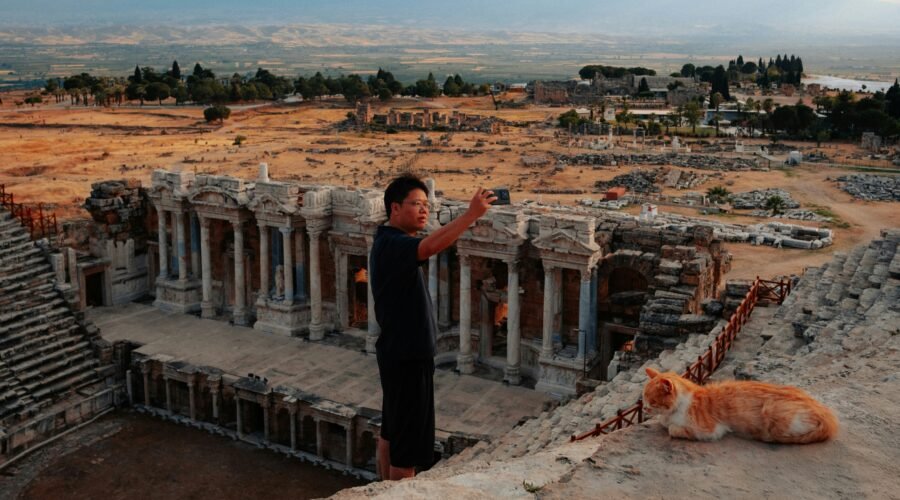
Planning a trip to Denizli, Turkey? The best time to visit Denizli depends on whether you want comfortable sightseeing weather, fewer tourists, or lower travel costs. Since Pamukkale‘s white terraces and the ancient city of Hierapolis involve plenty of outdoor walking, choosing the right month can make a big difference.
Quick Answer
The best time to visit Denizli is April to May or October. These months offer comfortable conditions for exploring Pamukkale and Hierapolis without the extreme summer heat. September is another good option, although afternoons remain hot. Choose November to March for quieter sightseeing and potentially cheaper accommodation, or June to August for dry, sunny weather.
Last checked: October 28, 2026. Dates and figures were verified against official sources.
Key Takeaways
- April has an average daytime high of 21.3°C (70°F), making it especially comfortable for exploring ancient ruins.
- July and August average 35.7°C (96°F) during the day. Plan outdoor visits for cooler hours.
- October averages 24.7°C (76°F), making it a strong choice for walking, photography, and sightseeing.
- Winter generally offers a quieter atmosphere, although rain and cold mornings can limit outdoor activities.
- Pamukkale remains accessible throughout the year, but entrance hours change with the season.
Best Time to Visit Denizli: Weather, Crowds, and Costs by Season
Denizli has hot, dry summers and cooler, wetter winters. Spring and autumn offer the best balance for outdoor sightseeing, while summer suits travelers who enjoy sunshine and don’t mind high temperatures.
The figures below use average daytime highs from the Turkish Meteorological Service’s Denizli climate normals for 1991–2020. These are long-term averages, not forecasts for your travel dates. Crowd and cost levels are general seasonal expectations rather than measured monthly figures.
| Month | Weather | Crowds | Costs |
|---|---|---|---|
| April – May | Mild to warm; average highs 21.3-27°C; occasional rain | Medium | Moderate |
| June – August | Hot and dry; average highs 32.3-35.7°C | High at popular visiting hours | High |
| September – October | Hot in September, mild in October; average highs 31-24.7°C | Medium | Moderate |
| November – March | Cool to cold and wetter; average highs 10.7-17.8°C | Low, except holidays | Generally lower |
Best overall choice: Visit in April or October if walking comfort matters most. May is excellent for longer, warmer days, while September works better if you don’t mind hot afternoons.
Spring in Denizli: Pleasant Weather and Blooming Landscapes (April-May)
Spring is one of the most rewarding times to visit Denizli. The region becomes greener, temperatures rise, and conditions are generally comfortable for exploring the outdoor attractions. It’s especially suitable for first-time visitors and travelers who want to see more than Pamukkale.
What Is the Weather Like in Spring?
April has an average daytime high of 21.3°C (70°F), while May reaches 27°C (81°F). Average nighttime lows rise from 9.7°C (49°F) in April to 14.2°C (58°F) in May.
These temperatures make it easier to explore the ancient streets, theater, and archaeological remains of Hierapolis without the intense summer heat.
Spring isn’t completely dry. Denizli averages 54.8 mm of rain in April and 47.9 mm in May, so occasional showers are normal.
Are Pamukkale and Hierapolis Beautiful in Spring?
Spring is a lovely season for photography around Pamukkale. Green hills, wildflowers, and soft morning light create a pleasant contrast with the white calcium terraces.
The UNESCO-listed Hierapolis-Pamukkale site combines natural mineral formations with the remains of an ancient thermal spa city.
You can walk among the ruins, admire the terraces, and enjoy the countryside without constantly searching for shade.
For photographs, early morning and late afternoon often provide softer light than midday. The bright white travertines can reflect strong sunlight even in spring.
How Crowded Is Denizli in Spring?
Spring attracts sightseeing groups and independent travelers, particularly around Pamukkale. However, the atmosphere is generally more manageable than during the busiest summer visiting periods.
Weekdays are a practical choice if you prefer fewer people around the popular terrace viewpoints. Arriving near opening time can also make your visit more relaxed.
Are Spring Accommodation Prices Reasonable?
Spring usually offers a good balance between accommodation costs and comfortable weather. Hotels may not be as cheap as during quieter winter periods, but you can enjoy more favorable conditions for outdoor activities.
Flights and hotels can still become expensive around national holidays. Booking ahead is sensible if your dates fall during a busy travel period.
Spring Holidays and Local Experiences
Spring is also a good time to experience Denizli’s markets and seasonal produce. You’ll find fresh fruits, vegetables, and regional foods as the weather warms.
Religious holidays can create busy travel periods. In 2027, Eid al-Adha, known locally as Kurban Bayramı, falls on May 16-19, according to Turkey’s official holiday calendar.
This holiday period may bring more domestic travelers to popular destinations. Some smaller businesses may also adjust their operating hours.
Spring is best for: First-time visitors, families, photographers, history enthusiasts, and travelers planning long walking tours.
Summer in Denizli: Hot, Sunny Weather (June-August)
Summer brings the hottest and driest conditions of the year. If you love sunshine and long days, you can still enjoy Denizli, but the heat requires careful planning. This is especially true when visiting the exposed ruins of Hierapolis.
How Hot Does Denizli Get in Summer?
Average daytime highs reach 32.3°C (90°F) in June and 35.7°C (96°F) in both July and August. Temperatures can climb above 40°C (104°F) during extreme heat.
Rainfall is limited. July averages only 16.3 mm of rain, while August averages 12.1 mm, making these two of the driest months.
The dry weather is useful for sightseeing, but the strong sun and exposed archaeological paths can make midday visits exhausting.
Warning: Summer heat around Pamukkale and Hierapolis can cause dehydration and heat-related illness. Carry drinking water, wear a hat, use sunscreen, and take regular breaks. Avoid strenuous walking during the hottest hours, particularly if you’re traveling with young children or older adults.
Are There Fewer Tourists During the Hottest Hours?
Although summer is a popular travel season, the hottest hours can discourage some visitors from extended outdoor walking.
You may notice fewer people on exposed paths at midday. However, this doesn’t mean the entire archaeological site will be quiet. Popular viewpoints, entrance areas, and organized tour stops can still attract large groups.
Morning and late-afternoon visits are often more comfortable, although these periods can also be busy.
Are Summer Travel Costs Higher?
Summer generally brings stronger demand for accommodation and organized travel. Hotels and flights can be more expensive, especially around holidays and popular vacation dates.
If your budget is limited, compare nearby accommodation options rather than assuming that every hotel follows the same seasonal pricing pattern.
One important distinction is that government-run archaeological site admission fees are not automatically cheaper in winter or more expensive in summer.
How Should You Plan a Summer Visit?
Schedule Pamukkale and Hierapolis for the coolest available visiting hours. Allow time for rest, and use the hottest part of the day for indoor activities or relaxing at your hotel.
You can explore the Hierapolis Archaeology Museum or spend time in shaded areas rather than walking across exposed ruins.
Summer also gives you long daylight hours for photography and sightseeing, provided you manage the heat.
Summer Festivals and Events
Denizli hosts cultural events during summer. The city’s 20th International Folk Dance Festival took place from June 29 to July 5, 2026.
According to the Denizli Metropolitan Municipality’s festival announcement, performers from 20 countries participated, with the final gala on July 5.
Such events can bring additional visitors into the city center. Festival schedules vary each year, so the 2026 dates should not be assumed for future editions.
Summer is best for: Travelers who enjoy hot weather, long sunny days, cultural events, and hotel pool time.
Autumn in Denizli: Comfortable Sightseeing Returns (September-October)

Autumn is another excellent season for visiting Denizli. As summer heat gradually fades, walking around historical attractions becomes more pleasant. October is especially attractive if you prefer mild temperatures and a relaxed sightseeing schedule.
What Is the Weather Like in Autumn?
September is still warm to hot, with an average daytime high of 31°C (88°F). October cools to an average high of 24.7°C (76°F).
Average nighttime lows drop from 17.2°C (63°F) in September to 12.5°C (55°F) in October.
September remains fairly dry, averaging 15.7 mm of rain. October receives more rainfall, averaging 37.1 mm, but it is still much drier than winter.
If you’re sensitive to heat, October is the better choice. September can still feel like summer during the afternoon.
Why Is Autumn Good for Photography?
Autumn brings softer light and changing colors to parts of the surrounding countryside. These conditions can make landscape photography particularly enjoyable.
At Pamukkale, the white terraces contrast with the surrounding hills and the changing seasonal light.
The cooler mornings also make it easier to spend time exploring the Roman theater, streets, and other ruins of Hierapolis.
Are Crowds and Prices Lower in Autumn?
Autumn generally offers a more relaxed sightseeing experience than the busiest summer periods. However, Pamukkale remains a popular destination throughout the year.
Accommodation prices may become more reasonable after the summer vacation period, especially outside public holidays.
October offers a particularly good balance of comfortable conditions and manageable travel costs for many visitors.
Can You Enjoy Denizli in the Evening?
Autumn evenings are pleasant for walking around the city, visiting local restaurants, and enjoying outdoor meals.
September evenings are generally warmer. By October, you’ll probably appreciate a light jacket after sunset.
This is also a nice season for visiting traditional markets and tasting local produce.
Autumn Holidays and Outdoor Activities
Turkey celebrates Republic Day on October 29. In 2026, October 28 is a half-day public holiday, followed by the full holiday on October 29.
These dates can affect public services and local travel patterns. Celebrations may also provide an opportunity to experience local civic life.
Beyond Pamukkale, autumn is a suitable time for exploring additional archaeological sites or taking walks in the surrounding countryside.
Autumn is best for: Couples, photographers, independent travelers, history enthusiasts, and visitors who want comfortable walking weather.
Winter in Denizli: Quieter Travel and Thermal Springs (November-March)

Winter offers a different side of Denizli. Temperatures are lower, rainy days are more common, and the major attractions often feel quieter. If you enjoy peaceful sightseeing and don’t mind cooler weather, winter can be a rewarding time to visit.
How Cold Does Denizli Get in Winter?
Average daytime highs range from 10.7°C (51°F) in January to 17.8°C (64°F) in November. January is generally the coldest month, with an average nighttime low of 2.7°C (37°F).
December and January are also among the wettest months. December averages 81.1 mm of rainfall, while January averages 85.7 mm.
You’ll need warm clothing and a waterproof jacket. Cold mornings can make outdoor sightseeing less comfortable, particularly around the exposed ruins.
Is Pamukkale Less Crowded in Winter?
Winter generally attracts fewer leisure travelers than the warmer seasons. This can make the terraces and ancient ruins feel more peaceful.
You may have more room for photography and a quieter atmosphere around the archaeological site.
However, holidays and organized tour groups can still create busy periods. A winter visit doesn’t guarantee empty attractions.
Is Winter the Cheapest Time to Visit Denizli?
Winter is often the most budget-friendly period for accommodation. With fewer tourists visiting for outdoor sightseeing, some hotels may offer attractive room rates.
Flights may also be more affordable on certain dates, although actual prices depend on routes, demand, and booking times.
Keep in mind that official archaeological site admission fees generally don’t change simply because visitor numbers are lower.
Why Are Thermal Springs Appealing in Winter?
The contrast between cool air and naturally warm mineral water makes thermal bathing particularly appealing during winter.
Pamukkale is famous for its mineral-rich waters, while nearby Karahayıt is known for its distinctive red-colored thermal deposits.
The Turkish Ministry of Culture and Tourism describes the Karahayıt thermal springs as a year-round attraction with mineral-rich water and colorful travertine formations.
Thermal bathing can be a relaxing experience, but it shouldn’t be treated as a guaranteed medical treatment.
Remember that access to Pamukkale’s protected natural terraces is restricted. You cannot simply enter every water-filled basin.
Winter Holidays and Local Experiences
January 1 is a national holiday in Turkey. Some businesses and public services may operate on reduced schedules.
Another important date is Eid al-Fitr, known locally as Ramazan Bayramı. In 2027, the holiday falls on March 9-11, according to the official 2027 Turkish public holiday calendar.
Travel demand can increase around this holiday, even though March is generally part of Denizli’s cooler travel period.
Winter is also a good time for visiting museums, sampling regional food, and exploring the city without the summer heat.
Winter is best for: Budget-conscious travelers, visitors seeking quieter attractions, museum lovers, and people interested in thermal springs.
Planning Your Visit to Pamukkale and Hierapolis
Pamukkale and Hierapolis are Denizli’s best-known attractions. Both are part of the same protected archaeological landscape, about 18 km north of Denizli city. Knowing the entrance rules, hours, and ticket costs helps you plan a smoother visit in any season.
What Are the Opening Hours?
Opening hours change by season and entrance. The Denizli Provincial Directorate of Culture and Tourism publishes the following arrangements for September 14, 2026, through May 1, 2027:
- South and North Gates: Open from 8:00 a.m., with daytime ticket sales ending at 6:00 p.m.
- Pamukkale pedestrian walkway: 8:00 a.m. to 5:00 p.m.
- Hierapolis Archaeology Museum: 8:00 a.m. to 5:00 p.m.
- Antique Pool: Listed as 8:00 a.m. to 5:30 p.m., subject to its operating status.
- Night museum visits: Not scheduled during this period.
The main archaeological site operates throughout the year, but individual areas may have different visiting hours. Summer schedules can be considerably longer.
How Much Does Pamukkale Cost?
The Turkish Ministry of Culture and Tourism’s official museum and archaeological site fee list gives the following admission information:
- Pamukkale-Hierapolis: €30 for foreign visitors, covering the combined archaeological site.
- Hierapolis Archaeology Museum: Listed without an additional entrance charge.
- Laodikeia: €12 for foreign visitors.
- Tripolis: Free admission.
Turkish citizens may qualify for different admission arrangements through Müzekart and other eligibility rules.
Antique Pool bathing is a separate expense. The provincial tourism authority lists a 600 TL admission fee for foreign visitors older than 12, with a reduced fee of 300 TL for foreign children aged 7-12.
Note: The official provincial visiting-hours page lists the Antique Pool as open, while the ministry’s central admission-fee list still labels it closed. Confirm its operating status directly before making swimming plans or buying a ticket specifically for the pool.
Can You Walk or Swim on the White Terraces?
You can access designated sections of Pamukkale’s travertines, but not every natural terrace or mineral pool is open to visitors.
The Turkish Ministry of Culture and Tourism’s Pamukkale guide explains that visitors must remove their footwear when standing on the permitted calcium formations.
These restrictions protect the delicate white deposits and help preserve the site for future generations.
Pro Tip: Carry a small waterproof bag for your shoes when walking through the permitted travertine section. The surface can be slippery, so move slowly and follow the marked route rather than climbing onto closed formations.
What Time of Day Is Best for Pamukkale?
Early morning is generally the most comfortable time for visiting Pamukkale, especially between May and September.
Temperatures are lower, and the morning light can be excellent for photography.
Late afternoon is another attractive option when opening hours allow it. However, be sure you have enough time to explore the ruins and reach the exit before the relevant gate closes.
For a more complete experience, allow at least half a day for the terraces, Roman theater, archaeological remains, and museum.
Special Considerations: Events, Markets, and Outdoor Activities
The best month for Denizli also depends on what you want to do beyond Pamukkale. Local markets, seasonal food, public holidays, and nearby historical sites can make a longer stay worthwhile.
Religious Holidays and Festivals
Turkey celebrates two major religious holidays: Eid al-Fitr and Eid al-Adha. Their dates change each year because they follow the Islamic calendar.
These holidays may affect transportation, business hours, and accommodation demand. They also offer a chance to experience Turkish traditions and local celebrations.
Public holidays such as Republic Day and major summer festivals can also increase activity in the city center.
Local Markets and Seasonal Produce
Denizli’s markets offer a look at daily local life. You can find seasonal fruits, vegetables, regional foods, and everyday household goods.
Spring and autumn are particularly pleasant for walking through outdoor markets because temperatures are usually more comfortable.
Visiting a market can also provide a welcome break from archaeological sightseeing.
Outdoor Activities Beyond Pamukkale
Denizli has more to offer than its famous white terraces. The surrounding area includes archaeological sites, rural landscapes, and thermal destinations.
- Laodikeia: Explore another important ancient city near Denizli, particularly enjoyable during the cooler spring and autumn months.
- Tripolis: Visit archaeological remains near Yenicekent in Buldan district. The site is a useful alternative for history enthusiasts.
- Karahayıt: Discover mineral-rich springs and colorful travertine deposits. Thermal tourism is especially appealing in cooler weather.
- Surrounding mountains and countryside: Enjoy walks and rural scenery when temperatures and trail conditions are suitable.
Spring and autumn generally offer the best conditions for longer walks. Summer requires extra heat precautions, while winter rain can make exposed paths uncomfortable.
How Can You Keep Your Travel Plans Flexible?
Build some flexibility into your itinerary, especially if you’re visiting during winter or around national holidays.
Weather can change, and individual attractions may adjust their opening hours. Planning alternative activities gives you more freedom if outdoor conditions become uncomfortable.
For example, you can combine an outdoor morning at Pamukkale with a museum visit, a local meal, or time in Denizli city later in the day.
Frequently Asked Questions
1. What is the best time to visit Denizli in terms of weather?
The best time to visit Denizli for comfortable weather is April, May, or October. April averages 21.3°C (70°F) during the day, while October averages 24.7°C (76°F). These months are especially suitable for walking around Pamukkale and Hierapolis without the extreme summer heat.
2. When is the peak tourist season in Denizli?
July and August are commonly treated as the peak summer tourist period in Denizli. Organized tour groups and holiday travelers can make Pamukkale busy, particularly around popular viewpoints. These are also the hottest months, with average daytime highs of 35.7°C (96°F).
3. When is the off-peak season in Denizli?
The off-peak season in Denizli is generally December through February, within the broader cooler period from November to March. Visitor numbers are usually lower, and accommodation deals may be easier to find. Expect cooler temperatures, more rain, and shorter sightseeing hours.
4. What are the average costs of visiting Denizli during peak tourist season?
Peak-season travel costs in Denizli are generally higher for accommodation and some transportation services, but no single verified average covers every hotel, flight, and restaurant. The official foreign visitor admission price for Pamukkale-Hierapolis is listed at €30. Booking accommodation early may help you manage your summer budget.
5. What are the average costs of visiting Denizli during the off-peak season?
Off-peak travel can cost less because some hotels offer lower winter rates, although verified citywide averages are unavailable. Flights and dining costs vary by provider and travel date. Official archaeological site admission fees do not necessarily fall during winter, so accommodation is often the main area where savings are possible.
6. Is Pamukkale open all year?
Yes, the main Pamukkale-Hierapolis archaeological site is generally open throughout the year. However, entrance gates, the pedestrian walkway, museums, and bathing facilities can follow different seasonal schedules. Winter operating hours are usually shorter than summer hours.
7. Can you walk on Pamukkale’s white travertines?
Yes, visitors can walk barefoot on designated sections of Pamukkale’s travertines. Most natural formations are protected, so you must stay within permitted areas and follow posted instructions. The mineral surface can be slippery, particularly where water flows across the walking route.
8. Can you swim in the Antique Pool at Pamukkale?
Swimming in the Antique Pool depends on its current operating status. The Denizli provincial tourism authority lists pool hours and separate admission fees, but the central ministry fee page still identifies the pool as closed. Confirm availability before planning your trip around swimming there.
Sources
- Turkish Meteorological Service: Official Denizli climate normals for 1991-2020, including monthly temperatures, precipitation, and sunshine.
- UNESCO World Heritage Centre: Hierapolis-Pamukkale’s cultural and natural significance and protection requirements.
- Turkish Ministry of Culture and Tourism, Pamukkale: Travertine formation, visitor access restrictions, and footwear rules.
- Ministry of Culture and Tourism, Museum and Site Admission Fees: Published entry prices for Pamukkale, Laodikeia, and other archaeological attractions.
- Denizli Provincial Directorate of Culture and Tourism: Visiting hours for September 2026 through May 2027 and Antique Pool admission fees.
- Denizli Metropolitan Municipality: Dates and activities of the 2026 International Folk Dance Festival.
- Presidency of Religious Affairs, Turkey: Official 2027 public and religious holiday calendar.
- Turkish Cultural Portal, Karahayıt: Information on the area’s thermal springs, mineral deposits, and local attractions.

[…] Denizli, Denizli […]
[…] Denizli, Denizli […]
[…] Denizli, Denizli […]
[…] Denizli, Denizli […]
[…] Denizli, Denizli […]