

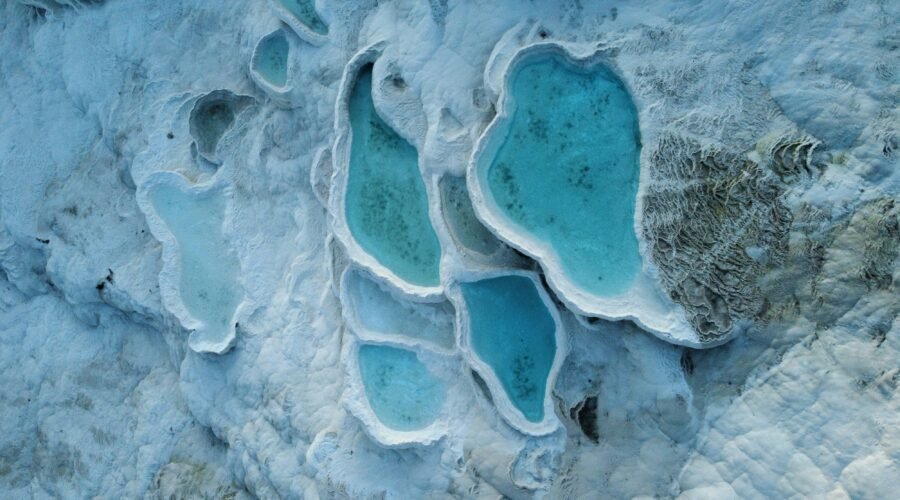
The best time to visit Pamukkale, Denizli, depends on whether you prefer comfortable weather, fewer tourists, or lower travel costs. This UNESCO World Heritage Site in southwestern Turkey is famous for its white travertine terraces and the ancient city of Hierapolis. Each season offers something different, and choosing the right month can make your visit much more enjoyable.
Quick Answer
The best time to visit Pamukkale is April to May or September to October. These months offer pleasant sightseeing weather and a good balance of crowds and costs. July and August are the hottest months, while December to February offer a quieter experience with colder weather and more rain.
Last checked: October 28, 2026. Dates and figures were verified against official sources.
Key Takeaways
- April averages 21.3°C (70.3°F) for daytime highs in nearby Denizli, while May reaches 27°C (80.6°F).
- July and August average 35.7°C (96.3°F) for daytime highs, making early sightseeing especially useful.
- October has milder weather and generally offers a more relaxed experience than the main summer period.
- The thermal water is managed to protect the terraces, so not every white pool contains water throughout the year.
- Turkish public holidays can create busy periods even during months that are usually less crowded.
Best Time to Visit Pamukkale: Month-by-Month Weather and Crowds
April, May, September, and October are the strongest choices for most visitors. However, the weather changes considerably between these months. April and October are milder, while May and September feel warmer.
The following temperature and rainfall figures come from the Turkish State Meteorological Service’s official Denizli climate statistics. They show monthly averages, not daily forecasts. Pamukkale’s actual conditions may differ from those recorded at the Denizli station.
| Month | Average Weather | Typical Crowds | Typical Accommodation Demand |
|---|---|---|---|
| January | 10.7°C high, 2.7°C low; 85.7 mm rain | Low | Usually lower |
| February | 12.7°C high, 3.6°C low; 69.7 mm rain | Low | Usually lower |
| March | 16.5°C high, 6°C low; 63.8 mm rain | Low to medium | Usually moderate |
| April | 21.3°C high, 9.7°C low; 54.8 mm rain | Medium | Moderate |
| May | 27°C high, 14.2°C low; 47.9 mm rain | Medium to high | Moderate to higher |
| June | 32.3°C high, 18.6°C low; 31.8 mm rain | High | Often higher |
| July | 35.7°C high, 21.6°C low; 16.3 mm rain | High | Often higher |
| August | 35.7°C high, 21.5°C low; 12.1 mm rain | High | Often higher |
| September | 31°C high, 17.2°C low; 15.7 mm rain | Medium to high | Moderate to higher |
| October | 24.7°C high, 12.5°C low; 37.1 mm rain | Medium | Moderate |
| November | 17.8°C high, 7.5°C low; 57.8 mm rain | Low to medium | Usually lower |
| December | 12.2°C high, 4.4°C low; 81.1 mm rain | Low | Usually lower |
Weather data: Official Denizli station averages. Crowd and accommodation-demand categories are general seasonal guides, not measured monthly visitor counts or guaranteed hotel prices.
April and October stand out for comfortable walking temperatures. May is warmer and often works well for visitors who want more sunshine. September is also attractive, although its average daytime high remains around 31°C (87.8°F).
Spring in Pamukkale (March to May): Pleasant Weather and Green Landscapes
Spring is one of the best seasons to explore Pamukkale without the strongest summer heat. The surrounding countryside becomes greener, the days grow longer, and outdoor sightseeing feels more comfortable.
April is especially appealing if you want to explore the white terraces and Hierapolis on the same day.
What Is the Weather Like in Spring?
Spring starts cool and becomes much warmer by May. March has an average daytime high of 16.5°C (61.7°F), compared with 21.3°C (70.3°F) in April and 27°C (80.6°F) in May.
- March: Expect cool mornings, mild afternoons, and occasional rain. A jacket and comfortable walking shoes are useful.
- April: The weather is generally mild, although brief showers and windy conditions are possible.
- May: Warmer days make outdoor exploration pleasant, but midday sunshine can become strong.
Evenings remain cooler than afternoons throughout spring. Pack a light jacket, especially if you plan to stay in Pamukkale village overnight.
How Crowded Is Pamukkale in Spring?
Spring generally attracts fewer visitors than the busiest summer period. However, April and May are popular sightseeing months, so you should not expect an empty site.
Groups visiting Hierapolis and the travertines can create busy periods during the middle of the day. Weekdays outside public holidays are usually better if you prefer a quieter atmosphere.
Spring also includes important Turkish holidays. In 2027, Ramadan Bayramı, also called Eid al-Fitr, falls on March 9–11. National Sovereignty and Children’s Day is April 23, while Kurban Bayramı, or Eid al-Adha, falls on May 16–19.
These dates may bring more domestic travelers to popular attractions and accommodations.
Are Spring Travel Costs Reasonable?
Spring often provides a good balance between weather and accommodation costs. March may offer lower rates than the more popular sightseeing months of April and May.
Hotel demand can increase around weekends and national holidays. If you have flexible dates, traveling outside these periods may give you more accommodation choices.
Best for: First-time visitors, history enthusiasts, photographers, and travelers who enjoy comfortable walking weather.
Autumn in Pamukkale (September to November): Warm Days and Softer Light
Autumn is another excellent season for sightseeing in Pamukkale. September remains hot, but October brings more comfortable temperatures. November is cooler, quieter, and wetter.
This season is especially appealing if you want pleasant outdoor conditions after the busiest summer holiday period.
What Is the Weather Like in Autumn?
September still feels like summer, with an average daytime high of 31°C (87.8°F). October drops to 24.7°C (76.5°F), making it one of the most comfortable months for exploring the terraces.
- September: Expect warm, sunny weather and relatively little rainfall. Early mornings are more comfortable for long walks.
- October: Mild afternoons and cooler evenings create good conditions for sightseeing and photography.
- November: Temperatures fall noticeably, and rain becomes more common. A warmer jacket and waterproof clothing are useful.
October’s softer afternoon sunlight can bring out the textures of the white limestone terraces. The changing colors of the surrounding countryside also provide attractive scenery.
Are There Fewer Tourists in Autumn?
Autumn crowds generally decrease as the season progresses, although September can still be busy. October often provides a better balance between sightseeing weather and visitor numbers.
November is usually quieter, but school holidays can create temporary increases in domestic travel.
For example, Türkiye’s 2026–2027 school calendar includes an autumn break from November 16–20, 2026.
Another date worth considering is Republic Day. In 2027, the national holiday begins on the afternoon of October 28 and continues through October 29.
How Much Does an Autumn Visit Cost?
September accommodation prices can remain relatively high because the weather is still attractive for travel. October may offer better value as demand begins to ease.
November often provides more opportunities for lower room rates. However, the benefit comes with cooler temperatures, shorter daylight hours, and a greater chance of rain.
Flights and tours may follow different pricing patterns, especially when they connect Pamukkale with other destinations in Turkey.
Best for: Couples, photographers, independent travelers, and anyone who prefers milder weather without the strongest summer crowds.
Summer in Pamukkale (June to August): Hot Weather and Busy Attractions

Summer is the hottest period in Pamukkale and one of the busiest times for tourism. The weather is typically sunny and dry, making it suitable for visitors who enjoy heat and long daylight hours.
However, exploring exposed archaeological ruins and white limestone terraces can become uncomfortable during the afternoon.
How Hot Does Pamukkale Get in Summer?
June has an average daytime high of 32.3°C (90.1°F). July and August are hotter, both averaging 35.7°C (96.3°F).
Temperatures can occasionally exceed 40°C (104°F) during heat waves.
- June: Hot and increasingly dry, with longer daylight hours.
- July: Very hot, with strong sunshine and little rainfall.
- August: Similar to July, with high daytime temperatures and dry conditions.
Summer rainfall is limited. The Denizli climate records show average monthly rainfall of just 16.3 mm in July and 12.1 mm in August.
The white calcium deposits reflect sunlight, making sun protection particularly important.
Warning: Summer heat can increase the risk of dehydration and heat exhaustion. Bring drinking water, wear a hat, apply sunscreen, and avoid long walks across the exposed archaeological site during the hottest part of the day. Wet limestone can also be slippery.
Why Is Summer So Crowded?
Summer brings domestic vacationers, international visitors, and organized sightseeing groups to Pamukkale. Day tours from coastal destinations can add to the crowds, especially around midday.
The terraces and main viewpoints may become busy as visitors gather to take photographs and enter the permitted shallow pools.
In 2027, summer travel may also be affected by the July 15 Democracy and National Unity Day holiday and the August 30 Victory Day holiday.
Türkiye’s 2026–2027 school year ends on June 25, 2027, after which families may have more opportunities to travel.
Are Summer Accommodation Prices Higher?
Summer is a popular tourism period, and accommodation rates may rise with demand. This is particularly relevant for hotels in Pamukkale village and the nearby Denizli area.
Booking early can provide more choices, especially if you want a hotel with a swimming pool or air conditioning.
If you can only visit during summer, plan your outdoor sightseeing early in the day and leave the hottest hours for rest or indoor activities.
Best for: Travelers following summer holiday schedules, visitors who prefer hot weather, and people comfortable with busy attractions.
Winter in Pamukkale (December to February): Fewer Crowds and Lower Costs

Winter is the quietest main travel season in Pamukkale. Cooler temperatures, shorter days, and frequent rain keep many visitors away, creating a more peaceful atmosphere around the terraces and Hierapolis.
For travelers who value quiet surroundings more than warm weather, winter can be an attractive choice.
What Is the Weather Like in Winter?
Winter is cool rather than consistently freezing during the day. However, temperatures can fall sharply at night, and occasional snow is possible.
- December: Average daytime highs reach 12.2°C (54°F), with cool evenings and relatively frequent rainfall.
- January: The coldest month in the official Denizli averages, with daytime highs of 10.7°C (51.3°F) and nighttime lows averaging 2.7°C (36.9°F).
- February: Conditions begin to improve slightly, with average daytime highs of 12.7°C (54.9°F).
January is also one of the wettest months, averaging 85.7 mm of rainfall. December follows closely with 81.1 mm.
Rain may make outdoor sightseeing less comfortable, while occasional snow can create unusual views of the surrounding hills and ancient ruins.
Can You Visit Pamukkale Without Summer Crowds?
Winter generally has the fewest tourists. You may find quieter viewpoints, shorter queues, and more room to explore Hierapolis at your own pace.
However, the site is not guaranteed to be empty. Organized tours continue to visit throughout the year.
Holiday periods can also bring temporary increases in visitors. For example, Türkiye’s school semester break runs from January 25 to February 5, 2027.
Is Winter the Cheapest Time to Visit?
Winter is generally one of the most budget-friendly periods for accommodation in Pamukkale. Lower seasonal demand can create opportunities for discounted room rates.
However, international flight prices depend on your departure country, airline schedules, and other destinations included in your trip.
Some smaller tourism businesses may operate shorter hours during winter. Main attractions generally remain accessible, although their visiting hours can change with the season.
Best for: Budget-conscious travelers, visitors who enjoy quiet historical sites, and photographers looking for unusual winter scenery.
Why Are Spring and Autumn the Best Shoulder Seasons?
The shoulder seasons sit between the busiest summer period and the quieter winter months. For most travelers, they provide the strongest balance of comfortable temperatures, manageable crowds, and travel value.
However, the ideal month depends on your activities and personal preferences.
Choose April or May for Comfortable Exploration
Spring is particularly suitable if you want to spend several hours exploring the ancient ruins and surrounding landscape.
April offers milder conditions for walking. May provides warmer temperatures and generally less rainfall than April.
The green countryside can also create a pleasant contrast with Pamukkale’s white terraces.
Choose September or October for Autumn Photography
September offers warm, mostly dry weather. It may suit visitors who enjoy sunshine but want to travel after the main European summer holiday period.
October is more comfortable for longer walks and offers attractive afternoon lighting.
If your main goal is photographing the terraces without intense heat, October is a particularly good option.
Choose Winter for Quiet Sightseeing
Winter provides an alternative to the two main shoulder seasons. You trade warm temperatures for quieter surroundings and potentially lower accommodation costs.
It is a worthwhile option if you do not mind wearing warm clothing and adjusting your itinerary for rain.
However, if walking barefoot on wet limestone in cold air sounds uncomfortable, spring or autumn will probably suit you better.
How to Plan Your Pamukkale Visit for Weather, Crowds, and Costs
Choosing the right month is only part of planning a visit. The time of day, entrance arrangements, and access rules can affect your experience just as much as the season.
Understanding these details also helps you avoid common mistakes when visiting the travertines.
What Is the Best Time of Day to Visit Pamukkale?
Early morning is generally the best time for fewer crowds and comfortable sightseeing temperatures. This is especially helpful during summer, when exposed areas become hot by midday.
Late afternoon can offer attractive lighting for photographs, particularly when the sun is lower in the sky.
However, visiting hours vary by season and entrance, so the last available entry time may not allow a long sunset visit.
What Are Pamukkale’s Opening Hours?
Pamukkale and Hierapolis are generally open throughout the year, but different entrances and facilities can have different closing times.
The Denizli Provincial Directorate of Culture and Tourism’s visitor schedule lists the following arrangements for September 14, 2026, through May 1, 2027:
- South and North Gates: Visitor entry begins at 8:00 a.m., with daytime ticket sales listed until 6:00 p.m.
- Pamukkale-Hierapolis pedestrian path: Listed visiting hours are 8:00 a.m. to 5:00 p.m.
- Hierapolis Archaeology Museum: Listed visiting hours are 8:00 a.m. to 5:00 p.m.
- Antique Pool: The local schedule lists 8:00 a.m. to 5:30 p.m., although another official government source gives conflicting availability information.
These are the published seasonal arrangements, not a guarantee that every facility remains accessible until the final listed hour. Summer and special evening visiting programs may use different schedules.
How Much Does It Cost to Enter Pamukkale?
Pamukkale is a paid archaeological attraction. Its entrance fee is separate from accommodation, transportation, and optional thermal swimming facilities.
The Turkish Ministry of Culture and Tourism’s official admission list shows a €30 foreign visitor entrance fee for Hierapolis-Pamukkale. Eligible Turkish citizens can use Müzekart.
The same official list identifies the Hierapolis Archaeology Museum as free to enter.
For the Antique Pool, the Denizli visitor schedule lists a separate charge of 600 TL for foreign visitors older than 12 and 300 TL for foreign children aged 7–12. Children aged 0–6 are listed as free.
Note: Official government information about the Antique Pool is inconsistent as of October 28, 2026. The Denizli visitor schedule lists operating hours and admission fees, while the central ministry’s admission list states that the pool is closed. Confirm its operating status directly with the site authorities before planning a swim or paying for an activity that depends on it.
Entrance charges are normally based on visitor eligibility rather than the season. Therefore, visiting during winter does not automatically mean paying less for the archaeological site itself.
Are All the Pamukkale Terraces Filled With Water?
No. The famous white terraces are not all filled with water at the same time, even during the best visiting months.
The Denizli tourism authority’s explanation of the travertines states that thermal water is distributed through a controlled system.
Water is directed to different sections so the calcium deposits can develop and harden while the white landscape remains protected.
The natural spring water emerges at approximately 35.6°C (96.1°F), but the temperature you feel in the shallow pools can vary with air temperature and exposure.
That means you should not expect every pool to look exactly like the photographs commonly used in tourism brochures.
Can You Walk and Swim on the White Terraces?
You can enter designated visitor areas and shallow bathing pools, but the protected natural terraces are not freely accessible.
According to the UNESCO World Heritage Centre, access restrictions help preserve the travertines and their mineral water system.
The Turkish Ministry of Culture and Tourism’s Pamukkale guidance also explains that visitors must remove their footwear before standing on the permitted calcium deposits.
These restrictions protect the delicate formations from damage.
The experience is different from swimming in a normal pool. You can walk through permitted shallow water, but the larger natural terraces remain protected.
What Should You Bring to Pamukkale?
Pamukkale involves outdoor walking, exposed limestone, and an archaeological site with uneven ground. Pack for the season and the conditions you expect.
- Comfortable walking shoes: Useful for the paths and ruins, although you must remove them in designated travertine areas.
- A small bag: Handy for carrying your shoes while walking barefoot.
- Drinking water: Especially important in summer because much of Hierapolis is exposed to the sun.
- Sun protection: A hat, sunglasses, and sunscreen are useful during sunny periods.
- A light jacket: Helpful during spring and autumn evenings.
- Waterproof clothing: Recommended for visits during the wetter winter months.
- A towel and suitable clothing: Useful if you plan to enter the designated shallow water areas.
You should also allow time for Hierapolis rather than visiting only the white terraces.
The ancient city includes a Roman theater, the remains of baths, historic streets, and extensive burial grounds. The site is part of the same UNESCO World Heritage property.
Which Dates Should You Avoid If You Dislike Crowds?
School vacations and Turkish public holidays can bring additional domestic travelers to major tourist attractions. These busy periods do not always match the usual international tourism seasons.
According to Türkiye’s official 2027 public holiday calendar, the following dates are worth considering:
- January 1, 2027: New Year’s Day.
- March 9–11, 2027: Ramadan Bayramı.
- April 23, 2027: National Sovereignty and Children’s Day.
- May 16–19, 2027: Kurban Bayramı.
- July 15, 2027: Democracy and National Unity Day.
- August 30, 2027: Victory Day.
- October 28–29, 2027: Republic Day holiday, beginning on the afternoon of October 28.
School breaks are another factor. The Turkish Ministry of National Education’s 2026–2027 calendar identifies November 16–20, 2026, January 25–February 5, 2027, and March 8–12, 2027, as school holiday periods.
These dates can increase demand for accommodation and domestic sightseeing trips. However, they do not guarantee that Pamukkale will be crowded every day.
How to Choose the Right Month for Your Trip
The best month depends on the experience you want. Weather matters most for visitors who plan to explore Hierapolis on foot, while crowds and accommodation costs may be more important for budget travelers.
- For the best overall balance: Choose April, May, September, or October.
- For mild walking weather: April and October are particularly good choices.
- For warm sunshine: May and September are attractive, although September remains fairly hot.
- For fewer tourists: Consider November through February, outside major holiday periods.
- For lower accommodation costs: Look at the quieter winter months and compare hotel rates for your dates.
- For long summer days: June, July, and August offer plenty of daylight, but strong heat can affect outdoor sightseeing.
- For photography: Try spring or autumn, with early or late daylight providing attractive conditions.
If you are visiting Pamukkale for the first time, April or October is a practical starting point. Both months allow you to enjoy the white terraces and ancient ruins without relying on the hottest or coldest weather of the year.
Whatever month you choose, consider the weather, holiday calendar, and time of day together. That will help you enjoy both Pamukkale’s remarkable natural formations and the historic city of Hierapolis.
Frequently Asked Questions
What is the best time to visit Pamukkale, Denizli, for good weather?
April, May, September, and October are the best months for pleasant sightseeing weather in Pamukkale. April and October are particularly comfortable for walking. May is warmer, while September remains fairly hot. These months are generally easier for exploring the outdoor attractions than the hottest summer or wettest winter periods.
When should I visit Pamukkale to avoid crowds?
November through February generally offers the quietest conditions at Pamukkale. However, these months are cooler and wetter. If you prefer pleasant weather, April or October may provide a better balance. Arriving early in the day can also help you avoid some of the busiest sightseeing periods.
What is the peak tourist season in Pamukkale?
Summer, especially July and August, is one of the busiest tourist periods in Pamukkale. The long daylight hours attract visitors, although afternoon temperatures can become very hot. Spring and autumn are also popular for sightseeing. Turkish holidays can create additional crowds regardless of the usual seasonal pattern.
When is the off-peak season in Pamukkale?
December through February is the main off-peak season in Pamukkale. Visitor numbers are generally lower because temperatures are cooler and rainfall is more common. November can also be relatively quiet. The archaeological site normally remains open, although some tourist services and visiting hours may be reduced.
How does the cost of visiting Pamukkale change throughout the year?
Accommodation costs in Pamukkale often rise during popular travel periods and fall during quieter months. Winter may provide better hotel deals, while summer and holidays can be more expensive. The archaeological site’s admission fee does not automatically change with the season. Transportation and tour prices depend on your itinerary.
Can you swim in Pamukkale during winter?
You can generally enter designated shallow thermal water areas when they are open, even during winter. However, cold air can make the experience uncomfortable, and access depends on site conditions. The separate Antique Pool has conflicting official availability information, so its operating status should be confirmed before planning a swim.
Does it snow in Pamukkale?
Snow is possible in Pamukkale during winter, but it is not something you should expect on every visit. Rain is more common, and daytime temperatures are often above freezing. If you want to photograph snowy scenery, remember that snowfall is unpredictable and may not last long.
Sources
- Turkish State Meteorological Service: Official Denizli monthly temperature, rainfall, and climate averages.
- Denizli Provincial Directorate of Culture and Tourism, Visitor Hours: Published 2026–2027 opening schedules and Antique Pool admission information.
- Turkish Ministry of Culture and Tourism, Museum and Archaeological Site Fees: Official admission charges, ticket arrangements, and listed facility status.
- Denizli Provincial Directorate of Culture and Tourism, Thermal Tourism: Thermal water temperature, travertine formation, controlled water distribution, and visitor-accessible areas.
- UNESCO World Heritage Centre, Hierapolis-Pamukkale: World Heritage designation, archaeological significance, and conservation restrictions.
- Turkish Ministry of Culture and Tourism, Pamukkale: Visitor access, footwear restrictions, and protection of the white calcium terraces.
- Presidency of Religious Affairs, 2027 Official Public Holidays: National holidays and religious festival dates that may affect travel demand.
- Turkish Ministry of National Education, 2026–2027 School Calendar: Term dates and school vacation periods relevant to domestic travel.



[…] Pamukkale, Denizli […]