

If you’re planning a trip to northeastern Turkey, choosing the best time to visit Macahel, Artvin, matters more than you might expect. This remote mountain valley offers lush forests, traditional villages, waterfalls, and beautiful autumn colors. However, changing weather and mountain road conditions can affect what you can see and how easily you can get there.
Quick Answer
The best time to visit Macahel, Artvin, is generally June through September. Choose June for fresh greenery and waterfalls, July or August for warmer weather and outdoor activities, or September for fewer visitors. October is excellent for autumn photography, but rain and early mountain snow can make access less reliable.
Last checked: October 28, 2026. Key dates and figures were verified against official sources.
Key Takeaways
- May brings wildflowers and flowing waterfalls, but snow can still affect the mountain pass.
- July and August are the main visitor months, with better conditions for longer outdoor trips.
- September offers a useful balance of greenery, comfortable weather, and fewer visitors.
- October is a strong choice for autumn foliage, especially in the valley’s deciduous forests.
- December through February can bring heavy snow, limited accommodation, and road closures.
Best Time to Visit Macahel, Artvin: Month-by-Month Guide
For most travelers, the most practical visiting window is late spring through early autumn. Summer provides the most dependable access, while autumn offers some of the area’s finest scenery.
Macahel, also called Camili, lies in Artvin Province’s Borçka district near the Georgian border. The UNESCO Camili Biosphere Reserve was designated in 2005 and covers 27,152 hectares. Its landscape includes forests, mountain valleys, and traditional settlements.
The region contains six villages: Camili, Düzenli, Efeler, Kayalar, Maral, and Uğurlu. The valley’s location and high surrounding mountains create changing weather conditions throughout the year.
Macahel Weather, Crowds, and Costs by Month
The following comparison helps you choose your travel month. The temperature figures are official average daytime highs for Artvin city, not Macahel itself, from the Turkish State Meteorological Service.
These figures provide regional context only. Macahel’s sheltered valleys, humid forests, and high mountain pass can experience very different temperatures and rainfall. Crowd and cost levels are relative seasonal estimates, not official visitor counts or published accommodation rates.
| Month | Weather | Crowds | Costs |
|---|---|---|---|
| January | 6.4°C city high; snow risk in Macahel | Very low | Low; limited availability |
| February | 8.4°C city high; mountain snow possible | Very low | Low; limited availability |
| March | 12.5°C city high; cold and wet in mountains | Low | Low |
| April | 18.0°C city high; spring rain and snowmelt | Low | Low to medium |
| May | 21.9°C city high; green valleys, possible pass snow | Low to medium | Medium |
| June | 24.3°C city high; mild and green in the valley | Medium | Medium |
| July | 25.9°C city high; warmer summer conditions | High | High |
| August | 26.5°C city high; warm with possible showers | High | High |
| September | 24.0°C city high; cooling valley temperatures | Medium | Medium |
| October | 19.7°C city high; autumn colors and rain | Low to medium | Medium to low |
| November | 13.5°C city high; cold rain and possible snow | Low | Low |
| December | 8.0°C city high; winter conditions in mountains | Very low | Low; limited availability |
Important: Artvin city is not a reliable substitute for Macahel’s local mountain weather. The valley is humid, and conditions can change sharply with elevation. Use the seasonal descriptions below when deciding what activities are realistic.
Spring in Macahel (March to May): Flowers, Waterfalls, and Fresh Greenery
Spring brings Macahel back to life after winter. Forests turn green, streams fill with snowmelt, and wildflowers begin to appear.
It’s a beautiful season for nature lovers, but access is less predictable than in summer. Early spring is best for quiet scenery, while May provides more greenery and longer days.
March and April: The Early Spring Thaw
March and April are generally cool, wet, and peaceful. You can enjoy the first signs of spring without the main summer crowds.
- Weather: Temperatures may fall around 5°C to 15°C in parts of the area, although higher elevations can remain colder. Snow patches, rain, and muddy roads are possible.
- Crowds: Visitor numbers are generally low. Village life continues as residents prepare for the agricultural season.
- Costs: Accommodation may be cheaper than in summer, but fewer guesthouses may be operating.
- Best activities: Short nature walks, stream photography, village visits, and watching the forests regain their green color.
Melting snow can increase stream flow and make waterfalls more impressive. However, wet paths and lingering mountain snow can limit longer hikes.
This period suits travelers who value solitude and don’t mind adjusting plans around the weather.
May: Wildflowers and Waterfalls
May is one of Macahel’s most attractive months for fresh greenery and spring flowers. Conditions become milder in the valley, with some daytime temperatures reaching approximately 15°C to 25°C.
- Weather: Expect mild periods mixed with rain. High mountain areas can remain cold, and late snow is possible.
- Crowds: Visitor activity starts increasing, especially during weekends and national holidays.
- Costs: Guesthouse prices may begin rising as the main travel season approaches.
- Best activities: Forest photography, birdwatching, short hikes, wildflower viewing, and waterfall visits.
Spring is particularly interesting for birdwatchers. Macahel lies along a Black Sea bird migration corridor and supports many forest species.
Beekeeping activity also increases as flowering plants provide food for the region’s Caucasian honeybees. The main honey harvest comes later in the year.
Warning: Do not assume the Macahel Pass is snow-free in May. On May 31, 2026, snowfall temporarily blocked road access to all six Macahel villages. Mountain conditions can differ greatly from the weather in Borçka or Artvin city.
The May 31, 2026 snowfall report documented snow at the approximately 1,850-meter Macahel Pass. Road crews were sent to clear the route.
If you visit during spring, make flexible plans and confirm that the mountain road is passable before leaving Borçka.
Summer in Macahel (June to August): Warmer Weather and Outdoor Adventures
Summer offers the easiest conditions for most first-time visitors. Days are longer, temperatures are warmer, and the valley’s forests remain green.
June is particularly attractive for nature lovers, while July and August are better for travelers who want a lively summer atmosphere.
June: Green Landscapes and Comfortable Exploration
June combines many of the best qualities of spring and summer. The landscape remains lush, and longer daylight hours make outdoor exploration easier.
- Weather: Mild to warm conditions are common. Temperatures in suitable valley locations may reach approximately 15°C to 25°C, although rain remains possible.
- Crowds: Visitor numbers begin increasing, but June is generally quieter than July and August.
- Costs: Guesthouse rates are often moderate compared with the busiest summer weeks.
- Best activities: Hiking, nature photography, birdwatching, waterfall visits, and exploring traditional villages.
June is a good month for seeing dense green forests and colorful meadows. Streams and waterfalls may still carry substantial water from spring rain and melting snow.
For hiking, start with established village paths before attempting longer routes through the surrounding mountains.
July and August: Peak Summer Season
July and August are Macahel’s warmest and generally busiest visitor months. These months suit travelers who want to spend most of their time outdoors.
- Weather: Daytime temperatures can reach approximately 20°C to 30°C in warmer locations, with cooler evenings. Rain showers and thunderstorms remain possible.
- Crowds: These are the main visitor months, especially during weekends, festivals, and Turkish school holidays.
- Costs: Accommodation and local transport can cost more than during quieter months. Small family-run guesthouses may fill quickly.
- Best activities: Longer walks, village exploration, mountain photography, cultural events, and enjoying the extended daylight.
The valley remains intensely green in July. By August, some spring flowers have faded, but summer vegetation is still abundant.
Fruit ripening and local farming activities become more noticeable as harvest time approaches. You can also learn about traditional beekeeping and Macahel’s locally produced honey.
Can You Swim in Macahel During Summer?
Some visitors enjoy natural pools and streams during warm weather. However, mountain water can remain cold even in summer, especially near waterfalls and fast-moving streams.
Avoid swimming near strong currents, steep drops, slippery rocks, or waterfall plunge pools. Water levels can rise quickly after heavy rain.
For a relaxed summer visit, choose safe riverside picnic areas or enjoy the water from established viewing points instead.
Autumn in Macahel (September to November): Colorful Forests and Quiet Villages
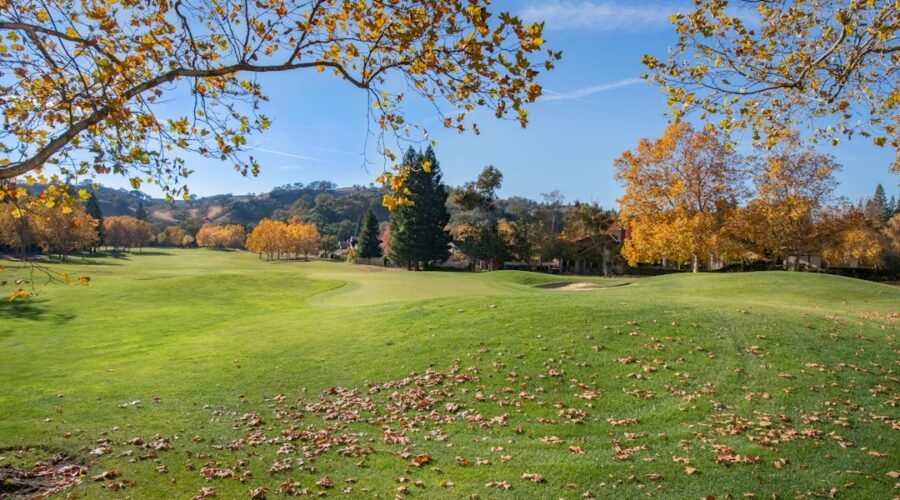
Autumn is one of the most rewarding seasons for photographers and travelers seeking quiet scenery. The valley’s deciduous forests gradually change from green to yellow, orange, and brown.
September usually offers easier outdoor conditions, while October is particularly attractive for colorful foliage and misty mountain landscapes.
September and October: Autumn Colors and Cooler Weather
September starts with lingering summer greenery. As temperatures fall, the forests gradually change color, with stronger autumn displays generally developing during October.
- Weather: Many valley locations may experience temperatures around 10°C to 20°C during cooler periods. Warm days are possible, but rain and mist can interrupt outdoor plans.
- Crowds: Visitor numbers generally decline after the summer holidays. Popular autumn viewpoints may still attract photographers.
- Costs: Guesthouse rates often become more moderate outside busy weekends.
- Best activities: Autumn photography, forest walks, enjoying village scenery, and observing seasonal farming and harvesting.
Beech and other broadleaf trees create colorful patches among evergreen forests. The contrast becomes particularly beautiful when clouds or mist settle below the surrounding ridges.
October is often the stronger choice for autumn foliage, but the exact timing varies with rainfall, elevation, and yearly temperatures. Higher and lower forest areas may reach their best colors at different times.
Autumn is also a good period to explore local produce and traditional foods. Honey and other products from the growing season may be available through village producers.
November: Quiet Forests and Early Winter Conditions
November is much quieter, but its weather becomes increasingly unpredictable. The remaining autumn colors slowly disappear as trees lose their leaves.
- Weather: Temperatures may fall around 5°C to 12°C in some valley locations. Rain becomes more uncomfortable, and higher elevations may receive snow.
- Crowds: Visitor numbers are generally very low, making this a peaceful month.
- Costs: Available rooms may be cheaper, although some guesthouses reduce services or close for the season.
- Best activities: Short walks, village photography, misty landscapes, and quiet indoor stays.
November can be beautiful when clouds gather between the mountains and bare trees create dramatic shapes against the sky.
However, shorter days and muddy paths make extensive hiking less practical. It’s better suited to experienced visitors who accept changing conditions and possible travel disruptions.
Winter in Macahel (December to February): Snow, Isolation, and Mountain Scenery
Winter transforms Macahel into a quiet mountain landscape, often with snow on the surrounding hills and forests. It can be visually impressive, but it is also the most difficult season for tourism.
Heavy snow and mountain road closures can prevent access. Winter should not be treated as a normal sightseeing season without confirmed transport and accommodation arrangements.
December: Early Winter and the First Heavy Snowfalls
December brings shorter days, colder weather, and a growing chance of snow in the mountains.
- Weather: Daytime temperatures may range around 0°C to 5°C in colder areas, with freezing nights and much colder conditions at higher elevations.
- Crowds: Tourism is very limited compared with summer.
- Costs: Some guesthouses may offer lower prices, but accommodation availability and heating arrangements become more important.
- Best activities: Indoor relaxation, winter photography from accessible locations, and short walks when conditions allow.
Snow can cover rooftops, fields, and forest paths. Ice may form along sheltered streams and wet surfaces.
Winter stays are best for travelers who have reliable local support, suitable clothing, and a flexible departure plan.
January and February: The Deep Winter Season
January and February are usually the most challenging months for visiting Macahel. Snow can accumulate on the high pass, making vehicle access uncertain or impossible.
- Weather: Temperatures can remain below freezing in higher mountain areas, with significant snowfall and icy conditions.
- Crowds: These months are among the quietest of the year, with very little conventional tourism.
- Costs: Demand may be low, but transport, heating, and limited accommodation can offset any savings.
- Best activities: Enjoying snow-covered scenery, photography from safe locations, and indoor cultural experiences when a stay can be arranged.
Snowshoeing or short winter walks may be possible with suitable equipment and knowledgeable local guidance. They should never be assumed available as organized activities.
For most travelers, winter is better avoided. The same forests and villages are much easier to explore during the warmer months.
Factors That Influence the Best Time to Visit Macahel
Weather is only one part of choosing your trip dates. Your preferred activities, travel budget, local events, and road access also matter.
Think about what you want to experience most before choosing a month.
Festivals, Honey Production, and Local Events
Macahel is famous for its Caucasian honeybee and traditional beekeeping culture. Local festivals celebrate the area’s honey, music, food, and village traditions.
One important event is the Macahel Saf Kafkas Arı ve Bal Festivali, or Pure Caucasian Bee and Honey Festival.
The event has taken place during late summer, although the exact schedule and location can change. For example, Borçka Municipality recorded a festival held on August 25, 2024, at Lekoban Plateau.
The celebration included local music, traditional performances, honey promotion, and opportunities to learn about the region’s beekeeping culture. An organizer-confirmed festival date for 2026 could not be established from the available official records.
If honey and local traditions are your main interests, August is a reasonable month to consider. Honey harvesting and sales can also continue into the autumn season.
Best Months for Hiking and Nature Photography
Different seasons offer different advantages for outdoor activities.
- Hiking: June through September generally offers the most practical conditions for established valley trails.
- Waterfall photography: May and June are attractive because rain and snowmelt can increase water flow.
- Autumn landscapes: October is a strong choice for forest colors and mountain mist.
- Birdwatching: Spring and early summer offer opportunities to observe active forest birds and returning migrants.
- Village photography: June through October offers a mix of green scenery, farming activity, and traditional architecture.
- Solitude: March, April, and November are quieter alternatives, although access and weather may be less reliable.
Macahel’s biodiversity is one of its greatest attractions. Its forests provide habitat for numerous bird species, plants, and other wildlife.
What Are the Best Places to See in Macahel?
Choosing the right season also depends on which parts of the valley you plan to visit.
The area includes traditional settlements, large forest ecosystems, streams, and waterfalls. You can explore several highlights without making every day a demanding mountain hike.
- Camili Village: A practical base for exploring the surrounding villages and learning about local culture.
- Maral Village: Known for its traditional rural scenery and access to Maral Waterfall.
- Düzenli Village: One of the villages along the mountain approach, with views of the surrounding landscape.
- Efeler and Gorgit forests: Protected natural areas noted for their old-growth forest ecosystems.
- Macahel Pass: A high mountain crossing known for expansive views, mist, and changing seasonal conditions.
The Turkish Ministry of Culture and Tourism’s guide to Camili and its villages describes the six settlements and their locations.
When Is the Best Time to Visit Maral Waterfall?
Late spring and early summer are attractive times to visit Maral Waterfall, particularly when rain and snowmelt increase its flow. June is a useful choice if you want to combine the waterfall with other outdoor activities.
Maral Waterfall, also called Maral Şelalesi, is one of the area’s best-known natural attractions. The regional government’s Maral Waterfall inventory records a height of 64 meters.
The waterfall lies near Maral Village and can be reached using local access paths. Parts of the approach can be steep and slippery, particularly after rain.
During summer, the area remains green, although water flow changes with the weather. Autumn offers colorful forest scenery around the waterfall.
There is no verified current admission price in the official inventory, so you should not assume that every access or parking arrangement is free.
How Do Seasonal Travel Costs Compare?
Accommodation demand usually rises during summer, especially in July and August. Outside these months, you may find better value, but fewer rooms and services can be available.
- July and August: The busiest period, with greater competition for guesthouse rooms.
- May, June, September, and October: Often a useful balance of room availability and seasonal prices.
- November through April: Lower visitor demand, but possible guesthouse closures and higher transport costs.
There is no single published accommodation rate for Macahel. Prices depend on the property, room type, included meals, and travel dates.
You can generally explore accessible village streets and public landscapes without a valley-wide entrance ticket. However, accommodation, guides, transport, and some recreational facilities may involve separate charges.
Which Public Holidays Can Affect Crowds?
Turkish public holidays can increase demand for accommodation and transport, even outside the main summer season.
According to the official Turkish 2026 public holiday calendar, relevant holiday periods include:
- March 20–22, 2026: Ramadan Bayramı, also called Eid al-Fitr.
- May 27–30, 2026: Kurban Bayramı, also called Eid al-Adha, following the half-day holiday on May 26.
- July 15, 2026: Democracy and National Unity Day.
- August 30, 2026: Victory Day.
- October 29, 2026: Republic Day, with a half-day holiday on October 28.
These are national holiday dates, not confirmed Macahel visitor counts. Still, long weekends and holiday travel can increase demand for the valley’s limited accommodation.
For the quietest experience, ordinary weekdays outside national holidays are often a better choice.
Practical Tips for Planning Your Macahel Trip
Macahel requires more careful planning than a typical city destination. The valley is remote, the mountain approach is winding, and tourism facilities are relatively small.
Preparing your transport, accommodation, and outdoor equipment helps you enjoy the area without unnecessary difficulties.
How Far Ahead Should You Book Accommodation?
Family-run guesthouses and small pensions are the main accommodation options in Macahel. They range from basic rural lodging to more comfortable boutique-style properties.
- Summer: Reserve your preferred guesthouse ahead of time, especially for weekends and festival periods.
- Spring and autumn: Availability may be easier, but confirm that the property is operating.
- Winter: Arrange accommodation directly with a host who can confirm access, heating, meals, and departure options.
Many guesthouses offer a more personal experience than larger hotels. Staying locally also gives you opportunities to learn about the area’s traditional food and rural life.
Booking.com and direct guesthouse reservations can be useful options, depending on which properties have active listings.
How to Get to Macahel from Artvin or Borçka
The usual road approach is through Borçka, followed by the winding mountain road into the Camili basin. The journey is scenic, but road conditions and driving time can change considerably.
For visitors arriving by air, Rize–Artvin Airport (RZV) is a practical Turkish domestic gateway. Trabzon Airport (TZX) is another option, but it generally involves a longer road journey.
The Turkish airport authority’s Rize–Artvin Airport transportation information lists airport shuttles, minibuses, taxis, and rental car services. It also places the airport approximately 125 km from Artvin city center.
For reaching Macahel itself, your main options include:
- Rental car: Offers flexibility for exploring villages and stopping at viewpoints. A vehicle with suitable ground clearance may help on rougher local roads.
- Private transfer: Useful if you prefer not to drive on narrow mountain roads.
- Local minibuses: Services operate in the wider Artvin and Borçka area, but transport into Macahel can be limited and seasonal.
The Culture Portal places the Camili basin approximately 45 km from Borçka. Individual villages can be farther away, and winding roads make the journey slower than the distance suggests.
Do not assume there are several direct minibuses from Artvin to Macahel every day. A connection through Borçka may be necessary, and published departures are not reliably confirmed.
Pro Tip: Plan at least one overnight stay in Macahel rather than treating it as a quick stop from Artvin. This gives you more time for village visits, waterfall photography, and changing mountain views without rushing along the narrow approach road.
How Many Days Should You Spend in Macahel?
One or two days can provide a rewarding introduction to Macahel. A longer visit allows more time for hiking, village exploration, and unpredictable weather.
- One day: Focus on Camili Village, nearby viewpoints, and short walks.
- Two days: Add Maral Waterfall and visits to other villages, depending on road and trail conditions.
- Three days or more: Enjoy longer guided walks, birdwatching, photography, and a slower introduction to local culture.
A flexible schedule is particularly useful in spring and autumn, when rain or mist can affect views.
What Should You Pack for Macahel?
Weather changes quickly in the mountains, so packing layers is more useful than bringing clothing for one fixed temperature.
- Waterproof jacket: Useful in every season because rain can arrive unexpectedly.
- Sturdy walking shoes: Choose footwear with good grip for muddy forest trails and uneven paths.
- Warm layers: Bring a fleece or sweater for cool mornings and evenings, even in summer.
- Winter clothing: A warm coat, insulated boots, gloves, and a hat are essential for cold-season conditions.
- Sun protection: Pack sunglasses, sunscreen, and a hat for exposed mountain viewpoints.
- Insect repellent: Helpful during warmer months, especially near streams and vegetation.
- Small backpack: Carry drinking water, snacks, a camera, and essential personal items.
- Photography equipment: A camera or phone with adequate battery power is useful for landscapes and wildlife.
For longer walks, carry navigation information that works offline. Mobile service can be unreliable in remote mountain areas.
Local Etiquette and Customs
Respecting village life is part of enjoying Macahel. Many residents maintain traditional farming, beekeeping, and rural customs.
- Be respectful: Greet local residents politely and respect private homes, gardens, and farmland.
- Dress appropriately: Comfortable outdoor clothing is suitable for most activities. Dress modestly when visiting religious buildings or traditional village settings.
- Learn basic Turkish: Useful phrases include “Merhaba” for hello, “Teşekkürler” for thank you, and “Lütfen” for please.
- Ask before photographing people: Get permission before taking close-up photographs, particularly of children.
- Respect beekeeping areas: Keep your distance from hives and avoid entering apiaries without permission.
Camili’s UNESCO biosphere designation reflects the importance of protecting both the natural environment and local ways of life.
The Efeler and Gorgit nature protection areas are especially sensitive. Do not collect plants, disturb wildlife, or assume that all protected forest routes are open for unrestricted hiking.
Note: Macahel lies close to the Georgian border. Stay on permitted roads and established visitor routes, and follow any local access restrictions or official instructions.
With the right season and realistic travel plans, you can enjoy Macahel’s forests, traditional villages, and peaceful landscapes without rushing. Choose your dates around the activities you value most, then secure suitable transport and accommodation.
Frequently Asked Questions
What is the best time to visit Macahel, Artvin, for good weather?
June through August generally offers the warmest and most practical weather for visiting Macahel. June is especially attractive for green landscapes and waterfalls, while July and August are warmer. September can also be pleasant, although rain and cooler evenings become more likely.
When is the peak tourist season in Macahel?
July and August are generally the peak tourist months in Macahel. Warmer weather, summer holidays, and local events encourage more visitors. Because accommodation consists largely of small guesthouses, advance reservations are helpful during popular summer weekends.
When is the off-peak season in Macahel?
December through February is the main off-peak season in Macahel. Heavy mountain snow can restrict road access, and many tourism services may be unavailable. March and November are also relatively quiet, but both months can have challenging weather.
How crowded is Macahel during the summer?
Macahel becomes busier in July and August, especially around guesthouses, popular viewpoints, and local festivals. However, it remains a remote rural destination rather than a large resort. Traveling on weekdays can provide a quieter experience.
How does the cost of visiting Macahel change throughout the year?
Accommodation tends to be more expensive during July and August because demand is higher. Spring and autumn may offer better value, depending on property availability. Winter can bring lower room prices but also higher transport costs and fewer operating guesthouses.
Can you visit Macahel in winter?
Winter visits to Macahel are possible only when road conditions and local arrangements allow them. Snow can close the high mountain pass and interrupt access to the villages. Most travelers should choose warmer months unless they have reliable local transport and confirmed accommodation.
When is the best time to see autumn colors in Macahel?
October is generally the best month to see autumn colors in Macahel. Beech and other deciduous trees turn yellow, orange, and brown as temperatures fall. The exact peak changes each year, and mist or rain can affect visibility.
Sources
- UNESCO: Camili Biosphere Reserve: Official biosphere designation, area, biodiversity, village information, and Caucasian honeybee heritage.
- Turkish State Meteorological Service: Artvin Climate Statistics: Official monthly temperature averages used as regional reference figures, not Macahel-specific observations.
- Türkiye Culture Portal: Borçka Camili and Its Villages: Village names, geographical details, transport distances, and nature tourism information.
- Eastern Black Sea Cultural Inventory: Maral Waterfall: Waterfall location, characteristics, and recorded height of 64 meters.
- Demirören News Agency: Macahel Pass Snowfall: May 31, 2026 snowfall and temporary road closures affecting the six villages.
- Borçka Municipality: Caucasian Bee and Honey Festival: Verified August 25, 2024 festival date, location, and activities.
- State Airports Authority: Rize–Artvin Airport Transportation: Official airport access options and distance to Artvin city.
- Presidency of Religious Affairs: 2026 Public Holidays: Official national and religious holiday dates relevant to travel planning.

[…] Macahel, Artvin […]