

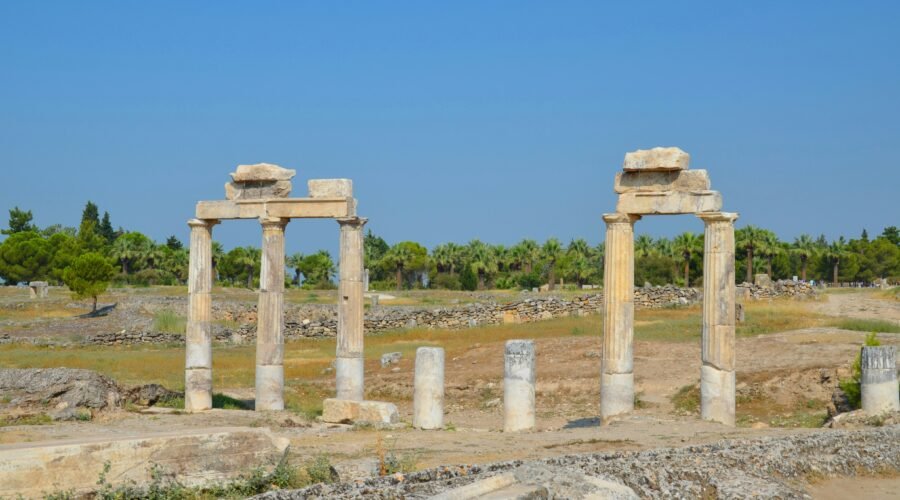
Planning a visit to the ancient ruins of Hierapolis and the white terraces of Pamukkale? The best time to visit Hierapolis, Denizli, depends on how much heat, rain, and tourist activity you can handle. Choosing the right month makes it easier to explore the archaeological site, enjoy the thermal waters, and manage your travel budget.
Quick Answer
The best time to visit Hierapolis, Denizli, is April to May or September to October. These months offer more comfortable temperatures for exploring the ruins and Pamukkale terraces. May and October can still be busy, so arrive early. July and August bring intense heat, while winter offers quieter visits but colder, wetter weather.
Last checked: October 28, 2026. Dates and figures were verified against official sources.
Key Takeaways
- April and May offer mild to warm weather, green scenery, and good conditions for walking.
- July and August are the hottest months, with average daytime highs close to 35°C (95°F).
- September remains warm, while October is cooler but can attract substantial visitor numbers.
- December to February bring the coolest conditions, more rainy days, and generally lower tourist demand.
- The published foreign visitor entrance fee is €30, with a separate charge for the Antique Pool.
Best Time to Visit Hierapolis, Denizli: Weather by Month
April, May, September, and October provide the best overall weather for exploring Hierapolis. Summer is much hotter, while winter brings chilly mornings and more frequent rain.
Because Hierapolis is an extensive outdoor archaeological site, daytime temperatures matter more than they would for a short museum visit. You may spend hours walking between ruins with limited shade.
The figures below come from the Turkish State Meteorological Service’s Denizli climate statistics. They represent historical averages from the Denizli observation area, using records through 2025, rather than forecasts or measurements taken inside Hierapolis.
| Month | Average High | Average Low | Rainy Days | Visitor Pressure* |
|---|---|---|---|---|
| January | 10.7°C | 2.5°C | 12.0 | Low |
| February | 12.4°C | 3.1°C | 10.5 | Low |
| March | 16.1°C | 5.5°C | 11.1 | Low to moderate |
| April | 21.1°C | 9.3°C | 10.0 | Popular |
| May | 26.5°C | 13.4°C | 8.9 | Busy |
| June | 31.5°C | 17.6°C | 5.3 | Popular |
| July | 34.8°C | 20.5°C | 2.1 | Busy |
| August | 34.7°C | 20.1°C | 2.0 | Busy |
| September | 30.3°C | 16.1°C | 3.1 | Busy |
| October | 24.0°C | 11.6°C | 5.8 | Very popular |
| November | 17.6°C | 7.3°C | 7.5 | Moderate |
| December | 12.4°C | 4.3°C | 12.1 | Low |
*Visitor pressure is a general planning guide, not an official count of Hierapolis admissions. Actual crowds vary with tour schedules, weekends, and holidays.
Which Season Is Best for Visiting Hierapolis?
Each season offers a different experience at Hierapolis and Pamukkale. Spring suits comfortable sightseeing, summer provides long daylight hours, autumn offers warm-to-mild conditions, and winter appeals to travelers who prefer fewer visitors.
Spring (March to May): Comfortable Weather and Green Scenery
Spring is an excellent season for exploring the ancient city. March can still feel cool, but April and May become steadily warmer.
April has an average daytime high of 21.1°C (70°F), rising to 26.5°C (80°F) in May. These conditions make long walks through Hierapolis more comfortable than during midsummer.
Why visit in spring?
- Comfortable sightseeing: You can explore the Roman theatre, ancient streets, and necropolis without the strongest summer heat.
- Fresh landscapes: The surrounding countryside is generally greener after winter rainfall.
- Photography: Clear spring mornings and seasonal greenery provide appealing contrasts with the white travertines.
- Travel value: Accommodation may be more reasonably priced than during periods of heavy holiday demand.
What to watch for: April averages about 10 rainy days, so occasional showers are normal. March mornings can also be cold, especially when you are walking barefoot near the terraces.
Spring is not always quiet. May attracts substantial tourism, and Turkish public holidays can increase domestic travel.
In 2026, notable spring holidays included National Sovereignty and Children’s Day on April 23, Labour Day on May 1, and the Eid al-Adha holiday from May 27 to 30.
Best for: Families, history enthusiasts, photographers, and travelers who want pleasant conditions for exploring on foot.
Summer (June to August): Long Days but Intense Heat
Summer is the hottest season in Hierapolis. June is already warm, while July and August bring average daytime highs close to 35°C (95°F).
The ancient ruins have limited shade. You may find it exhausting to walk between the theatre, the Temple of Apollo, and the necropolis during the hottest afternoon hours.
Advantages of visiting in summer:
- Long daylight hours: Summer provides more natural light for sightseeing and photography.
- Dry conditions: July and August average only about two rainy days each.
- Thermal-water activities: Warm weather makes getting out of the pools more comfortable, although the spring water itself is naturally heated.
- Evening visits: Special night-museum programs may offer an alternative to daytime sightseeing.
The Turkish Ministry of Culture and Tourism scheduled night-museum visits at Hierapolis during the 2026 summer season, with a listed closing time of 23:00. The program covered June 1 through September 30, 2026, and included separate evening admission arrangements.
Disadvantages: High temperatures, strong sunlight, and crowds around the main terraces can make midday sightseeing uncomfortable. Some walking areas become particularly exposed to reflected sunlight from the white mineral surface.
Warning: Summer heat can make long walks through Hierapolis dangerous, especially for children, older visitors, and anyone sensitive to heat. Carry drinking water, take regular shade breaks, and avoid prolonged outdoor activity during the hottest part of the day.
The July 15 public holiday and August 30 Victory Day can also affect domestic travel patterns. You should not assume every summer weekday will be quiet.
Best for: Travelers comfortable with heat, visitors who prefer dry weather, and people interested in summer evening activities.
Autumn (September to November): Warm Days and Excellent Walking Conditions
Autumn is another strong choice for Hierapolis. September still feels summery, October is milder, and November brings cooler weather with a greater chance of rain.
September’s average daytime high is 30.3°C (87°F). By October, that drops to 24°C (75°F), making the ruins much easier to explore during the middle of the day.
Benefits of visiting in autumn:
- Comfortable October weather: Temperatures are usually better suited to extended archaeological walks.
- Good photography conditions: Lower sun angles can produce attractive shadows across the stone ruins and mineral terraces.
- Warm early autumn: September offers plenty of sunshine and relatively little rain.
- Flexible sightseeing: Cooler weather makes it easier to combine the theatre, museum, necropolis, and travertines in one visit.
However, autumn is not automatically a quiet season. In fact, October can be exceptionally popular with international visitors.
A Pamukkale University analysis of Denizli accommodation arrivals found that October had the highest share of foreign arrivals in 2023, 2024, and 2025. October accounted for 15.6% of annual foreign arrivals in 2025.
These figures measure foreign visitors staying in accommodation across Denizli, not entrance-gate traffic at Hierapolis. Still, they show why October should not be described as reliably crowd-free.
October 29 is also Republic Day in Turkey, so travel demand may increase around the holiday.
By November, average highs fall to 17.6°C (64°F). It is a good alternative if you prefer cooler weather and can accept shorter days and more showers.
Best for: Travelers who want comfortable temperatures, photographers, and visitors interested in spending several hours at the ruins.
Winter (December to February): Quiet Visits and Cooler Weather
Winter offers a peaceful alternative to the warmer seasons. December, January, and February are generally the coolest months, with more rain and fewer visitors.
January has an average high of 10.7°C (51°F) and an average low of 2.5°C (37°F). Cold mornings and damp conditions can make the exposed ruins feel uncomfortable.
Reasons to visit in winter:
- Lower visitor demand: You may find more space around major monuments and popular viewpoints.
- Potential hotel savings: Some accommodation providers offer lower rates during periods of reduced demand.
- Peaceful photography: Fewer people can make it easier to photograph the theatre and ancient streets.
- Unusual scenery: Mist, dramatic clouds, and occasional frost can create a different atmosphere around the ruins.
Drawbacks: Rain is more frequent, daylight hours are shorter, and barefoot walking on wet travertines can feel cold. Snow is possible but should not be expected during every winter visit.
Winter also includes the New Year’s Day holiday on January 1. Some local businesses and transport services may operate differently around public holidays.
For visitors interested mainly in ancient history rather than swimming, a dry winter day can still be rewarding.
Best for: Budget-conscious travelers, photographers seeking quieter scenes, and visitors who enjoy exploring archaeological sites in cool weather.
When Is Hierapolis Least Crowded?
December through February generally offer the best chance of encountering fewer tourists. However, the exact number of visitors depends on tour groups, holidays, and the time of day.
The easiest way to reduce crowd exposure is to arrive near opening time, before many day-trip coaches reach Pamukkale.
How Crowds Change Throughout the Day
- Early morning: Usually one of the better times for a quiet walk and unobstructed photographs.
- Late morning to afternoon: Group tours and independent visitors often overlap near the terraces, theatre, and main archaeological routes.
- Late afternoon: Some tour groups begin leaving, although you must account for earlier closing times outside summer.
Weekdays can sometimes be quieter than weekends, but tour schedules may create busy periods even on an ordinary Tuesday or Wednesday.
Which Holidays Can Make Hierapolis Busier?
Turkish national and religious holidays can increase domestic travel, especially when they create extended weekends.
The official 2026 Turkish holiday calendar includes several dates relevant to travel planning:
- March 20–22: Ramadan Feast (Eid al-Fitr).
- April 23: National Sovereignty and Children’s Day.
- May 1: Labour and Solidarity Day.
- May 19: Commemoration of Atatürk, Youth and Sports Day.
- May 27–30: Feast of the Sacrifice (Eid al-Adha).
- July 15: Democracy and National Unity Day.
- August 30: Victory Day.
- October 29: Republic Day.
These are 2026 dates, not a permanent calendar. Islamic holiday dates change each year. Public holidays do not necessarily close Hierapolis, but they can affect transport, hotel demand, and crowd levels.
Pro Tip: If your main interest is the ancient city, explore the Northern Necropolis before joining the busiest terrace viewpoints. The necropolis covers a large area and offers many opportunities to appreciate Hierapolis beyond its most photographed landmarks.
How Much Does Visiting Hierapolis Cost?

The cost of visiting Hierapolis depends on the entrance ticket, accommodation, transport, and optional activities. The official entrance fee does not normally change simply because you visit in a quieter month.
According to the Turkish Ministry of Culture and Tourism’s published museum fee schedule, the foreign visitor entrance price for Hierapolis-Pamukkale is €30.
The main ticket covers the archaeological site and Pamukkale travertines. The Hierapolis Archaeology Museum is also listed without a separate admission fee in the ministry schedule.
Entrance Fees and Optional Activities
The Antique Pool, also called Cleopatra’s Pool, is a separate paid attraction. The provincial tourism authority currently lists the following pool admission rates.
- Hierapolis-Pamukkale entrance: €30 for foreign visitors.
- Antique Pool, foreign visitors aged over 12: 600 Turkish lira.
- Antique Pool, foreign children aged 7–12: 300 Turkish lira.
- Antique Pool, children aged 0–6: Free.
- Turkish citizens: Different admission arrangements apply, including eligible Müzekart access.
These are published rates checked in October 2026. The ministry’s general fee table still contains an older closure notice for the Antique Pool, while current provincial information lists the pool as operating. Its availability should therefore be confirmed before planning a swim.
Summer Costs: June to August
Summer can be expensive when holiday demand increases. Flights, hotels, and organized excursions may cost more on popular travel dates.
- Flights: Compare routes to Denizli Çardak Airport (DNZ) and Izmir Adnan Menderes Airport (ADB). Prices depend on the departure city, airline, and booking date.
- Accommodation: Hotels in Pamukkale village and Denizli may charge more during busy periods.
- Tours: Group excursions from coastal resorts can fill quickly during peak holiday periods.
Booking early can help you secure your preferred hotel or tour, although it does not guarantee the lowest price.
Spring and Autumn Costs: March to May and September to November
Spring and autumn often provide a good balance between weather and accommodation choice. However, popular months such as May and October are not necessarily cheaper than summer.
Compare hotels in Pamukkale village, Denizli city, and the nearby thermal-hotel area of Karahayıt.
Spring holidays, October visitor demand, and local events can all influence rates.
Independent sightseeing can also reduce the need for a guided tour if you are comfortable arranging your own transport.
Winter Costs: December to February
Winter offers more opportunities to find lower accommodation rates, particularly when visitor demand is low.
However, cheap hotels do not guarantee a cheaper overall trip. International airfare, airport transfers, and private tours can offset accommodation savings.
If fewer group excursions operate on your chosen dates, you may need to arrange private transport or rely on local minibuses.
The best value comes from comparing the total trip cost rather than hotel prices alone.
What Else Should You Consider Before Visiting?

Weather and crowds are only part of your decision. Photography conditions, thermal-pool access, opening hours, and transport can also influence the best month for your trip.
Best Time for Photography at Hierapolis and Pamukkale
Early morning and late afternoon usually offer the most attractive natural light. The ancient stone buildings develop longer shadows, while the white terraces take on softer colors.
- Spring: Green countryside creates a striking contrast with the white travertines.
- Summer: Early morning is especially useful for avoiding harsh overhead sunlight.
- Autumn: Lower sun angles create appealing light across the theatre, columns, and terraces.
- Winter: Clear days can produce crisp architectural photographs, while clouds and mist create a more dramatic atmosphere.
The terraces face the surrounding valley, and the changing light can transform their appearance throughout the day.
Not every natural terrace contains water at the same time. Water distribution is managed to protect the formations, so photographs showing every basin filled should not be treated as a guarantee of what you will see.
What Makes Hierapolis and Pamukkale Special?
Hierapolis is not simply an archaeological site beside a scenic landscape. The ancient city developed around natural hot springs that attracted visitors for centuries.
The UNESCO World Heritage Centre explains that the mineral-rich springs formed terraces on a cliff nearly 200 meters above the plain.
The Attalid kings of Pergamon established Hierapolis as a thermal spa settlement toward the end of the second century BC.
The site contains important Greek, Roman, and Byzantine remains, including:
- Hierapolis Theatre: An impressive Roman theatre with surviving seating and a richly decorated stage building.
- Northern Necropolis: A vast burial area containing tombs and stone sarcophagi.
- Temple of Apollo: Remains associated with religious life in the ancient city.
- Roman Baths: Buildings connected with the city’s long thermal-bathing tradition.
- Hierapolis Archaeology Museum: Exhibits housed in a restored Roman bath complex.
- St. Philip’s Martyrion: An important monument from the city’s Christian period.
Hierapolis and Pamukkale were added to the UNESCO World Heritage List in 1988 for their combined cultural and natural significance.
Special Events and Festivals
Hierapolis is primarily a historical attraction, not a destination centered on a fixed annual festival calendar.
However, cultural performances, concerts, and special museum programs sometimes take place in the archaeological area or wider Denizli region.
- Spring: National and religious holidays can bring local celebrations and increased domestic travel.
- Summer: Extended visiting hours and special evening museum programs may create additional sightseeing opportunities.
- Autumn: Cultural events and occasional performances may take place, although specific dates vary.
- Winter: The focus is generally on quieter sightseeing rather than large outdoor events.
Do not assume a concert or special festival repeats annually simply because it took place in a previous year.
Opening Hours and Seasonal Access
Opening hours are important because the pedestrian terrace entrance, archaeological museum, and main archaeological gates may close at different times.
As of October 2026, the official Hierapolis visitor information page lists the archaeological site as open daily from 08:00 to 18:00, with ticket-office closing at 17:00.
The same information indicates that the north and south entrances close at 18:00, while the pedestrian entrance closes at 17:00.
The Denizli Provincial Directorate of Culture and Tourism publishes additional hours for the period from September 14, 2026, to May 1, 2027:
- Hierapolis Archaeology Museum: 08:00–17:00.
- Pamukkale pedestrian walkway: 08:00–17:00.
- Antique Pool: 08:00–17:30.
- North and south gates: Opening from 08:00, with the main site listed as closing at 18:00.
Summer-night access is a separate seasonal arrangement and should not be assumed to operate throughout the year.
Getting to Hierapolis from Denizli
Hierapolis is approximately 18 kilometers north of Denizli, beside Pamukkale village.
You can reach the area using local minibuses, taxis, organized excursions, or a rental car.
- Local buses and dolmuş: Shared minibuses provide a practical connection between Denizli and Pamukkale. Services can vary by time and season.
- Taxis: Useful for direct transfers, especially if you have luggage or limited time.
- Rental cars: Offer flexibility for visiting nearby attractions, but parking location matters when choosing your entrance.
- Organized tours: Convenient for day trips, although arrival and departure times may limit your freedom to explore.
Pamukkale village is closest to the pedestrian terrace entrance. The south entrance provides easier access to the upper archaeological area, while the north entrance is useful if you want to explore the necropolis first.
Winter driving generally requires additional caution in the surrounding mountainous areas, especially during cold or wet weather.
Practical Tips for Visiting Hierapolis in Any Season
A good visit requires more than choosing a pleasant month. Footwear, sun protection, entrance selection, and the amount of time you allow can make a major difference.
The following table gives a quick comparison of four representative months.
| Month | Weather | Crowds | Costs |
|---|---|---|---|
| January | Cold, wetter, occasional frost | Low | Often lower hotel rates |
| April | Mild, occasional showers | Popular | Variable, often moderate |
| July | Very hot and dry | Busy | Can rise with demand |
| October | Warm days, cool evenings | Very popular | Can remain elevated |
Choose Comfortable Footwear
Hierapolis involves walking over uneven archaeological paths, while Pamukkale requires barefoot access in designated travertine areas.
- For Hierapolis: Wear comfortable walking shoes with good grip. Ankle support can help on uneven ground.
- For Pamukkale: Carry your shoes when entering the protected barefoot walking area.
- For wet surfaces: Walk carefully and avoid rushing over smooth mineral deposits.
A small bag for your shoes and a towel for drying your feet can make the transition between the terraces and the ruins easier.
Protect Yourself From Sun Exposure
The white terraces reflect sunlight, which can increase glare even on days that do not feel especially hot.
Bring sunglasses, a wide-brimmed hat, and suitable sunscreen. Drinking water is particularly important when you plan to walk through the exposed archaeological sections.
Wear Layers in Spring, Autumn, and Winter
Morning and afternoon temperatures can differ significantly, especially outside summer.
Light layers allow you to adjust as the day warms up. In winter, a waterproof jacket and warmer clothing can make extended sightseeing more comfortable.
Casual clothing is generally suitable for the archaeological site. If you plan to visit active mosques elsewhere in Denizli, dress respectfully according to the site’s requirements.
Allow Enough Time to Explore Hierapolis
Many travelers spend most of their visit at the famous white terraces and leave too little time for the ancient city.
Allow at least two to three hours for the main archaeological attractions, with additional time for the terraces, museum, photography, and optional pool activities.
You can structure your visit around the following priorities:
- Explore the ancient theatre: Appreciate its impressive seating area and surviving Roman architecture.
- Walk through the ancient city: See the main streets, monumental gates, and public buildings.
- Visit the necropolis: Explore a quieter archaeological area with numerous ancient tombs.
- See the Archaeology Museum: Examine sculptures, sarcophagi, and other objects discovered in the region.
- Experience the travertines: Walk barefoot in the designated visitor areas and enjoy the views across the valley.
This approach helps you appreciate both the historical and natural significance of the UNESCO-listed site.
Know the Rules for the Mineral Waters
Pamukkale’s bright white terraces formed from mineral-rich thermal water. The formations are delicate and require careful visitor management.
You should only enter areas specifically open to visitors. Many natural terraces are protected and cannot be used for bathing.
The designated walking and bathing areas allow you to experience the thermal water while reducing damage to the landscape.
The nearby Antique Pool offers another experience, with naturally heated water and ancient architectural remains. It requires separate admission when swimming is available.
Although the mineral waters have a long history of bathing and traditional wellness use, you should not assume they can treat medical conditions.
Note: If you have a medical condition that may be affected by hot-water immersion, ask a qualified healthcare professional before using the thermal pool. Warm mineral water is not a substitute for medical treatment.
Plan Your Entry and Exit Points
Choosing the right entrance can save unnecessary walking and backtracking.
- Pedestrian entrance: Convenient if you are staying in Pamukkale village and want to walk uphill through the designated terraces.
- South entrance: Useful for reaching the upper site and nearby terraces with less uphill walking.
- North entrance: Suitable for visiting the necropolis and exploring a longer route through Hierapolis.
If you arrive by car, remember that your vehicle may be parked far from where you finish walking. Plan your return before entering.
For the most comfortable overall trip, choose April, May, September, or October. Then match your entrance, arrival time, and sightseeing route to the season’s weather and opening hours.
Frequently Asked Questions
What is the best time to visit Hierapolis, Denizli, for good weather?
April, May, September, and October offer some of the best weather for visiting Hierapolis. April averages 21.1°C during the day, while October averages 24°C. These temperatures are generally more comfortable for walking around the ruins than the intense summer heat.
When should I visit Hierapolis to avoid crowds?
December through February generally offer lower visitor demand at Hierapolis. For a better balance of comfort and crowd avoidance, consider a weekday in early spring or late autumn. Arriving near opening time can also help you explore before the main tour groups arrive.
What is the peak tourist season in Hierapolis?
Hierapolis attracts substantial visitor numbers during summer and the popular spring and autumn travel months. July and August bring heavy holiday traffic, but October is also especially popular. Denizli accommodation data identified October as the leading month for foreign arrivals in 2023, 2024, and 2025.
When is the off-peak season in Hierapolis?
The main off-peak period is generally December through February. These months have colder temperatures, more rainy days, and fewer international visitors. You may find a quieter archaeological experience and more accommodation choices, although winter weather can limit outdoor comfort.
How do visiting costs change throughout the year?
Hotel, flight, and tour prices can change with seasonal demand, while the standard archaeological entrance fee is set separately. Winter may offer lower hotel rates, but busy spring and autumn periods can also be expensive. The published foreign visitor site entrance price in October 2026 is €30.
Can you swim at Pamukkale and the Antique Pool all year?
You can experience thermal water in designated Pamukkale visitor areas when they are open, but swimming is not allowed across all the natural terraces. The separately paid Antique Pool has its own operating arrangements. Weather, maintenance, and temporary closures can affect access, so confirm its status before traveling.
How many hours do you need to visit Hierapolis and Pamukkale?
Allow at least two to three hours for the main Hierapolis ruins, plus additional time for the white terraces and Archaeology Museum. A longer visit is worthwhile if you plan to explore the necropolis, take photographs, or swim in the Antique Pool.
Sources
- Turkish State Meteorological Service, Denizli Climate Statistics: Historical monthly temperatures, rainy days, and seasonal climate patterns.
- UNESCO World Heritage Centre, Hierapolis-Pamukkale: Historical significance, ancient monuments, travertine formation, and World Heritage designation.
- Pamukkale University, Visitor Profile of Denizli’s Tourism Sector Is Changing: Foreign accommodation arrival patterns and October tourism demand.
- Borsa İstanbul, Official Holidays 2026: Verified Turkish national and religious holiday dates.
- Turkish Ministry of Culture and Tourism, Museum and Archaeological Site Fees: Official foreign visitor entrance fee for Hierapolis-Pamukkale.
- Denizli Provincial Directorate of Culture and Tourism, Museum and Archaeological Site Visiting Hours: Seasonal access times and Antique Pool admission rates.
- Turkish Museums Directorate, Hierapolis-Pamukkale Archaeological Site: Visitor entrance hours, archaeological information, and site status.
- Turkish Ministry of Culture and Tourism, Night Museum Program 2026: Summer evening access arrangements for Hierapolis.



[…] Hierapolis, Denizli […]
[…] Hierapolis, Denizli […]