

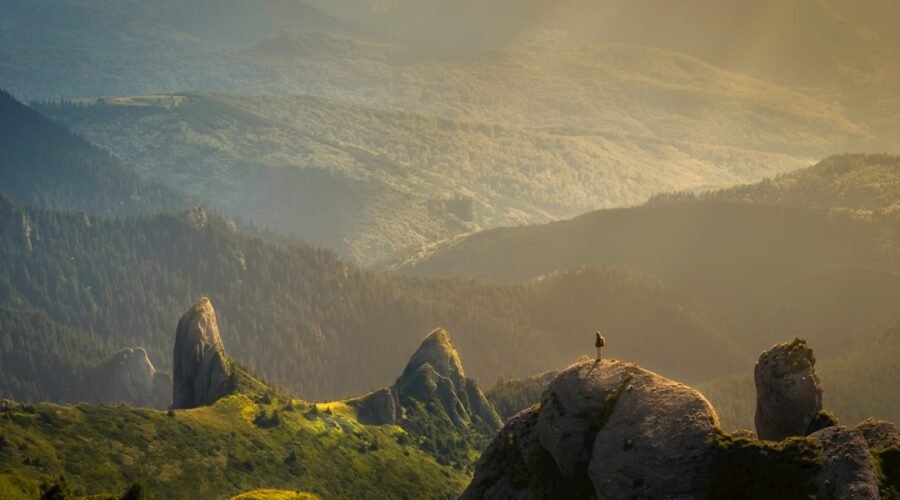
Planning a mountain escape to Şavşat in Turkey’s Artvin province? The best time to visit Şavşat depends on whether you want green highlands, autumn colors, snowy landscapes, or fewer tourists. This peaceful district offers something different in every season, but the weather can change your plans quickly.
Quick Answer
The best time to visit Şavşat, Artvin, is June through September for comfortable outdoor activities and green mountain scenery. July and August offer the warmest weather but attract more visitors. Choose September or early October for fewer crowds and autumn colors. May suits spring scenery, while December through February is best for snow lovers prepared for difficult travel conditions.
Last checked: October 28, 2026. Dates and official tariff figures were verified against government sources.
Key Takeaways
- Late spring brings fresh greenery and wildflowers, but snow may remain on high mountain routes.
- Summer is the most practical season for hiking, camping, village exploration, and visiting highland lakes.
- October is especially attractive for forest photography, although cooler temperatures and rainfall become more common.
- Winter offers quiet snowy scenery, but road access and outdoor activities can be limited.
- Accommodation demand is generally strongest in summer, especially around festivals and holiday weekends.
Best Time to Visit Şavşat: Month-by-Month Weather Guide
Şavşat has cold, snowy winters and relatively mild summers because of its mountainous location. Its weather differs from the warmer Black Sea coast and even from lower parts of Artvin province.
The following monthly temperatures come from Weather Spark’s Şavşat climate averages. These are modeled historical averages rather than an official weather-station record. Actual temperatures vary by elevation, year, and weather conditions.
The crowd and cost columns are general planning estimates, not measured visitor statistics or fixed hotel prices.
| Month | Average High / Low | Crowds | Costs |
|---|---|---|---|
| January | -1°C / -10°C; snowy | Very low | Often lower |
| February | 1°C / -9°C; snowy | Very low | Often lower |
| March | 5°C / -4°C; cold | Low | Often lower |
| April | 11°C / 1°C; cool | Low | Low to moderate |
| May | 16°C / 6°C; mild | Low to medium | Moderate |
| June | 20°C / 9°C; mild | Medium | Moderate |
| July | 23°C / 11°C; warm | High | Often higher |
| August | 24°C / 11°C; warm | High | Often higher |
| September | 20°C / 8°C; mild | Medium | Moderate |
| October | 14°C / 3°C; cool | Low to medium | Moderate |
| November | 7°C / -2°C; cold | Low | Often lower |
| December | 2°C / -7°C; snowy | Very low | Often lower |
These temperatures represent the wider Şavşat area. Mountain villages, lakes, and exposed highlands can feel much colder than the town center.
July and August offer the most dependable conditions for warm-weather sightseeing. However, September often gives you a better balance between pleasant afternoons and a quieter atmosphere.
What Is Şavşat Like in Each Season?
Each season in Şavşat changes the landscape, outdoor conditions, and type of trip you can enjoy. Spring brings new growth, summer opens the highlands, autumn adds rich forest colors, and winter covers much of the region in snow.
Spring in Şavşat (March to May)
Spring arrives slowly in Şavşat. Snow begins melting at lower elevations while higher mountain areas may remain covered well into the season.
This is a good period for travelers who enjoy fresh greenery, quiet villages, and seeing nature return after winter.
- March: Average daytime highs reach around 5°C. Freezing nights and snowfall remain possible. It is better suited to town visits than highland hiking.
- April: Average highs rise to about 11°C. Valleys become greener, and early wildflowers begin appearing. Mud and lingering snow can make trails difficult.
- May: Daytime highs average around 16°C. More flowers bloom, and lower-elevation walks become pleasant. High mountain roads may still be affected by snow.
May is the strongest spring choice if you want greenery before the summer tourist season. However, it is not the most dependable month for reaching every mountain lake or plateau.
Best for: Wildflower photography, birdwatching, quiet village visits, short walks, and travelers who prefer cooler weather.
Summer in Şavşat (June to August)
Summer is the easiest season for exploring Şavşat’s forests, highlands, and lakes. Daytime temperatures are generally comfortable, while mountain evenings remain cool.
The surrounding countryside becomes green and lively. Visitors come for hiking, camping, picnics, photography, and traditional highland culture.
- June: Average highs reach around 20°C. This is a pleasant month for outdoor exploration, although early-season access to high elevations can vary.
- July: Average highs reach around 23°C. Many hiking routes and summer visitor facilities become more practical to use.
- August: Average highs reach around 24°C, making it the warmest month on the modeled climate record. It is popular for outdoor holidays.
Summer is also festival season. The 33rd Şavşat Sahara Culture and Arts Festival took place on July 24–26, 2026. The first day’s activities were held in Şavşat town, followed by events on Sahara Plateau on July 25–26.
The festival brings together local traditions, music, and cultural activities. It also creates a particularly busy period for local accommodation and transportation.
Summer does not mean completely dry weather. Mountain showers and thunderstorms can still occur, especially during afternoon hikes.
Best for: Hiking, camping, mountain photography, families, highland excursions, and travelers interested in local festivals.
Autumn in Şavşat (September to November)
Autumn is one of Şavşat’s most beautiful seasons. Forests gradually change from green to yellow, orange, and red as temperatures fall.
September is better for mild-weather exploration, while October is especially attractive for fall foliage photography.
- September: Average highs remain around 20°C. The weather is suitable for walking and sightseeing, especially early in the month.
- October: Average highs fall to around 14°C, with average lows near 3°C. Forest colors become a major attraction, but rain, fog, and cold evenings are more common.
- November: Average highs drop to around 7°C. Frost, shorter days, and early snowfall become increasingly likely.
The strongest autumn colors often develop during October, although the exact timing changes with elevation and weather.
Lower forests and higher mountain slopes may reach peak color at different times. This gives you several opportunities to photograph changing landscapes.
If autumn scenery is your main reason for visiting, early to mid-October is a sensible starting point. September is usually better for longer outdoor walks and more comfortable daytime conditions.
Best for: Fall photography, scenic drives, forest walks, romantic trips, and travelers who prefer a slower pace.
Winter in Şavşat (December to February)
Winter transforms Şavşat into a quiet mountain destination with snowy forests, frozen ground, and cold nights.
This season can be rewarding if you love snow-covered landscapes, but it requires more preparation than visiting during summer.
- December: Average highs reach around 2°C, while nighttime lows average about -7°C. Snow becomes increasingly common.
- January: The coldest month, with average highs near -1°C and lows around -10°C. Deep snow and icy roads can affect travel.
- February: Average highs rise slightly to around 1°C, but freezing nights and winter conditions continue.
You can enjoy snow photography, peaceful village scenery, and warm indoor breaks. Snowshoeing or cross-country skiing may also be possible in suitable terrain, but these activities depend on local conditions, equipment, and safe access.
Some remote attractions may be difficult or impossible to reach after heavy snowfall.
Best for: Winter photography, peaceful accommodation stays, snow enthusiasts, and experienced cold-weather travelers.
Warning: Snow, ice, fog, and steep mountain roads can make winter travel dangerous. Do not assume that highland routes remain accessible throughout the season. Use a suitable vehicle, carry warm emergency clothing, and avoid remote mountain routes during severe weather.
When Is Şavşat Least Crowded?
Şavşat generally receives more leisure visitors during the warmer months. However, it remains quieter than many of Turkey’s major coastal resort destinations.
Visitor numbers change with school holidays, public holidays, local festivals, and weekend travel from nearby cities.
Peak Season: July and August
July and August are the busiest months for summer visitors. The weather is favorable for family trips, camping, hiking, and exploring mountain scenery.
You may encounter greater demand for guesthouses, cabins, and accommodation near popular natural attractions.
Festival periods and summer weekends can create additional crowding, especially in the town center and around Sahara Plateau.
The advantage is a livelier atmosphere and more opportunities to experience the region’s seasonal tourism activities.
Shoulder Season: May, September, and October
These months generally offer a more relaxed atmosphere than peak summer.
- May: Good for spring flowers, villages, and lower-elevation scenery, with fewer visitors at many outdoor locations.
- September: A strong choice for combining comfortable weather with reduced summer holiday traffic.
- October: Usually quieter overall, although scenic forest areas can still attract photographers and weekend visitors.
September is the most flexible shoulder-season choice for outdoor activities. October is better if autumn scenery matters more than warm temperatures.
Off-Season: November to April
November through April is generally the quietest part of the year.
Winter travelers may find peaceful villages and fewer people at accessible viewpoints. However, reduced demand can also mean fewer accommodation choices and limited local services.
Early spring and late autumn offer solitude without necessarily having the full winter experience, though conditions can still be cold and unpredictable.
Budgeting Your Şavşat Adventure: When Is It Cheapest?
Şavşat can be a more economical alternative to Turkey’s major international resort destinations. However, your total spending depends on accommodation, transportation, activities, and the season.
Accommodation prices are not fixed throughout the year. Demand and the number of operating properties can affect what you pay.
High-Season Costs: July and August
Summer is generally the period when accommodation demand is strongest. Guesthouses, cabins, and small hotels near popular attractions may charge more during busy dates.
Festival weekends can be particularly competitive for rooms.
Restaurant meals and ordinary local transportation do not necessarily become more expensive simply because the season changes. However, private tours, transfers, and special activities may cost more when demand rises.
Budget advice: Reserve accommodation before popular summer weekends and festival periods, especially if you need a specific room type or location.
Shoulder-Season Value: May, September, and October
Shoulder-season travel can offer a better balance between accommodation availability and comfortable sightseeing conditions.
September is especially practical because many outdoor activities remain possible after the busiest holiday period.
October may offer quieter stays, but you should account for rain and cooler weather when planning excursions.
You may find more competitive accommodation offers during these months, although actual prices vary by property.
Low-Season Costs: November to April
The quietest months can bring lower accommodation prices at properties that remain open.
However, winter does not automatically mean the cheapest total holiday.
Heating, private transportation, winter equipment, and difficult road conditions can increase your expenses.
Some small properties may also close temporarily or operate with limited services.
How Much Does Karagöl-Sahara National Park Cost?
Not every sightseeing activity in Şavşat requires a paid tour. You can enjoy public village streets, scenic viewpoints, and many roadside landscapes without purchasing an organized excursion.
Protected natural areas are different because entrance or camping charges may apply.
The Ministry of Agriculture and Forestry classifies Karagöl-Sahara National Park under the Black Sea-2 region, Category I, in its 2026 protected-area classification.
Under the applicable 2026 tariff, the listed charges are:
- Individual pedestrian entry: 65 Turkish lira, according to the 2026 individual entrance tariff.
- Passenger car entry: 195 Turkish lira, according to the 2026 vehicle entrance tariff.
These are published tariff amounts, not a guarantee of what every entrance or privately operated facility collects. Accommodation, camping, rentals, and optional services may involve additional charges.
Best Seasonal Activities in Şavşat
Şavşat is known for its forests, mountain lakes, villages, and traditional architecture. The best activities depend on the time of year and which areas remain accessible.
The region’s natural attractions are spread across mountain roads and rural areas, so transportation planning matters.
Spring Activities: Wildflowers and Village Walks
Spring is ideal for seeing the countryside turn green after winter.
- Birdwatching: Watch for birds returning to forests, valleys, and meadows as temperatures rise.
- Wildflower photography: Look for flowers in lower meadows before heading to higher ground later in the season.
- Village exploration: Visit traditional settlements and appreciate wooden houses surrounded by green hills.
- Gentle hiking: Choose lower-elevation paths that are clear of snow and suitable for walking.
Spring is also a pleasant time to explore local culture without the busiest summer crowds.
What to pack: Waterproof walking shoes, warm layers, a rain jacket, and comfortable clothing for changing temperatures.
Summer Activities: Karagöl, Sahara Plateau, and Hiking
Summer offers the widest range of outdoor experiences in Şavşat.
One of the main attractions is Karagöl-Sahara National Park, known for its forest scenery and mountain landscapes.
According to the Turkish Ministry of Culture and Tourism, the national park was established in 1994 and covers 3,766 hectares.
The park includes the Karagöl and Sahara areas, where you can experience different landscapes within the same protected region.
- Karagöl: Enjoy the lake scenery, forest photography, peaceful walks, and picnics in suitable designated areas.
- Sahara Plateau: Explore highland scenery, traditional culture, meadows, and nearby forest landscapes.
- Walking and trekking: Choose routes based on your fitness level, weather, and the condition of mountain paths.
- Outdoor dining: Bring a picnic to an appropriate area and enjoy the surrounding countryside.
- Traditional architecture: Visit villages with wooden houses and rural buildings that reflect the region’s history.
Another summer destination is Balık Gölü near Pınarlı village.
A June 26, 2026, Turkish government report describes this highland lake as sitting at approximately 2,000 meters above sea level. It becomes attractive to campers, hikers, and photographers as the snow melts and summer access improves.
If you want to spend time near the water, Karagöl is a scenic choice. Boating may be available when local operators are active, but do not assume rentals run every day.
What to pack: Comfortable hiking shoes, sunscreen, a hat, drinking water, light layers, and a waterproof jacket.
Autumn Activities: Forest Photography and Scenic Drives
Autumn is a fantastic season for seeing Şavşat’s forests change color.
The contrast between evergreen trees and yellow or orange leaves creates excellent photography opportunities.
- Karagöl photography: Capture colorful trees reflected in the lake on calm days.
- Scenic driving: Explore accessible village routes and forested valleys as the landscape changes.
- Forest walking: Enjoy quiet trails, fallen leaves, and cooler temperatures.
- Local markets: Look for seasonal produce and regional food products in town and village markets.
- Cultural sightseeing: Explore traditional buildings and historic sites while enjoying the autumn atmosphere.
For a cultural stop, consider the historic Tibet Church in Cevizli village.
The Şavşat Municipality’s heritage information dates its construction to the period between 899 and 914. The surviving remains reflect the area’s medieval architectural history.
The ruins provide a different experience from the forests and lakes, making them an interesting addition to an autumn itinerary.
What to pack: A warm sweater, waterproof jacket, scarf, walking boots, and clothing you can layer throughout the day.
Winter Activities: Snow Photography and Quiet Stays
Winter is better suited to relaxed travel and snowy scenery than to covering many remote attractions in a short trip.
- Snow photography: Photograph snowy trees, village rooftops, and mountain views from accessible locations.
- Winter walking: Enjoy short walks on safe, maintained routes with suitable footwear.
- Snow activities: Consider snowshoeing or cross-country skiing only where conditions and safe access permit.
- Cozy accommodation: Spend time indoors with views of the surrounding winter landscape.
- Local food and cafes: Enjoy warm drinks and regional meals after spending time outdoors.
Snow-covered scenery can be beautiful, but this is not the season to expect every trail or mountain attraction to remain accessible.
What to pack: Thermal clothing, insulated waterproof boots, a heavy winter jacket, gloves, a warm hat, and suitable winter driving equipment if you are using a car.
How to Plan Your Trip Around Mountain Roads and Weather
Transportation matters as much as the weather when visiting Şavşat. The district’s natural attractions are spread across valleys, mountain roads, and high-elevation areas.
Some destinations are straightforward to visit in summer but become harder to reach during snow or heavy rainfall.
Getting to Karagöl and the Highlands
Karagöl is located outside the town center, and reaching it generally requires a private vehicle, rental car, or arranged transportation.
Official tourism descriptions give different road distances to Karagöl, so allow extra travel time for winding mountain routes rather than assuming a short drive.
Highland roads can include narrow sections, rough surfaces, and steep bends. Conditions may change after rain or snowfall.
Road Conditions and Travel Delays
Even outside winter, roadworks can affect journeys.
The Turkish General Directorate of Highways listed construction and traffic-control work on sections of the Ardahan-Şavşat road in its October 2026 regional road updates.
Allow enough time for slower mountain driving, particularly if you are visiting more than one attraction.
Pro Tip: Plan lake visits and highland excursions earlier in the day. Morning trips give you more daylight for mountain driving and greater flexibility if clouds, rain, or road conditions change your plans.
Which Month Should You Choose for Your Travel Style?
The best time for your Şavşat trip depends on what you enjoy most. A summer hiking holiday needs different conditions from an autumn photography trip or a quiet winter escape.
For Warm Weather and Outdoor Activities: July or August
Choose July or August if you want comfortable days for hiking, picnics, camping, and exploring mountain attractions.
These months are especially practical for families and first-time visitors who want to see several destinations.
For Autumn Colors and Photography: October
October is your strongest choice for colorful forests and reflective lake scenery.
Early to mid-October is a useful period to consider, but the exact timing of peak foliage varies each year.
For Fewer Crowds and Comfortable Weather: September
September is an excellent option if you prefer a quieter trip without giving up pleasant daytime temperatures.
It works particularly well for scenic drives, village exploration, and shorter mountain hikes.
For Spring Greenery and Wildflowers: May
May is ideal if you enjoy seeing nature return after winter.
Choose lower-elevation attractions if high mountain routes are still snowy or muddy.
For Snowy Scenery and Solitude: January or February
January and February offer the strongest winter atmosphere, with freezing temperatures and frequent snow.
They suit travelers who want a peaceful cold-weather experience and are prepared to adjust plans around travel conditions.
For Budget-Conscious Travel: The Shoulder or Off-Season
May, September, and October can provide good value without the challenges of deep winter.
November through April may offer cheaper accommodation at operating properties, but winter transportation and heating can affect your total budget.
Final Thoughts
Şavşat is worth visiting for its forests, peaceful villages, highland lakes, and dramatic mountain scenery. Each season offers a different experience.
For your first visit, consider September if you want comfortable weather and fewer crowds. Choose summer for easier highland exploration or October for autumn colors.
Once you know your preferred season, choose accommodation close to the attractions you want to visit. That will help you spend more time enjoying Şavşat and less time traveling between mountain locations.
Frequently Asked Questions
What is the best time to visit Şavşat for good weather?
June through September is the best period for generally comfortable weather in Şavşat. July and August are the warmest months, with modeled average daytime highs around 23°C to 24°C. September offers slightly cooler days and is a good alternative if you prefer a quieter atmosphere.
When should I visit Şavşat to avoid crowds?
May, September, and October are good choices for avoiding the busiest summer crowds. September offers a particularly useful balance between mild weather and a relaxed atmosphere. Winter is generally quieter, but snow and limited access can make sightseeing more difficult.
What is the peak tourist season in Şavşat?
July and August are generally the peak tourist months in Şavşat. Warm weather, summer holidays, and highland activities attract more visitors. Local festival dates and weekends can make some areas particularly busy, so accommodation availability may be more limited during these periods.
When is the cheapest time to visit Şavşat?
The quieter months from November through April may offer lower accommodation prices at properties that remain open. However, winter travel can involve extra costs. May, September, and October can provide better overall value when you want accessible attractions and comfortable sightseeing conditions.
What is the average temperature in Şavşat throughout the year?
Şavşat experiences cold winters and mild summers. Modeled average daytime highs range from about -1°C in January to 24°C in August. Average nighttime lows range from around -10°C in January to 11°C in July and August. Conditions can be colder at higher elevations.
When is the best time to see autumn colors in Şavşat?
October is generally the best month to see autumn colors in Şavşat. Forests around Karagöl and nearby valleys display changing shades of yellow, orange, and red. Early to mid-October is a useful period to consider, although peak color depends on weather and elevation.
Does it snow in Şavşat, Turkey?
Yes, Şavşat receives substantial winter snowfall, especially from December through February. January is typically the coldest month. Snow may remain on high mountain routes into spring, so winter visitors should plan for freezing temperatures and possible access restrictions.
Sources
- Weather Spark: Şavşat Climate and Average Weather: Modeled monthly average temperatures, rainfall, and seasonal weather patterns.
- Şavşat Municipality: 33rd Sahara Culture and Arts Festival: Official July 24–26, 2026, festival dates and locations.
- Turkish Ministry of Culture and Tourism: Karagöl-Sahara National Park: Park establishment, protected area, highland features, and accessibility information.
- Republic of Türkiye Directorate of Communications: Balık Gölü: Lake elevation, Pınarlı village location, and summer visitor activities.
- Şavşat Municipality: Tibet Church: Historic church location and construction period.
- Turkish General Directorate of Highways: Regional Roadworks: Road construction and traffic-control information affecting the Ardahan-Şavşat route.
- Ministry of Agriculture and Forestry: Protected Areas Classification 2026: Karagöl-Sahara National Park’s tariff classification.
- Ministry of Agriculture and Forestry: Individual Entrance Fees 2026: Published protected-area pedestrian entry charges.
- Ministry of Agriculture and Forestry: Vehicle Entrance Fees 2026: Published protected-area vehicle entry charges.

[…] Şavşat, Artvin […]