

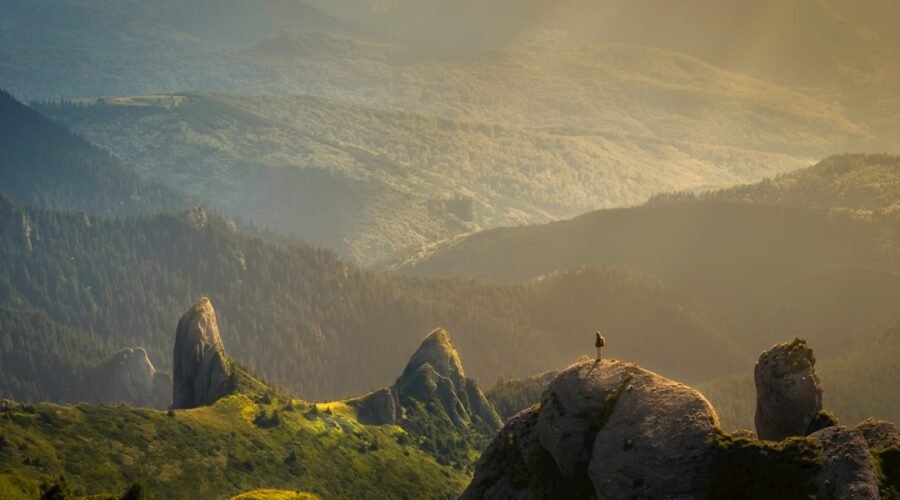
Borçka, in Turkey’s Artvin province, is known for its green forests, mountain scenery, and beautiful lakes. But the weather can change your experience, especially when you travel into the mountains. Choosing the best time to visit Borçka will help you enjoy Karagöl Nature Park, hiking trails, and local attractions without unexpected travel problems.
Quick Answer
The best time to visit Borçka, Artvin, is May to June for lush green scenery and September to October for pleasant walks and autumn colors. July and August offer warmer, generally drier weather but attract more tourists. Winter is quieter, although snow can close mountain roads and limit access to Karagöl.
Last checked: October 28, 2026. Dates and figures were verified against official sources.
Key Takeaways
- May and June are excellent for green forests, wildflowers, photography, and nature walks.
- July and August have the warmest weather, but popular attractions can become crowded.
- October is especially attractive for fall foliage, although Karagöl can still be busy on weekends.
- November through March generally brings fewer tourists, colder weather, and more limited outdoor access.
- Borçka Karagöl sits roughly 25–27 km from Borçka town, and winter snow can make the access road impassable.
Best Time to Visit Borçka: Month-by-Month Weather Guide
The best months depend on whether you prefer sunshine, green landscapes, or colorful forests. June offers a good balance for most visitors. September is another strong option, while October is especially appealing for autumn photography.
The table uses average daytime high temperatures and monthly rainfall from the Turkish State Meteorological Service’s Artvin climate records, covering observations through 2025.
Important: These are Artvin reference-station averages, not measurements from Borçka town or Karagöl. Karagöl is much higher in the mountains, so conditions there may be considerably colder. Crowd levels and cost trends are seasonal travel estimates, not official measurements.
| Month | Weather: Avg. High / Rainfall | Crowds | Cost Trend |
|---|---|---|---|
| January | 6.4°C / 84.6 mm; cold | Very low | Usually low |
| February | 8.4°C / 72.2 mm; cold | Very low | Usually low |
| March | 12.5°C / 60.5 mm; cool | Low | Usually low |
| April | 18.0°C / 52.7 mm; mild | Low to moderate | Low to moderate |
| May | 21.9°C / 53.8 mm; pleasant | Moderate | Moderate |
| June | 24.3°C / 48.4 mm; warm | Moderate | Moderate |
| July | 25.9°C / 31.7 mm; warm | High | Often high |
| August | 26.5°C / 28.7 mm; warmest | High | Often high |
| September | 24.0°C / 39.0 mm; pleasant | Moderate | Moderate |
| October | 19.7°C / 60.8 mm; cooler | Moderate; busy foliage weekends | Variable |
| November | 13.5°C / 74.9 mm; cool and wet | Low to moderate | Usually lower |
| December | 8.0°C / 86.8 mm; cold | Very low | Usually low |
The figures show why June through September is attractive for outdoor travel. July and August have the lowest average monthly rainfall at the Artvin station, while October and November become noticeably wetter.
However, Borçka’s forests, valleys, and mountain lakes sit at different elevations. A warm afternoon in town does not guarantee warm or dry weather around Karagöl.
Spring in Borçka: March to May
Spring is one of the most beautiful periods in Borçka, especially if you enjoy fresh greenery. However, conditions vary considerably between early March and late May.
March and April: Quiet Landscapes and Early Blooms
March and April suit travelers who enjoy cooler weather and fewer visitors. Melting snow feeds mountain streams, and lower valleys gradually become greener.
You can expect:
- Weather: Cool mornings, occasional rain, and milder afternoons as spring progresses.
- Crowds: Generally fewer visitors than during summer.
- Costs: Potentially lower accommodation rates, although some seasonal properties may remain closed.
- Activities: Landscape photography, short walks at lower elevations, local markets, and scenic drives where roads are open.
Early wildflowers may appear in sheltered areas. However, higher forests and mountain paths can remain snowy or muddy.
April can be a useful month for peaceful travel, but it is less dependable for reaching mountain attractions.
May: One of the Best Months for Green Scenery
May is an excellent choice if you want to see Borçka’s forests at their greenest. Warmer temperatures make outdoor activities more comfortable, while many summer crowds have yet to arrive.
Good activities include:
- Walking through forested areas near Borçka.
- Photographing mountain streams and spring flowers.
- Exploring Borçka Dam Lake and its surrounding viewpoints.
- Visiting Karagöl Nature Park when the mountain road is accessible.
- Enjoying picnics in designated recreation areas.
May rainfall helps create the region’s rich greenery. Waterproof shoes and a light rain jacket are useful even when the forecast looks favorable.
Summer in Borçka: June to August
Summer offers the warmest weather and some of the easiest conditions for outdoor sightseeing. June is particularly appealing for travelers seeking comfort, while July and August suit those who prefer longer days and a more active atmosphere.
June: Pleasant Weather and Long Days
June is one of the strongest months for a first visit to Borçka. The forests remain green, daylight hours are long, and temperatures are generally comfortable for walking.
Popular activities include:
- Walking around Borçka Karagöl and photographing the lake.
- Exploring scenic mountain roads and accessible plateaus.
- Enjoying local picnic areas and forest trails.
- Planning day trips into the Camili and Macahel region where conditions permit.
Mountain flowers can still be visible, especially at higher elevations. June also gives you more daylight for exploring without the peak heat of August.
July: Warmer Weather and Growing Crowds
July is an excellent month for travelers who prefer warm days and outdoor activities. It is also one of the busiest periods, especially around popular lakes and viewpoints.
Average daytime highs at the Artvin reference station reach 25.9°C (78.6°F). Heat can be stronger on exposed roads and in lower valleys.
July is particularly suitable for:
- Exploring accessible highland areas.
- Taking scenic drives through the region.
- Visiting local markets and community gatherings.
- Enjoying longer walks in shaded forests.
- Spending time around lakes and approved recreation facilities.
Higher hiking routes can offer cooler conditions, but mountain weather may change quickly. Short afternoon showers and thunderstorms remain possible.
August: Warmest Weather and Peak Summer Tourism
August is usually the warmest month in the regional climate records. It is a good choice if you prefer summer warmth, although accommodation demand and visitor numbers can remain high.
August works well for:
- Long sightseeing days and mountain photography.
- Accessible high-altitude hikes.
- Exploring local food markets and regional culture.
- Spending time at Karagöl and nearby forest areas.
For longer hikes, choose the cooler part of the day and carry enough drinking water. Exposed trails can feel much hotter than shaded forest paths.
Summer is also a common period for regional cultural activities. However, local festivals do not all follow the same schedule, and no single summer event should be assumed to take place on fixed dates every year.
Autumn in Borçka: September to November
Autumn is one of Borçka’s most photogenic seasons. September offers comfortable sightseeing weather, while October brings some of the best opportunities to photograph colorful forests and lake reflections.
September: Comfortable Weather and Fewer Summer Crowds
September is an excellent alternative to July and August. Daytime temperatures remain pleasant, but the summer holiday rush gradually eases.
At the Artvin reference station, the average daytime high is 24.0°C (75.2°F), with average monthly rainfall of 39.0 mm.
September is well suited to:
- Forest walks and moderate hiking.
- Photography around Borçka Dam Lake.
- Exploring accessible mountain villages.
- Visiting Karagöl before the main autumn color period.
- Enjoying seasonal food and local produce.
Some trees may begin changing color at higher elevations, although the most dramatic foliage usually develops later.
October: Best for Colorful Forests and Photography
October is a particularly rewarding month for visiting Borçka Karagöl. Deciduous trees turn yellow, orange, and red, creating beautiful reflections in the lake.
Mid-October is often a strong period for autumn scenery. However, the exact timing depends on temperatures, rainfall, and elevation.
October is ideal for:
- Photographing autumn foliage around Karagöl.
- Enjoying forest walks in cooler weather.
- Capturing mist over valleys and lakes.
- Exploring local harvest products and markets.
Autumn is not always a quiet season at Karagöl. Popular foliage weekends can attract substantial visitor numbers.
Rain also becomes more frequent later in the month, so some walking trails can be slippery.
November: Quiet Scenery and Colder Weather
November offers a quieter experience, especially after the main autumn color period. However, rain, cold weather, and shorter days can limit outdoor activities.
Early November may still offer colorful trees in some locations. Later in the month, many deciduous trees lose their leaves, and snow may begin affecting higher roads.
November is best for:
- Quiet photography and misty mountain scenery.
- Short nature walks in suitable weather.
- Relaxing in local guesthouses.
- Exploring Borçka town and nearby accessible attractions.
This period suits travelers who value peace more than guaranteed sunshine.
Winter in Borçka: December to February
Winter is best for visitors who enjoy cold weather, mountain scenery, and quiet surroundings. Snow can transform the region, but reaching some attractions becomes difficult or impossible.
December and January: Snowy Mountains and Quiet Villages
December and January bring short days, colder temperatures, and snowfall at higher elevations.
Suitable activities include:
- Photographing snow-covered mountains from safe, accessible viewpoints.
- Enjoying traditional food in local restaurants and guesthouses.
- Exploring Borçka town when road conditions permit.
- Experiencing the quieter rhythm of local life.
Winter is not a dependable season for reaching Karagöl or remote plateaus. Roads may close because of accumulated snow and ice.
February: Lingering Snow and Possible Thaw
February remains a winter month in the surrounding mountains. Some lower areas may experience milder days, but higher roads can stay covered with snow.
Winter hiking and snowshoeing should only be attempted on suitable routes with the right equipment and local guidance.
Do not plan a winter trip around skiing or commercial snow sports without confirming that a suitable facility is actually operating.
Can You Visit Borçka Karagöl in Winter?
Access to Borçka Karagöl is not guaranteed throughout winter. Snow can block the approach road well into spring.
For example, the park resumed welcoming visitors on April 3, 2026, after work to reopen a snow-blocked route.
That date describes the 2026 season. It does not mean the road opens on the same date every year.
Warning: Snow, ice, fog, and landslides can make mountain roads dangerous. Never assume that a road to Karagöl, Camili, or a high plateau is open just because conditions are mild in Borçka town. Confirm current access before driving and avoid entering closed routes.
When Is Borçka Most Crowded?
Visitor numbers are usually highest during the summer holiday period. However, Karagöl also attracts substantial numbers of visitors during autumn foliage season.
The crowd level changes depending on the attraction, weekday, weather, and national holiday schedule.
July and August: Peak Summer Crowds
July and August are generally the busiest months for summer tourism.
You can expect more visitors at:
- Borçka Karagöl Nature Park.
- Popular forest viewpoints and picnic areas.
- Well-known mountain recreation areas.
- Accommodation near major attractions.
Summer demand can make popular guesthouses and organized activities more expensive, particularly on weekends.
October: Autumn Photography Can Still Be Busy
October is often quieter than peak summer overall, but Karagöl is an important exception. Visitors travel specifically to see the colorful forests.
In fact, an Anadolu Agency report from October 15, 2024 noted that the park had received more than 600,000 visitors that season and was experiencing autumn visitor crowds.
This makes October an attractive but not necessarily empty travel period.
Pro Tip: For calmer lake reflections and fewer people in your photographs, plan your Karagöl visit for a weekday morning. Autumn weekends can be busy even after the main summer holiday period ends.
March, April, and November: Better for Quiet Travel
These months usually offer fewer tourists, although weather conditions are less dependable.
March and early April can be challenging for mountain access. November is wetter and colder, but some lower-elevation attractions remain accessible.
If your priority is a quiet stay rather than extensive hiking, these periods may be suitable.
Which Holiday Dates Can Increase Crowds?
Turkish public holidays and school vacations can increase domestic travel demand. Busy periods are not limited to July and August.
The Turkish Ministry of National Education’s 2026–2027 calendar confirms these dates:
- November 16–20, 2026: First-term school break.
- January 25–February 5, 2027: Midyear school holiday.
- March 8–12, 2027: Second-term school break.
- June 25, 2027: End of the school year, followed by the summer holiday period.
For the remaining 2026 calendar, the official Turkish public holiday schedule also identifies October 29 as Republic Day, with a half-day holiday on October 28.
These dates may affect travel and accommodation demand, although they do not guarantee large crowds at every attraction.
How Much Does It Cost to Visit Borçka?
Borçka can be more affordable than Turkey’s major resort destinations, but your total budget depends on accommodation, transport, season, and the attractions you visit.
Summer accommodation often costs more, while the quieter months may offer better value. However, lower demand does not always mean cheaper rooms because some mountain properties operate seasonally.
Borçka Karagöl Nature Park Entrance Fees
Borçka Karagöl is a protected nature park, not a free public lake attraction.
Under the Turkish Ministry of Agriculture and Forestry’s 2026 protected-area fee classification, Borçka Karagöl is listed in the first category for the Black Sea region’s second geographic group.
The published 2026 tariffs include:
- Pedestrian entrance: 65 TL per person, according to the official individual entrance tariff.
- Passenger car entrance: 195 TL per vehicle, according to the official vehicle entrance tariff.
The vehicle tariff generally covers passengers within the vehicle’s registered capacity. Eligible discounts and exemptions may apply, and operators may charge less than the published maximum where permitted.
These are 2026 tariff figures, not confirmed 2027 prices. Additional services, such as camping or boat rental, may have separate charges.
Budget-Friendly Travel: November to April
The quieter months can offer accommodation savings, particularly outside holiday periods. However, availability becomes more limited at higher elevations.
For a lower-cost trip, consider staying in Borçka town rather than relying on remote mountain accommodation.
March, April, and November may offer a useful balance for budget-conscious travelers who can accept colder or wetter weather.
Mid-Range Travel: May, June, and September
May, June, and September can offer better overall value because the weather is often suitable for sightseeing without the strongest summer demand.
These months are especially attractive if you want several outdoor activities in one trip.
October can also offer good value, but accommodation near famous autumn viewpoints may remain in demand.
Premium Travel: July and August
July and August generally bring higher demand for popular accommodation and sightseeing services.
Booking accommodation one to three months ahead may help you secure more options. This is a planning guideline, not a guarantee of lower prices.
Weekday stays and accommodation away from major tourist areas may offer better value.
Best Time for Popular Activities in Borçka
Borçka has more to offer than seasonal scenery. You can explore lakes, waterfalls, forest paths, mountain villages, and areas known for their natural heritage.
The best month depends on the activity and the elevation of the location.
Visiting Borçka Karagöl Nature Park
Best months: May to June and September to October.
Borçka Karagöl Nature Park is one of the district’s most important natural attractions. The lake is surrounded by forest and is particularly popular for walking, photography, and picnics.
The Ministry of Agriculture and Forestry’s nature park information describes a protected area of approximately 368 hectares, located about 25 km from Borçka and 57 km from Artvin city.
The route includes paved roads and a final section of stone-paved mountain road.
Karagöl is a natural landslide lake, formed when displaced earth blocked a stream. The lake is surrounded by rich forest vegetation, which looks especially impressive in autumn.
For your visit:
- May and June: Expect fresh green forests and spring scenery.
- July and August: Enjoy warmer weather, but expect more visitors.
- September and October: Enjoy comfortable walks and changing forest colors.
- November to April: Expect colder conditions and possible road-access restrictions.
Walking around the lake and enjoying the forest scenery are the main attractions. Camping and organized recreation may be available in designated areas, subject to local rules.
Visiting Borçka Dam Lake
Best months: May to October.
Borçka Dam Lake is different from Borçka Karagöl. The dam reservoir is associated with the hydroelectric project on the Çoruh River, while Karagöl is a natural mountain lake inside a protected nature park.
According to Turkey’s Electricity Generation Corporation, Borçka Dam was commissioned in 2007 and has an installed power capacity of 300.6 MW.
The reservoir and surrounding hills offer attractive scenery for photography and sightseeing.
Spring is particularly appealing because of the surrounding greenery. September and October can provide softer light and cooler conditions for exploring nearby viewpoints.
Summer is another good period for enjoying the scenery and any permitted waterside activities.
However, a hydroelectric reservoir is not the same as a designated swimming or boating area. Only use water recreation services where access is specifically permitted.
Hiking and Trekking in Borçka
Best months: May to June and September to October.
These periods generally offer a good balance of temperature and scenery. Spring brings green forests, while autumn provides colorful landscapes.
The best route depends on elevation:
- March and April: Lower-elevation walks may be possible, but higher trails can remain muddy or snowy.
- May and June: Suitable for forest walks and many accessible nature trails.
- July and August: Good for higher routes when conditions permit, although exposed areas can be hot.
- September and October: Excellent for cooler walks and photography.
- November to February: More difficult because of cold weather, rain, snow, and shorter days.
Wear shoes with good grip and carry a waterproof layer. Mountain paths can become slippery after rain, even in summer.
Visiting Maral Waterfall
Best months: Late spring and summer.
Maral Waterfall is located in the Macahel area of Borçka. It is a popular attraction for visitors who enjoy forests, waterfalls, and more adventurous nature walks.
The Borçka Municipality’s Maral Waterfall guide describes a waterfall approximately 65 meters high, around 55 km from Borçka town.
The approach involves a steep path through forest, with roots and wooden steps along parts of the route.
Late spring and summer offer more suitable conditions than the coldest months, although heavy rain can make the path slippery.
This is a more demanding visit than a simple lakeside walk. Families with young children and travelers with limited mobility should consider the difficult approach before choosing it.
Exploring Camili and Macahel Villages
Best months: June to September.
The Camili and Macahel region is known for mountain landscapes, traditional villages, forests, and local beekeeping.
The area includes the UNESCO-designated Camili Biosphere Reserve, recognized in 2005. The reserve covers 27,152 hectares and includes the Uğur-Maral, Efeler, and Düzenli valleys.
Summer is generally the most practical season for exploring these remote communities because mountain road access is less likely to be affected by snow.
Local food, hazelnut cultivation, and traditional beekeeping are important parts of the region’s culture.
Travelers interested in village life may enjoy visiting in late spring or early autumn, provided the roads are accessible.
Photography: Spring Greenery or Autumn Colors?
Best months: May and June for greenery; October for autumn foliage.
Spring and autumn offer different types of photography.
- Spring: Green forests, fresh leaves, flowing streams, and wildflowers.
- Summer: Bright lake scenes, mountain panoramas, and long evenings.
- Autumn: Orange and yellow leaves, forest reflections, and misty landscapes.
- Winter: Snow-covered mountains and dramatic cold-weather scenery where access is safe.
For autumn photography, October is a particularly strong choice. However, foliage timing changes from year to year.
Local Culture, Markets, and Seasonal Events
Best months: June to September for active summer travel; autumn for seasonal produce.
Summer generally provides more opportunities to enjoy outdoor gatherings, local markets, and regional cultural activities.
During autumn, travelers may find seasonal fruits, nuts, and locally produced foods.
Local festivals and community celebrations can be worthwhile additions to your itinerary, but their dates may change each year. The main holiday and school vacation dates above offer more dependable information for planning around busy periods.
How to Plan Your Borçka Trip
The easiest way to plan your trip is to choose your main activity first. Then select a month that offers the right conditions for that experience.
For First-Time Visitors
Choose late May, June, or September if you want a balance of outdoor sightseeing and comfortable temperatures.
A practical trip could include Borçka town, Karagöl Nature Park, and scenic viewpoints around Borçka Dam Lake.
These destinations provide a mix of mountain forests, lakes, and local scenery without making the entire visit depend on remote trekking routes.
For Travelers Who Prefer Fewer Crowds
Late April, May, September, and November can be suitable, depending on your weather tolerance.
May and September usually offer the better balance for outdoor sightseeing. November is quieter but considerably wetter and colder.
For Budget-Conscious Travelers
March, April, and November may offer accommodation savings compared with the summer peak.
However, the lowest room price is not always the cheapest trip. Extra transport costs and closed mountain routes can reduce the value of an off-season visit.
Staying in Borçka town can make it easier to adjust your plans when mountain weather changes.
For Summer Travelers
Choose July or August if warm weather and long daylight hours matter most.
These months are suitable for sightseeing, local markets, mountain drives, and many outdoor activities. Expect a more active atmosphere and stronger visitor demand.
For Winter Travelers
Choose December through February only if you are comfortable with cold-weather travel and possible access restrictions.
Focus on places that remain reachable rather than planning your entire trip around Karagöl or remote mountain villages.
What Should You Pack?
Your packing list should match the season and the locations you intend to visit.
- Spring: Waterproof jacket, layers, walking shoes, and a light warm top.
- Summer: Breathable clothing, sun protection, drinking water, and a light rain jacket.
- Autumn: Warm layers, waterproof footwear, and rain protection.
- Winter: Insulated clothing, gloves, waterproof boots, and suitable winter travel equipment.
For hiking, carry water, a charged phone, and an offline map. Mobile coverage may be limited in remote valleys.
By choosing the right travel window, you can enjoy Borçka’s green forests, mountain lakes, and local culture while avoiding many common seasonal problems.
Frequently Asked Questions
1. What is the best time to visit Borçka, Artvin, for good weather?
June through September generally offers the most comfortable conditions for warm-weather sightseeing. July and August are the warmest and relatively driest months in Artvin’s climate records. May and October are also attractive for scenery, although rain and cooler temperatures are more likely.
2. When should I visit Borçka to avoid crowds?
May and September usually offer a good balance of manageable crowds and pleasant weather. March, April, and November are generally quieter but may bring colder, wetter conditions. October weekdays can be calmer than weekends, especially around popular autumn photography locations.
3. What is the peak tourist season in Borçka, Artvin?
July and August are generally the peak summer tourism months in Borçka. However, Karagöl also attracts large numbers of visitors during autumn foliage season, particularly in October. School holidays, national holidays, and weekends can increase demand outside the main summer peak.
4. When is the cheapest time to visit Borçka?
November through March may offer lower accommodation prices because tourism demand is usually weaker. March, April, and November can be useful for budget travel when weather conditions are acceptable. However, limited accommodation availability and additional transport expenses can affect your overall savings.
5. What are the average temperatures in Borçka throughout the year?
Temperatures vary considerably between Borçka town and higher mountain areas. For regional comparison, Artvin’s official reference-station records show average daytime highs from 6.4°C in January to 26.5°C in August. Karagöl is at a much higher elevation, so its temperatures may be noticeably colder.
6. Is Borçka Karagöl open during winter?
Access to Borçka Karagöl is not guaranteed during winter because snow can block the mountain road. In 2026, the route reopened for visitors on April 3 after snow-clearing work. The opening date varies with weather and road conditions, so winter visitors should not assume the park is accessible.
7. Is Borçka Dam Lake the same as Borçka Karagöl?
No, Borçka Dam Lake and Borçka Karagöl are separate attractions. Borçka Dam Lake is a reservoir on the Çoruh River associated with a hydroelectric facility. Karagöl is a natural landslide lake located in a protected mountain nature park roughly 25–27 km from Borçka town.
Sources
- Turkish State Meteorological Service: Official Artvin monthly temperature and rainfall averages, using observations through 2025.
- Ministry of Agriculture and Forestry, Regional Directorate 12: Borçka Karagöl Nature Park location, protected area, road access, and basic characteristics.
- Anadolu Agency, April 3, 2026: Reopening of the snow-blocked road to Borçka Karagöl.
- Anadolu Agency, October 15, 2024: Seasonal visitor numbers and autumn crowds at Karagöl.
- Ministry of Agriculture and Forestry, 2026 Protected Areas Tariff: Official tariff documents and protected-area classification.
- 2026 Individual Entrance Fee Tariff: Published pedestrian entrance rates.
- 2026 Vehicle Entrance Fee Tariff: Published passenger-car entrance rates.
- Turkish Ministry of National Education: Official 2026–2027 school holiday and term dates.
- Borsa Istanbul Official Holiday Calendar: Turkish public holiday dates for 2026.
- UNESCO Camili Biosphere Reserve: Designation year, area, valleys, and ecological and cultural significance.
- Electricity Generation Corporation, Borçka Hydroelectric Power Plant: Dam location, commissioning year, and power capacity.
- Borçka Municipality, Maral Waterfall: Waterfall height, location, and hiking approach.

[…] Borçka, Artvin […]
[…] Borçka, Artvin […]