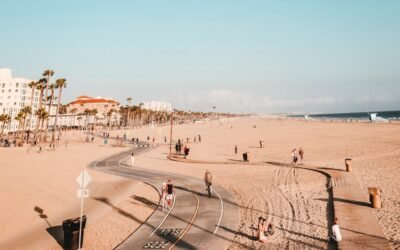
If you’re wondering when to visit Lewes, Delaware, the answer depends on what you want from your trip. This historic coastal town offers sunny beach days, scenic cycling trails, waterfront dining, and quiet off-season escapes. The weather, crowds, and accommodation prices change throughout the year, so choosing the right month can make a big difference.
Quick Answer
The best time to visit Lewes, Delaware, is May, early June, or September if you want pleasant weather without the busiest summer crowds. July and August are better for traditional beach vacations, while October is ideal for cycling and sightseeing. Winter offers a quieter atmosphere and potential accommodation savings, although some attractions operate on reduced schedules.
Key Takeaways
- Best overall balance: May, early June, and September offer comfortable conditions for many outdoor activities.
- Best for swimming: July and August provide the warmest typical summer conditions, although daily water safety and lifeguard availability matter.
- Best for cycling and sightseeing: April, May, September, and October.
- Best for quieter visits: Late fall and winter, outside major holidays.
- Best booking strategy: Compare weekday and weekend accommodation prices and check seasonal parking, park admission, and attraction schedules.
Best Time to Visit Lewes, Delaware: Seasonal Comparison
Each season offers a different experience. Here’s a quick comparison to help you choose your travel dates.
| Season | Typical Conditions | Crowds | Best For |
|---|---|---|---|
| Spring March–May |
Cool to mild, becoming warmer in May. | Generally lighter than summer. | Cycling, birdwatching, history, and spring flowers. |
| Summer June–August |
Warm to hot, often humid. | Peak vacation season. | Beach days, swimming, boating, and outdoor events. |
| Fall September–November |
Warm in September, cooler by November. | Generally lighter after Labor Day. | Walking, cycling, festivals, and scenic getaways. |
| Winter December–February |
Cold, with occasional snow and coastal wind. | Usually the quietest season. | Relaxation, history, photography, and beach walks. |
For a more precise picture of the weather, consult the NOAA 1991–2020 climate normals for Lewes. These historical averages are useful for planning, but actual weather can vary.
1. Spring (March–May): A Gentle Awakening
Spring is a lovely time to visit Lewes if you prefer quiet streets, comfortable outdoor activities, and fewer beach crowds. The town gradually becomes busier as warmer weather arrives.
1.1. Weather in Spring
March remains cool, with average highs around 55°F and lows near 38°F. April becomes more comfortable, with average highs around 66°F. By May, average highs reach approximately 75°F.
Layers are useful throughout spring, especially when you’re walking near the water. Rain showers and breezy days are possible, so a lightweight waterproof jacket is worth packing.
May is particularly appealing for travelers who want pleasant sightseeing weather without the hottest summer conditions.
1.2. Crowds in Spring
Spring generally brings fewer visitors than the main summer vacation season.
You’ll often find more space on the beaches, shorter waits at restaurants, and a relaxed atmosphere around historic downtown Lewes.
Weekends become busier as the weather improves, particularly around spring events and Memorial Day. Weekdays are often quieter.
1.3. Costs in Spring
Spring can be a budget-friendly alternative to a summer beach vacation, especially before Memorial Day.
Hotel and rental prices vary by property and dates, so compare weekday and weekend rates rather than assuming every spring stay will be cheaper.
Remember that parking fees and state park entrance charges can apply even before the summer vacation season begins.
1.4. Spring Activities
- Biking the Gordons Pond Trail: Enjoy coastal scenery, wetlands, and wildlife along this popular trail in Cape Henlopen State Park. Check current trail conditions before leaving.
- Birdwatching: Spring migration creates opportunities to observe birds around the park’s wetlands and coastal habitats.
- Exploring Historic Lewes: Walk through downtown, visit the Zwaanendael Museum, and discover the town’s maritime history.
- Visiting Farmers Markets: The Historic Lewes Farmers Market opens its Saturday summer season in May. Its published 2026 schedule runs May 2 through September 26.
- Fishing: Spring can provide opportunities for striped bass and flounder, depending on conditions and regulations.
- Enjoying the Lewes Tulip Celebration: This spring event brings colorful plantings and seasonal activities to town. The 2026 celebration ran April 1–19.
The Historic Lewes Farmers Market website provides current market locations and operating hours.
Pro Tip: If you want a spring getaway focused on cycling, shopping, and sightseeing, consider a weekday visit in May. You’ll have warmer weather than early spring without committing to a peak-summer beach vacation.
2. Summer (June–August): The Peak Experience
Summer is Lewes’s main beach vacation season. If you enjoy warm weather, busy waterfront restaurants, and a full range of seasonal activities, this is your time.
2.1. Weather in Summer
Summer brings warm to hot weather and higher humidity.
According to NOAA’s 1991–2020 climate normals, Lewes has average highs of approximately 83°F in June, 88°F in July, and 86°F in August.
July and August are generally the warmest months, although individual days can be hotter.
Summer also brings occasional thunderstorms. If you’re planning a beach day, check the forecast and have an indoor alternative available.
Water temperatures are generally more comfortable for swimming during summer than in spring or winter. However, air temperature alone cannot determine whether the water is safe.
2.2. Crowds in Summer
Expect busy beaches, restaurants, shops, and parking areas, particularly on weekends and around major holidays.
Lewes attracts families and vacationers throughout summer. Cape Henlopen State Park and popular beach parking areas can become especially busy on sunny days.
For a more relaxed visit, arrive early, consider a weekday, and make reservations for restaurants or activities that are important to your trip.
2.3. Costs in Summer
Summer demand often makes accommodation more expensive than during quieter months.
Hotels and vacation rentals near the beach may fill well in advance, especially around Independence Day and Labor Day.
Booking early can improve your choice of properties, although it does not guarantee the lowest rate.
Allow room in your budget for parking, meals, beach equipment, and admission to attractions.
2.4. Summer Activities
- Beach Days: Enjoy swimming, sunbathing, and sandcastle building at Lewes Beach or designated swimming areas in Cape Henlopen State Park.
- Water Sports: Explore kayaking, paddleboarding, boating, and other activities offered by local operators.
- Ferry Rides: Take the Cape May-Lewes Ferry across Delaware Bay. The crossing takes approximately 85 minutes, excluding boarding and unloading.
- Outdoor Concerts and Events: Check local calendars for seasonal concerts, festivals, and community activities.
- Fishing Charters: Consider a bay or ocean fishing trip with a licensed operator.
- Shopping on Second Street: Browse boutiques, galleries, and shops in historic downtown Lewes.
Ferry schedules and fares vary by date. Check the official Cape May-Lewes Ferry schedule and reserve your preferred sailing when appropriate.
2.5. Choosing Between Lewes Beach and Cape Henlopen
These two popular beach destinations offer different experiences.
Lewes Beach sits along Delaware Bay and is convenient for visitors staying near downtown. Its location makes it appealing for families and travelers who want to combine beach time with restaurants and shopping.
Cape Henlopen State Park provides access to Atlantic Ocean beaches, trails, natural areas, and historical attractions.
The park offers more opportunities for combining a beach visit with hiking, cycling, and nature exploration.
Conditions can differ between the bay and ocean beaches, so check the location-specific forecast and posted swimming guidance.
Warning: Swim near lifeguards whenever possible and follow posted beach flags. Dangerous rip currents can occur even when the weather looks pleasant. Leave the water when thunderstorms approach, and never assume that a quiet-looking beach is safe for swimming.
3. Fall (September–November): The Sweet Spot
Fall is a favorite season for many travelers who want warm afternoons, comfortable sightseeing, and a slower pace than the main summer vacation period.
September is especially appealing because it often retains some summer warmth while offering a different atmosphere after Labor Day.
3.1. Weather in Fall
September remains relatively warm, with an average high of approximately 80°F.
October cools to an average high near 69°F, making it comfortable for walking and cycling.
By November, the average high falls to about 59°F, and evenings become noticeably cooler.
Early fall can still provide pleasant beach weather, but swimming conditions depend on water temperature, surf, weather, and lifeguard availability.
Coastal storms are another consideration during fall. Check forecasts if your trip includes boating, fishing, or ferry travel.
3.2. Crowds in Fall
Visitor numbers generally ease after the Labor Day holiday.
Beaches, restaurants, and downtown streets may feel less crowded than during July and August.
September and October weekends can still attract substantial numbers of visitors, especially during festivals and periods of pleasant weather.
If you prefer a particularly quiet visit, consider traveling midweek.
3.3. Costs in Fall
Fall can provide better accommodation value than peak summer, particularly when you have flexible travel dates.
However, festival weekends, holidays, and desirable waterfront properties can still command higher rates.
Compare several dates before booking, and remember that some parking and state park admission charges continue into fall.
3.4. Fall Activities
- Beachcombing and Walking: Enjoy long coastal walks without the busiest summer crowds.
- Cycling: Explore the Junction and Breakwater Trail and Gordons Pond Trail during cooler weather.
- Brewery and Winery Visits: Discover local craft beverages and dining options.
- Fall Festivals: Look for maritime celebrations, community events, and seasonal markets.
- Kayaking and Paddleboarding: Early fall can offer pleasant opportunities when weather and water conditions allow.
- Exploring Cape Henlopen State Park: Enjoy hiking, nature photography, wildlife viewing, and historical sites.
The Boast the Coast Maritime Festival celebrates Lewes’s maritime heritage. Its published 2026 date is October 3. Confirm future dates through the official local events calendar before planning travel around it.
The Historic Lewes Farmers Market also has a fall season. Its published 2026 Saturday fall market runs October 3 through December 5.
Note: September can feel like summer, but seasonal lifeguard coverage and attraction schedules may change after Labor Day. Check the operating schedule before planning swimming or other water activities.
4. Winter (December–February): Peaceful Solitude
Winter offers a completely different side of Lewes. The beaches are quieter, the pace slows, and visitors can enjoy coastal scenery without the usual summer activity.
It can be a good choice for travelers who prefer relaxation, history, photography, and peaceful walks over swimming.
4.1. Weather in Winter
Winters are cold, but the typical daytime temperatures are somewhat milder than the original impression of constant freezing conditions.
NOAA’s climate normals show average highs of approximately 50°F in December, 46°F in January, and 48°F in February.
Overnight temperatures frequently fall near or below freezing. Snow, freezing rain, and winter storms are possible.
Wind near the water can make conditions feel colder than the thermometer suggests.
Pack a warm coat, gloves, comfortable walking shoes, and wind-resistant layers.
4.2. Crowds in Winter
Winter is usually the quietest time to visit Lewes.
You may find beaches with very few visitors, quieter streets, and easier restaurant reservations.
Some seasonal businesses and attractions operate on reduced hours or close temporarily.
Before building your itinerary around a particular museum, restaurant, tour, or activity, confirm its winter schedule.
4.3. Costs in Winter
Winter can offer attractive accommodation rates because demand is generally lower than during summer.
However, prices vary by property and date. Holiday periods and special events can affect availability.
Check whether your preferred accommodation includes parking and whether restaurants or attractions you want to visit are open.
Lower lodging costs provide less value if the main activities you want are unavailable during your stay.
4.4. Winter Activities
- Cozy Stays: Relax in a comfortable hotel or vacation rental with a book and a warm drink.
- Winter Beach Walks: Enjoy the shoreline and coastal scenery while dressed for cold and windy conditions.
- Holiday Shopping: Browse local boutiques and seasonal displays in December.
- Dining Out and Breweries: Visit establishments that remain open during the off-season.
- Nature Photography: Capture winter landscapes, dunes, and coastal wildlife.
- Reading and Relaxation: Enjoy a slower pace without a packed sightseeing schedule.
- Birdwatching: Look for wintering waterfowl and other coastal birds.
- Historic Attractions: Explore available museums and heritage sites, checking seasonal hours in advance.
The Zwaanendael Museum is a useful indoor option for visitors interested in Delaware history. Check the official museum website for current opening hours and visitor information.
5. Deciding Your Ideal Time
To choose the right dates for your Lewes trip, think about the activities you want, the weather you enjoy, and how flexible your budget is.
5.1. What’s Your Priority?
- Beach and Water Activities: June through August, with September as a possible alternative when conditions allow.
- Budget-Friendly Travel: Consider winter, early spring, and late fall while comparing actual accommodation rates.
- Avoiding Crowds: Winter, late fall, and early spring generally provide quieter conditions.
- Outdoor Exploration: April, May, September, and October are appealing for walking, hiking, and cycling.
- Vibrant Atmosphere and Events: Summer provides the main beach vacation experience.
- Quiet or Romantic Getaway: Fall and winter offer a slower pace.
- Family Beach Vacation: Summer is convenient for travelers who want warmer swimming conditions and seasonal beach services.
5.2. How Flexible Are You?
If your dates are flexible, compare late spring and early fall with the busiest summer weeks.
May and September can offer an appealing balance of outdoor weather and more manageable crowds.
For the quietest experience, consider weekdays outside holiday periods.
Remember that Memorial Day, Independence Day, Labor Day, and popular local events can increase demand even when the surrounding weeks are relatively quiet.
5.3. Are You Planning Ahead?
For summer visits and popular holiday weekends, book accommodation well in advance if you want a particular property or location.
Restaurant reservations are also useful when dining at popular establishments during busy periods.
For spring, fall, and winter visits, you may have more flexibility, although prices and availability still vary.
If you’re planning a ferry trip, check the sailing schedule before finalizing the rest of your itinerary.
5.4. Understand Lewes Parking and State Park Fees
Parking is an important part of planning a trip to Lewes, especially during the warmer months.
The City of Lewes operates separate seasonal metered parking programs for downtown and beach areas.
According to the city’s published parking information:
- Downtown metered parking: May 1 through October 14.
- Beach metered parking: May 1 through September 30.
- Daily meter hours: Generally 9 a.m. to 8 p.m. in designated areas.
- Free parking: Certain non-metered lots are available, subject to posted restrictions and availability.
Check the City of Lewes parking information for current rates, locations, and rules.
Cape Henlopen State Park has its own entrance fee system.
For the 2026 fee season, March 1 through November 30, daily admission at Delaware beach state parks is:
- Delaware-registered vehicles: $10.
- Out-of-state registered vehicles: $20.
Annual passes may be useful for travelers planning several state park visits. Check the Delaware State Parks passes and fees before traveling.
5.5. Check Seasonal Activities and Operating Hours
Not every Lewes attraction follows the same schedule.
The Historic Lewes Farmers Market has separate summer and fall operating periods. Museums, outdoor programs, local tours, and some businesses may also have seasonal hours.
If you’re visiting outside summer, check opening times before making reservations.
For fishing, review Delaware’s current licensing requirements and species regulations. Most recreational anglers need a license, and additional Fisherman Information Network requirements may apply.
The Delaware DNREC fishing regulations provide official information.
5.6. Prepare for Changing Coastal Weather
Coastal weather can change quickly, particularly when thunderstorms, strong winds, or offshore storms affect the area.
Before visiting the beach or taking a boat trip, check the forecast, water conditions, and any posted advisories.
The National Weather Service rip-current safety guidance explains how to recognize and respond to dangerous swimming conditions.
If rain interrupts your plans, consider downtown shopping, available museums, restaurants, or a relaxed indoor afternoon.
Ultimately, Lewes offers something enjoyable in every season. Whether you’re looking for lively summer beach days, peaceful fall walks, spring cycling, or a cozy winter getaway, understanding the seasonal differences will help you plan a trip that matches your expectations.
Frequently Asked Questions
1. What is the best time of year to visit Lewes, Delaware?
May, early June, and September provide a good balance of pleasant weather and generally lighter crowds than peak summer. July and August are more suitable for a traditional beach vacation, while October is appealing for sightseeing and outdoor exploration.
2. What is the weather like in Lewes, Delaware throughout the year?
Lewes has warm to hot summers and cool winters. NOAA’s 1991–2020 climate normals show average highs around 88°F in July and 46°F in January. Spring and fall provide transitional weather, with September remaining relatively warm and November becoming noticeably cooler.
3. When is the peak tourist season in Lewes, Delaware?
The main beach vacation season runs from June through August, with particularly strong demand during summer weekends and major holidays. Memorial Day and Labor Day can also bring additional visitors.
4. Are hotels more expensive during peak tourist season?
Summer demand often increases accommodation prices, especially near beaches and during holidays. Rates vary by property and date, so compare several options and book early when you need a particular location.
5. What events should I consider when planning a visit?
Seasonal highlights include the Lewes Tulip Celebration in April, summer concerts and community events, Boast the Coast in October, and holiday activities in December. Event dates vary by year, so check official local calendars before booking your trip.
6. Is September a good month to visit Lewes?
Yes. September often provides warm weather, with an average high near 80°F, and generally lighter crowds after Labor Day. It’s a good month for walking, cycling, dining, and beach visits when conditions are suitable.
7. Is Lewes worth visiting in winter?
Winter can be enjoyable if you prefer quiet beaches, coastal photography, historic attractions, and a relaxed atmosphere. Some businesses and tours have reduced hours, so confirm availability before traveling.
8. Is Lewes Beach different from Cape Henlopen State Park?
Yes. Lewes Beach is located along Delaware Bay near downtown, while Cape Henlopen State Park includes Atlantic Ocean beaches, trails, wildlife areas, and historical attractions. Parking rules and admission charges also differ between the two locations.
9. When should I book accommodation for a summer visit?
Book well in advance if you want a particular beachfront property, vacation rental, or holiday weekend. Flexible travelers may find more options by comparing weekdays and nearby dates.
10. Does Cape Henlopen State Park charge admission?
Yes, vehicle entrance fees apply during the designated fee season. In 2026, the daily beach-park rate is $10 for Delaware-registered vehicles and $20 for out-of-state vehicles. Check Delaware State Parks for current fees and pass options.
Sources
- NOAA National Centers for Environmental Information — Lewes monthly temperature and precipitation normals, 1991–2020.
- Delaware Department of Natural Resources and Environmental Control — 2026 state park admission fees and fee-season dates.
- City of Lewes — Official seasonal parking information and regulations.
- Cape May-Lewes Ferry — Ferry schedules, fares, and reservation information.
- Historic Lewes Farmers Market — Published seasonal market schedules and locations.
- National Weather Service — Beach safety and rip-current guidance.