Around 60% of Gippsland visitors prefer shoulder seasons, which already tells you when the region sings—late autumn and early spring. You’ll find mild days, brisk coastal air, and wildflowers starting or fading, with far fewer people on the tracks. I’ll walk you through month-by-month weather, the best activities for each season, where crowds thin at Wilsons Prom and Lakes Entrance, and how to save on travel—so you can pick the perfect window.
Key Takeaways
- Visit in late autumn (May–Jun) or early spring (Sept) for lowest costs, fewer crowds, and good weather trade-offs.
- Summer (Dec–Feb) offers warm, long days, beaches, and festivals but higher prices and crowded trails and parking.
- Winter (Jul) is cold and often wet on the coast, yet ideal for storm-watching, hot springs, and near‑solitude.
- Shoulder seasons (autumn and spring) deliver vivid light, milder weather, easier campsite access, and better wildlife viewing.
- Mid‑week travel consistently lowers fares and availability issues; book early for peak holiday weekends and festival periods.
Best Time to Visit Gippsland: Season-by-Season Summary
If you’re planning a trip to Gippsland, think seasonally: each season shapes the region’s color, weather and activities in distinctly different ways.
You’ll find spring bursts with wildflowers and fewer crowds, perfect for hiking and joining Cultural festivals that celebrate local food and craft; it’s a time to reconnect and feel free.
Summer draws you to beaches and surf breaks, lively coastal towns and long evenings where live music spills into the night.
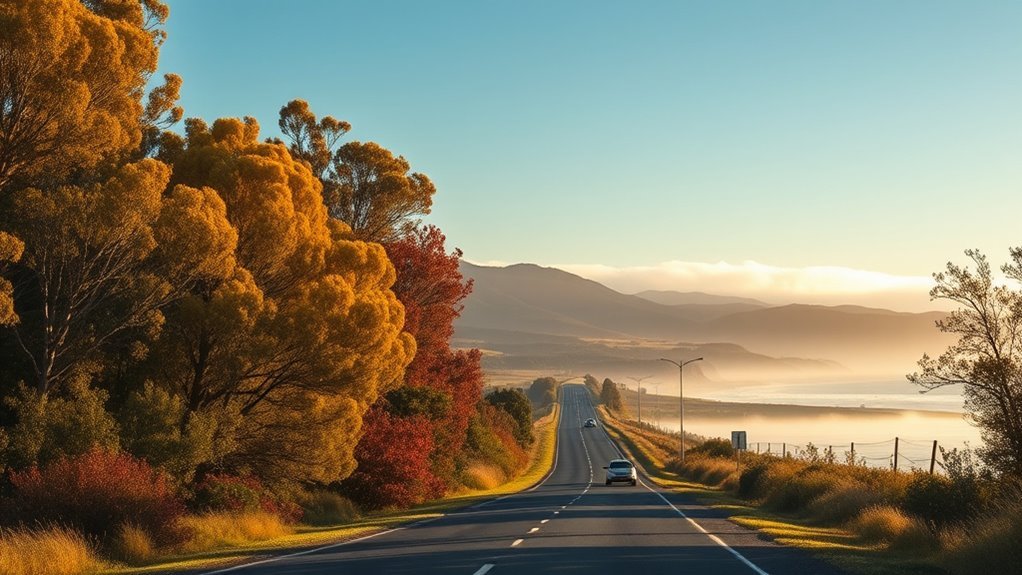
Autumn paints forests in firelight hues, ideal for scenic drives and quiet reflection, while winter invites you to soak in hot springs and explore rainforests without rush.
Throughout the year, Indigenous heritage informs art, guided walks and storytelling—seek those experiences to deepen your visit.
Pick a season that matches your mood: chase sunlit liberation in summer, mindful renewal in spring, contemplative beauty in autumn, or cozy solitude in winter.
Monthly Weather in Gippsland: Temps, Rainfall & Daylight
Across the year Gippsland’s weather shifts in clear, local rhythms you can plan around: summers bring long, warm days perfect for beaches and late drives, while winters shorten daylight and turn coastal winds brisk and rain‑prone, with cooler temperatures inland and in the high country.
Across the year Gippsland moves in local rhythms: warm, long summers and brisk, rain‑prone coastal winters—pack layers.
Each month offers a predictable pulse: January–February peak warmth with low rain and maximal daylight, March–April gentle cooling and increasing showers, May–June crisp mornings and marked daylight variance as you move into shorter days.
July is coldest, often wet on the coast and frosty inland; August starts the climb back, with soil‑rise patterns evident as fields wake.
September–October bring milder temps and sporadic rain, November stretches into long, pleasant days, and December returns to warm, lively weather.
You’ll want layers and a flexible itinerary to match monthly shifts; check local forecasts for microclimate swings in the high country versus coastal strips so you can roam freely without surprise.
Best Gippsland Activities by Season (Beaches, Hikes, Fishing, Wildlife)
When you time your trip to Gippsland with the seasons, you’ll get the best of its beaches, trails, fishing spots and wildlife without fighting the weather; summer invites long beach days and surf, autumn brings crisp hikes and great fishing as rivers cool, winter turns the high country into a misty, wildlife-rich domain for birdwatching and coastal storm-watching, and spring explodes with wildflowers, newborn marsupials and prime trout season in clear streams.
You’ll chase surf breaks and cliff-top walks in summer, savor sunrise winelife photography among rolling vineyards and join lively local festivals by the coast.
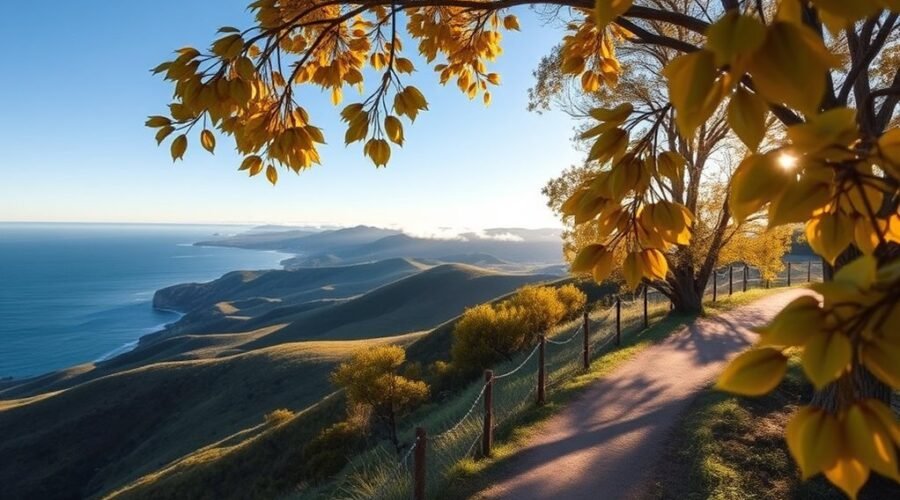
Autumn’s golden light favors ridge walks, mushroom foraging and casting for estuary bream as the crowds thin.
Winter’s fog and bare gums reveal wallabies and wedge-tailed eagles; pack layers and camera gear for dramatic seascapes.
Spring pushes you into wildflower valleys, wombat sightings and trout streams where guides show the best runs.
Each season hands you a different freedom: pick the one that matches how you want to move, shoot, taste and breathe Gippsland.
Crowds at Wilsons Prom & Lakes Entrance : Peak vs Quiet Windows
As you plan hikes, beach days and wildlife watches, know that timing hugely affects how crowded Wilsons Promontory and Lakes Entrance feel—these places can be gloriously empty or pulsing with visitors depending on the window you pick.
You’ll sense freedom on quiet mornings: tidepools to yourself, scrubby ridgelines with only bird calls, and a clean horizon.
Peak windows bring sun-seekers, families and local festivals; expect fuller trails, longer waits for boat trips and stricter Parking restrictions around popular carparks.
- Peak windows: summer holidays, long weekends and Promotional events swell numbers—arrive early or embrace the buzz and book ahead.
- Shoulder seasons: autumn and spring offer softened crowds, vivid light and easier access to campsites; you’ll find liberated space to roam.
- Quiet windows: mid-week in cooler months rewards you with near-solitude, open beaches and clearer wildlife encounters—perfect for intentional, unrushed exploration.
Budget Timing: Cheapest Months for Flights, Stays & Tours
Because mid-week travel and shoulder seasons soften demand, you’ll usually find the best bargains on flights, accommodation and tours to Gippsland outside of peak summer and major holiday weekends.
Travel mid-week and in shoulder seasons to score the best bargains on Gippsland flights, stays and tours.
Aim for late autumn (May–June) and early spring (September) when prices dip, rain-sleek landscapes sharpen, and the region feels quietly yours.
Book mid-week ferries and flights; small savings compound across stays and guided walks.
Look for pop-up budget festivals and lesser-known local events that run off-peak — they offer cheap entry, intimate vibes, and authentic connection without the crowds.
Tour operators discount off-season kayak trips, wildlife cruises and surf lessons to keep bookings steady; snag those deals by subscribing to newsletters and following operators on social channels.
Travel liberated means being flexible: shift dates by a few days, embrace cooler mornings, and you’ll trade peak chaos for lower costs and richer experiences.
Plan smart, spend less, and savor Gippsland on your terms.
What to Pack, How to Get Around, and Booking Tips by Season
Wondering what to tuck into your daypack for Gippsland’s ever-changing moods? Pack lightweight waterproofs, layered shirts, sturdy boots, sunscreen and a compact towel — so you can chase surf, scrub through rainforest or dance at a local festivals dusk without being weighed down. Don’t forget a power bank, ID, and confirmation copies; trip insurance gives you freedom to roam without fear.
- Rent a car for the greatest liberation — Gippsland’s sights unfurl best by road; opt for fuel-efficient or AWD depending on season.
- Use regional buses and bike rentals in summer for beach towns; buy tickets early during peak months when local festivals spike demand.
- For winter, book accommodation with heating and flexible cancellation policies; arrange transfers if roads look risky.
Book midweek stays to save, lock in tours near festivals months, and confirm refund-friendly options. Stay nimble, insured, and ready to pivot with the weather for an unshackled, joyful trip.
Frequently Asked Questions
Are There Any Local Festivals or Events Unique to Gippsland Worth Timing My Visit For?
Yes — you’ll find spirited regional festivals and heritage fairs celebrating food, music and pioneer stories; you’ll dance at coastal folk fests, taste artisanal produce at farmers’ markets, and join liberating parades that revive Gippsland’s proud local culture.
Can I Safely Swim at Remote Gippsland Beaches Year-Round?
Imagine glass broken into ribbons: you can’t safely swim remote Gippsland beaches year-round. You’ll need to check water safety, seasonal hazards like rips, cold, sharks, and storms, trust locals, and carry emergency gear for freedom.
Are There Accessible Trails and Facilities for Visitors With Mobility Impairments?
Yes — you’ll find accessible pathways, ramps and boardwalks at key reserves, plus adaptive signage and accessible restrooms. You’ll navigate scenic wetlands and beaches confidently, enjoying inclusive access that frees your exploration and uplifts your independence.
What Emergency Services and Medical Facilities Are Available Across Gippsland?
You’ll find robust emergency response across Gippsland, with ambulance, CFA fire crews, and police ready; major hospital locations in Sale, Bairnsdale, Warragul and Latrobe offer urgent care, letting you travel boldly and stay safe.
Are There Any Seasonal Closures or Permits Required for Lakes, Rivers, or Parks?
Imagine a hidden gate: you’ll sometimes need seasonal permits for parks, protected wetlands and certain lakes; water restrictions can limit boating or filling tanks. Check local councils and Parks Victoria so you’ll roam freely and responsibly.
Conclusion
Plan your Gippsland trip for late autumn or early spring to enjoy mild temps, blooming wildflowers, and far fewer people—weekday visits can cut crowds dramatically. Surprisingly, accommodation rates often drop up to 30% outside summer, so you’ll save without sacrificing views. Pack layers for sudden coastal breezes, bring sturdy shoes for Prom hikes, and rent a car for flexibility. With quieter trails and kinder weather, Gippsland’s landscapes feel made just for you.