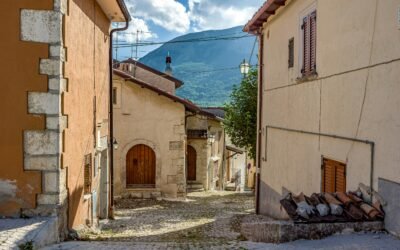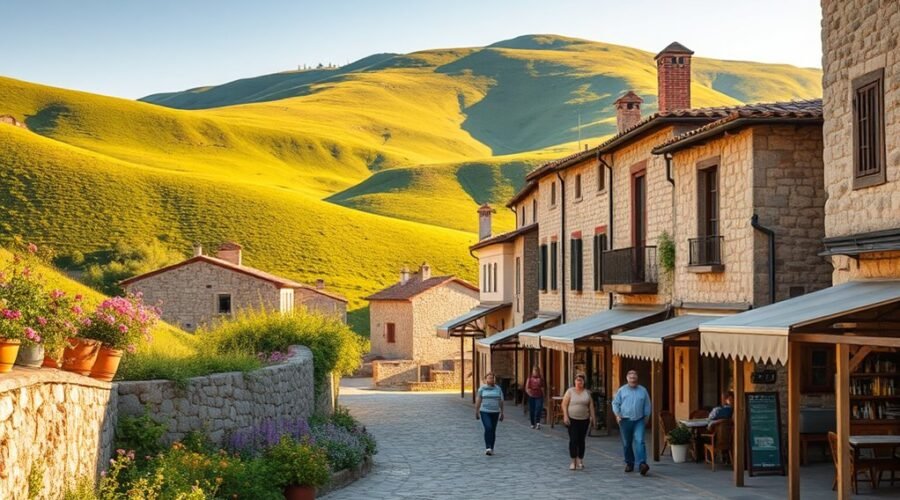
Visiting Polateli in Kilis Province offers a quiet look into the rolling hills, olive groves, and ancient stone heritage of Southeastern Türkiye, but timing your trip correctly is essential to avoid intense summer heat and winter downpours. The ideal window to explore Polateli is during the shoulder seasons of April to May and September to October, when comfortable daytime temperatures make hiking to historical sites and touring agricultural villages enjoyable.
Quick Answer
The best time to visit Polateli is from April to May and September to October. These shoulder months provide comfortable temperatures (18°C to 26°C), minimal rainfall, and ideal conditions for hiking Ravanda Castle and exploring rural olive and pistachio orchards without the extreme 35°C+ heat of midsummer.
Key Takeaways
- Prime Seasons: Spring (April–May) brings wildflower blooms and mild hiking conditions; Autumn (September–October) offers grape and olive harvest activities with golden photography light.
- Summer Considerations: July and August regularly exceed 35°C; outdoor activities must be restricted to early mornings and late evenings.
- Winter Realities: December to February brings cold, overcast weather, short days, and the majority of the region’s annual rainfall.
- Sightseeing Highlights: Ravanda Castle and local village orchards are best navigated when paths are dry between April and October.
Best Time to Visit Polateli, Kilis: Quick Recommendation
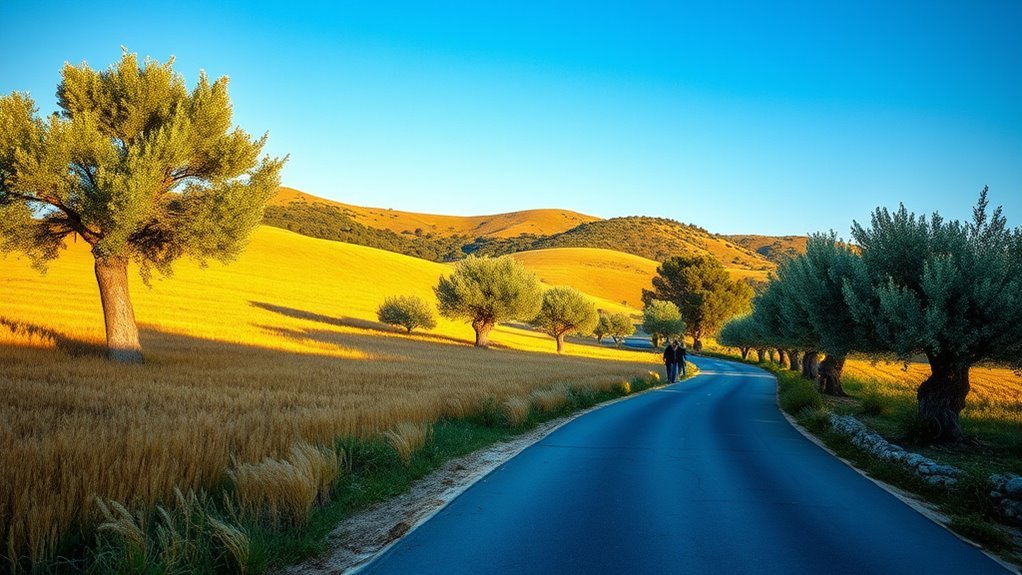
For most travelers, planning a trip to Polateli comes down to balancing daytime comfort with outdoor accessibility. Because the district’s main attractions—such as the historic Ravanda Castle (Ravanda Kalesi), ancient stone pathways, and sweeping olive farms—are outdoors, weather plays a defining role in your itinerary.
Spring (April–May) presents lush countryside scenery, blooming almond orchards, and daytime temperatures hovering around 20°C. In contrast, autumn (September–October) brings the energetic bustle of the local grape harvest and early olive pressings, accompanied by crisp evening breezes and dry trail conditions.
Traveling during these shoulder months also allows you to enjoy regional culinary specialties—such as wood-fired Kilis tava, fresh flatbreads, and locally cured olives—at village eateries without the seasonal service slowdowns or heat exhaustion typical of midsummer.
Month-by-Month Planning Checklist for Polateli
Tailoring your visit to Polateli requires understanding the microclimate of Kilis Province across all four seasons:
- January–February: Pack heavy thermal layers, waterproof boots, and plan for cozy stops in village tea houses. Historic hilltop paths may be slippery.
- March–April: Experience almond blossoms, green valleys, and fresh spring herbs; carry a light waterproof jacket for sporadic showers.
- May–June: Longer days and warm sunshine perfect for early morning treks to Ravanda Castle and dining al fresco.
- July–August: Plan indoor or shaded cultural excursions midday; reserve outdoor strolls and photography for sunrise or golden hour.
- September–October: Sample fresh figs, table grapes, and traditional pekmez (grape molasses) during village harvest operations; optimal touring weather.
- November–December: Witness the traditional olive harvest; expect dropping temperatures, shorter days, and increasing cloud cover.
Polateli Climate Overview (Temperatures & Rainfall)
Polateli sits in a transitional climatic zone between the Mediterranean basin and the continental plateau of Southeastern Anatolia. This geographical position results in hot, arid summers and cool, wet winters with sharp seasonal contrasts.
Average Yearly Temperatures
Temperatures shift noticeably throughout the year, with winter averages lingering around 5°C and summer afternoon peaks frequently climbing above 32°C.
| Season & Representative Month | Average High (°C) | Average Low (°C) | Comfort Rating |
|---|---|---|---|
| Winter (January) | 9°C | 2°C | Cold / Damp |
| Spring (April) | 20°C | 9°C | Excellent |
| Summer (July) | 36°C | 22°C | Hot / Arid |
| Autumn (October) | 25°C | 13°C | Ideal |
Seasonal Rainfall Patterns
Rainfall in Polateli is heavily concentrated between November and March. Summer months experience virtually zero precipitation, leading to dry terrain and dusty trails. Spring brings occasional, short-lived convective thunderstorms that replenish regional groundwater and refresh the rural landscape without derailing travel plans.
Pro Tip: If visiting Ravanda Castle after an autumn or winter rain, wear hiking boots with deep tread. The limestone ascents and unpaved perimeter trails can become slick when wet.
Monthly Temperature Ranges
Due to the elevation and clear skies characteristic of the region, Polateli experiences moderate diurnal temperature variation. Even in late spring and early autumn, temperatures can drop by 10°C to 12°C after sunset. Packing versatile layers ensures comfort whether exploring daytime ruins or enjoying evening tea at a local village square.
Spring (March–May): Mild Weather, Crowds, and Prices
Spring marks the awakening of the district’s agricultural valleys. March remains brisk, but by mid-April, daytime conditions settle into a pleasant range between 18°C and 23°C. Wild poppies, almond blossoms, and vibrant green pastures cover the surrounding slopes.
Traveler volume is low to moderate during spring, allowing visitors to walk through ancient sites and small community markets with ease. Accommodation rates in nearby Kilis city center and boutique regional guesthouses remain competitive compared to coastal destinations.
Summer (June–August): Heat, Peak Season Tips, and Events
Summer in Polateli brings intense sunshine and persistent heat, with temperatures regularly reaching 34°C to 38°C during the afternoon. While humidity remains relatively low, direct solar exposure makes midday hiking strenuous.
Warning: High UV levels and intense heat between 11:30 AM and 4:00 PM in July and August present real dehydration risks. Always carry ample water, wear wide-brimmed sun hats, and seek shade during peak midday hours.
Life in the district adjusts accordingly during summer: mornings start early, afternoons quiet down, and town squares come alive after dusk. Summer evenings are popular for outdoor dining, family gatherings, and occasional seasonal village fairs.
Autumn (September–November): Best Months for Comfortable Touring
Autumn is widely regarded by regional travel experts as the premier window for cultural and agricultural tourism in Polateli. The fierce summer heat subsides, leaving behind mild daytime temperatures and crisp, clear air.
Mild Daytime Temperatures
From mid-September through late October, daytime highs consistently sit in the 22°C to 27°C sweet spot. Walking across exposed archaeological ruins, touring rural olive groves, and photographing historical architecture can be done comfortably throughout the entire day without heat exhaustion.
Harvest Festivities and Crowds
Autumn corresponds with the vital agricultural harvests that define Kilis Province. September welcomes the grape harvest, where visitors can observe traditional outdoor reduction of grape must into thick molasses (*pekmez*). By late October and November, the region turns its attention to harvesting the prized Kilis Yağlık olives. Village activity is vibrant, markets are stocked with freshly pressed oils and dried fruits, and traveler crowds remain calm and respectful.
Winter (December–February): Cold, Quiet, and Cheaper Stays
Winter brings quiet days, lower temperatures (averaging 4°C to 9°C), and intermittent rain, with occasional brief snowfall on higher peaks. While outdoor trekking requires waterproof layers and flexible scheduling, winter offers an authentic, slow-paced look into village hospitality and regional home-style cooking.
Note: Winter travelers should expect shorter daylight hours (sunset around 5:00 PM). Schedule outdoor castle visits and rural road transit before mid-afternoon.
How Polateli Festivals and Crowds Affect Prices
Because Polateli is a tranquil, rural district rather than an overcrowded commercial resort hub, price fluctuations are primarily driven by major national holidays (such as Eid celebrations and Turkish national holiday long weekends) and regional harvest periods.
Festival Dates and Regional Demand
During regional harvest peaks and religious holidays, family-run guesthouses and hotels in nearby Kilis center experience higher occupancy rates. Booking 3 to 4 weeks ahead for holiday periods guarantees availability and standard rates.
Vendor and Market Pricing
Unlike commercial tourist markets, weekly agricultural bazaars in Polateli maintain consistent, fair local pricing year-round. Purchasing seasonal olive oils, dried peppers, and local crafts directly from producers supports the local rural economy.
When to Book to Save Money on Hotels & Transport
To maximize value when visiting Polateli and the wider Kilis area:
- Flights to Gaziantep Airport (GZT): Gaziantep is the primary air gateway (approx. 50 km away). Book domestic flights 4 to 6 weeks in advance for the best fares.
- Accommodations: Reserve hotel stays in Kilis or regional boutique guesthouses 2 to 3 weeks ahead for spring and autumn visits.
- Midweek Travel: Scheduling visits from Tuesday to Thursday often yields lower rental car rates and quieter historical sites.
Best Time by Travel Style
- Hikers & Outdoor Explorers: April, May, and October provide optimal trail conditions, mild breezes, and lush surroundings.
- Culinary & Agricultural Travelers: September through November offers direct access to the grape and olive harvest cycles and fresh seasonal fare.
- Budget & Solitary Travelers: November through March delivers the lowest lodging rates and completely crowd-free historical sites.
Frequently Asked Questions
Are there accessibility services for travelers with mobility issues in Polateli?
Accessibility infrastructure in rural Polateli is limited. Major historic sites like Ravanda Castle involve steep, unpaved gravel trails and stone steps that are not wheelchair accessible. Central village squares and municipal facilities offer standard ground-level access, but private transport is recommended for visitors with mobility concerns.
What health precautions are recommended when visiting Polateli?
Standard routine vaccinations (Tetanus, MMR, Hepatitis A) are recommended for rural travel in Türkiye. In summer, carry strong sun protection and insect repellent for outdoor walks near irrigated farmland. Travel insurance with standard medical coverage is advised.
Is tap water safe to drink in Polateli?
While municipal tap water in Kilis Province is treated, visitors are advised to consume bottled, boiled, or filtered water to avoid digestive sensitivities related to local mineral variations and aging rural pipe infrastructure.
How reliable is mobile and internet coverage in Polateli?
Major Turkish mobile carriers (Turkcell, Vodafone, Türk Telekom) provide steady 4G coverage within the Polateli district center and along primary highways. Coverage can be intermittent or drop to 3G/2G in deep valleys and around remote stretches of the Afrin River basin.
Are there good day-trip options from Polateli for families?
Yes. Families can take scenic day trips to Ravanda Castle, visit the historical stone mansions and culinary bazaars in Kilis city center (approx. 25 km away), or head north to explore the world-renowned Zeugma Mosaic Museum in Gaziantep.
Conclusion
Timing your journey to Polateli during the shoulder seasons of April to May or September to October ensures the best combination of comfortable walking weather (18°C to 26°C), clear skies, and authentic cultural experiences. Whether you are exploring historical fortifications like Ravanda Castle, sampling fresh Kilis tava, or witnessing the traditional autumn olive harvest, planning around these mild months guarantees a smooth and memorable visit.
Sources
- Turkish State Meteorological Service (MGM) — Regional climate statistics, precipitation averages, and temperature observations for Kilis Province.
- GoTürkiye Official Tourism Portal — Cultural travel guides, historical landmarks, and seasonal travel advice for Southeastern Anatolia.
- Republic of Türkiye Ministry of Culture and Tourism (Kilis Provincial Directorate) — Heritage site conservation data and visitor guidelines for Ravanda Castle.