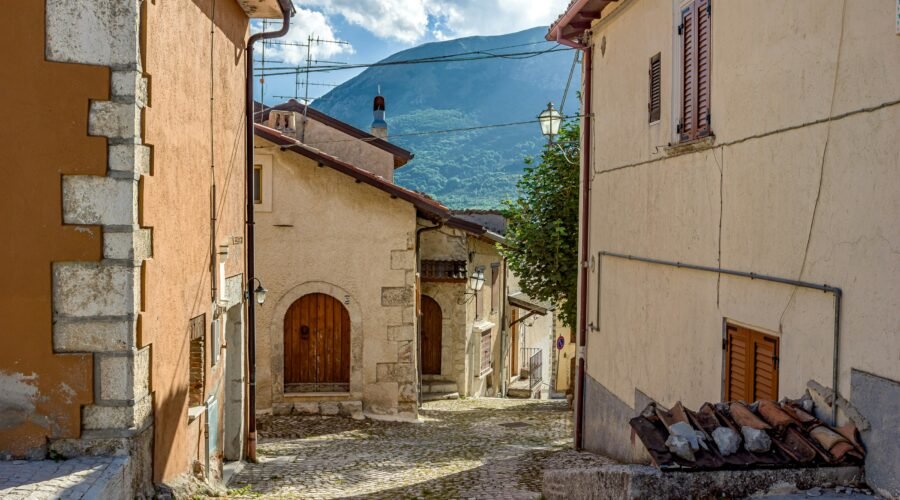
Planning a trip to Abruzzo, Italy, means choosing between several very different experiences in one region: Adriatic beaches, historic hill towns, vineyards, national parks, and high Apennine mountains. That variety is exactly why the best time to visit Abruzzo depends on whether you want swimming, hiking, food and wine, skiing, lower prices, or quieter towns.
Quick Answer
For the best overall balance, visit Abruzzo in May, June, or September. These months usually combine comfortable sightseeing weather with lighter crowds than July and August. Beach travelers can favor late June through September, while high-mountain hiking is generally best in summer and skiing depends on live winter snow conditions.
Key Takeaways
- Best overall: May, June, and September offer one of the strongest combinations of mild weather, active local services, and manageable crowds.
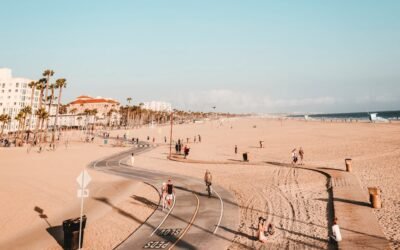
- Best for beaches: Late June through August brings the warmest beach conditions, while September is usually calmer.
- Best for hiking: Late spring and early autumn suit many lower and mid-elevation walks, but the highest Gran Sasso routes are generally better in summer.
- Best for skiing: January and February normally fall in the core winter-sports period, but snow and lift operations must be checked before travel.
- Best for lower prices and fewer crowds: November through March can be quiet outside Christmas, New Year, and ski weekends, although some coastal tourist businesses reduce their hours or close.
Note: Abruzzo does not have one uniform climate. Pescara and other Adriatic towns can be mild while L’Aquila and the high Apennines are much colder. Always plan mountain days separately from coastal days rather than relying on a single regional forecast.
Around 30% of Abruzzo’s territory is protected, helping explain why regional tourism material promotes it as one of Europe’s greenest regions and why outdoor conditions matter so much when choosing when to visit.
Spring in Abruzzo: Green Landscapes and Changing Mountain Conditions
Spring is one of Abruzzo’s most attractive transition seasons. Valleys and hills turn green, wildflowers begin to appear, and sightseeing temperatures become more comfortable. The important exception is the high mountains, where winter conditions can linger long after coastal towns have warmed up.
Warning: Do not assume a hiking route is snow-free because the coast feels warm. The Gran Sasso and Monti della Laga National Park notes that its highest summit routes are safely practicable mainly in summer. Check current park notices, weather, snow, and trail conditions before any mountain trip.
March: Lingering Winter and the First Signs of Spring
March can still feel wintry in inland Abruzzo and at altitude. The Adriatic coast is noticeably milder, but this is generally a sightseeing month rather than a beach month.
Weather in March
- Temperatures: Coastal daytime temperatures are commonly in the low to mid-teens Celsius, while inland valleys and mountain towns are colder, particularly after sunset.
- Rain: Showers are possible, so a waterproof layer is useful.
- Snow: Snow can remain on the Apennines, and winter hazards may persist on mountain routes.
Crowds and Costs in March
- Crowds: Tourist numbers are usually low. Activity can increase around Easter when it falls in March.
- Costs: Accommodation can be good value compared with summer, although ski areas and special-event weekends can follow a different pricing pattern.
What to Do in March
- Walking: Consider low-elevation walks only after checking current route conditions.
- Historic towns: Explore Sulmona and L’Aquila without summer heat. L’Aquila’s recovery from the 2009 earthquake has advanced substantially, although official reconstruction work and monitoring continue in parts of the city.
- Food: Cooler weather still suits Abruzzo’s hearty mountain dishes while early spring ingredients begin to appear.
April: Green Countryside and Easter Traditions
April is when spring becomes much more obvious across the hills and lower valleys. Easter can fall in either March or April, so holiday crowds and opening hours change from year to year.
Weather in April
- Temperatures: The coast becomes comfortably mild, while mountain areas remain noticeably cooler.
- Rain: Expect a mix of dry spells and spring showers rather than guaranteed sunshine.
- Snow: High terrain can still hold substantial snow even when lower elevations look fully spring-like.
Crowds and Costs in April
- Crowds: Outside Easter and long holiday weekends, April is usually relatively quiet.
- Costs: Prices often remain below the summer peak, but Easter can temporarily raise rates in popular areas.
What to Do in April
- National parks: Enjoy viewpoints, villages, visitor areas, and suitable lower routes in and around Gran Sasso and Majella, checking access before hiking.
- Festivals: Look for local seasonal events and food-focused sagre; schedules differ from town to town and year to year.
- Coastal walks: The Adriatic is refreshing and much quieter than in summer.
May: One of the Best All-Around Months
May is one of the strongest choices for a first Abruzzo trip. Days are longer, the landscape is green, towns are active, and peak summer crowds have not yet arrived.
Weather in May
- Temperatures: Coastal areas can reach comfortable low-20s Celsius conditions on many days, while mountain towns remain cooler.
- Rain: Showers are still possible, so do not plan an entirely weather-dependent itinerary.
- Snow: Most low and mid elevations are firmly in spring, but isolated snow can linger on high, shaded slopes and summit routes.
Crowds and Costs in May
- Crowds: Usually moderate, making May an excellent shoulder-season choice.
- Costs: Accommodation often offers better value than July and August, although weekends and major events can be more expensive.
What to Do in May
- Coast: Enjoy seaside promenades and increasingly active beach towns. Swimming comfort depends on the weather and your tolerance for cooler water.
- Hiking: Lower and mid-elevation trails can be excellent when open; high routes still require route-specific checks.
- Cycling: Mild conditions suit the region’s hills and scenic roads.
- Food and wine: Spring produce and wine events add another reason to visit.
- Traditional festival: Cocullo’s famous Festa dei Serpari in honor of San Domenico takes place on May 1.
Pro Tip: If you want one trip that mixes villages, food, coastal walks, and easier national-park outings, late May is hard to beat. If high summits are your priority, move the trip later into summer.
If you’re comparing Abruzzo with another quiet mountain destination, you can also read about the best time to visit Cukurca, Hakkari, including its seasonal weather, crowds, and costs.
Summer: Sun, Sea, and High-Mountain Adventures
Summer brings Abruzzo’s busiest beach season, long evenings, open-air dining, festivals, and some of the year’s best access to high mountain terrain. The coast and mountains can still feel dramatically different, so combining them is an effective way to escape intense seaside heat.
June: Warm Weather Before the Main Rush
June is another excellent all-around month. It delivers a much more summery feel without consistently matching the crowd levels of late July and August.
Weather in June
- Temperatures: Coastal areas commonly reach the mid-20s Celsius, with cooler conditions at elevation.
- Rain: June is generally sunnier and drier than spring, although showers and thunderstorms remain possible.
- Sea: The Adriatic is warming and beach activity becomes increasingly popular.
Crowds and Costs in June
- Crowds: Moderate overall, with busier weekends at popular seaside resorts.
- Costs: Rates usually begin rising as summer demand builds, so advance booking is useful for coastal stays.
What to Do in June
- Beach holidays: Lidos and seasonal seaside services are becoming fully active.
- Water sports: Kayaking, paddleboarding, sailing, and other coastal activities become easier to arrange.
- Villages: Longer daylight makes it easy to combine hill towns and countryside stops.
- Mountains: Many hiking areas become more accessible, although high routes may still need specific snow and trail checks early in the month.
- Evenings: Coastal promenades and restaurant terraces develop their summer atmosphere without the full August crush.
July and August: Peak Beach Season
July and August are the height of Abruzzo’s coastal summer. Expect hot sunny periods, busy seaside towns, active festivals, and higher accommodation demand. The mountains can offer welcome relief from the heat and are also the prime season for many high-altitude hikes.
Weather in July and August
- Temperatures: Coastal highs are often in the upper 20s Celsius and can move into the low 30s during hotter spells.
- Rain: Summer is generally drier and sunnier, but showers and thunderstorms can still develop, particularly around mountain terrain.
- Sea: These months normally provide the warmest and most consistently summery swimming conditions.
Crowds and Costs in July and August
- Crowds: This is peak season on the coast. August is especially busy because of Italian domestic holidays, while popular mountain sites can also attract day-trippers.
- Costs: Accommodation is commonly at or near its annual high in popular beach areas, with limited last-minute choice.
What to Do in July and August
- Beach life: Enjoy Abruzzo’s sandy northern coast and the coves and headlands of the Costa dei Trabocchi. Official regional tourism information covers both the sandy Garden Coast and the more varied southern coastline.
- Festivals: Summer brings many local sagre, concerts, and town celebrations. Programs change yearly, so verify dates with the municipality or organizer before building a trip around one event.
- Passeggiata: Warm evenings are ideal for the traditional evening stroll through town centers and seaside promenades.
- High mountains: Summer is generally the strongest period for the highest Gran Sasso routes, assuming weather and trail conditions are suitable.
Autumn: Harvests, Fall Color, and Quieter Towns

Autumn is one of Abruzzo’s most rewarding seasons. Summer heat gradually fades, coastal crowds thin out, mountain forests change color, and food and wine take on a stronger seasonal focus.
September: Warm Weather Without Peak-Summer Crowds
September is arguably Abruzzo’s strongest month for travelers who want both coastal and inland experiences. Early September can still feel distinctly summery, while later in the month evenings become fresher.
Weather in September
- Temperatures: Coastal days are often comfortably warm, while the mountains become cooler and crisper.
- Rain: Weather is still frequently settled, but showers become more likely as autumn develops.
- Sea: The Adriatic commonly retains enough summer warmth for swimming, especially in the first part of the month.
Crowds and Costs in September
- Crowds: The atmosphere becomes noticeably more relaxed once the main August holiday period ends.
- Costs: Beach-area accommodation frequently becomes better value than at the height of summer, although rates vary by town and weekend.
What to Do in September
- Beach relaxation: Combine warm seaside weather with fewer people.
- Wine country: Grape harvest activity begins or continues in many areas, although exact timing depends on grape variety, location, and the year’s growing conditions.
- Hiking: Cooler temperatures are attractive for many routes, but weather and high-altitude trail conditions still need checking.
- Food: Early-autumn produce begins appearing on menus and at local festivals.
October: Fall Color and Food-Focused Travel
October brings a more obvious autumn feel. The mountain forests can turn red, orange, and gold, while villages and restaurants shift toward mushrooms, chestnuts, truffles, game, and other cool-season ingredients.
Weather in October
- Temperatures: Coastal Abruzzo often remains relatively mild during the day, while inland and mountain locations cool much faster after sunset.
- Rain: Weather becomes more changeable than in summer, so allow flexibility for wet days rather than assuming every outdoor plan will work.
- Mountains: Cold snaps and early snow are possible at high elevation.
Crowds and Costs in October
- Crowds: Tourist numbers are generally low outside weekends and special events.
- Costs: Many destinations offer better accommodation value than summer, although fewer open properties in seasonal resort areas can sometimes limit choice.
What to Do in October
- Autumn foliage: Explore forested valleys and park landscapes as colors change.
- Food experiences: Look for local menus, markets, and events centered on mushrooms, chestnuts, truffles, and other autumn ingredients.
- Wine: Visit wineries after or during harvest activities, depending on the producer and season.
- Walking: Lower routes and village-to-village walks can be excellent, but high mountain itineraries need extra caution as daylight shortens and conditions become colder.
November: Quiet Towns and a Strong Off-Season Feel
November is one of Abruzzo’s quietest periods. Coastal resort areas can feel sleepy as seasonal businesses reduce hours, but this can be appealing if your priority is local life rather than beach services.
Weather in November
- Temperatures: The coast is cool but relatively mild compared with the mountains. Frost becomes increasingly common inland.
- Rain: Expect a greater chance of damp and unsettled weather.
- Snow: Snow can arrive in the mountains, but it should not be treated as a guarantee of skiable conditions.
Crowds and Costs in November
- Crowds: Generally very low.
- Costs: Accommodation can be inexpensive, but the trade-off is reduced seasonal choice in some coastal locations.
What to Do in November
- Experience local life: Explore towns and villages when tourism plays a smaller role in everyday routines.
- Seasonal dining: Enjoy richer dishes, local cheeses, pasta, meats, mushrooms, and other cool-weather foods.
- Photography: Mist, changing skies, empty beaches, and late-autumn mountain scenery can create dramatic conditions.
- Snow activities: Treat any early-season skiing as a bonus and confirm resort operations before traveling.
Winter: Ski Areas, Snowy Mountains, and Quiet Coastal Towns

Winter reveals a completely different side of Abruzzo. Coastal towns become quiet, inland villages turn cold, and the Apennines shift toward skiing, snowshoeing, and winter landscapes when conditions allow.
December: Holiday Atmosphere and the Start of the Main Snow Season
December combines Christmas traditions with the beginning of the core winter-sports period. Snow can accumulate in the mountains, but individual resort opening dates depend on conditions.
Weather in December
- Temperatures: Coastal areas remain much milder than the high mountains, where freezing conditions are normal.
- Rain and snow: Coastal precipitation usually falls as rain, while snow becomes increasingly likely at elevation.
- Skiing: Some resorts may operate during December, especially around the holidays, but never assume every lift or piste is open.
Crowds and Costs in December
- Crowds: Much of the month is quiet, but Christmas and New Year can bring strong demand to mountain resorts.
- Costs: Holiday periods can be significantly more expensive than early December.
What to Do in December
- Skiing and snowboarding: Check individual resorts before booking. The official Abruzzo Tourism page for Campo Imperatore is one useful starting point.
- Christmas atmosphere: Look for seasonal markets, lights, nativity displays, and local celebrations.
- Food: Winter is ideal for long trattoria meals and regional mountain cooking.
January and February: The Heart of Winter
January and February are normally the heart of Abruzzo’s ski season and the coldest months of the year, although snowfall and operating terrain vary from winter to winter.
Weather in January and February
- Temperatures: The coast is cool, while mountain areas regularly experience freezing temperatures.
- Rain and snow: Rain is common at lower elevations during unsettled periods, with snow more likely in mountain areas.
- Snow conditions: These months often offer the strongest chance of skiing, but live reports matter more than the calendar.
Crowds and Costs in January and February
- Crowds: Low in many towns and coastal areas, but ski resorts can be busy on weekends and during school-holiday periods.
- Costs: Coastal accommodation can be inexpensive, while popular mountain stays may charge peak winter rates when snow conditions are good.
What to Do in January and February
- Skiing: Areas around Roccaraso, Campo Imperatore, and other Abruzzo resorts can offer downhill winter sports when lifts and pistes are operating.
- Snowshoeing and winter walking: Choose routes suitable for your experience and equipment.
- Mountain villages: Enjoy a quieter atmosphere, winter landscapes, and local cooking.
Warning: Winter hiking, ski touring, and off-piste travel introduce avalanche and severe-weather risks. Check the official Meteomont snow and avalanche information and local park/resort notices before heading into mountain terrain.
If you’re comparing Abruzzo with another mountainous region where seasonality strongly affects outdoor travel, the guide to the best time to visit Munzur Valley covers weather, crowds, and costs in that part of Turkey.
Best Time to Visit Abruzzo Month by Month
The table below gives a practical overview. “Cost” is relative rather than guaranteed: rates change by exact destination, weekend, holidays, events, ski conditions, and how early you book.
| Month | Typical Pattern | Crowds | Relative Cost | Best For |
| January | Cold; mountain snow possible | Low except ski areas | Low to high by location | Skiing, quiet towns |
| February | Cold; winter conditions inland | Low except ski weekends | Low to high by location | Winter sports |
| March | Cool and changeable | Low | Usually lower | Cities, villages, quiet travel |
| April | Mild with showers; snow possible high up | Low to moderate | Moderate | Sightseeing, spring scenery |
| May | Pleasant spring weather | Moderate | Moderate | Best all-around balance |
| June | Warm and increasingly summery | Moderate | Moderate to high | Beach plus mountains |
| July | Hot coast; good high-mountain season | High | High | Beaches, high hiking |
| August | Hot and lively | Very high on coast | Highest in popular resorts | Classic summer holiday |
| September | Warm early; fresher later | Moderate to low | Moderate | Best all-around balance |
| October | Cooler and more changeable | Low | Usually lower | Fall color, food, villages |
| November | Cool, damp, quiet | Very low | Usually low | Local atmosphere, food |
| December | Cold inland; snow increasingly possible | Low except holidays | Low to high by dates | Festive towns, winter trips |
Finding Your Personal Best Time
The best month depends on the experience you want most. Abruzzo works particularly well when you choose your season around one primary activity and then add coastal, cultural, or food-focused day trips around it.
For Beach Lovers and Sun Seekers
- Ideal months: July and August provide the most reliable classic summer atmosphere. June and September usually offer a better balance of warmth and crowd levels.
- Consider: Northern Abruzzo has broad sandy resort beaches, while the Costa dei Trabocchi mixes coves, pebbly stretches, headlands, and historic fishing structures.
For Hikers and Nature Enthusiasts
- Ideal months: May, June, September, and early October can work well for many lower and mid-altitude routes. July and August are generally stronger for the highest mountain itineraries.
- Consider: Gran Sasso and Majella cover large elevation ranges. Never treat a recommendation for one valley or village as proof that a summit route is ready.
For Food and Wine Travelers
- Ideal months: September through November is excellent for harvest-season flavors, while spring brings its own produce and wine events.
- Consider: Festival, harvest, winery, and truffle-event dates vary by town and year, so confirm them before making nonrefundable bookings.
For Budget Travelers
- Ideal months: April, May, late September, October, and much of November through March can offer better value than peak summer.
- Consider: Christmas/New Year, ski weekends, Easter, and special events can reverse the normal seasonal price pattern.
For Avoiding Crowds
- Ideal months: November, January, February, March, and early April are among the quietest periods away from ski areas and holiday weekends.
- Consider: Some beach businesses, lidos, and tourism-oriented restaurants operate reduced hours or close during the deepest off-season.
Ultimately, Abruzzo rewards year-round exploration. Summer suits travelers who want the Adriatic at its liveliest, winter opens the door to snow-season experiences, and the shoulder seasons offer the broadest mix of sightseeing, nature, local life, and value. For most first-time visitors who want to sample both coast and inland Abruzzo, May, June, or September are the safest places to start.
Sources
- Regione Abruzzo — Official Tourism Portal — regional parks, coast, villages, summer mountains, and winter tourism.
- Gran Sasso and Monti della Laga National Park — Walking Itineraries — seasonal hiking suitability and high-altitude route guidance.
- Majella National Park — Safety and Responsibility — hiking preparation, current conditions, and mountain safety.
- Meteomont Carabinieri — official Italian snowpack, mountain weather, and avalanche information.
- Regione Abruzzo — Cocullo — official information on the May 1 Festa dei Serpari and San Domenico tradition.
- Movimento Turismo del Vino — Cantine Aperte — official annual open-cellar event information and dates.
Frequently Asked Questions
What is the best time to visit Abruzzo for good weather?
May, June, and September are among the best choices for a broad Abruzzo trip because they generally offer comfortable sightseeing weather without the full July-August coastal crowds. High-altitude conditions are different, so summer is usually better for the highest mountain routes.
When is peak tourist season in Abruzzo?
July and August are the main peak season, especially along the Adriatic coast. August is particularly busy because of domestic Italian holidays. Winter ski resorts can also become crowded on weekends and during school-holiday periods when snow conditions are good.
What is the off-peak season in Abruzzo?
November through March is generally the quietest period outside Christmas, New Year, and popular ski weekends. Coastal towns can become very quiet, and some seasonal tourism businesses reduce hours or close until spring.
When can visitors find lower accommodation costs in Abruzzo?
Rates are often lower during the shoulder and off-seasons, particularly outside major holidays. April, May, October, November, and parts of winter can offer strong value. However, ski conditions, festivals, Easter, Christmas, and individual weekends can cause temporary price increases.
Which major events should I consider when choosing when to visit Abruzzo?
Cocullo’s famous Festa dei Serpari honoring San Domenico is held on May 1. Cantine Aperte is another important wine-tourism event held in late May; the 2026 edition took place May 30–31. Abruzzo also has many summer sagre and local religious festivals, but annual programs should always be confirmed before booking.
What is the best time for hiking in Abruzzo?
Late spring and early autumn can be excellent for lower and mid-elevation walks, while July and August are generally more suitable for the highest Gran Sasso routes. Snow, thunderstorms, closures, and rapidly changing mountain weather mean you should check the specific trail before every hike.
What is the best time for an Abruzzo beach holiday?
Late June through August is the main beach period, with the warmest and most active seaside atmosphere in July and August. September is a particularly good alternative if you want lingering summer warmth with fewer crowds and a more relaxed feel.
Does the weather differ between the Abruzzo coast and the mountains?
Yes. The Adriatic coast is generally milder in winter and hotter in summer, while inland valleys and high Apennine areas are colder and can retain snow well into spring. It is common for conditions at the beach and on a high mountain route to be completely different on the same day.