✈️ Practical travel guides & honest gear reviews — trusted by explorers worldwide
Best Time To Travel

Best Time to Visit Munzur Valley, Tunceli: Weather, Crowds, and Costs

So, when’s the best time to check out Munzur Valley in Tunceli? Generally, late spring (May to early June) and early autumn (September to October) are your sweet spots. This is when the weather is most comfortable, the crowds are manageable, and you can still find decent deals. Skip the peak summer months if you’re not a fan of sweltering heat and busier trails, and the winter can be quite challenging due to heavy snow.

Understanding the local climate is key to planning a comfortable trip to Munzur Valley. It’s a region with distinct seasons, each offering a different experience.

Spring: The Green Awakening

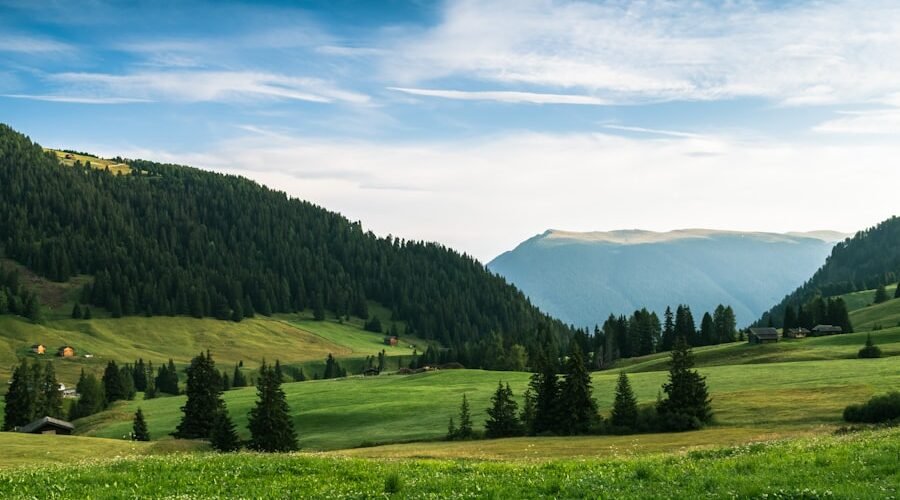
From April to June, the Munzur Valley truly comes alive. The snowmelt feeds the Munzur River, making it powerful and vibrant, and the hillsides burst into a thousand shades of green.

April: A Gentle Start

April is a transitional month. You’ll still see some snow on higher peaks, but the lower elevations start to warm up. Average temperatures range from 5°C (41°F) to 15°C (59°F). Expect occasional rain showers, which are vital for that stunning spring bloom. It’s a quieter time, excellent for those who prefer solitude and don’t mind cooler temperatures. While trekking is possible, some higher trails might still be muddy or inaccessible due to lingering snow.

May: The Sweet Spot

May is arguably one of the best months. Temperatures are delightful, typically between 10°C (50°F) and 20°C (68°F). The valley is at its most verdant, wildflowers are abundant, and the Munzur River is at its fullest, perfect for white-water rafting enthusiasts. The risk of rain decreases significantly as the month progresses. Crowds are still relatively low, offering a peaceful experience.

June: Early Summer Vibes

June bridges spring and summer. The weather becomes consistently warm, with averages from 15°C (59°F) to 25°C (77°F). The peak spring bloom might be over, but the landscape remains lush. This is when more people start to visit, especially towards the latter half of the month, as schools break for holidays. You can enjoy all outdoor activities comfortably.

Summer: Warm Days and Bustling Trails

July and August are peak summer months. It’s hot, sunny, and the most popular time for domestic tourists.

July: Sunny and Warm

July brings the heat, with average temperatures ranging from 20°C (68°F) to 30°C (86°F), sometimes even higher. The river level starts to drop, but it’s still invigorating for a dip. This is a great time for swimming, sunbathing, and exploring the higher altitudes where temperatures are slightly cooler. Expect clear skies and long daylight hours.

August: Peak Season

August is similar to July in terms of temperature and crowds. It’s the busiest month, especially around popular picnic spots and natural springs. If you plan to visit in August, be prepared for more people, potentially higher prices for accommodation, and less availability. It’s still excellent for outdoor activities, but consider starting your hikes early in the morning to beat the midday heat.

Autumn: Golden Hues and Crisp Air

September and October offer a beautiful transition, often considered the second-best time to visit.

September: A Breath of Fresh Air

September heralds the arrival of autumn. Temperatures cool down to a pleasant 15°C (59°F) to 25°C (77°F). The scorching summer heat is gone, and the air feels crisp and revitalizing. The leaves on the trees begin to change, painting the valley in gorgeous shades of gold, orange, and red. Crowds thin out considerably after the summer rush, making it a wonderful time for hiking and photography.

October: True Autumn Beauty

October deepens the autumn colors, with average temperatures between 10°C (50°F) and 20°C (68°F). It’s perfect for long walks and enjoying the serene beauty of the valley. While the chance of rain increases towards the end of the month, the overall experience is incredibly rewarding. Some tourist services might start to wind down by late October, but major accommodations and restaurants will still be open.

Winter: A Snow-Covered Wonderland

November to March transforms Munzur Valley into a pristine, snow-covered landscape. It’s stunning but challenging.

November: The Chill Sets In

November sees a significant drop in temperatures, ranging from 0°C (32°F) to 10°C (50°F). The first snowfalls often occur in the higher elevations. Most tourist activities geared towards warmer weather cease. It’s a quiet time, mostly visited by locals or intrepid travelers looking for a truly unique, solitary experience.

December to March: Deep Winter

During these months, the valley is covered in heavy snow. Temperatures consistently hover around or below freezing, often dipping to -10°C (14°F) or lower. Roads, especially to more remote areas, can be closed due to snow. This period is ideal for winter sports if facilities are available (though limited for now), or for simply enjoying the stark, majestic beauty of a snow-clad landscape from a cozy guesthouse. Be prepared for cold weather, limited access, and potentially fewer open facilities.

Navigating the Crowds: Finding Your Peace

The number of visitors in Munzur Valley fluctuates quite a bit throughout the year, impacting your experience.

Peak Season: Summer Buzz

As mentioned, July and August are the busiest months. This is primarily due to domestic tourists taking their summer holidays.

What to Expect:

  • Bustling picnic areas and natural springs: Expect these popular spots to be quite full, especially on weekends.
  • Higher demand for accommodation: You’ll need to book well in advance, and may find fewer budget-friendly options.
  • More activity on the Munzur River: Rafting and other water sports will be more popular.
  • A livelier atmosphere: If you enjoy being around people and a festive vibe, this could be for you.

How to Deal with it:

  • Book early: Especially for accommodation and any guided tours.
  • Visit during weekdays: Weekends are always busier.
  • Explore off-the-beaten-path: Venture a bit further from the main tourist hubs to find quieter spots.
  • Embrace the early bird approach: Start your day’s activities early to avoid the peak crowds.

Shoulder Seasons: The Sweet Spot for Solitude

Late spring (May-June) and early autumn (September-October) hit the perfect balance between good weather and fewer people.

Why they’re great:

  • Manageable crowds: You’ll share the trails and sights with fewer people, allowing for a more serene experience.
  • Ease of booking: Accommodation is generally easier to find and more flexible.
  • Opportunity for local interaction: With fewer tourists, you might find more opportunities to engage with local communities.

Off-Season: Embracing Tranquility

Winter and very early spring/late autumn are the quietest times.

The Trade-off:

  • Almost no crowds: You’ll likely have many beautiful spots to yourself.
  • Limited facilities: Some guesthouses, restaurants, or tour operators might be closed.
  • Weather challenges: As discussed, extreme cold and snow can limit access and activities.
  • Requires careful planning: You’ll need to be self-sufficient and prepared for colder conditions.

Managing Your Wallet: Costs Through the Year

The cost of your trip to Munzur Valley can vary significantly depending on when you go. Generally, it follows the crowd patterns – more people, higher prices.

Peak Season Costs (July-August)

  • Accommodation: Expect prices to be at their highest. Guesthouses and hotels will likely be booked out further in advance, and last-minute deals are rare.
  • Transport: While public transport (buses) usually maintains relatively stable prices, private transfers or car rentals might see a slight increase due to demand.
  • Activities: Guided tours and specific activities like white-water rafting might be priced at their summer peak.
  • Food: Restaurant prices generally remain consistent year-round, though some tourist-oriented establishments might have subtly higher prices.

Shoulder Season Costs (May-June, September-October)

  • Accommodation: This is your best bet for striking a balance between good weather and reasonable prices. You’ll find more options available and potentially some attractive deals, especially if you book a little in advance.
  • Transport: Stable pricing.
  • Activities: Generally standard pricing, potentially discounted if groups are smaller.
  • Better Value Overall: You get a premium experience (good weather, beautiful scenery) without the premium price tag of peak summer.

Off-Season Costs (November-April)

  • Accommodation: This is when you’ll find the lowest prices, especially if you’re willing to stay in smaller, local guesthouses. Some places might even offer substantial discounts to attract winter travelers. However, fewer options might be open.
  • Transport: Public transport is reliable, but some mountain roads may be inaccessible.
  • Limited Activities: Many warm-weather activities won’t be available, reducing your overall spending on tours.
  • Opportunity for budget travel: If you’re traveling on a tight budget and are prepared for the cold, this can be the most economical time to visit.

Tips for Saving Money, Regardless of Season

  • Pre-book accommodation: Especially if you’re set on a particular place or visiting during a busier time.
  • Eat local: Opt for small, local restaurants (lokantas) rather than tourist-centric ones. The food is often more authentic and significantly cheaper.
  • Utilize public transport: Buses and shared taxis (dolmuş) are much more cost-effective than private transfers.
  • Pack smart: Avoid having to buy essential items due to forgetting them. Consider bringing your own reusable water bottle.
  • Consider a car rental in the shoulder seasons: Allows for flexibility in exploring further afield, and often rates are better outside of peak.

Activities and Experiences: Matching Season to Adventure

Munzur Valley offers a range of activities, and the best time for each varies with the seasons.

White-water Rafting and River Activities

  • Best Time: Late spring (May-June) when the Munzur River is at its fullest and most powerful due to snowmelt.
  • Good Time: Early summer (July) – still enjoyable, but water levels start to drop.
  • Avoid: Late autumn and winter unless you’re an extreme cold-water enthusiast (and facilities are available).

Hiking and Trekking

  • Best Time: Shoulder seasons (May-June and September-October). The weather is comfortable, trails are generally clear, and the scenery is spectacular (wildflowers in spring, autumn colors in fall).
  • Good Time: Early summer (July) for higher altitude treks where it’s cooler.
  • Challenging Time: Peak summer (hot, less water on trails) and winter (snow, ice, limited access).

Photography

  • Best Time: May (wildflowers, lush greens, powerful river), September-October (autumn foliage, clear skies, soft light).
  • Interesting Time: Winter provides a dramatic, monochromatic landscape with snow-covered peaks and frozen waterfalls.

Wildlife Spotting

Month Weather Crowds Costs
April – June Pleasant temperatures, blooming flowers Moderate Moderate
July – August Warm temperatures, occasional rain High High
September – October Cooler temperatures, autumn foliage Moderate Low

  • Best Time: Spring and autumn. Animals are more active when temperatures are moderate, and fewer people are around. Birdwatching is particularly good in spring as migratory birds return.
  • Challenge: Summer can be tough due to heat and crowds. Winter provides different wildlife viewing opportunities (e.g., tracking animals in snow), but animals might be less visible.

Picnics and Leisure by the River

  • Best Time: Late spring (June) and early autumn (September). Pleasant temperatures and beautiful surroundings.
  • Good Time: Summer, but be prepared for crowds, especially on weekends, and higher temperatures.

Cultural Exploration

  • Any Time: Visiting villages, speaking with locals, and exploring historical sites can be done year-round. However, summer might offer more local events and festivals. The quieter off-seasons can provide a more intimate interaction with local life.

Practical Considerations Beyond Climate and Crowds

A few other things to keep in mind when planning your visit.

Local Events and Festivals

  • Munzur Culture and Nature Festival: Typically held in late July or early August. This is a major event in Tunceli, attracting many visitors and showcasing local music, dance, and culture. If you aim for this, expect peak season crowds and prices.
  • Local Harvest Festivals: Depending on the agricultural cycle, smaller, more localized festivities might occur in autumn. These are less predictable but offer authentic cultural experiences.

Accommodation Availability

  • Book ahead for peak season and festivals. Tunceli town itself has several hotels, and you’ll find guesthouses (pansiyon) in and around the valley, especially in villages like Ovacık.
  • Consider camping: If you have the gear, camping is permitted in many areas and can be a great way to immerse yourself in nature, especially in the warmer months. Always follow Leave No Trace principles.

Road Conditions and Transport

  • Summer and Shoulder Seasons: Roads are generally well-maintained and open, making travel within the valley straightforward with a car or local shared taxis (dolmuş).
  • Winter: Heavy snowfall can close roads, especially to higher altitudes or more remote areas. Always check local road conditions before venturing out. A 4×4 vehicle might be necessary for winter driving if you plan to venture off main routes.

Connectivity

  • Mobile Phone Coverage: Generally good in Tunceli town and along major routes in the valley, but can be spotty in more remote, mountainous areas.
  • Internet Access: Available in most accommodations in Tunceli town, less reliable in rural guesthouses.

By considering these factors alongside your personal preferences for weather, solitude, and budget, you can pinpoint the absolute best time for your unforgettable trip to the breathtaking Munzur Valley.

FAQs

1. What is the best time to visit Munzur Valley, Tunceli for favorable weather?

The best time to visit Munzur Valley, Tunceli is during the spring and autumn months, specifically from April to June and September to October. During these times, the weather is mild and pleasant, making it ideal for outdoor activities such as hiking and sightseeing.

2. When is the peak tourist season in Munzur Valley, Tunceli?

The peak tourist season in Munzur Valley, Tunceli is during the summer months, from July to August. During this time, the valley experiences an influx of tourists, resulting in crowded attractions and higher accommodation costs.

3. What is the off-peak season in Munzur Valley, Tunceli?

The off-peak season in Munzur Valley, Tunceli is during the winter months, from November to February. During this time, the weather is cold and the valley experiences fewer tourists, making it a quieter and more budget-friendly time to visit.

4. How does the cost of visiting Munzur Valley, Tunceli vary throughout the year?

The cost of visiting Munzur Valley, Tunceli is highest during the peak tourist season in the summer, with higher accommodation and activity costs. The costs are lower during the off-peak winter season, making it a more budget-friendly time to visit.

5. What are the weather conditions like in Munzur Valley, Tunceli during the different seasons?

During the spring and autumn months, the weather in Munzur Valley, Tunceli is mild and pleasant, with temperatures ranging from 15°C to 25°C. In the summer, temperatures can reach up to 30°C, while in the winter, temperatures can drop below freezing, with occasional snowfall.

N
Travel Writer
Nolan Ridgeway is a destination planning writer at Lele Tours. He specializes in helping readers discover the best time to visit cities, states, countries, beaches, national parks, and seasonal attractions. His guides explain how weather, crowds, prices, local events, and seasonal activities can affect a trip. Nolan helps travelers compare different months and choose a suitable time based on their destination, budget, and preferred experiences. He writes about topics such as the best time to visit, the cheapest months to travel, peak and off-season travel, seasonal weather, festivals, and places worth visiting during each part of the year. Nolan’s goal is to help readers choose where to travel and when to go so they can plan more comfortable, enjoyable, and well-prepared trips.

Leave a Comment

Your email address will not be published. Required fields are marked *