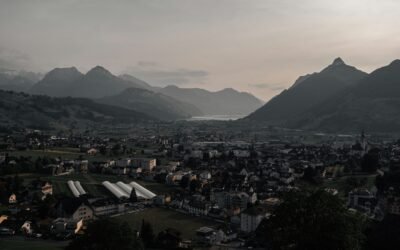
Thinking about a trip to Erbaa, Tokat? The sweet spot for visiting this lovely district in Turkey is generally late spring to early autumn—we’re talking May to October. This period offers the best balance of pleasant weather, manageable crowds, and reasonable costs. While you can visit outside these months, you’ll likely face colder temperatures, more rain, or fewer open attractions.
This extended window isn’t just about avoiding the harsh winter or sweltering summer. It’s about experiencing Erbaa at its best, when the natural beauty is in full bloom and local life is vibrant.
Glorious Weather
- Comfortable Temperatures: During these months, Erbaa experiences comfortable temperatures, typically ranging from the mid-teens to high twenties Celsius (around 60-80°F). You’ll find it warm enough for outdoor activities but rarely uncomfortably hot.
- Reduced Rainfall: While you might get an occasional shower, especially in spring and early autumn, these months generally see less consistent rainfall compared to the winter or even early spring. This means more sunny days for exploring.
- Ideal for Outdoors: The mild weather is perfect for hiking in the surrounding hills, exploring local farms, or simply enjoying a leisurely stroll through the town square.
Manageable Crowds
- Avoid Peak Tourist Season Elsewhere: Erbaa isn’t typically on the same tourist radar as coastal resorts or major cities. While summer can see an increase in visitors, particularly Turkish diaspora returning home, it rarely feels overwhelmingly crowded.
- Local Festivals: Summer and early autumn often bring local festivals and events, offering a chance to experience authentic Erbaa culture without battling hordes of tourists.
- Relaxed Atmosphere: Even with more visitors, Erbaa maintains a relaxed, small-town atmosphere. You won’t feel rushed or find yourself constantly waiting in long lines.
Reasonable Costs
- Accommodation: While prices can tick up slightly in July and August due to domestic tourism, they generally remain quite affordable compared to more popular destinations in Turkey.
- Food and Activities: Local restaurants and shops generally maintain consistent pricing throughout the year, meaning you won’t encounter significant price hikes during peak season.
- Travel: Flights and bus tickets to Tokat (the nearest major transport hub) tend to be more stable, though booking slightly in advance for summer travel is always a good idea.
Understanding Erbaa’s Climate Season by Season
To help you narrow down your ideal visit, let’s break down the weather patterns throughout the year.
Spring (March – May)
- March: Still a bit chilly and wet. Average temperatures range from 5-15°C (40-60°F). You’ll see the first signs of spring, but expect some unpredictable weather. It’s quieter, if you don’t mind layering.
- April: Warms up noticeably. Temperatures typically hover around 10-20°C (50-70°F). Rainfall decreases, and the landscape starts turning a vibrant green. A lovely time for nature lovers.
- May: This is where the magic really begins. Comfortable temperatures (15-25°C / 60-77°F), plenty of sunshine, and lush greenery. Ideal for outdoor activities and experiencing the blossoming natural beauty. Gardens are in full bloom, and the air is fresh.
Summer (June – August)
- June: A fantastic month. Warm but not excessively hot, with temperatures usually between 20-30°C (68-86°F). Long daylight hours mean more time for exploration.
- July: The hottest month, with averages often reaching 25-30°C (77-86°F), sometimes higher. Can be a bit dry. If you enjoy the heat, it’s great for lazy days by the river or enjoying cooler evenings.
- August: Similar to July, but often with a slight hint of autumn in the air towards the end of the month. Still very warm and sunny, perfect for enjoying the outdoors through the longer days. This is often the time when many Turkish families visit, so you might find accommodation a bit less available if not booked ahead.
Autumn (September – November)
- September: Often cited as one of the best months. Temperatures mellow to a perfect 18-28°C (65-82°F). The heat of summer subsides, but the days remain warm and sunny. The landscape starts to take on beautiful autumn hues.
- October: A wonderful time for scenery. Temperatures cool down to 10-20°C (50-68°F). The autumn foliage is at its peak, offering stunning photo opportunities. You’ll need a light jacket for evenings.
- November: Significantly cooler, with temperatures dropping to 5-15°C (40-60°F). Rainfall increases, and the days shorten. While still possible to visit, many outdoor activities become less appealing.
Winter (December – February)
- December: Cold and often wet, with temperatures typically between 0-10°C (32-50°F). Snow is possible, especially in higher elevations around Erbaa.
- January: The coldest month, often dipping below freezing. Expect frosty mornings and potentially significant snowfall. Not ideal for sightseeing unless you specifically want a winter wonderland experience. Many businesses might have reduced hours.
- February: Still very cold, but you might start to see the first very subtle hints of spring emerging towards the end of the month. Temperatures remain low, around 0-10°C (32-50°F).
Crowds and Local Events
Erbaa doesn’t experience the kind of tourist crush that plagues some of Turkey’s more famous sites. However, understanding the annual rhythm can help you decide when to visit.
Non-Peak Periods
- Spring (early): March and April are quiet. You’ll have more local interactions and a slower pace.
- Autumn (late): November is very quiet. If you don’t mind the chill, you’ll have the area mostly to yourself.
- Winter: December to February is definitely the calmest, with very few visitors.
Slightly Busier Times
- Summer (July-August): This is when Turkish families often visit relatives or take internal holidays. You might find more people in the central areas or local parks, but it’s still far from overwhelming. Accommodation can be slightly more in-demand, so booking ahead is a good idea.
- Public and Religious Holidays: During national public holidays (like Republic Day in October) or religious festivals (Eid al-Fitr, Eid al-Adha), Erbaa will see an influx of visitors, mostly from nearby cities or returning family members. This can be a vibrant time, but expect some businesses to be closed or have reduced hours, and transport to be busier.
Local Festivals and Events
- Cherry Festival (Kiraz Festivali): Erbaa is renowned for its cherries. While the exact dates vary, a Cherry Festival often takes place in late May or early June, celebrating the harvest. This is a fantastic time to experience local culture, enjoy fresh produce, and witness traditional performances.
- Hazelnut Harvest: While less of a formal festival, the hazelnut harvest in late August to September is a significant agricultural event. You might see locals engaged in harvesting, offering a glimpse into the district’s primary industry.
- Village Festivals and Picnics: Throughout the summer, many surrounding villages will hold their own smaller festivals, picnics (yaylas), or community gatherings. These are less predictable but offer incredibly authentic experiences if you happen upon one. Asking locals about upcoming events is your best bet.
Budget Considerations and Costs
Erbaa is generally an affordable destination compared to Turkey’s major tourist hotspots. Your primary costs will be accommodation, food, and transport.
Accommodation
- Hotels: Expect to pay anywhere from 300 TL to 800 TL (roughly $10-$30 USD) per night for a decent, clean hotel room. Prices don’t fluctuate wildly by season, but summer might see a 10-15% increase.
- Guest Houses/Apartments: You might find local guesthouses or rental apartments, especially for longer stays, which can be budget-friendly.
- Booking in Advance: For summer months, especially July and August, booking a few weeks ahead is advisable to ensure you get your preferred spot and potentially a better rate.
Food and Dining
- Local Restaurants (Lokantas): Incredibly affordable. A delicious, filling meal at a local eatery will typically cost between 50 TL and 150 TL (roughly $2-$6 USD). Try the local specialties like “Erbaa Yaprak Sarma” (stuffed vine leaves) or “Tokat Kebabı” (though this is more common in Tokat city itself, variations are available).
- Street Food/Markets: Even cheaper. Fresh bread, pastries, fruits, and snacks from the market are excellent for a budget-friendly lunch or picnic.
- Supermarkets: If you opt for self-catering, supermarkets offer very reasonable prices for groceries.
Transportation
- Intercity Buses: The most common way to get to Erbaa (via Tokat). Tickets are budget-friendly. For example, a bus from Istanbul to Tokat might cost around 600-900 TL (roughly $20-$30 USD).
- Local Dolmuş (Minibuses): Within Erbaa and to nearby villages, these are very inexpensive, usually costing just a few lira per ride.
- Taxis: Available but naturally more expensive. Use them for convenience or if you’re traveling late at night.
- Car Rental: If you plan on extensive exploration of the surrounding areas, renting a car from Tokat or Samsun airport can be a good option. Prices vary but budget around 500-1000 TL ($20-$40 USD) per day, plus fuel.
Activities and Attractions
- Free: Most of Erbaa’s attractions are natural – parks, riverbanks, hiking trails, and simply enjoying the town’s atmosphere. These are all free. Visiting local mosques or historical sites also typically incurs no entrance fee.
- Paid: Any organized tours or specific activities like hot air balloon rides (if available nearby, not common in Erbaa itself) would be your main paid activities. Entrance fees to museums (if any in Erbaa, though Tokat city has more) are usually minimal.
Key Considerations for Your Trip
| Month | Weather | Crowds | Costs |
|---|---|---|---|
| April – June | Pleasant temperatures, low chance of rain | Moderate | Moderate |
| July – August | Hot temperatures, low chance of rain | High | High |
| September – October | Mild temperatures, low chance of rain | Moderate | Low |
A few final practical tips to help you make the most of your Erbaa adventure.
Packing Essentials
- Layers are Key: Even in summer, evenings can be cooler. Always pack layers, especially if you’re visiting in spring or autumn.
- Comfortable Shoes: You’ll likely do a fair bit of walking, whether exploring the town or venturing into nature.
- Sun Protection: Hat, sunglasses, and sunscreen are a must for spring, summer, and early autumn.
- Rain Gear: A light waterproof jacket or umbrella is wise, especially outside of peak summer.
- Insect Repellent: Useful if you plan to spend evenings outdoors, especially near water sources.
Local Customs and Language
- Basic Turkish Phrases: Learning a few basic Turkish phrases (hello, goodbye, please, thank you, how much) will go a long way and be greatly appreciated.
- Hospitality: Turkish people are incredibly hospitable. Don’t be surprised if you’re offered tea or assistance.
- Dress Code: While Erbaa is not overly conservative, modest dress (shoulders and knees covered) is respectful, especially when visiting religious sites.
Getting There and Around
- Nearest Airport: The closest airport is Tokat Airport (TJK). From there, you can take a shuttle or taxi to Tokat city center, and then a dolmuş or bus to Erbaa. Samsun Çarşamba Airport (SZF) is a larger airport about 2 hours away, with more flight options.
- Bus Connections: Erbaa is well-connected by intercity bus to major cities in Turkey. The bus station is centrally located.
- Walking and Dolmuş: Within Erbaa, most of the town is walkable. For longer distances or trips to nearby villages, the ubiquitous dolmuş (shared minibuses) are efficient and inexpensive.
Enjoying the Local Experience
- Visit the Markets: The weekly market days are a vibrant spectacle. You’ll find fresh produce, local goods, and a lively atmosphere.
- Dine Locally: Seek out the small family-run restaurants for authentic, home-style Turkish cooking.
- Engage with Locals: Erbaa residents are friendly and proud of their town. Don’t be shy about striking up conversations, even with limited shared language.
- Sip Turkish Tea: Experience the ritual of Turkish tea (çay) at a local tea house.
- Explore Nature: Take advantage of the surrounding natural beauty – the Yeşilırmak River, the fertile plains, and the nearby hills offer plenty of opportunities for walks and relaxation.
Ultimately, Erbaa offers a delightful blend of authentic Turkish life and natural beauty. By choosing the right time to visit, you can ensure your trip is as comfortable, enjoyable, and enriching as possible. Happy travels!
FAQs
1. What is the best time to visit Erbaa, Tokat in terms of weather?
The best time to visit Erbaa, Tokat is during the spring and autumn months, specifically from April to June and September to October. During these times, the weather is mild and pleasant, making it ideal for outdoor activities and sightseeing.
2. When is the peak tourist season in Erbaa, Tokat?
The peak tourist season in Erbaa, Tokat is during the summer months, from July to August. During this time, the town experiences an influx of tourists, resulting in crowded attractions and higher accommodation costs.
3. What is the off-peak season in Erbaa, Tokat?
The off-peak season in Erbaa, Tokat is during the winter months, from December to February. During this time, the town experiences fewer tourists, making it a quieter and more affordable time to visit.
4. How does the cost of visiting Erbaa, Tokat vary throughout the year?
The cost of visiting Erbaa, Tokat is highest during the peak tourist season in the summer, with higher accommodation and activity costs. The costs are lower during the off-peak winter season, making it a more budget-friendly time to visit.
5. What are the main factors to consider when planning a visit to Erbaa, Tokat?
When planning a visit to Erbaa, Tokat, it is important to consider the weather, crowds, and costs. Choosing to visit during the spring or autumn months can provide a balance of favorable weather, fewer crowds, and more affordable costs.