So, you’re thinking about a trip to Woodstock, Vermont? The best month depends on what you want most: brilliant fall foliage, dependable winter recreation, warm hiking weather, lighter crowds, or lower-demand travel dates. Woodstock changes dramatically with the seasons, so choosing the right window can make a big difference to your weather, activities, reservations, and overall trip experience.
Quick Answer
For the best balance of comfortable weather, green scenery, and manageable crowds, consider late May through June. Choose early to mid-October for classic fall foliage, January or February for the most dependable winter-sports window, and April or May if lighter visitor demand matters more than perfect outdoor conditions.
Key Takeaways
- Best for fall foliage: Early to mid-October is a common Woodstock peak-color window, but weather and elevation shift the timing every year.
- Best overall balance: Late May through June brings mild-to-warm weather, long days, green scenery, and generally less foliage-season pressure.
- Best for skiing: January and February sit in the core winter season, but snow and terrain are never guaranteed.
- Best for lighter crowds: April, much of May, and non-holiday winter weekdays are generally quieter.
- Best planning strategy: Check foliage, trail, ski-area, attraction, and road conditions shortly before your trip instead of relying on a fixed calendar date.
1. Fall Foliage: Woodstock at Its Most Famous
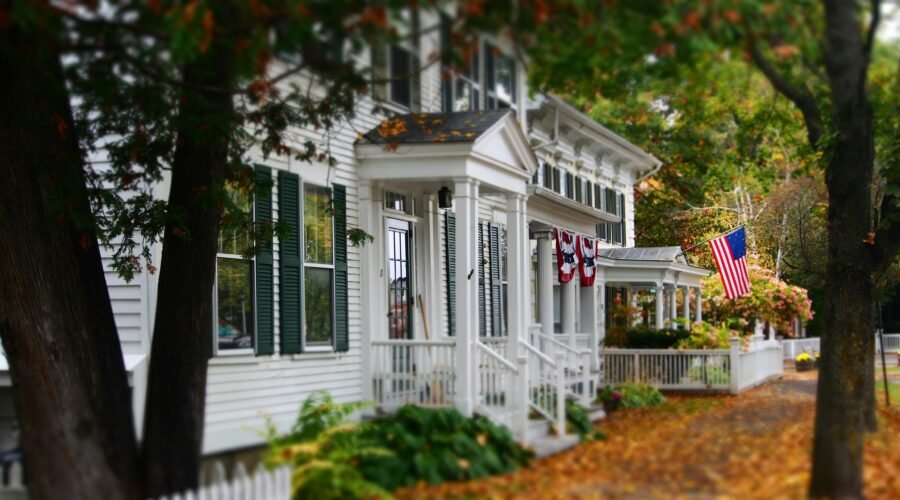
Autumn in Woodstock is legendary for a reason. Historic buildings, covered bridges, rolling hills, and forests of maple, birch, and other deciduous trees create the classic New England scenery many travelers come specifically to see.
When Does Fall Foliage Peak in Woodstock?
Early to mid-October is a useful planning window for strong fall color around Woodstock, but there is no guaranteed peak date. Vermont Tourism notes that elevation, weather, tree species, and the progression of the season all influence when colors reach their best. Check the Vermont Tourism foliage forecaster shortly before your trip.
- Late September: The first substantial color begins appearing, especially at higher elevations. This can be a good compromise if you want autumn scenery without aiming for the busiest peak-color dates.
- Early October: Color usually builds quickly around hillsides and the village. Crowds also begin increasing.
- Mid-October: This is often an excellent bet for bold Woodstock foliage, although a particular year can run earlier or later.
- Late October: Many maples may be past peak, but lingering color, open forest views, fallen leaves, and quieter conditions can still make the area attractive.
Note: Do not plan a foliage trip around a single predicted “peak day.” Wind, rain, temperature, elevation, and local tree conditions can move the best color noticeably from one year to the next.
Fall Weather in Woodstock
Fall changes quickly. September can still feel pleasantly warm, while October brings much cooler mornings and nights. NOAA’s current 1991–2020 climate normals for Woodstock show an average September high/low of about 73°F/47°F (23°C/8°C) and an October average high/low of about 59°F/36°F (15°C/2°C).
- September: Comfortable afternoons are common, but mornings can already be cool.
- October: Layers become important. A fleece, sweater, or light insulated jacket is useful, especially early and late in the day.
- Rain and cold fronts: Wet or sharply colder days are possible, so bring a waterproof outer layer and shoes that can handle damp sidewalks and trails.
- Late-season frost: Freezing temperatures become increasingly possible as autumn progresses.
Fall Crowds: Plan for Woodstock’s Busiest Period
Fall foliage is one of Woodstock’s busiest visitor seasons. The official Woodstock tourism site warns that rooms can fill quickly during foliage season, so October is not the time to rely on last-minute lodging if your dates are fixed.
- Weekends: Expect the most pressure on lodging, parking, restaurants, village sidewalks, and popular viewpoints.
- Weekdays: A Monday-through-Thursday stay usually gives you a better chance at a calmer village experience.
- Reservations: Book lodging early for prime October dates and reserve important meals or ticketed activities when advance booking is offered.
Pro Tip: If you want strong autumn atmosphere but dislike peak-weekend congestion, compare late-September and weekday October stays rather than focusing only on the most popular mid-October weekend.
Fall Costs: High Demand Can Raise Lodging Rates
October’s strong demand can make lodging expensive and reduce availability. Exact rates vary by property, event, day of week, and how early you book, so there is no universal “fall price.” Compare live rates for your specific dates before deciding whether shifting by a few days saves money.
- Accommodation: Prime foliage weekends are among the dates most likely to command high rates or sell out.
- Outdoor sightseeing: Village walks, scenic drives, and many hiking routes can cost little or nothing.
- Attractions and events: Museums, tours, farm experiences, and special events may charge separate admission.
2. Winter Wonderland: Cozy Charm and Ski Season
Woodstock transforms in winter, with snow-covered scenery, fireside lodging, skiing, snowshoeing, and a quieter village atmosphere outside holiday periods. It can be an excellent season if cold weather is part of the experience you want rather than something you hope to avoid.
Skiing and Winter Recreation Near Woodstock
Woodstock has several winter-sports options in and around the area. The closest choices are not all the same type of mountain, so match the destination to your expectations.
- Saskadena Six: This historic Woodstock-area ski mountain has 28 trails, two lifts, and snowmaking on part of its terrain. See current mountain information on the official Saskadena Six website.
- Killington Resort: A much larger destination offering extensive lift-served terrain. Its operating dates and open terrain remain weather dependent, so always check the current mountain report before driving over.
- Pico Mountain: Another established winter resort in the Killington area, with skiing and snowboarding during its winter operating season.
- Ascutney Outdoors: Mount Ascutney no longer operates as the large resort it once was. Today’s community operation offers a T-bar serving eight trails, with operations dependent heavily on volunteers and natural snow conditions.
- Nordic activities: The Woodstock area also offers cross-country skiing and snowshoeing. Some groomed routes require a winter trail pass.
When Is the Best Winter Month?
January and February are generally the safest choices if winter sports are the main reason for your trip because they fall in the heart of the cold season. That does not mean snow depth, open terrain, or trail quality is guaranteed.
- December: Holiday decorations create a festive atmosphere, but early-season ski terrain may still depend heavily on snowmaking and weather.
- January and February: These are core winter months and typically provide the most dependable cold-weather setting.
- March: Skiing can continue, especially at larger resorts, while longer days and occasional milder weather make the experience feel different from midwinter.
Winter Weather: Cold, but Not Always “Below Zero”
Woodstock is genuinely cold in winter, but typical temperatures are more useful than extreme-weather language. NOAA 1991–2020 normals put January at roughly 30°F for the average high and 7°F for the average low (-1°C/-14°C). February averages about 33°F and 9°F (1°C/-13°C). December is somewhat milder, averaging about 35°F/16°F (2°C/-9°C).
Subzero cold snaps can happen, especially overnight, but they are not the normal low every night. Pack an insulated coat, warm layers, gloves, hat, waterproof winter footwear, and clothing appropriate for wind and snow.
Warning: Snow, freezing rain, and rapidly changing temperatures can affect driving. Before a winter road trip, check forecasts and current Vermont road conditions through New England 511.
Winter Crowds and Costs
Winter demand varies much more by date than fall demand. Christmas and New Year’s periods, holiday weekends, school breaks, and strong ski weekends can be busy and expensive. Ordinary midweek dates outside those periods can feel far quieter.
- Holiday periods: Reserve well ahead if you are visiting around major winter holidays.
- Non-holiday weekdays: These can provide a calmer village and may offer better lodging value.
- Skiing costs: Lift tickets, rentals, lessons, and equipment can make a ski-focused trip considerably more expensive than a village-only winter getaway.
- Free or low-cost time: Walking through town and enjoying winter scenery can keep part of your itinerary inexpensive, though some groomed Nordic trails require passes.
3. Spring Awakening: Blooming Beauty and Fewer Crowds

Spring in Woodstock is a season of transition rather than instant greenery. Snow retreats, maple season gives way to budding trees, gardens begin waking up, and visitor numbers are often lower than in summer or foliage season.
April: Mud Season Requires Flexibility
April is commonly associated with Vermont’s mud season. Melting snow and spring rain can leave unpaved roads and trails soft, muddy, or vulnerable to damage.
Vermont Tourism advises hikers to favor lower-elevation routes and paved or hardened paths when trails are wet. If a trail is so muddy that you would need to walk around it on vegetation, turn back rather than widening the trail. See the state’s mud-season hiking guidance before planning a spring hike.
- Best for: Quiet village stays, indoor attractions that are open, maple-season atmosphere, and travelers who value fewer people.
- Tradeoff: The countryside may still look brown or patchy instead of lush green.
- Outdoor planning: Trail conditions matter more than the calendar. Avoid damaging saturated trails.
May: Greener, Milder and Still Relatively Quiet
May is one of the most appealing shoulder-season options. Official Woodstock tourism describes it as a transitional, relatively tranquil period before summer becomes busy. Flowers and new leaves appear progressively, although early May may not yet deliver the fully green landscape many visitors imagine.
By late May, conditions generally feel much more springlike. It is also when more seasonal attractions and visitor services begin operating.
Spring Weather
Spring temperatures change rapidly. NOAA normals show April averaging about 55°F/31°F (13°C/-1°C) and May about 68°F/43°F (20°C/6°C). That makes layered clothing much more useful than packing for one fixed temperature range.
- April: Expect chilly mornings, mild afternoons, rain, mud, and occasional late cold spells.
- May: Days become substantially warmer, but evenings remain cool.
- Late May: Often provides one of the better combinations of comfortable temperatures, increasing greenery, and moderate visitor pressure.
Spring Crowds and Costs
Spring is generally quieter, especially before Memorial Day weekend. That can make it easier to find rooms and enjoy the village at a relaxed pace. However, do not assume every property offers its absolute lowest annual rate: prices still vary by weekend, event, room type, and demand.
- April: One of the quietest periods, but also the greatest weather and mud-season compromise.
- May: Visitor activity gradually increases as the weather improves.
- Budget strategy: Compare Sunday-through-Thursday stays and flexible dates rather than relying on a single supposedly “cheapest” month.
Check Seasonal Attraction Hours
Not every attraction operates the same way year-round. For example, the grounds and trails at Marsh-Billings-Rockefeller National Historical Park have broad seasonal access, while visitor-center services, ranger programs, and mansion-related experiences operate on a more limited seasonal schedule. Verify current hours before building a trip around a specific tour.
4. Summer Vibrancy: Warm Weather and Outdoor Adventures

Summer brings long days, green hills, active farms, outdoor dining, hiking, biking, scenic drives, and a lively village atmosphere. It is one of the easiest seasons for travelers who want to spend most of the day outside without dealing with winter cold or spring mud.
June: A Strong All-Around Choice
June is especially attractive because the landscape is green, daylight is long, and typical temperatures remain comfortable. NOAA normals put the average June high near 77°F (25°C) and the average low near 53°F (12°C).
For many travelers, June offers one of Woodstock’s best combinations of outdoor access, pleasant weather, and less pressure than peak fall foliage weekends.
July and August: Warmest Summer Conditions
July and August are Woodstock’s warmest months. Typical average highs are around 82°F in July and 80°F in August (28°C/27°C), while average lows are around 57°F and 55°F (14°C/13°C). Hotter spells are possible, and humidity can make warm days feel heavier.
- Outdoor activities: Hiking, biking, farm visits, covered bridges, gardens, outdoor events, and scenic drives are all natural summer choices.
- Evenings: They are often comfortable, but typical overnight lows are more often in the 50s than the 60s.
- Storms: Summer showers and thunderstorms can develop, so check the day’s forecast before a long hike or bike ride.
Crowds in Summer: Lively but Different From Foliage Season
Summer is popular with families and outdoor travelers, particularly on weekends and around holidays. It can feel busy, but the pressure is usually more spread across the season than during the compressed peak-foliage window.
| Month | Typical Weather | Crowd Pattern | Cost Pattern |
| June | Mild to warm; average high about 77°F | Moderate; weekends busier | Variable; compare dates |
| July | Warm; average high about 82°F | High around weekends and holidays | Often stronger summer demand |
| August | Warm and sometimes humid; average high about 80°F | Moderate to high | Variable by weekend and property |
| September | Mild days and cool nights; color begins building | Moderate, then rising toward foliage season | Can rise as foliage demand builds |
Weekdays are usually easier than summer weekends for parking, restaurant seating, and popular attractions. If your schedule is flexible, arriving Sunday afternoon and staying through midweek can help you experience the town at a slower pace.
Summer Costs: Check the Actual Dates
Summer lodging can be expensive during holidays, special events, and popular weekends, but it is misleading to claim that summer is always the second-most-expensive season. Rates are dynamic. Compare the exact dates and room types you would realistically book.
Many of Woodstock’s simplest summer pleasures—village walks, scenic drives, and some trail access—can be inexpensive, while museum admissions, guided activities, farm experiences, rentals, and paid attractions add to the budget.
5. Planning Your Visit: Best Time by Travel Style
There is no single perfect month for every Woodstock visitor. A better approach is to decide what you would be most disappointed to miss, then choose the season around that priority.
For Fall Foliage: Early to Mid-October
If bold autumn color is the main reason you are traveling, early to mid-October is the most useful planning target. Book ahead, favor weekdays when possible, and check the current foliage report shortly before departure because peak timing moves each year.
For Budget-Conscious Travelers: April, May or Low-Demand Weekdays
April and much of May generally bring lighter visitor demand, but they also involve tradeoffs: mud, cooler weather, bare trees early in the season, and reduced operating schedules at some attractions. Non-holiday winter weekdays can also provide good value if you enjoy cold weather.
Rather than assuming one month is always cheapest, compare live lodging rates across several flexible dates. A Tuesday in February or May may be much cheaper than a holiday weekend in the same month.
For Skiing: January or February
January and February are the core winter-sports months and a sensible target for a ski-focused trip. They offer a better chance of sustained cold and developed ski terrain than early December, but snow quality and open terrain still depend on weather and mountain operations.
Check Saskadena Six, Killington, Pico, or Ascutney Outdoors directly before traveling. Their terrain, hours, ticket availability, and operating schedules can change.
For Mild Weather and Green Scenery: Late May or June
Late May through June is one of Woodstock’s strongest all-around periods. The countryside is increasingly green, average daytime temperatures are comfortable, days are long, and summer outdoor activities begin opening without the intense foliage-season demand of October.
For Fewer Crowds: April, May and Non-Holiday Weekdays
If avoiding crowds matters more than achieving perfect foliage or ski conditions, look outside major holidays and peak weekends. April is particularly quiet but comes with mud-season compromises. May is a more balanced option, while midweek winter stays can feel peaceful outside school breaks.
For Photographers: October or Late Spring
October provides Woodstock’s signature red, orange, and gold landscapes, while late spring offers fresh green hills, gardens, rivers, and fewer foliage-season visitors. For fall photography, build flexibility into your dates because the best color does not arrive on an exact annual schedule.
Before You Book
- Check foliage: Use Vermont Tourism’s foliage forecast during fall.
- Check trail conditions: Especially important during spring mud season.
- Check attraction hours: Seasonal museums, tours, and visitor services may not operate every day or every month.
- Check mountain reports: Never assume all winter terrain is open because the calendar says January or February.
- Check the roads: Use official road-condition information before driving during snow or freezing weather.
- Compare real lodging rates: Weekends, holidays, events, and foliage timing can matter more than the month itself.
By matching the season to your priorities instead of chasing one supposedly perfect date, you can get much more out of Woodstock. Choose October for foliage, midwinter for snow sports, late spring or June for a strong weather-and-crowd balance, and quieter off-peak dates when serenity or value matters most.
Frequently Asked Questions
What is the best time to visit Woodstock, Vermont for good weather?
Late May through June is an excellent balance for many visitors. Days become mild to warm, the landscape turns green, daylight is long, and outdoor activities are easier to plan than during mud season or winter.
When is the best time to visit Woodstock to avoid crowds?
April, much of May, and non-holiday winter weekdays are generally quieter choices. October should not be considered a low-crowd season because fall foliage attracts large numbers of visitors.
When does fall foliage usually peak in Woodstock, Vermont?
Early to mid-October is a common peak-color window around Woodstock, but exact timing changes every year with weather, elevation, and tree conditions. Check Vermont’s current foliage reports shortly before your trip.
What is the peak tourist season in Woodstock?
Fall foliage season, particularly prime October dates, is one of Woodstock’s busiest periods. Summer weekends and winter holidays can also be busy, but foliage demand is especially concentrated.
When is the cheapest time to visit Woodstock, Vermont?
There is no guaranteed cheapest month because lodging rates change with weekends, holidays, events, and availability. April, May, and some non-holiday winter weekdays often have lighter demand, making them good dates to compare for lower rates.
What are typical temperatures in Woodstock throughout the year?
Using NOAA 1991–2020 normals, January averages roughly 30°F for the daytime high and 7°F for the low. July averages about 82°F for the high and 57°F for the low. Spring and fall sit between those extremes and can change quickly from week to week.
Is January or February better for skiing near Woodstock?
Both fall within the core ski season. February offers slightly longer daylight, while January is often colder. Neither month guarantees perfect snow, so check current conditions and terrain reports at Saskadena Six, Killington, Pico, or Ascutney Outdoors before traveling.
Is April a good time to hike in Woodstock?
It can be, but April is mud season. Favor paved paths, hardened surfaces, and suitable lower-elevation routes. If a trail is deeply muddy, turn around rather than walking on vegetation beside it and widening the trail.
Sources
- NOAA National Centers for Environmental Information — U.S. Climate Normals — supports Woodstock temperature and climate-normal context.
- Vermont Tourism — Foliage Forecaster — supports foliage timing, variability, and seasonal progression.
- Vermont Tourism — Mud Season-Safe Hiking — supports spring trail-protection and mud-season guidance.
- National Park Service — Marsh-Billings-Rockefeller National Historical Park — supports seasonal visitor services, trail access, and trip-planning information.
- Saskadena Six — Mountain Information — supports current Woodstock-area alpine skiing information.
- New England 511 — provides current Vermont driving conditions, incidents, closures, and winter road information.