

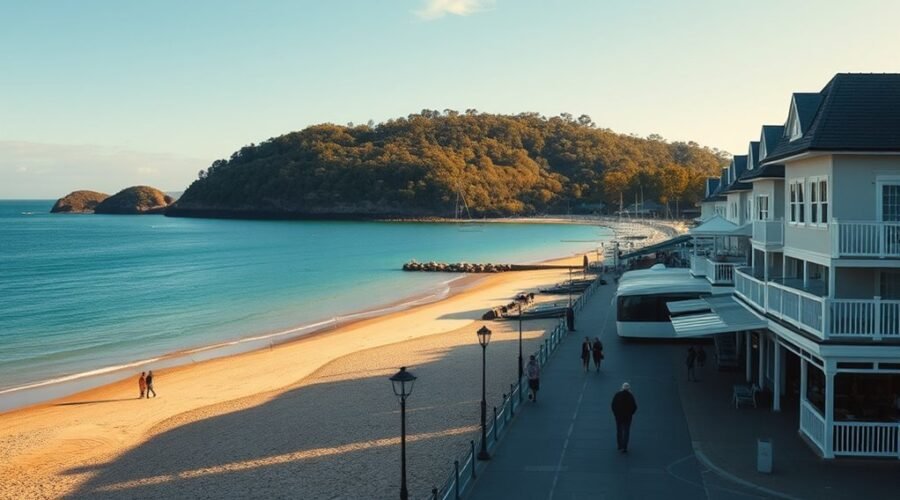
The best time to visit Batemans Bay depends on whether you want warm swimming conditions, quiet coastal walks, or a holiday with fewer crowds. This NSW South Coast town offers beaches, Clyde River cruises, fresh oysters, and nearby national parks throughout the year. However, the weather, school holidays, and local events can make one month feel very different from another.
Compare our seasonal guides to New South Wales, Australia and Byron Bay, New South Wales when choosing other stops in New South Wales.
Quick Answer
The best time to visit Batemans Bay is April to May or September to November. These months offer comfortable sightseeing weather and generally fewer visitors outside school holidays and major events. Choose January or February for warmer swimming conditions, September to November for whale watching, and June to August for quieter coastal escapes.
Last checked: October 28, 2026. Dates and figures were verified against official sources.
Key Takeaways
- Summer (December–February) is best for beach holidays and water activities, but accommodation demand and parking pressure rise during school holidays.
- Autumn (March–May) offers comfortable temperatures, quieter beaches, good fishing opportunities, and the nearby Narooma Oyster Festival.
- Winter (June–August) suits peaceful coastal walks, wildlife viewing, and exploring town without the summer rush. Pack warm clothing for cold mornings.
- Spring (September–November) is excellent for whale watching, bushwalking, wildflowers, and outdoor festivals.
- School holidays, Easter, long weekends, and major festivals can attract crowds even during quieter seasons.
Best Time to Visit Batemans Bay: Short Answer
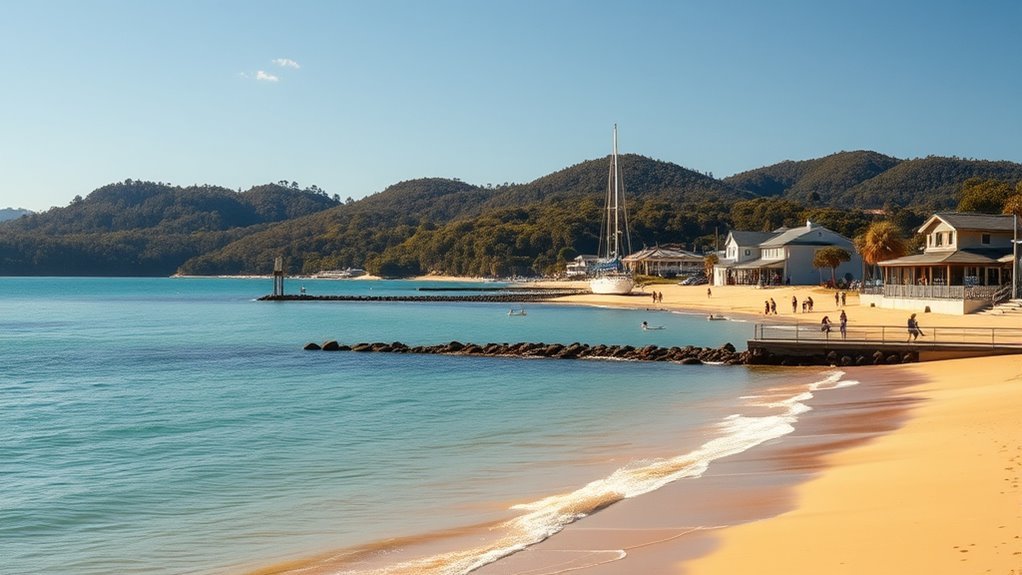
April, May, September, and October offer an especially good balance of comfortable weather and fewer visitors. November is another attractive choice, although major events can make selected weekends busy.
According to the Bureau of Meteorology, Batemans Bay has average daytime highs of 22.2°C in April, 19.6°C in May, 20.2°C in September, and 21.8°C in October.
These temperatures are comfortable for coastal walks, kayaking, sightseeing, and exploring local markets. You can enjoy outdoor activities without the hottest summer conditions.
Choose late April or May if you prefer quieter accommodation and autumn scenery. September and October are better if whale watching, wildflowers, and longer spring days appeal to you.
If swimming is your main reason for visiting, January and February are more suitable. They offer warmer conditions, but you will share popular beaches with summer holidaymakers.
For local food, Batemans Bay is known for Clyde River oysters and fresh seafood. The official Visit NSW Batemans Bay guide highlights oyster producers, waterfront restaurants, kayaking, snorkelling, and coastal walking trails.
For the most relaxed experience, choose a weekday outside school holidays. Staying near the beach or waterfront also makes spontaneous morning walks and evening outings easier.
Batemans Bay Weather by Season: Summer, Autumn, Winter, Spring
Batemans Bay has warm summers, mild autumn afternoons, cool winters, and pleasant spring weather. Temperatures vary enough between seasons to affect what you can comfortably do outdoors.
The following figures come from the Bureau of Meteorology’s Batemans Bay (Catalina Country Club) station, station number 069134. The temperature averages are based on available observations from the station’s historical record, rather than a forecast for any specific year.
| Month | Average High | Average Low | Average Rainfall | Travel Conditions |
|---|---|---|---|---|
| January | 25.9°C | 15.7°C | 85.5 mm | Warm swimming weather; busy summer holidays |
| February | 25.6°C | 16.0°C | 98.2 mm | Warm beaches; often quieter after school resumes |
| March | 24.4°C | 14.0°C | 84.9 mm | Warm days; good beach and walking conditions |
| April | 22.2°C | 10.6°C | 59.7 mm | Comfortable sightseeing; Easter can be busy |
| May | 19.6°C | 7.1°C | 52.2 mm | Quiet walks and cool mornings; festival weekends |
| June | 17.4°C | 5.1°C | 70.9 mm | Cool coastal walks and art events |
| July | 16.9°C | 3.6°C | 43.8 mm | Coldest mornings; winter school holiday period |
| August | 18.2°C | 4.6°C | 60.2 mm | Quiet sightseeing and coastal trails |
| September | 20.2°C | 7.4°C | 50.3 mm | Spring flowers, whale watching, and bushwalking |
| October | 21.8°C | 9.7°C | 84.0 mm | Whale watching and outdoor activities; school holiday crowds |
| November | 23.0°C | 12.3°C | 91.4 mm | Warmer spring days and festivals |
| December | 24.4°C | 14.1°C | 72.7 mm | Summer beach weather; Christmas holiday rush |
How to read the table: Average highs and lows describe typical historical temperatures, not the highest or lowest temperatures possible. Rainfall figures are historical monthly averages. Actual weather can vary significantly.
Summer: December to February
Summer is the warmest and busiest time to visit Batemans Bay. Average daytime highs range from 24.4°C in December to 25.9°C in January.
These months suit swimming, snorkelling, boating, kayaking, and family beach holidays. Longer daylight hours also give you more time for coastal drives and outdoor dining.
Surf Beach is patrolled during the main summer season, while Corrigans Beach at Batehaven is popular with families seeking more sheltered water.
The main disadvantage is demand. Accommodation can book out during Christmas and January, while popular car parks, boat ramps, cafes, and beaches become crowded.
Pack sunscreen, a sun hat, swimwear, drinking water, and lightweight clothing. Include a light jacket for cooler evenings or windy conditions.
Autumn: March to May
Autumn offers one of the best combinations of comfortable weather and relaxed travel. March remains warm, with an average high of 24.4°C, before temperatures fall to 19.6°C in May.
This makes autumn suitable for kayaking along the Clyde River, exploring nearby beaches, fishing, and walking through coastal bushland.
April is particularly attractive if you want warm afternoons without peak summer temperatures. However, Easter and NSW school holidays can increase demand.
May brings cooler mornings and quieter weekdays. It’s a good time for wildlife photography, seafood experiences, and exploring nearby towns such as Mogo, Moruya, and Broulee.
Pack comfortable walking shoes, light layers, and a warmer jacket for early mornings.
Winter: June to August
Winter is the coolest season in Batemans Bay, but daytime temperatures remain suitable for sightseeing. Average highs range from 16.9°C in July to 18.2°C in August.
Morning temperatures are much colder. July has an average minimum of just 3.6°C, so warm clothing is essential.
Winter suits travelers who prefer quiet streets, sheltered waterfront cafes, coastal photography, and uncrowded walking trails.
It can also be rewarding for dramatic ocean views after passing weather systems. However, exposed headlands and rock platforms become dangerous during large swells.
Bring a waterproof jacket, warm layers, enclosed shoes, and clothing that protects against coastal wind.
Spring: September to November
Spring is one of the best seasons for outdoor activities in Batemans Bay. Average daytime highs rise from 20.2°C in September to 23.0°C in November.
Wildflowers appear along coastal trails, wildlife becomes more active, and the weather is comfortable for longer walks.
September to November is also the preferred whale-watching period around the Eurobodalla coastline as migrating whales travel south.
October is excellent for bushwalking and coastal sightseeing, while November provides warmer conditions for surfing and other water activities.
Spring school holidays and major festivals may still attract substantial crowds, so the exact week matters.
Batemans Bay Beach Conditions & Marine Activities (Month-by-Month)
Beach conditions around Batemans Bay change throughout the year, but no month guarantees calm water or perfect surf. Wind, swell direction, tides, and local weather can matter more than the season.
The area includes sheltered family beaches, open surf breaks, estuaries, and rocky headlands. Choose your activity based on both the time of year and the conditions at your chosen location.
January–February: Swimming and Beach Holidays
January and February are excellent months for swimming, snorkelling, stand-up paddleboarding, and boating.
Consider Surf Beach for a family beach day during patrol hours. Corrigans Beach is another popular option for families, while protected coves may offer calmer conditions for paddling.
Popular beaches can become crowded during January, so early arrivals help with parking and finding space.
March–April: Surfing, Kayaking, and Fishing
March and April provide a useful balance between warm conditions and fewer visitors.
Surf lessons remain an option when conditions suit beginners. Broulee is a popular learning location, while Malua Bay and McKenzies Beach offer breaks that appeal to more experienced surfers.
Kayaking along the Clyde River is another excellent choice, particularly when winds are light.
Autumn also offers fishing opportunities around reefs, beaches, and estuaries. Snapper, flathead, and tailor are among the species anglers target in the region, although their availability changes with conditions.
May–June: Coastal Walks and Early Whale Migration
May and June bring cooler water and quieter beaches. These conditions are better suited to coastal walks, wildlife photography, and fishing than long recreational swims.
Humpback whales may be seen during their northward migration, although sightings depend on conditions and location.
For more reliable whale-watching opportunities, plan a trip during the spring migration instead.
July–August: Quiet Beaches and Wildlife
July and August are appealing if you want quiet coastal scenery rather than warm-water activities.
Enjoy beach walks, birdwatching, sheltered viewpoints, and bush trails. Winter fishing can also be productive, particularly for tailor and Australian salmon along suitable rock and beach locations.
Cold water, strong winds, and large swells can make swimming uncomfortable and potentially dangerous.
September–October: Peak Whale-Watching Opportunities
September and October are excellent months for spotting migrating whales from coastal headlands.
The NSW Department of Primary Industries and Regional Development identifies September to November as the best whale-watching period around Batemans Marine Park.
Recommended land-based viewing locations include Burrewarra Point Lookout near Guerilla Bay, Broulee Island, and Toragy Point at Moruya Heads.
Burrewarra Point is especially attractive because it combines coastal scenery, birdlife, and whale-watching opportunities.
Bring binoculars and remain well away from unfenced cliff edges.
November–December: Surfing and Summer Boating
November and December offer increasingly warm weather, making them suitable for surfing, boating, fishing, and water sports.
Morning surf sessions can be pleasant when winds are light, although clean waves depend on the daily forecast.
December becomes busier as schools finish for the year. Book popular boating activities early if your visit falls near Christmas.
Warning: Always swim between the red and yellow flags at a patrolled beach. Avoid swimming alone, entering unfamiliar water, or exploring rock platforms during large swells. Surf conditions can change quickly, even at beaches that normally appear sheltered.
For the 2026–2027 season, Surf Life Saving NSW states that volunteer patrols operate on weekends and public holidays from September 26, 2026, through April 27, 2027. Individual beach patrol arrangements and weekday lifeguard services can differ.
Batemans Bay Events, Festivals and Their Crowd Impact
Batemans Bay hosts community markets, art exhibitions, sporting events, and festivals throughout the year. These events can make particular weekends busy even outside the summer holiday season.
If you want a quiet trip, avoid major event dates. If you enjoy local food, music, art, and community celebrations, visiting during a festival can make your holiday more memorable.
Autumn Events: March to May
The nearby Narooma Oyster Festival is one of the region’s best-known food events.
The 2027 Narooma Oyster Festival is scheduled for May 7–9, 2027, at Quota Park in Narooma.
The festival celebrates local oysters through food experiences, cooking demonstrations, growers, and other activities.
It is a worthwhile day trip from Batemans Bay if you enjoy seafood. Expect greater demand for accommodation and dining around the festival period.
Late Autumn and Early Winter: Sculpture for Clyde
Sculpture for Clyde is an annual outdoor art event held along the Batemans Bay waterfront.
The 2027 Sculpture for Clyde exhibition is scheduled from May 29 to June 6, 2027.
The event features sculptures by Australian and international artists, including outdoor exhibitions and work by students.
Admission is free. This makes the exhibition an appealing activity if you want to enjoy local culture without purchasing a ticket.
The event may attract more visitors to the foreshore than a typical late-autumn or early-winter weekend.
Spring Events: September to November
Spring brings art, cycling, live music, and community celebrations to the region.
The Sea Otter Australia Festival has been held in October, attracting mountain biking enthusiasts to Batemans Bay and the nearby Mogo Trails. Future event dates should be confirmed before making travel arrangements.
Another major event is Crank It Up Batemans Bay, scheduled for November 20–22, 2026.
This free waterfront festival features rockabilly music, classic cars, dancing, and vintage culture.
If you’re visiting during the festival, reserve accommodation and allow extra time for parking around the town center.
Summer Events: December to February
Summer brings waterfront markets, holiday activities, and community entertainment.
The Batemans Bay Rotary Sunday Market is generally held on the first and third Sunday of each month along the waterfront.
You can browse local produce, crafts, food stalls, and other market goods while enjoying views of the Clyde River.
Christmas and New Year are particularly busy periods. Even without a major festival, waterfront restaurants and public spaces may attract large numbers of visitors.
Many local markets are free to enter, although purchases, food, and some activities cost extra.
Crowd Levels and Peak Periods to Avoid
The busiest times in Batemans Bay generally coincide with summer school holidays, Easter, major events, and long weekends.
If you want quieter beaches and easier parking, travel during ordinary school weeks. April, May, September, and November can be especially pleasant, provided you avoid major holiday dates.
School Holiday Rush
NSW school holidays bring more families to Batemans Bay, especially during summer. Popular accommodation, restaurants, beaches, and attractions can become busy.
According to the NSW Department of Education’s 2027 calendar, the main school holiday periods affecting upcoming travel include:
- Summer 2026–2027: December 18, 2026, to January 27, 2027, for the eastern division.
- Autumn 2027: April 12–23, 2027.
- Winter 2027: July 5–16, 2027.
- Spring 2027: September 27 to October 8, 2027.
Some private schools and schools in other states may follow different dates. Visitors from Canberra and neighboring regions can also influence local demand.
For a family trip, the weeks immediately before or after the main holiday periods can provide a good compromise between convenient weather and smaller crowds.
Long-Weekend Surges
Long weekends can create short periods of high demand, even when the surrounding month is normally quiet.
Important dates from the NSW Government’s public holiday calendar include:
- Easter 2027: Good Friday, March 26, through Easter Monday, March 29.
- Anzac Day 2027: Sunday, April 25, with an additional public holiday on Monday, April 26.
- King’s Birthday 2027: Monday, June 14.
- Labour Day 2027: Monday, October 4.
These weekends may affect accommodation availability, restaurant bookings, and popular beach parking areas.
Consider smaller beaches, less-visited coastal trails, or weekday outings if you want to escape the busiest places.
Summer Peak Weekends
Summer weekends are among the busiest times in Batemans Bay, especially from late December through January.
Visitors arrive for swimming, boating, fishing, and family holidays. Popular parking areas may fill early, particularly near beaches and waterfront attractions.
Holiday homes and family-sized accommodation can also be in high demand.
If you must visit during peak summer, plan your main beach outing early in the day. Keep a second beach or attraction in mind in case your first choice is crowded.
Midweek visits in February, after school resumes, are often a more relaxed alternative to January holidays.
How Accommodation and Travel Prices Change Through the Year
Accommodation prices in Batemans Bay generally depend on seasonal demand, school holidays, weekends, and local events.
Summer is typically the most expensive period for popular holiday accommodation, particularly around Christmas and New Year.
Autumn and spring can offer better value outside school holidays. Winter often brings lower accommodation demand, although individual properties may still charge higher rates during events and long weekends.
| Travel Period | Typical Demand | Budget Considerations |
|---|---|---|
| December–January | Very high during holidays | Book early; expect limited choice |
| February–March | Moderate outside events | Look for post-holiday availability |
| April–May | Lower outside Easter and festivals | Good period to compare weekday stays |
| June–August | Generally lower outside holidays | Possible off-season discounts |
| September–November | Moderate; rises during events | Compare festival weekends with weekdays |
These are typical demand patterns, not fixed nightly rates. Individual accommodation prices depend on property type, booking conditions, and availability.
Batemans Bay offers hotels, motels, caravan parks, holiday homes, and other accommodation styles. Families may prefer self-contained properties, while couples can compare waterfront motels and smaller accommodation options.
Driving is a practical way to explore the surrounding beaches and towns, so remember to include fuel, parking where applicable, and any attraction entry charges in your travel budget.
Best Dates for Surfing, Fishing, Bushwalking and Family Trips
The best dates for Batemans Bay depend on your main activity. Swimming, surfing, fishing, bushwalking, and family sightseeing all have different ideal conditions.
Choosing your dates around the activity you care about most is more useful than relying on one general recommendation.
Best Time for Surfing
November to March is attractive for surfers who prefer warmer conditions, but surf quality depends on swell, wind, and the particular beach.
Broulee is popular with beginners and surf schools. More experienced surfers may prefer Malua Bay, McKenzies Beach, or other exposed breaks when conditions are suitable.
Early morning sessions can provide lighter winds, but always assess the surf before entering the water.
Best Time for Fishing
Fishing is possible throughout the year around Batemans Bay. Autumn can be a pleasant time for estuary and offshore fishing, while summer and winter offer different species and conditions.
The Clyde River is known for species including flathead, bream, mulloway, and luderick. Nearby beaches and reefs also provide opportunities for snapper, tailor, and Australian salmon.
The NSW Government’s Go Fishing Batemans Bay guide identifies the main fishing environments, target species, and relevant marine park rules.
For many visitors, an early morning fishing trip offers quieter access to popular locations.
Warning: Batemans Marine Park includes sanctuary zones and areas with fishing restrictions. Check the current zoning map and NSW recreational fishing rules before fishing, collecting shellfish, or taking marine animals. Some activities are prohibited or restricted in protected areas, and penalties may apply.
Best Time for Bushwalking
September to November is excellent for bushwalking because temperatures are comfortable and spring flowers add color to the landscape.
Autumn is another good option, particularly for longer walks during mild weather.
Popular walking areas include Murramarang National Park, the Munjip Trail, Cullendulla Creek, and coastal paths near Batemans Bay.
The Murramarang South Coast Walk extends approximately 34 kilometers along the national park coastline and is designed as a three-day walking experience.
For a shorter but challenging walk, consider the Pebbly Beach to Durras Mountain track, which is 6.6 kilometers return and usually takes three to five hours.
According to the NSW National Parks visitor information, Murramarang National Park has an entry fee of $8 per vehicle per day.
Some walks involve steep sections, rocky surfaces, tidal crossings, or exposed coastal terrain. Select a route that matches your experience and fitness.
Best Time for Family Trips
December and January suit families who want warm weather and school-holiday convenience. However, they are also the busiest months.
Late spring and early autumn are better options if your family can travel outside school holidays.
For younger children, sheltered beaches such as Corrigans Beach and family-friendly walking routes can be more practical than exposed surf beaches or difficult bush tracks.
The Batemans Bay waterfront, sculpture walk, and nearby parks also provide alternatives when swimming conditions are unsuitable.
How to Save Money: Booking Windows, Shoulder-Season Tips and Deals
The simplest way to reduce the cost of a Batemans Bay trip is to avoid peak demand periods and compare accommodation options before booking.
Traveling during school terms, choosing flexible dates, and combining free outdoor activities with paid experiences can make a noticeable difference to your total spending.
Book Early, Save More
Booking ahead gives you more accommodation choices, particularly for Christmas, Easter, summer weekends, and major festivals.
Early reservations do not always guarantee the lowest price, but they can help you secure a suitable property before the most popular options disappear.
- Compare flexible rates: Check cancellation conditions before choosing between refundable and nonrefundable accommodation.
- Reserve popular activities: Fishing charters, guided kayaking, and wildlife tours may have limited places during busy periods.
- Compare total costs: Include cleaning fees, parking, cancellation charges, and any additional guest fees.
- Review your dates: A different arrival day or shorter weekend stay may offer better availability.
Travel Shoulder-Season Deals
Shoulder-season travel is one of the easiest ways to enjoy Batemans Bay without peak summer demand.
April and May, along with September to November, offer comfortable sightseeing conditions. The best-value dates are usually outside school holidays and major festivals.
Consider staying from Sunday through Thursday rather than over a busy weekend. Some accommodation providers may offer midweek promotions or packages.
Look for deals that combine accommodation with experiences such as kayaking, local food tours, or wildlife activities.
Newsletters from accommodation providers and tour operators can sometimes highlight promotions, cancellations, and available rooms.
Pro Tip: Compare the same accommodation for two sets of dates: one during a holiday or festival and another during an ordinary school week. This gives you a more useful picture of potential savings than relying on general seasonal discount claims.
Free activities can also stretch your budget. Waterfront walks, many beaches, local markets, and selected community exhibitions offer enjoyable ways to explore without booking an expensive tour.
Travel insurance may be worth considering if you have prepaid activities or accommodation that cannot be canceled without a charge. Read the policy exclusions before purchasing.
Planning Checklist: Choosing Dates, Booking and Packing
A successful Batemans Bay trip starts with matching your dates to your main activities and preparing for changing coastal weather.
Even during warmer months, conditions can shift quickly between sheltered beaches, exposed headlands, and inland walking tracks.
Before You Book
- Choose your main activity. Decide whether swimming, surfing, fishing, whale watching, or sightseeing matters most.
- Select the right season. Choose summer for beach holidays, autumn for comfortable sightseeing, winter for quiet escapes, or spring for whales and bushwalking.
- Review holiday and festival dates. Avoid busy periods if you prefer lower demand and quieter surroundings.
- Compare accommodation. Check the location, parking arrangements, cancellation terms, and total cost.
- Reserve essential tours. Book limited-capacity experiences before your visit.
- Plan transportation. Consider how you will reach beaches, national parks, and nearby towns.
What to Pack
- Summer: Swimwear, sunscreen, a sun hat, sunglasses, lightweight clothing, and a refillable water bottle.
- Autumn: Walking shoes, comfortable layers, a light jacket, and a waterproof daypack.
- Winter: Warm clothing, a waterproof jacket, enclosed shoes, and wind-resistant outerwear.
- Spring: Light layers, rain protection, comfortable shoes, and binoculars for wildlife viewing.
- All seasons: Chargers, medications, identification, booking details, and any equipment needed for planned activities.
If you are planning fishing, boating, or coastal walking, check local tides and the marine forecast before departure.
Leave some free time in your itinerary. A spontaneous walk along the Clyde River, an oyster lunch, or a peaceful beach visit can become a highlight of your trip.
Frequently Asked Questions
Are There Any Safety Concerns or Crime Hotspots in Batemans Bay?
Use normal travel precautions rather than relying on unverified claims about local crime hotspots. Keep valuables secure and avoid isolated, poorly lit areas late at night. Coastal hazards, including rip currents, strong waves, and unfenced cliffs, also deserve attention. Call 000 in an emergency.
What Wildlife Encounters Should Visitors Expect Around Town and Beaches?
Visitors may encounter kangaroos, wallabies, pelicans, sea eagles, dolphins, and other coastal wildlife. Migrating whales can also be seen offshore, especially from September to November. Keep a respectful distance, never feed wild animals, and follow local wildlife protection rules.
How Child- and Pet-Friendly Are Local Restaurants and Attractions?
Batemans Bay has family-friendly beaches, parks, cafes, and outdoor attractions. Some restaurants offer outdoor seating where dogs may be welcome, but you should confirm each venue’s policy. Beach access rules vary by location and season. Dogs are not permitted in national parks, and designated beach areas have specific leash and time restrictions.
Are There Accessible Facilities and Services for Travelers With Disabilities?
Batemans Bay has accessible facilities at selected waterfront areas, public spaces, accommodations, and attractions. However, access varies between venues, and many natural walking tracks are unsuitable for wheelchairs. Confirm parking, toilets, step-free entry, and beach access arrangements with the venue or local council before traveling.
What Are Public Transport Options Within Batemans Bay and to Nearby Towns?
Local buses, taxis, and regional transport services connect Batemans Bay with selected nearby communities. Priors Bus Services operates routes serving areas such as Long Beach, Maloneys Beach, Sunshine Bay, and Moruya. A car is useful for reaching more remote beaches and national parks. Regular local passenger ferry services were not confirmed.
For pet access, the Eurobodalla Council dog-friendly beach rules explain designated off-leash areas and seasonal restrictions. In timeshare areas, dogs are permitted at any time from May 1 to October 31. From November 1 to April 30, access is restricted to before 9 am and after 5 pm, with dogs prohibited during the daytime hours.
For local transport, Priors Bus Services timetables list local routes, including route 857 to Long Beach and Maloneys Beach, route 860 between Batemans Bay and Moruya, and route 861 via Catalina to Sunshine Bay.
Conclusion
The best time to visit Batemans Bay is April to May or September to November if you want comfortable weather and fewer crowds. Summer is better for swimming, while spring offers the strongest whale-watching opportunities.
Choose your dates around school holidays and major events, compare accommodation options, and pack for changing coastal conditions. With a little planning, you can enjoy Batemans Bay’s beaches, wildlife, seafood, and coastal scenery at a pace that suits you.
Sources
- Australian Bureau of Meteorology: Historical monthly temperatures, rainfall averages, and climate statistics for Batemans Bay (Catalina Country Club).
- Visit NSW: Batemans Bay: Official destination information, beaches, walking trails, kayaking, seafood, and local attractions.
- Surf Life Saving NSW: 2026–2027 patrol season dates and swimming safety guidance.
- NSW Department of Primary Industries and Regional Development: Dolphin and Whale Watching: Recommended whale-watching months and coastal viewing locations.
- Visit NSW: Narooma Oyster Festival: Confirmed May 7–9, 2027, festival dates and event details.
- NSW Government: Sculpture for Clyde: Confirmed 2027 exhibition dates, location, and free admission.
- NSW Government: Crank It Up Batemans Bay Festival: Confirmed November 20–22, 2026, event dates, attractions, and admission information.
- NSW Department of Education: 2027 Term Dates: Official 2026–2027 summer and 2027 autumn, winter, and spring school holiday dates.
- NSW Government: Public Holidays: Official 2027 Easter, Anzac Day, King’s Birthday, and Labour Day dates.
- NSW National Parks: Murramarang National Park: Park access, visitor information, and vehicle entry fees.
- NSW Government: Go Fishing Batemans Bay: Fishing environments, target species, and marine park guidance.
- Eurobodalla Council: Dog-Friendly Beaches and Areas: Seasonal dog access times, designated areas, and restrictions.
- Priors Bus Services: Timetables: Local bus routes connecting Batemans Bay and surrounding communities.


[…] Batemans Bay, New South Wales […]