

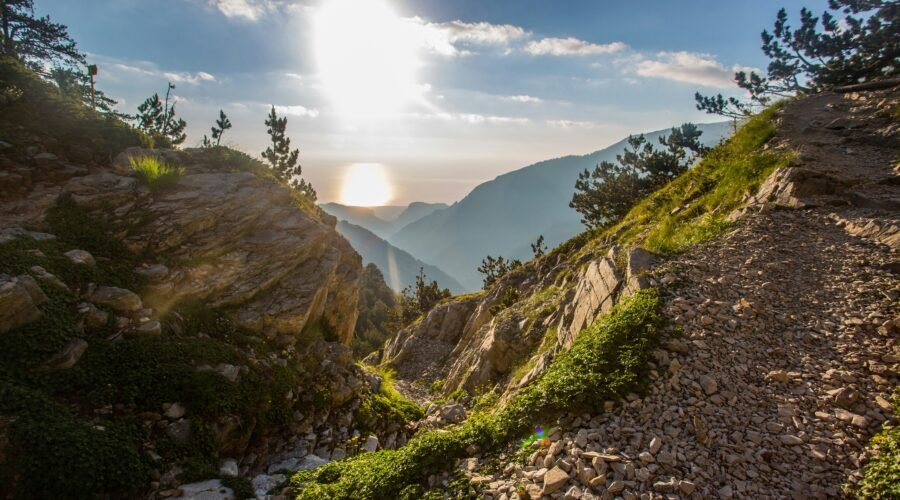
Planning a trip to Olympos on Turkey’s Mediterranean coast? The best time to visit Olympos, Antalya, depends on whether you want warm swimming water, comfortable hiking weather, or a peaceful beach holiday. The seasons feel quite different here, and choosing the right month can make your trip much more enjoyable.
Quick Answer
The best time to visit Olympos, Antalya, is April to May or September to October. May is excellent for hiking and sightseeing, while September offers warm seawater and fewer crowds than midsummer. Choose July or August for hot beach weather, or visit during winter for a quiet escape with fewer tourist services.
Last checked: October 28, 2026. Key dates, admission prices, and climate figures were checked against official sources.
Key Takeaways
- Best for sightseeing: April and May offer green landscapes and comfortable conditions for exploring ancient ruins.
- Best for swimming: June to September provides warm seawater, with October still pleasant for many swimmers.
- Hottest months: July and August have average daytime highs near 35°C in Antalya.
- Quietest period: November to March brings fewer tourists, but rain and seasonal business closures can affect your plans.
- Important cost: Olympos Archaeological Site currently lists a €10 admission fee for foreign adult visitors.
Best Time to Visit Olympos, Antalya: Monthly Weather
Olympos has a Mediterranean climate with hot, dry summers and mild, rainy winters. Spring and autumn provide a more comfortable balance for outdoor activities.
To understand the seasonal changes, you can use the Turkish Meteorological Service’s official Antalya climate averages.
The figures below use Antalya’s 1991–2020 climate averages. Olympos lies farther southwest along the coast, so its actual temperatures and rainfall may differ.
| Month | Average High | Average Rainy Days | Best Activities |
|---|---|---|---|
| January | 15.0°C | 12.6 | Quiet sightseeing |
| February | 15.9°C | 10.8 | Nature walks between showers |
| March | 18.4°C | 9.6 | Hiking and wildflowers |
| April | 21.8°C | 8.4 | Ancient ruins and hiking |
| May | 26.4°C | 7.1 | Sightseeing and early swimming |
| June | 31.6°C | 3.3 | Swimming and boat trips |
| July | 34.9°C | 1.2 | Beach holidays |
| August | 34.9°C | 0.7 | Swimming and water activities |
| September | 31.7°C | 2.6 | Warm-sea swimming |
| October | 27.3°C | 6.2 | Beach walks and sightseeing |
| November | 21.6°C | 8.5 | Quiet nature trips |
| December | 16.7°C | 12.4 | Relaxation and short walks |
These are long-term averages, not a forecast for your travel dates. They also describe average daytime highs rather than the hottest temperature possible.
Spring (March to May): Best for Hiking and Ancient Ruins
Spring is one of the most rewarding seasons in Olympos. The hills become greener after winter rain, wildflowers appear, and temperatures gradually rise.
- March: Cooler weather suits longer walks and archaeological sightseeing. You should still expect occasional rain and chilly evenings.
- April: With an average daytime high of 21.8°C in Antalya, April is especially comfortable for exploring ruins and coastal trails.
- May: Temperatures rise to an average high of 26.4°C. Beach weather becomes more reliable, although the sea is cooler than in autumn.
Spring also brings longer daylight hours, giving you more time to explore Olympos Ancient City and nearby sections of the Lycian Way.
The main drawback is the water temperature. In April, swimming can feel cold. By May, the sea becomes more inviting, especially for people comfortable with cooler water.
Summer (June to August): Best for Hot Beach Holidays
Summer brings strong sunshine, very little rainfall, and the warmest swimming conditions. It also attracts more visitors to Olympos and nearby Çıralı.
- June: Average daytime highs reach 31.6°C in Antalya. This month offers a useful balance of beach weather and a somewhat calmer atmosphere than peak summer.
- July: Average highs reach 34.9°C. The beach becomes a major attraction, but outdoor sightseeing can feel exhausting during midday.
- August: Temperatures remain very high, and the sea reaches its warmest period. Accommodation demand and beach crowds are often substantial.
Rain is uncommon in midsummer. Antalya averages only 4 mm of rainfall in July and 5 mm in August, based on the official long-term figures.
Warning: Summer heat can make hiking and exploring exposed archaeological paths dangerous, especially around midday. Carry enough water, use sun protection, and plan strenuous outdoor activities for cooler hours.
Summer suits you if swimming, relaxing by the sea, and enjoying a lively holiday atmosphere matter more than long hikes.
Autumn (September to November): Best for Warm Swimming Water
Autumn is another excellent season for visiting Olympos. The sea remains warm after summer, while the busiest tourist period begins to ease.
- September: Days remain hot, with an average Antalya high of 31.7°C. Swimming is excellent, and the weather is generally dry.
- October: Average highs fall to 27.3°C. The weather is usually pleasant for combining beach time with historical sightseeing.
- November: Average highs drop to 21.6°C. Rain becomes more frequent, and some seasonal businesses begin reducing their services.
September is particularly appealing if you want warm water without visiting during the busiest weeks of July and August.
October is a better choice if you want more comfortable walking conditions. However, rainfall increases as the month progresses, and a late-season storm can affect beach plans.
Winter (December to February): Best for Quiet Escapes
Winter in Olympos is peaceful but much wetter than summer. It suits travelers interested in nature, solitude, and sightseeing rather than a traditional beach holiday.
- December: Average daytime highs reach 16.7°C in Antalya, but rainfall increases significantly.
- January: Average highs fall to 15°C. Nights can be cold, and wet weather may interrupt outdoor plans.
- February: Temperatures gradually begin rising, although rain remains common.
December is especially wet, with Antalya averaging 271.7 mm of monthly rainfall. January also receives substantial rain.
Snow is uncommon along the Olympos coastline, although nearby mountains can experience colder conditions.
Winter can provide excellent opportunities for quiet photography and short walks during dry spells. However, many tourist-oriented guesthouses and activity providers may close for the season.
When Is the Sea Warm Enough for Swimming?
The sea around Olympos becomes comfortable for more swimmers from late spring onward. It generally remains warm into October because seawater cools more slowly than the air.
For reference, Antalya’s average sea temperature data gives the following approximate monthly values:
- May: 21.1°C, suitable for swimmers comfortable with cooler water.
- June: 25.1°C, comfortable for most swimmers.
- July: 27.8°C, very warm.
- August: 28.8°C, the warmest average.
- September: 27.4°C, excellent for swimming.
- October: 24.8°C, still pleasant for many people.
These are Antalya reference averages, not direct measurements at Olympos Beach. Local currents, wind, and recent weather can affect actual water temperatures.
For the best combination of warm water and manageable crowds, September is the strongest overall choice.
When Is Olympos Least Crowded?
Olympos is generally quietest from November to March and busiest during July and August. April, May, September, and October usually provide a more relaxed atmosphere without losing the benefits of favorable weather.
Peak Season: July and August
July and August attract visitors seeking hot weather and Mediterranean beach holidays.
You can expect:
- More people on Olympos Beach and nearby Çıralı Beach.
- Higher demand for popular pensions, bungalows, and treehouse-style accommodation.
- Busier restaurants and shared outdoor spaces.
- More competition for boat trips and other seasonal activities.
- Less space around popular sections of the archaeological site during busy periods.
The lively atmosphere can be enjoyable if you like meeting other travelers. However, these months are less suitable for visitors seeking solitude.
Shoulder Season: April, May, September, and October
These four months usually provide the best balance between visitor numbers and comfortable weather.
You’ll generally find:
- Less crowded beaches than during midsummer.
- More relaxed sightseeing at Olympos Ancient City.
- Better accommodation availability outside holiday periods.
- Comfortable conditions for exploring the surrounding landscape.
However, shoulder season does not guarantee empty beaches. Weekends, school breaks, and Turkish public holidays can increase demand.
Public Holidays That Can Affect Crowds
Domestic travel can increase around national and religious holidays, even when those dates fall outside the main summer season.
According to the Turkish Presidency of Religious Affairs’ official 2027 holiday calendar, several dates are relevant when planning an Olympos visit:
- March 9–11, 2027: Ramadan Bayramı (Eid al-Fitr).
- April 23, 2027: National Sovereignty and Children’s Day, falling on a Friday.
- May 1, 2027: Labour and Solidarity Day.
- May 16–19, 2027: Kurban Bayramı (Eid al-Adha).
- July 15, 2027: Democracy and National Unity Day.
- August 30, 2027: Victory Day.
- October 29, 2027: Republic Day, also falling on a Friday.
These dates can create longer breaks and increase domestic travel demand. However, the exact effect on Olympos will depend on weather and visitor plans.
If you prefer fewer people, choose ordinary weekdays outside these holidays.
Off-Season: November to March
November through March offers the quietest atmosphere for most visitors.
You’ll encounter fewer tourists, and the natural surroundings often feel more peaceful.
However, there are trade-offs. Some accommodation providers and restaurants close temporarily, and organized activities become less frequent.
This period is best for travelers who value peace and flexibility more than guaranteed sunshine or busy holiday facilities.
How Much Does It Cost to Visit Olympos?

The cost of visiting Olympos depends mainly on your travel dates, accommodation, transportation, and activities. Summer tends to be more expensive because demand is stronger.
However, some expenses, including archaeological-site admission, do not follow the same seasonal pricing pattern as hotels.
Summer Costs: June to August
Summer is generally the most expensive period for staying in Olympos.
- Accommodation: Popular guesthouses, bungalows, and treehouse-style stays often charge their highest rates during July and August.
- Flights: Airfare to Antalya can be more expensive during the main summer holiday period.
- Boat trips: Popular departures may fill quickly, leaving fewer choices for travelers booking at short notice.
- Food: Restaurants are busier, although meal costs depend heavily on the establishment.
Booking several months in advance can improve your choice of rooms, especially when traveling during busy summer weeks.
Shoulder Season Costs: April to May and September to October
Shoulder season often provides better overall value than peak summer.
- Accommodation: More guesthouses may have available rooms, giving you a wider selection.
- Flights: You may find more affordable fares outside school holiday periods.
- Activities: Guided trips and excursions can be easier to arrange when demand is lower.
- Food: Restaurant prices may not change much, but you can choose from less crowded places.
September is a particularly attractive option because you can still enjoy warm seawater while avoiding some of the busiest summer demand.
Winter Costs: November to March
Winter can offer lower accommodation prices, but fewer businesses remain open.
- Accommodation: Some operating guesthouses offer discounted rates during quieter months.
- Flights: Airfare to Antalya can be lower outside major holiday periods.
- Activities: Some boat tours and seasonal excursions may not operate regularly.
- Food: Your dining options may be limited to businesses that stay open throughout the year.
A cheaper room is not always a better deal if transportation and dining options are limited. Consider the overall cost of your stay rather than accommodation alone.
Olympos Ancient City Entrance Fee
Unlike ordinary beach relaxation, visiting the archaeological site is a ticketed activity.
The Turkish Ministry of Culture and Tourism’s official admission list gives the following price:
- Foreign adult visitor: €10.
- Turkish citizens: MüzeKart is accepted, subject to eligibility rules.
- Other visitor categories: Age-based exemptions and different ticket conditions may apply.
This is the listed admission fee checked on October 28, 2026. The charge is separate from accommodation, transportation, and other excursions.
If you approach the beach through the archaeological entrance on the Olympos side, account for the site’s ticketing arrangements. Access from the Çıralı side follows a different route.
Pro Tip: When comparing accommodation, consider whether you want to stay in Olympos village or Çıralı. The two locations offer different approaches to the beach and archaeological area, which can affect how you spend your day.
Best Things to Do in Olympos by Season

Olympos combines beaches, ancient ruins, hiking trails, and unusual natural attractions. The best season depends on which activities matter most to you.
Swimming and Water Sports: June to September
June through September is generally the best period for swimming and water activities.
During these months, the Mediterranean Sea is warm enough for long swims, and rainfall is usually limited.
Popular activities include:
- Swimming at Olympos Beach.
- Relaxing on nearby Çıralı Beach.
- Joining organized boat trips when available.
- Kayaking or paddleboarding where local operators offer equipment.
- Enjoying the coastline during early morning and late afternoon.
July and August are the hottest months, so consider taking a break from direct sunshine around midday.
September offers especially pleasant swimming conditions without the same level of peak-summer crowding.
Exploring Olympos Ancient City: April, May, and October
The ancient city is one of the area’s main attractions. Spring and autumn are the most comfortable times to explore its ruins.
Olympos was an important settlement in ancient Lycia. Today, its remains sit among trees and vegetation near a river that flows toward the Mediterranean.
Notable remains include:
- The ancient theater.
- Roman bath structures.
- The remains of a Byzantine basilica.
- Ancient tombs and sarcophagi.
- Parts of the former bridge and city walls.
- Remains of the acropolis near the river mouth.
April and May offer greener scenery and more comfortable temperatures for walking.
October is another good option because daytime heat is usually less intense than in summer.
Olympos Ancient City Opening Hours
The archaeological site operates throughout the year, although opening hours change seasonally.
The official Turkish Museums information for Olympos lists these visiting arrangements:
- October: 8:00 a.m. to 7:00 p.m., with ticket sales closing at 6:30 p.m.
- November 1 to April 30: 8:00 a.m. to 5:00 p.m., with ticket sales closing at 4:30 p.m.
The general museum information also shows daily operation. Summer visiting hours and exceptional changes should be confirmed for your intended travel period.
Morning visits are especially comfortable during warmer months.
Hiking the Lycian Way: Spring and Autumn
The Lycian Way is one of Turkey’s best-known long-distance walking routes. Sections of the trail pass through the landscape surrounding Olympos.
April, May, and October are particularly appealing for hiking because temperatures are usually more manageable.
Spring offers green hillsides, seasonal flowers, and pleasant walking weather. Autumn provides warm days and opportunities to combine hiking with swimming.
Summer hiking can be uncomfortable in the midday heat. In winter, wet paths and flowing streams can make some routes harder to follow.
Wear shoes with reliable grip because the ground around the ruins and nearby trails can be rocky, uneven, and slippery after rain.
Visiting the Chimera Flames at Yanartaş: Spring and Autumn
Yanartaş, also called the Chimera, is one of the area’s most unusual natural sights.
Natural gases escape through openings in the rocks and produce flames that can burn continuously. The site is associated with ancient myths about the fire-breathing Chimera.
The flames can be seen throughout the year, but the walking conditions vary by season.
- Spring: Comfortable temperatures make the uphill walk more enjoyable.
- Summer: The flames remain visible, but evening visits can be more comfortable than daytime walks.
- Autumn: Mild evenings provide excellent conditions for seeing the flames after dark.
- Winter: The flames are still a potential attraction, but rain and slippery ground can complicate access.
The flames are particularly striking after sunset, when they stand out against the dark surroundings.
However, Yanartaş is not simply a roadside viewpoint. Reaching the flames involves walking uphill along an uneven path.
Carry a flashlight if you plan to return after dark, and wear suitable walking shoes.
Relaxing and Enjoying Nature: November to March
Winter is best suited to travelers who want quiet surroundings rather than a full schedule of tourist activities.
You can spend dry days exploring the coastal landscape, photographing the ruins, or taking peaceful walks.
Spring and autumn are also excellent for relaxation because you can enjoy milder weather without the busiest summer crowds.
Sea Turtle Nesting Season at Çıralı
Çıralı Beach is an important nesting area for loggerhead sea turtles, known scientifically as Caretta caretta.
Turtle nesting activity generally takes place during the warmer part of the year, with nesting and hatching periods extending across the summer season.
Visitors should avoid disturbing marked nesting areas, moving protective markers, or shining bright lights toward the beach at night.
Note: Olympos and Çıralı are part of a sensitive coastal environment. Respect conservation signs and any beach-access restrictions, especially around protected sea turtle nests.
Practical Tips for Planning Your Olympos Trip
| Month | Weather | Crowds | Costs |
|---|---|---|---|
| April | Mild, with occasional showers | Low, except holidays | Moderate |
| May | Warm, increasingly dry | Low to moderate | Moderate |
| June | Hot and mostly dry | Moderate to high | High |
| July | Very hot and dry | High | High |
| August | Very hot, warmest sea | High | High |
| September | Hot days, warm sea | Moderate | Moderate to high |
| October | Warm, with increasing rain | Low to moderate | Moderate |
This comparison can help you match your preferred weather with typical crowd and cost patterns. It also shows why September and May are attractive months for travelers seeking good overall value.
When Should You Book Flights and Accommodation?
Booking early matters most during summer and major holidays. Outside those periods, you may have more flexibility.
- July and August: Booking around three to six months ahead can give you more accommodation choices.
- April, May, September, and October: One to three months ahead is often a reasonable planning window.
- November to March: Last-minute rooms may be available, but you should confirm that your preferred accommodation operates during winter.
These are planning guidelines rather than guaranteed booking deadlines. Availability depends on the property, holiday dates, and demand.
How Do You Get to Olympos from Antalya Airport?
Antalya Airport (AYT) is the main airport for international travelers visiting Olympos. You can continue by public transport, rental car, or private transfer.
The official Antalya Airport transportation information confirms that airport buses and the AntRay tram network connect travelers with Antalya’s intercity bus terminal.
For public transportation, the usual route involves:
- Travel to Antalya Otogar: Use an airport bus or the AntRay tram connection to reach the intercity bus terminal.
- Take a westbound service: Look for a bus or minibus traveling toward Kumluca or Kaş via the coastal highway.
- Get off at Olympos junction: The main highway junction is separate from the accommodation area near the archaeological site.
- Continue into Olympos: Use a local minibus, arranged pickup, or suitable transfer to reach your accommodation.
The full airport-to-Olympos journey may take roughly 2.5 to 3 hours, depending on traffic and waiting times. Allow extra time if your connection requires a long wait.
Rental car: Driving offers greater flexibility for visiting nearby attractions and traveling outside regular transport hours.
Private transfer: This is convenient if you’re traveling with several bags, arriving late, or staying somewhere without easy public transport access.
Remember that Olympos and Çıralı have different road approaches. Confirm which one serves your accommodation before arranging transportation.
Do You Need a Visa to Visit Olympos?
Olympos is in Türkiye, so normal Turkish entry requirements apply. Visa rules depend on your passport nationality and travel purpose.
According to the Republic of Türkiye Ministry of Foreign Affairs’ visa information, some travelers can enter without a visa, while others need an e-Visa or a visa issued by a Turkish diplomatic mission.
For example, Bangladeshi ordinary passport holders generally require a visa. Some may qualify for an e-Visa if they hold an eligible supporting visa or residence permit and meet the stated conditions.
Türkiye also has passport-validity requirements. The Ministry advises travelers to have a passport valid for at least six months from arrival.
Confirm your eligibility and entry conditions before buying nonrefundable tickets.
What Should You Pack for Olympos?
Your packing list should reflect the season and planned activities. You need different clothing for summer beach days and winter sightseeing.
- Sunscreen and sunglasses: Essential for sunny days, especially in summer.
- Sun hat: Useful for beaches and exposed archaeological areas.
- Breathable clothing: Best for hot weather and summer activities.
- Swimwear: Bring it if you’re visiting during the warmer months.
- Comfortable walking shoes: Important for ancient ruins and uneven paths.
- Light jacket or sweater: Useful for spring and autumn evenings.
- Rain jacket: Especially important from late autumn through early spring.
- Insect repellent: Helpful around vegetation and during warm evenings.
- Reusable water bottle: Useful when exploring beaches, trails, and archaeological sites.
- Travel adapter: Türkiye commonly uses Type C and Type F plugs.
- Turkish lira: Carry some cash for smaller purchases and local transportation.
For a summer visit, prioritize sun protection and lightweight clothing. For winter, focus on waterproof layers and shoes that handle wet surfaces.
Which Month Should You Choose for Olympos?
The ideal month depends on how you want to spend your holiday. May and September are the most balanced choices, but other months can be better for particular interests.
Choose May for Sightseeing and Nature
May is an excellent choice if you want to explore ancient ruins, walk scenic trails, and enjoy warm weather without midsummer heat.
The landscape is still green from spring, and rainfall is generally decreasing.
Swimming is possible, although the water may feel cool compared with September.
Choose September for Swimming and Relaxation
September is the strongest choice if swimming is a priority.
The sea retains much of its summer warmth, while visitor numbers often decrease after the busiest holiday weeks.
Daytime temperatures can still be high, so longer hikes are more comfortable during cooler hours.
Choose October for Comfortable Exploration
October works well for travelers who want to combine beach visits, archaeological sightseeing, and outdoor walks.
The sea can remain pleasant for swimming, particularly earlier in the month.
However, October is less predictable than September because rainfall becomes more frequent.
Choose July or August for a Classic Summer Holiday
July and August are ideal if you enjoy strong sunshine, very warm water, and a lively holiday atmosphere.
They are less suitable if you dislike high temperatures, crowded beaches, or expensive summer accommodation.
Choose Winter for Solitude and Budget Travel
November through March suits travelers interested in quiet scenery and a slower pace.
You may find lower accommodation rates, but rain and limited tourism services are important drawbacks.
For most first-time visitors, late spring or early autumn remains the safer choice for a well-rounded trip.
Frequently Asked Questions
What is the best time to visit Olympos, Antalya, for good weather?
April, May, September, and October usually offer the best overall weather for visiting Olympos. Spring is especially pleasant for hiking and sightseeing, while September and early October offer warmer swimming conditions. July and August are sunnier but much hotter.
When is the peak tourist season in Olympos?
July and August are generally the peak tourist months in Olympos. Beaches, guesthouses, and restaurants attract more visitors during this period. June can also become busy, while national holidays and summer weekends may increase demand for accommodation and activities.
When is the off-peak season in Olympos?
November to March is generally the off-peak season in Olympos. Tourist numbers fall as temperatures cool and rainfall increases. Some guesthouses, restaurants, and excursion operators may close temporarily, so winter is better suited to quiet sightseeing than a traditional beach holiday.
Is Olympos expensive during summer?
Olympos is generally more expensive during July and August because accommodation demand is higher. Popular guesthouses and bungalows may charge more, and flights to Antalya can also cost more during summer holidays. Spring and autumn often provide better value and more accommodation choices.
When is the best time to avoid crowds and high costs?
April, May, late September, and October are usually good choices for avoiding the busiest crowds and highest summer accommodation rates. May is better for hiking, while late September offers warmer swimming water. Avoid major public holidays if you want an especially peaceful visit.
Can you swim in Olympos in October?
Yes, you can often swim in Olympos in October. Antalya’s average October sea temperature is approximately 24.8°C, which many swimmers find comfortable. Early October usually offers better beach conditions than late October because rainfall becomes more frequent as autumn progresses.
Is Olympos worth visiting in winter?
Yes, Olympos can be worth visiting in winter if you enjoy quiet nature, ancient history, and peaceful surroundings. However, frequent rain and cooler weather make swimming less appealing. Some accommodation and tourism businesses may close, so plan for fewer services than in summer.
Is May or September better for visiting Olympos?
May is better for hiking, exploring ruins, and enjoying green spring scenery. September is better for swimming because the Mediterranean remains warm after summer. Both are excellent choices, but September is usually the better option if you want to spend more time in the water.
Sources
- Turkish Meteorological Service: Official Antalya monthly climate averages, including temperature, rainfall, and rainy days.
- Weather Atlas, Antalya Climate: Reference monthly sea temperatures and seasonal swimming conditions.
- Turkish Presidency of Religious Affairs: Official 2027 public holiday dates.
- Turkish Ministry of Culture and Tourism: Official archaeological-site admission fees.
- Turkish Museums, Olympos Archaeological Site: Archaeological history, visitor information, seasonal opening hours, and facilities.
- Antalya Airport: Official airport bus, tram, and intercity terminal transportation information.
- Republic of Türkiye Ministry of Foreign Affairs: Visa eligibility, entry requirements, and passport validity guidance.



[…] Olympos, Antalya […]