


Wondering about the best time to visit Çıralı, Antalya? This peaceful village on Turkey’s Lycian coast offers warm Mediterranean water, ancient ruins, mountain trails, and a long natural beach. But your experience can change significantly depending on the month you choose. Here’s how the weather, swimming conditions, crowds, and costs compare throughout the year.
Quick Answer
The best time to visit Çıralı is May, September, or early October. May offers comfortable weather for hiking and sightseeing, while September combines warm seawater with fewer crowds than peak summer. Early October is excellent for quieter beach holidays. Choose June through August for the hottest weather and warmest swimming conditions.
Last checked: October 28, 2026. Dates and figures were verified against official sources.
Key Takeaways
- Spring: April and May bring pleasant hiking conditions, green landscapes, and generally moderate accommodation prices.
- Summer: June through August offers reliable sunshine and excellent swimming, but July and August are hot and busy.
- Autumn: September and October offer warm water, more comfortable sightseeing weather, and a calmer atmosphere.
- Winter: December through February is quiet and often inexpensive, but rain and seasonal business closures limit your options.
- Wildlife: Çıralı is an important sea turtle nesting beach. Protected areas have special rules during the breeding season.
Çıralı Weather by Month: Temperatures, Sea Conditions, and Crowds
Çıralı has a Mediterranean climate, with hot, dry summers and mild, wetter winters. The main difference between seasons is not simply the air temperature. Sea warmth, rainfall, and visitor numbers also shape your experience.
The following figures come from the Turkish State Meteorological Service’s Antalya climate normals for 1991–2020 and its Mediterranean sea-temperature analysis for 1970–2025.
The air figures represent Antalya‘s official climate records, while the water figures are Mediterranean-wide averages. They are useful regional guides, not exact measurements for Çıralı Beach. Actual conditions can vary.
| Month | Average Daytime High | Average Sea Temperature | Average Rainy Days | Typical Crowds |
|---|---|---|---|---|
| January | 15.0°C | 16.7°C | 12.6 | Very low |
| February | 15.9°C | 16.0°C | 10.8 | Very low |
| March | 18.4°C | 16.6°C | 9.6 | Low |
| April | 21.8°C | 18.1°C | 8.4 | Low to moderate |
| May | 26.4°C | 20.8°C | 7.1 | Moderate |
| June | 31.6°C | 23.9°C | 3.3 | Moderate to high |
| July | 34.9°C | 26.7°C | 1.2 | High |
| August | 34.9°C | 28.1°C | 0.7 | High |
| September | 31.7°C | 27.0°C | 2.6 | Moderate |
| October | 27.3°C | 24.6°C | 6.2 | Low to moderate |
| November | 21.6°C | 21.4°C | 8.5 | Low |
| December | 16.7°C | 18.5°C | 12.4 | Very low |
What does this mean for your trip? May is much more comfortable for long walks than July. September offers particularly warm water, while October remains suitable for swimming on many calm, sunny days.
The crowd levels are seasonal estimates rather than official visitor counts. Turkish holidays, weekends, and individual accommodation availability can change them.
Spring in Çıralı: March to May
Spring is one of the best seasons for walking, sightseeing, and enjoying Çıralı’s natural surroundings. The hills become greener, temperatures rise steadily, and visitor numbers remain below the summer peak.
Spring also suits travelers who want to explore the ancient ruins of Olympos, visit Yanartaş, or hike without spending the entire day in strong summer heat.
March: Quiet Walks and Early Spring Weather
March marks the transition from winter to spring. Daytime highs around Antalya average 18.4°C (65°F), although cooler mornings and rainy days are still common.
- Weather: Comfortable for walks on sunny days, but changeable conditions make a waterproof jacket useful.
- Crowds: Generally low. You can enjoy the beach and village without the summer rush.
- Costs: Accommodation may be inexpensive, especially outside holiday periods. However, fewer properties operate than in summer.
- Best activities: Coastal walks, photography, nature watching, and exploring Olympos.
March is a good choice if you care more about peaceful scenery than swimming. The Mediterranean’s regional average water temperature is only 16.6°C, which feels cold to most recreational swimmers.
In 2026, Ramadan Bayramı fell on March 20–22. Such public holidays can create short increases in domestic travel even during otherwise quiet months.
April: Mild Weather and Spring Flowers
April is a particularly good month for exploring Çıralı on foot. Average daytime highs reach approximately 21.8°C (71°F), with longer sunny periods and less rainfall than in winter.
- Weather: Pleasant during the day, cooler after sunset, with occasional rain.
- Crowds: Usually low to moderate. Many guesthouses and restaurants begin welcoming seasonal visitors.
- Costs: Often better value than summer, although holidays can increase demand.
- Best activities: Hiking sections of the Lycian Way, visiting the Chimaera flames at Yanartaş, and exploring ancient sites.
The sea averages about 18.1°C across the Mediterranean, so most visitors will find swimming chilly. April works better for long beach walks and sightseeing than a swimming-focused holiday.
April 23 is National Sovereignty and Children’s Day in Türkiye. Expect the possibility of additional domestic visitors around this public holiday.
May: One of the Best Months for Nature and Sightseeing
May offers one of the strongest balances of sunshine, comfortable temperatures, and manageable crowds. Antalya’s average daytime high rises to 26.4°C (80°F), making outdoor activities especially appealing.
- Weather: Warm days, pleasant evenings, and less frequent rain than early spring.
- Crowds: Moderate, with more visitors arriving as the summer season approaches.
- Costs: Accommodation prices generally increase as demand rises, but many properties still offer better value than during peak summer.
- Best activities: Lycian Way hiking, Olympos ruins, visiting Phaselis, and relaxing on the beach.
May is suitable for swimming if you tolerate cooler water. However, the regional average sea temperature of 20.8°C may still feel refreshing rather than comfortably warm.
In 2026, important spring holidays included May 1, May 19, and the May 27–30 Eid al-Adha holiday period. Those dates could affect accommodation demand.
Who should visit in spring? Couples, nature lovers, hikers, photographers, and travelers who prefer comfortable sightseeing weather over the hottest beach conditions.
Summer in Çıralı: June to August
Summer is the main swimming and beach season in Çıralı. The Mediterranean becomes warmer, rainfall drops sharply, and most seasonal tourism businesses operate.
June offers a good transition into summer. July and August bring the strongest heat, the busiest atmosphere, and generally higher accommodation demand.
June: Warm Water and Long Summer Days
June is excellent for travelers who want a proper beach holiday before the busiest part of summer. Average daytime highs around Antalya reach 31.6°C (89°F), with approximately 11 hours of sunshine per day.
- Weather: Hot, sunny days with very little rain. Evenings are warm enough for outdoor dining.
- Crowds: Moderate to high, especially toward the end of the month.
- Costs: Summer pricing becomes more common. Popular guesthouses can fill quickly.
- Best activities: Swimming, snorkeling, beach relaxation, and organized boat trips.
The regional average sea temperature reaches 23.9°C, making swimming comfortable for many visitors.
You can still visit Olympos and explore the surrounding trails, but begin longer walks early to avoid the midday heat.
July: Peak Sunshine and a Busy Beach
July is one of Çıralı’s hottest and busiest months. Average daytime highs reach approximately 34.9°C (95°F), and hotter spells can push temperatures considerably higher.
- Weather: Very hot and mostly dry. Nights can remain warm and humid.
- Crowds: High, especially during weekends and school holidays.
- Costs: Accommodation is generally expensive compared with quieter months.
- Best activities: Swimming, relaxing by the sea, snorkeling, and enjoying shaded outdoor restaurants.
The regional average sea temperature is 26.7°C, making July attractive for people who prefer warm water.
However, sightseeing and hiking become more demanding. Air-conditioned accommodation is especially valuable during hot nights.
Türkiye’s Democracy and National Unity Day falls on July 15, which can influence domestic holiday travel.
August: The Warmest Sea and Peak Summer Conditions
August offers the warmest sea conditions of the year. The Mediterranean-wide average reaches 28.1°C, while average daytime highs around Antalya remain close to 34.9°C (95°F).
- Weather: Very hot, dry, and sunny. Some nights can feel uncomfortable without cooling.
- Crowds: High. Beaches, guesthouses, and popular restaurants are busy.
- Costs: Generally among the highest accommodation rates of the year.
- Best activities: Swimming, water activities, relaxing in the shade, and short early-morning excursions.
August is best if swimming and sunshine are your main priorities. It is less suitable for long hikes or exploring exposed archaeological sites in the middle of the day.
One documented regional event is the Olympos Sky and Science Festival. Its organizer listed August 13–16, 2026, at Don Kişot in Olympos, with astronomy and science activities. This event is in the wider Olympos area rather than on Çıralı Beach itself.
August 30 is also Türkiye’s Victory Day, a national public holiday.
Warning: Summer heat can make long hikes and exposed archaeological sites uncomfortable or unsafe, especially during the middle of the day. Carry enough drinking water, use sun protection, and choose early morning or late afternoon for strenuous outdoor activities.
Who should visit in summer? Beach lovers, swimmers, families planning seaside holidays, and travelers who enjoy hot weather. Çıralı remains more nature-focused than major resort towns, so do not expect a large nightclub or party scene.
Autumn in Çıralı: September to November
Autumn is another excellent season for visiting Çıralı. The strongest summer heat gradually fades, but the sea retains warmth well into October.
September is particularly attractive for swimming. October provides more comfortable weather for exploring, while November introduces cooler evenings, increased rainfall, and a quieter village atmosphere.
September: The Best Overall Month for Many Travelers
September combines warm seawater, plenty of sunshine, and gradually decreasing visitor numbers. The regional sea-temperature average remains around 27.0°C, making it an excellent month for swimming.
- Weather: Still hot during the day, with an Antalya average high of 31.7°C (89°F). Evenings gradually become more comfortable.
- Crowds: Moderate. The atmosphere becomes calmer as peak summer travel ends.
- Costs: Accommodation may become less expensive than in July and August, particularly later in the month.
- Best activities: Swimming, beach relaxation, snorkeling, short hikes, and exploring Olympos.
September is ideal if you want summer-like sea temperatures without the full intensity of peak-season tourism.
The month also marks the later part of the sea turtle nesting and hatching period, making responsible beach use particularly important.
October: Quieter Beaches and Comfortable Exploring
October is a strong choice for travelers who want a relaxed coastal holiday. Average daytime highs around Antalya remain approximately 27.3°C (81°F), although evenings become noticeably cooler.
- Weather: Warm days, cooler evenings, and an increasing chance of rain.
- Crowds: Low to moderate, with more space on the beach and fewer visitors in restaurants.
- Costs: Often more affordable than summer, especially outside weekends and holiday dates.
- Best activities: Hiking, sightseeing, nature photography, and swimming when conditions are favorable.
October’s regional average sea temperature is 24.6°C, which remains comfortable for many swimmers. Early October usually offers the better combination of warm water and settled weather.
The surrounding hills are also easier to explore without the intense summer sunshine.
In 2026, Republic Day falls on October 29, with a half-day public holiday on October 28. Accommodation demand can increase around this period.
November: Peaceful Scenery and the Start of the Low Season
November brings a quieter version of Çıralı. Average daytime highs remain fairly mild at approximately 21.6°C (71°F), but rainfall becomes more frequent.
- Weather: Mild during sunny periods, cooler at night, and increasingly wet.
- Crowds: Low. The beach and village feel much quieter than in summer.
- Costs: Accommodation rates can be attractive, although fewer properties remain open.
- Best activities: Beach walks, quiet sightseeing, photography, and shorter nature hikes between rainy periods.
The regional average sea temperature remains around 21.4°C, but cooler air and changeable weather make swimming less appealing for many visitors.
Some restaurants and seasonal guesthouses begin closing as demand falls. Travelers seeking a wide choice of dining and accommodation may prefer October.
Who should visit in autumn? Swimmers who dislike peak summer crowds, couples looking for a peaceful holiday, hikers, and budget-conscious travelers who still want pleasant weather.
Winter in Çıralı: December to February
Winter is Çıralı’s quietest travel season. The village becomes more peaceful, tourist numbers fall, and many seasonal businesses close.
Although temperatures remain relatively mild compared with much of Europe, winter is also the wettest part of the year. It suits independent travelers who value solitude over beach activities.
December: Quiet Beaches and Increasing Rainfall
December brings cool weather and some of the year’s heaviest rainfall. Average daytime highs around Antalya are approximately 16.7°C (62°F).
- Weather: Cool, frequently wet, and sometimes windy.
- Crowds: Very low, with only a limited number of visitors.
- Costs: Potentially inexpensive accommodation, although seasonal closures reduce your choices.
- Best activities: Quiet coastal walks, photography, and sightseeing during dry weather.
December receives an average of approximately 272 mm of rainfall in Antalya’s 1991–2020 climate records. This makes flexible outdoor plans particularly valuable.
The village has no guaranteed large-scale December festival, and many summer-focused businesses are closed.
January: Maximum Peace and a Cooler Mediterranean
January is one of the coolest months in the region. Average daytime highs are approximately 15.0°C (59°F), while nights are much colder.
- Weather: Cool and rainy, with occasional sunny periods.
- Crowds: Very low. The beach can feel almost deserted.
- Costs: Open accommodation may offer low-season rates, but heating and transport can affect overall costs.
- Best activities: Solitary walks, enjoying the landscape, and visiting historical sites when weather allows.
The regional sea-temperature average is about 16.7°C, which is too cold for comfortable swimming for most holidaymakers.
New Year’s Day on January 1 is a national public holiday. Beyond occasional holiday visitors, January remains firmly within Çıralı’s low season.
February: Cool Weather Before Spring Returns
February remains quiet, although the approach of spring brings gradually longer days. Average daytime highs around Antalya reach approximately 15.9°C (61°F).
- Weather: Cool, sometimes rainy, with occasional pleasant sunny afternoons.
- Crowds: Very low, especially outside weekends.
- Costs: Often affordable for travelers who can find suitable year-round accommodation.
- Best activities: Nature walks, exploring the village, and visiting local historical attractions during dry spells.
The regional average sea temperature falls to approximately 16.0°C, making February unsuitable for most swimming-focused trips.
Winter is best for travelers who enjoy quiet surroundings and do not need a full selection of restaurants, organized tours, or beach services.
Pro Tip: For a winter stay, choose accommodation that explicitly offers heating and confirm that nearby restaurants are operating. A low room rate is less useful if you need long trips for meals or basic supplies.
Best Time to Visit Çıralı for Different Activities
The ideal month depends on what you plan to do. Swimming requires different conditions from hiking, sightseeing, or wildlife observation.
Rather than choosing a month based on temperature alone, match your travel dates to your main activity.
For Swimming and Beach Holidays: June to September
June through September provides the most dependable swimming conditions. The Mediterranean is generally warm, rainfall is limited, and beach weather is common.
July and August offer the warmest water, but June and September are often more comfortable for travelers who dislike extreme heat.
You can sometimes swim in May or October, especially on sunny days. However, water comfort depends on your preferences and local conditions.
Çıralı Beach has a mixture of sand and pebbles. The water can become deep relatively quickly, so water shoes may help, and children need close supervision.
For Hiking the Lycian Way: April, May, September, and October
The Lycian Way is more enjoyable when temperatures are below the summer peak. April, May, September, and October generally offer better conditions for walking through the surrounding hills.
The route passes through the wider Olympos area, with coastal scenery, ancient ruins, and forested slopes.
April and October are especially appealing for longer hikes. May and September suit travelers who want to combine walking with time at the beach.
For Visiting Olympos and Phaselis: Spring and Autumn
Spring and autumn are the most comfortable seasons for exploring nearby archaeological sites. The ruins of Olympos lie close to Çıralı Beach, while Phaselis is farther north near Tekirova.
The official Olympos Archaeological Site listing describes the ancient city, its Roman and Byzantine remains, and its connection to the Lycian Way.
The listing currently gives visiting hours of 8:00 a.m. to 7:00 p.m., with ticket sales ending at 6:30 p.m. Admission applies to the archaeological site, and Türkiye’s MüzeKart is accepted for eligible Turkish citizens.
The official Phaselis Archaeological Site listing also gives visiting hours of 8:00 a.m. to 7:00 p.m., with ticket sales closing at 6:30 p.m.
Phaselis is especially interesting for its three ancient harbors, Roman-era streets, and surviving water-management structures.
Both sites are worthwhile beyond the swimming season, but seasonal opening arrangements can change.
For Visiting Yanartaş (Chimaera): Spring and Autumn Evenings
Yanartaş is one of Çıralı’s most unusual natural attractions. Gas escaping through rocks creates flames that continue burning on the mountainside.
The flames are especially striking after dark, while spring and autumn offer more comfortable conditions for the uphill walk.
Wear sturdy shoes and carry a flashlight for the uneven trail. Unlike ordinary walks along Çıralı Beach, visiting the Yanartaş site involves a separate admission arrangement.
Summer visits are possible, but the climb can feel demanding in the heat. Winter trips depend more heavily on rainfall and trail conditions.
For Sea Turtle Conservation: May to September
Çıralı Beach is an important nesting area for loggerhead sea turtles, known locally as caretta caretta. Nesting generally begins in spring or early summer, with hatchlings emerging later in the season.
According to a Turkish government report published on July 20, 2026, conservation teams had recorded 108 nests on Çıralı Beach as the first hatchlings began reaching the sea.
The timing of nesting varies with weather conditions. Visiting during the breeding season does not guarantee you will see turtles.
Warning: Çıralı is a protected turtle nesting beach. Reported 2026 nesting-season restrictions included beach access bans from 8:00 p.m. to 8:00 a.m. between May 1 and September 30, along with restrictions on camping, vehicles, and fires. Follow posted local notices, do not approach marked nests, and never use flash photography around turtles.
Responsible wildlife observation is best arranged through authorized local conservation teams rather than by searching the beach at night.
When Is Çıralı Cheapest to Visit?
November through March generally provides the best opportunity to find lower accommodation prices. However, lower room rates come with cooler weather, more rain, and fewer operating businesses.
April, May, September, and October often provide a better balance between cost and the quality of your holiday.
Peak Season: June to August
Accommodation demand rises during summer, especially in July and August. Popular guesthouses and bungalows may charge higher rates, and rooms can sell out during busy periods.
Flights into Antalya may also be expensive during school holidays and other popular travel dates.
Restaurant prices do not necessarily rise uniformly with the season, but dining and excursion spending can still increase when you have fewer inexpensive options available.
Shoulder Season: April, May, September, and October
The shoulder season is often the best choice if you want good weather without paying peak-summer accommodation rates.
April and October are particularly attractive for nature-focused holidays. May and September may cost more because the weather remains popular with visitors.
Accommodation prices can also rise during national holidays, even outside the main summer season.
Low Season: November to March
Low-season accommodation can be considerably cheaper, but the lowest advertised price is not always the best overall deal.
Consider whether your accommodation provides heating, whether restaurants are within walking distance, and how you will reach the village.
Organized activities may operate less frequently in winter, so independent travel arrangements become more important.
Which Public Holidays Can Affect Prices and Crowds?
Public holidays can create temporary increases in domestic tourism. In 2026, the official Türkiye public holiday calendar included several dates relevant to spring, summer, and autumn trips.
- March 20–22, 2026: Ramadan Bayramı.
- April 23, 2026: National Sovereignty and Children’s Day.
- May 1 and May 19, 2026: National public holidays.
- May 27–30, 2026: Eid al-Adha holiday period, following the half-day holiday on May 26.
- July 15, 2026: Democracy and National Unity Day.
- August 30, 2026: Victory Day.
- October 29, 2026: Republic Day, following a half-day holiday on October 28.
Holiday dates change by year, particularly religious holidays. These dates explain potential demand in 2026 rather than providing a permanent annual schedule.
How to Choose the Right Month for Your Çıralı Holiday
The easiest way to choose your travel period is to decide what matters most: swimming, exploring, saving money, or enjoying peace and quiet.
Each priority points toward a slightly different travel window.
If You Want Warm Water and Comfortable Weather
Choose September. The sea retains much of its summer warmth, and the village gradually becomes less crowded.
Early October is a good alternative if you prefer a quieter atmosphere and can accept a greater chance of rain.
If You Want Hiking and Sightseeing
Choose April, May, or October. These months provide more comfortable conditions for visiting ancient ruins and exploring the surrounding hills.
April and October usually suit longer walks better than the hottest summer months.
If You Want a Traditional Summer Beach Holiday
Choose June, July, or August. You can expect warm water, plenty of sunshine, and a wider selection of seasonal services.
June is a useful compromise if you want swimming weather without visiting at the height of summer.
If You Want Peace and Lower Costs
Choose November through March if solitude is your main goal. The village becomes quieter, and accommodation may be inexpensive.
For a better mix of lower crowds and pleasant conditions, consider late October or early April instead.
Before booking, compare accommodation prices for your intended dates and review the weather forecast close to departure. That final check will help you choose between two otherwise suitable travel periods.
Frequently Asked Questions
What is the best time to visit Çıralı, Antalya, for good weather?
May, September, and early October offer some of the best overall weather for visiting Çıralı. May is excellent for hiking and exploring ancient sites. September is better for warm-water swimming, while early October offers quieter surroundings and generally comfortable daytime temperatures.
When is the peak tourist season in Çıralı?
July and August are the peak tourist months in Çıralı. These months bring the hottest weather, very warm seawater, and high accommodation demand. June and September can also be popular, but the village usually feels less crowded than during the height of summer.
When is the off-peak season in Çıralı?
December through February is the quietest part of the off-peak season, while November and March are also relatively peaceful. Accommodation can be inexpensive, but rain is more frequent and many seasonal businesses close. Winter is best for quiet walks rather than swimming.
Are accommodation and travel costs higher during summer?
Accommodation generally costs more in July and August because demand is high. Flights may also be more expensive during school holidays. April, October, and parts of the low season can offer better value, although exact prices depend on your dates and accommodation choices.
Are there any festivals or events near Çıralı?
The Olympos Sky and Science Festival is a documented event in the nearby Olympos area, with August 13–16 listed for 2026. Claims about an Olympos Festival in July and a Çıralı Beach Festival in August could not be confirmed from reliable event schedules. Future festival dates should be confirmed before planning a trip around them.
Can you swim in Çıralı in May or October?
Yes, you can swim in Çıralı in both May and October if conditions are suitable. The Mediterranean-wide average sea temperature is approximately 20.8°C in May and 24.6°C in October. October often feels warmer in the water because the sea retains heat from summer.
When can you see sea turtles in Çıralı?
Sea turtle nesting and hatching generally occur between spring and early autumn, with much of the activity concentrated from May through September. Sightings are never guaranteed. Çıralı Beach has conservation restrictions during the breeding season, so visitors should respect marked nests and observe wildlife only through permitted activities.
Is Çıralı worth visiting in winter?
Yes, Çıralı can be worth visiting in winter if you enjoy peaceful coastal scenery and quiet walks. However, December through February brings cooler temperatures, frequent rain, and limited tourist services. Winter is less suitable for swimming or travelers who want a busy holiday atmosphere.
Sources
- Turkish State Meteorological Service: Antalya Climate Statistics: Monthly air temperatures, rainfall, and sunshine averages for 1991–2020.
- Turkish State Meteorological Service: Mediterranean Sea Temperature Analysis: Historical monthly Mediterranean seawater temperatures for 1970–2025.
- Turkish Ministry of Culture and Tourism: Olympos Archaeological Site: Archaeological features, visiting hours, and site information.
- Turkish Ministry of Culture and Tourism: Phaselis Archaeological Site: Historical attractions, visiting hours, and site information.
- Republic of Türkiye Directorate of Communications: Çıralı Sea Turtle Conservation: Reported nesting activity and conservation work in July 2026.
- TRT Haber: Protected Beach Restrictions: Reported 2026 turtle nesting-season access restrictions.
- Borsa İstanbul: Official Holidays: Confirmed national public holiday dates for 2026.
- Olympos Sky and Science Festival Organizer: Published August 13–16, 2026 festival dates and location.


[…] Çıralı, Antalya […]
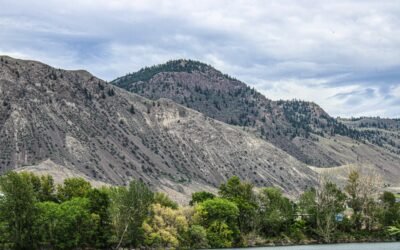
[…] Çıralı Beach: A quieter coastal setting near Olympos, suitable for travelers who prefer nature and a less urban atmosphere. […]