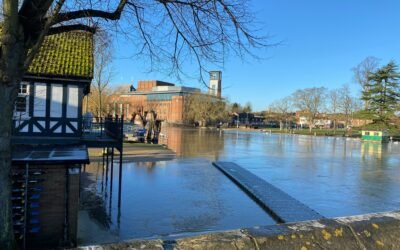
If you want the best balance of comfortable weather, manageable visitor numbers, and reasonable travel costs, the best time to visit Ely is usually May to early June or September to early October. Summer gives you the warmest weather and longest days, while winter is quieter but colder, darker, and better suited to indoor attractions and atmospheric walks.
Quick Answer
For most travelers, May, early June, September, and early October are the best times to visit Ely. You get milder weather than winter, fewer school-holiday crowds than July and August, long enough days for sightseeing, and a better chance of finding good accommodation value outside the busiest summer and event periods.
Key Takeaways
- Best overall: May to early June and September to early October.
- Warmest weather: July and August, with average daily maximum temperatures around 22°C in the wider East Anglia climate region.
- Quietest period: Late autumn and winter outside Christmas events, although days are shorter and colder.
- Best for budget travelers: Winter and shoulder-season dates outside school holidays and major local events.
- Important: Ely’s festivals, markets, Cathedral events, and school holidays can create short-term crowd spikes even in otherwise quiet months.
1. Ely Weather by Season
Ely has a temperate East Anglian climate with cool winters, mild springs and autumns, and generally warm rather than consistently hot summers. Rain can occur in every month, so a light waterproof layer is useful at almost any time of year.
The Met Office 1991–2020 East Anglia climate averages provide a useful guide for Ely. They show average daily maximum temperatures rising from about 7–8°C in January and February to roughly 22–23°C in July and August.
Note: Climate averages describe typical long-term conditions, not the weather you will get on a particular trip. Check the forecast shortly before traveling, especially if you plan long riverside walks or outdoor events.
Spring: A Gentler Welcome
Spring is one of Ely’s most appealing seasons. Daylight increases quickly, gardens and countryside begin to brighten, and outdoor sightseeing becomes more comfortable without the busiest summer-holiday crowds.
March: Still a Bit Chilly
March is cool rather than warm. The Met Office’s East Anglia averages put the typical daily maximum near 10.7°C and minimum near 2.9°C. Bright days are possible, but a jacket and waterproof layer are sensible. Frost can still occur, particularly early in the month.
April: Blooming and Brighter
April brings a clearer spring feel, with an average maximum around 13.8°C. Longer days make walking around the historic centre, Cathedral precinct, and riverside easier. Easter holidays can increase visitor numbers, so check local school-holiday dates and event schedules if avoiding crowds matters to you.
May: Warming Up Nicely
May is one of the strongest all-round choices. The regional average maximum is about 17.1°C, daylight is generous, and conditions are usually comfortable for walking. Ely can become noticeably busier during major events, including its annual Eel Festival programme, so event dates are worth checking before booking.
Summer: Warm Days, Longer Evenings
Summer provides Ely’s warmest conditions and longest useful sightseeing days. It is ideal if outdoor time is your priority, but it also overlaps with the main school-holiday period and popular events.
June: The Start of the Warmth
June’s regional average daily maximum is about 20.1°C, with an average minimum around 10.2°C. Long daylight hours make it easy to combine the Cathedral, museums, markets, and riverside in one visit. Rain is still possible, so do not assume summer means completely dry weather.
July & August: The Peak of Summer
July and August are normally the warmest months, with average daily maxima of about 22.6°C and 22.4°C. Hotter spells can push temperatures considerably higher, but mid-20s temperatures should not be treated as the everyday average. These months also overlap with school summer holidays, so accommodation and popular attractions may be busier.
Autumn: A Colorful Transition
Autumn starts mild and gradually turns cooler. September is especially attractive if you want pleasant walking conditions after the main summer-holiday period.
September: Mild After Summer
September’s regional average maximum is about 19.3°C, making it one of the most comfortable months for exploring on foot. Days are shorter than midsummer but still useful for sightseeing, and the atmosphere can be calmer after the school summer break.
October: Golden Hues and Cooler Air
October is distinctly cooler, with an average maximum around 15°C. Autumn color can make the Cathedral precinct, riverside, and surrounding Fenland landscape especially attractive. Rain becomes a greater consideration, and major local event weekends can temporarily make the city much busier.
November: Preparing for Winter
November’s average maximum drops to about 10.6°C. Daylight becomes limited, mornings and evenings feel chilly, and wetter or windy weather can affect long outdoor plans. This is a better month for travelers who enjoy quiet streets, museums, historic interiors, cafés, and pubs.
Winter: A Quiet Escape
Winter is Ely’s quietest-feeling season outside festive events. It works well if your priorities are architecture, history, indoor attractions, and a slower pace rather than long days outdoors.
December: Christmas Atmosphere
December has a regional average maximum near 7.8°C and minimum near 2°C. Frost is possible and occasional snow can occur, but snow is not dependable enough to plan a trip around. Cathedral services and seasonal events can add atmosphere, while also making particular dates busier than a normal winter weekday.
January & February: The Coldest Part of the Year
January and February are normally the coldest months, but daytime temperatures do not usually stay around freezing. Regional average maxima are about 7.4°C in January and 8.1°C in February. Overnight frost is much more common, and daylight is limited, so plan your outdoor sightseeing earlier in the day.
2. Crowd Levels: When to Beat the Masses
Ely is compact and generally easier to explore than Britain’s major tourist cities, but visitor levels still change with school holidays, weekends, markets, festivals, Cathedral events, and good weather.
Peak Tourist Season: Summer and School Holidays
July and August are the most obvious candidates for busier conditions because they combine warmer weather, long daylight hours, and England’s main school summer-holiday period. School holiday dates are not identical everywhere, so check the relevant local authority dates if your trip falls near Easter, half-term, or summer breaks.
July & August: The Summer Rush
Expect more families, day-trippers, and organized visits during the summer. Accommodation can also be in greater demand. Ely rarely feels comparable to a major capital-city attraction district, but the area around the Cathedral, markets, and riverside can become noticeably livelier.
School Holidays and Event Days
Easter, half-term weeks, summer holidays, Christmas events, and major local festivals can create short spikes in demand. The official Visit Ely events calendar is worth checking before you choose a date.
Shoulder Seasons: Pleasant and Less Packed
Late spring and early autumn usually offer the best compromise between comfortable weather and lighter visitor pressure.
Spring: Blooming Without the Bustle
April and May provide longer days and steadily warmer conditions before the school summer-holiday season. Easter and major event weekends are the exceptions, so a non-event weekday can be especially relaxed.
Autumn: A Colorful, Calm Experience
September and early October can be excellent for sightseeing. September remains relatively mild, while October brings cooler air and autumn color. Check Ely’s event programme, because popular autumn events can make individual weekends much busier than the surrounding dates.
Off-Season: Tranquility and Savings
Late autumn and winter generally offer the greatest chance of a quiet visit, although Christmas services, markets, exhibitions, and other events can create exceptions.
Winter: The Quietest Months
November through February is well suited to travelers who value quiet streets over warm weather. Short daylight hours make planning important, particularly if you want to combine outdoor walking with several attractions.
Mid-Week Visits: Everyday Peace
A non-event weekday can feel calmer than a busy Saturday or Sunday, but the choice involves tradeoffs. Ely has active markets on several days, including Thursday and weekends, while Ely Museum is normally closed on Mondays except Bank Holidays. Check the attractions you want to visit before choosing the quietest possible day.
3. Cost Considerations: Budgeting for Your Ely Trip

Your total Ely budget depends far more on your accommodation choice, travel date, rail fare, eating habits, and paid attractions than on the season alone. Commercial hotel and restaurant prices change constantly, so live prices are more useful than fixed city-wide estimates.
Accommodation: Finding Your Fit
Accommodation is likely to be one of the largest trip costs if you stay overnight. Compare current prices rather than relying on an old average, especially around summer weekends and major local events.
Hotels and Guesthouses: Standard Rates
Central hotels and guesthouses put you within easy walking distance of many sights. Rates can rise when demand is stronger, so compare the same property across several dates before assuming a particular season is cheap or expensive.
Bed & Breakfasts: Cozy and Cost-Conscious
B&Bs can be useful if you value a smaller property and breakfast included in the rate. Compare the total price and cancellation terms rather than choosing solely by the nightly headline price.
Self-Catering and Apartments: Useful for Longer Stays
Self-catering accommodation can make sense for families, groups, or longer visits because you can prepare some meals yourself. Check minimum-stay requirements, cleaning charges, parking, and location when comparing options.
Budget Options: Look Beyond the Exact Centre
If central accommodation is expensive on your dates, compare properties slightly farther from the Cathedral area or consider staying in a nearby location with convenient rail access. Always include transport costs in the comparison.
Food and Drink: Enjoying Local Flavors
Ely has cafés, pubs, restaurants, bakeries, supermarkets, street food, and market stalls, giving you room to adjust daily food spending to your budget.
Pub Lunches: Classic and Convenient
A pub lunch can combine a substantial meal with a traditional local experience. Check current menus before traveling if price or dietary requirements matter to you.
Cafes and Bakeries: Lighter Bites
Cafés and bakeries are practical for breakfast, coffee, sandwiches, pastries, or a lighter lunch. They can also help you avoid spending time on a full sit-down meal during a short day trip.
Restaurants: Mid-Range to Special-Occasion Dining
Ely has options ranging from casual meals to more elaborate dining. Menu prices vary too much to give a reliable city-wide figure, so check current menus and booking requirements for any restaurant that is important to your trip.
Supermarkets: Self-Catering Savings
If keeping costs low matters more than eating out, groceries, picnic food, and self-catering can reduce your daily food bill. A picnic can work especially well during warmer months when you plan to spend time around the riverside.
Attractions: Know the Current Admission Costs
Several of Ely’s most important attractions charge admission, while walking the historic centre and riverside costs nothing.
Ely Cathedral: The Main Investment
As of September 2026, Ely Cathedral lists a standard adult visitor ticket at £14, while children under 16 are free when visiting in a family group. Full-price visitor tickets can currently be upgraded to an annual pass at no extra cost on the day. Tower experiences and some special activities cost extra. Check the official page before traveling because prices and access arrangements can change.
Free Attractions: Walking and Views
You can walk through Ely’s historic streets, explore the riverside, browse the markets, and enjoy exterior views of the Cathedral without an admission charge. The Cathedral also states that people entering specifically for prayer or reflection are not charged visitor admission.
Museums and Heritage Attractions: Compare Tickets
As of September 2026, Ely Museum lists admission at £7 for adults, £3 for children, free for under-fives, and £16.50 for a family ticket. Standard museum tickets currently provide entry for a year from purchase.
The museum also advertises an Ely Passport costing £29.50 at the time of writing. It provides 48-hour access to Ely Museum, Ely Cathedral, the Stained Glass Museum, and Oliver Cromwell’s House. If you plan to visit all four, compare the pass with buying separate admission.
Transportation: Getting Around Ely
Central Ely is compact enough that many visitors can explore its main heritage area on foot. Ely Museum, for example, describes itself as about a five-minute walk from Ely Market and Ely Cathedral.
Parking: Check the Car Park, Not a Generic Day Rate
Parking charges and restrictions depend on where you leave the car. East Cambridgeshire District Council currently charges £4 for 24 hours at Angel Drove and The Dock, while several other council car parks in Ely are free but subject to stay limits or early-morning restrictions. Check the current council parking information before arrival.
Taxis: Useful When You Need Them
Taxis can be convenient if you are carrying luggage, have limited mobility, or are staying outside the central area. Fares vary by journey and operator, so use a current quote rather than relying on a fixed city-wide estimate.
Rail and Local Transport
Ely railway station provides useful connections to Cambridge and other destinations. Within central Ely, walking is often the simplest option. Visit Ely even provides a station-to-city walking route that continues into a circular sightseeing route around the city.
4. Best Time for Weather Enthusiasts

If weather is your main deciding factor, July and August are warmest on average, but late spring and September often provide a more comfortable balance for walking and sightseeing.
| Month | Avg. High / Low | Planning Note |
| January | 7.4°C / 1.7°C | Cold, quiet, short days; frost possible |
| February | 8.1°C / 1.6°C | Still chilly; good for quieter indoor-focused visits |
| March | 10.7°C / 2.9°C | Longer days but cool conditions |
| April | 13.8°C / 4.5°C | Mild spring weather; Easter can be busier |
| May | 17.1°C / 7.4°C | One of the best overall months; check event dates |
| June | 20.1°C / 10.2°C | Long daylight and comfortable outdoor conditions |
| July | 22.6°C / 12.4°C | Warmest period; school-holiday demand increases |
| August | 22.4°C / 12.4°C | Warm with long sightseeing days; often busier |
| September | 19.3°C / 10.2°C | Excellent balance of mild weather and post-summer calm |
| October | 15.0°C / 7.6°C | Cooler, colorful, and atmospheric |
| November | 10.6°C / 4.3°C | Cool, darker, and generally quieter |
| December | 7.8°C / 2.0°C | Cold with festive events; occasional frost or snow |
Temperature figures use Met Office 1991–2020 East Anglia climate averages and should be treated as a regional planning guide rather than an exact Ely forecast.
For Crisp Autumn Colors and Cooler Air
If you prefer mild-to-cool walking weather, autumn is an excellent choice. September is much milder than late autumn, while October brings a stronger seasonal feel.
September & October: The Golden Months
September averages around 19°C for daytime maxima, while October averages about 15°C. Those temperatures are comfortable for many people walking around the historic centre and riverside. Bring layers and waterproof protection because conditions can change quickly.
For Blooming Gardens and Longer Days in Spring
Spring suits travelers who want increasing daylight and fresh landscapes without relying on midsummer warmth.
April & May: The Reawakening
April averages about 13.8°C for daytime maxima and May about 17.1°C. May is particularly attractive because it combines comfortable temperatures with long daylight hours. Event weekends can be considerably livelier, so check the calendar first.
For Warm Evenings and Outdoor Exploration in Summer
Summer is the obvious choice if warmth and maximum daylight matter more to you than avoiding the busiest travel period.
June to August: The Longest Daylight
June through August provides the strongest conditions for extended outdoor sightseeing, riverside walks, and eating outside when the weather cooperates. Pack sunscreen as well as a light rain layer: British summer weather can include both strong sunshine and rain during the same trip.
For a Quiet, Atmospheric Winter Experience
If you enjoy quieter streets and do not mind colder weather, winter can be rewarding. The main tradeoffs are limited daylight, wetter conditions, and a greater need to build your day around indoor opening hours.
November to February: Solitude and Scenery
This period is best for Cathedral interiors, museums, cafés, historic streets, and shorter outdoor walks. Frost can create attractive winter scenes, but snow is occasional rather than dependable. Ely is not a winter-sports destination.
5. Best Time for Budget Travelers
Timing can affect what you pay, especially for accommodation and rail travel, but there is no single month when every part of an Ely trip is guaranteed to be cheapest.
To Save Money on Accommodation
Compare several dates around your preferred travel period. Lower-demand winter dates may offer better availability, while summer weekends and event periods can create stronger demand.
The Off-Season Advantage: November to February
November through February, outside Christmas and other special-event dates, is a sensible period to search for lower accommodation prices. The tradeoff is colder weather and shorter daylight hours.
Shoulder Season Value: March, April, September, October
Shoulder-season dates can provide good value when you want better outdoor conditions than deep winter without automatically choosing the school summer-holiday period. Compare live room rates because event weekends can reverse the usual pattern.
To Find Cheaper Deals on Rail Travel
Ely does not have its own commercial airport, so rail is an important part of many visitors’ journeys. Rail pricing depends more on ticket type, route, train, demand, and booking time than on a simple Tuesday-versus-weekend rule.
Off-Peak Travel: Choose the Right Fare
National Rail recommends checking Off-Peak fares for travel at less busy weekday times; Off-Peak travel is also available all day on many weekend journeys. Always check the restrictions for the specific ticket you are buying.
Booking in Advance: Often Worth Checking
Advance tickets are sold in limited numbers for selected journeys. National Rail notes that, in general, booking farther ahead can produce a cheaper Advance fare, although availability and purchase cut-off times vary by operator.
Pro Tip: Before booking an Ely trip, compare accommodation prices, rail fares, the Visit Ely event calendar, and Cathedral opening information for two or three nearby dates. Moving the trip by even one day can sometimes avoid an event crowd or unlock a better rail or hotel option.
To Maximize Free Activities
Ely works well for travelers who enjoy walking, architecture, markets, and riverside scenery because many of those experiences do not require a ticket.
Anytime is Good for Free Exploration
You can wander through the historic centre, enjoy exterior views of Ely Cathedral, explore the riverside, and browse public markets without paying attraction admission. Weather and daylight determine how enjoyable those activities are, so late spring through early autumn is the easiest period for a walking-heavy budget trip.
Nature Walks: Usually Available Year-Round
The riverside and surrounding Fenland landscape can be enjoyed throughout much of the year, but paths may become muddy, wet, or less pleasant after poor weather. Wear suitable footwear and check local conditions before committing to a long winter walk.
6. The “Sweet Spot” for a Balanced Visit
If you are not optimizing for one single factor, the best overall periods are late spring and early autumn.
The Late Spring Advantage: May and Early June
May and early June combine comfortable temperatures, long daylight hours, attractive landscapes, and plenty of time outdoors.
Pleasant Weather: Warming Up Nicely
Average daytime maxima rise from about 17°C in May to about 20°C in June. That is warm enough for comfortable walking on many days without depending on midsummer heat.
Moderate Crowds: Still Peaceful Between Busy Dates
The main school summer-holiday rush has not started, although bank holidays, half-term, festivals, and other event dates can be busy. If you want the quietest version of late spring, choose a non-event weekday.
Reasonable Costs: Good Value Is Possible
Because demand varies by property and event calendar, shoulder-season accommodation is not automatically cheap. However, May and early June give you more date flexibility than the core July-August holiday period, which can make it easier to compare rates.
The Early Autumn Appeal: September and Early October
Early autumn offers many of the same advantages once the school summer-holiday period ends.
Still Pleasant Weather: Lingering Mildness
September averages about 19.3°C for daytime maxima, while October averages about 15°C. Early September therefore feels much milder than late October, so choose the earlier part of the window if outdoor comfort is your main priority.
Decent Crowds: Post-Holiday Calm
Once the summer school holidays end, many dates feel more relaxed. However, local festivals, markets, exhibitions, and Cathedral events can still attract significant numbers on particular days.
Good Value for Money: Compare Nearby Dates
September and early October can be excellent value because you retain useful daylight and comfortable sightseeing conditions while gaining more flexibility outside the main summer holiday period.
In summary: For the strongest overall balance of weather, crowds, and flexibility, aim for May, early June, September, or early October. Choose July or August if warmth and long days matter most, or winter if quiet streets are more important than weather.
7. Events and Market Days Can Change the Best Time
Ely’s calendar matters because individual event weekends can be much busier than the surrounding month. Visit Ely organizes major events including the Eel Festival programme and Apple and Harvest Fayre, while Ely Cathedral, Ely Museum, and other venues run their own exhibitions and special events.
Ely also has a strong market calendar. The official Ely Markets information lists a Thursday Charter Market, Saturday Craft, Food and Vintage Market, twice-monthly Saturday Farmers’ Market, Sunday and Bank Holiday Market, and smaller markets on several weekdays.
That means the “best” day depends on your goal. A market day is better if food stalls and local shopping are part of the experience; a non-event day is better if your priority is quiet sightseeing.
8. Practical Seasonal Planning
Check Cathedral Access Before You Go
Ely Cathedral is a working place of worship, so visitor access can change for services and special events. Its current visitor information lists normal visitor entry from 9:30am to 4:30pm Monday to Saturday and noon to 3pm on Sunday, but the Cathedral specifically advises checking for changes before visiting.
If a tower experience is important to you, booking ahead is especially sensible because places are limited. The Cathedral’s Octagon Tower and West Tower experiences also involve substantial stair climbing and have separate ticket arrangements.
Pack for Changeable Weather
Spring: Bring layers, a light waterproof jacket, and shoes that cope with wet paths.
Summer: Pack sunscreen, water, light clothing, and a rain layer. Do not assume every summer day will be warm and dry.
Autumn: Use layers and waterproof footwear, especially from October onward.
Winter: Bring a warm coat, gloves on colder days, water-resistant footwear, and a plan that includes indoor stops.
Frequently Asked Questions
What is the best overall time to visit Ely?
May to early June and September to early October offer the best overall balance for most visitors. Weather is generally comfortable for walking, daylight is useful, and you avoid at least part of the main July-August school-holiday period.
What is the best time to visit Ely for favorable weather?
July and August are warmest on average, with regional average daily maxima around 22°C. For comfortable sightseeing without relying on peak-summer warmth, May, June, and September are also excellent choices.
When is the best time to visit Ely to avoid crowds?
A non-event weekday in spring, autumn, or winter is a good choice if quiet sightseeing is your priority. Always check the local event and market calendars because festivals, school holidays, markets, and Cathedral events can make individual dates much busier.
What is the most cost-effective time to visit Ely?
Winter dates outside Christmas and special events are worth checking first for lower accommodation demand. March, April, September, and October can also offer good value. Prices vary by property and date, so compare live rates rather than relying on a fixed seasonal average.
When is the peak tourist season in Ely?
July and August are the most likely months for sustained visitor demand because they combine warm weather with school summer holidays. Major festivals and event weekends can also create peak-like conditions in spring or autumn.
What is Ely like during winter?
Winter is cold, quiet, and relatively dark, with average daytime maxima around 7–8°C in December through February. Frost and occasional snow are possible, but dependable snow and winter sports are not features of an Ely trip. Winter is better for history, architecture, museums, cafés, and atmospheric walks.
Can you see Ely in one day?
Yes. Central Ely is compact enough for a day trip covering the Cathedral area, historic centre, market, and riverside. Add extra time or an overnight stay if you want to visit several paid museums, take a Cathedral tower tour, or explore at a slower pace.
Is a weekday or weekend better for visiting Ely?
Choose a weekday if you mainly want quieter sightseeing. Choose a weekend if Ely’s Saturday or Sunday markets are part of the attraction. Check individual opening hours first, because some attractions have different schedules by day; Ely Museum, for example, is normally closed on Mondays except Bank Holidays.
Sources
- Met Office — East Anglia 1991–2020 climate averages — temperature, frost, rainfall, and seasonal climate guidance.
- Ely Cathedral — Visitor Tickets and Tours — current visitor admission, annual-pass information, and tour guidance.
- East Cambridgeshire District Council — Ely car parks — official parking options, charges, and restrictions.
- National Rail — Save Money on Your Train Ticket — Advance and Off-Peak fare guidance.
- Ely Museum — Plan Your Visit — current admission, opening information, location, and Ely Passport details.
- Visit Ely — official visitor, event, market, and local trip-planning information.