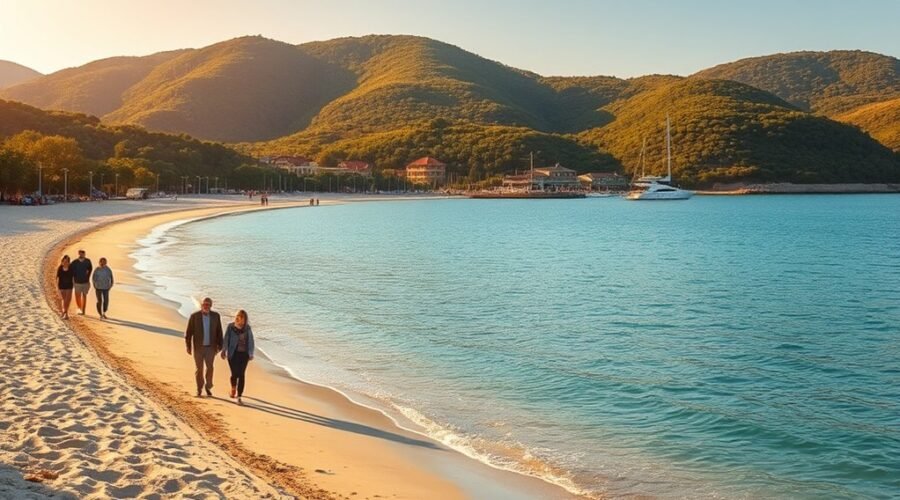
Planning a trip to Akçakoca on Turkey’s western Black Sea coast requires balancing sea conditions, forest hiking weather, seasonal crowds, and lodging rates. Late May through September is the prime window for warm weather, coastal swimming, and outdoor exploration, while July and August represent peak summer tourism with lively promenades and maximum water temperatures. Whether you are traveling from Istanbul or Ankara for a weekend getaway or planning a quiet coastal retreat, choosing the right month ensures you experience the best of Düzce province’s premier seaside town.
Quick Answer
The best time to visit Akçakoca is between June and September for beach activities, swimming in 22°C–25°C waters, and open-air dining. For hiking lush trails, avoiding summer crowds, and securing budget-friendly hotel rates, visit during the shoulder months of late May or late September to early October.
Key Takeaways
- Peak Beach Season (July–August): Highest air and sea temperatures, bustling nightlife, and lively festivals, accompanied by peak hotel rates and crowded beaches.
- Best Shoulder Months (June & September): Pleasant Black Sea waters, lower hotel rates, comfortable daytime warmth, and manageable crowds.
- Best for Hiking & Nature (May & October): Fresh foliage, waterfalls at peak flow, autumn colors, and crisp trail conditions around Aktaş Waterfall and Kurugöl Canyon.
- Low Season (November–April): Cold, rainy, and occasionally snowy; ideal for budget travelers and quiet retreats centered on seafood and coastal walks.
- Transit Fact: Akçakoca is reached via road (D-655 highway from Düzce / TEM O-4 corridor); there are no commercial passenger ferry routes.
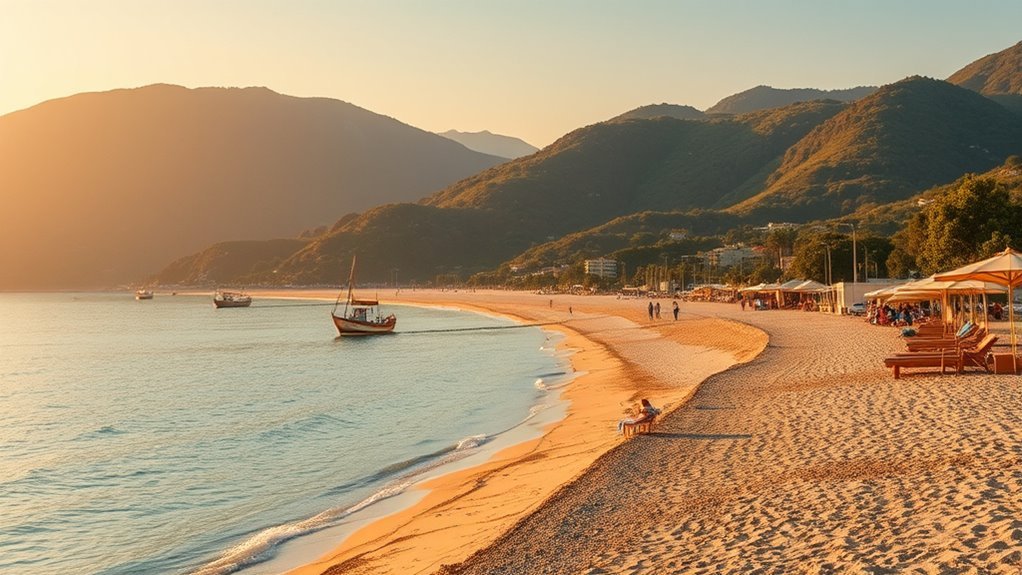
Akçakoca Weather by Season: Temperatures, Rain, and Sea Conditions
Akçakoca features a humid subtropical and oceanic Black Sea climate. Winters are cool and wet, summers are pleasantly warm and humid, and precipitation is distributed throughout the year, supporting the region’s dense hazelnut orchards and deciduous forests. Official climate data from the Turkish State Meteorological Service (MGM) outlines clear seasonal transitions.
| Season / Month | Avg High / Low (°C) | Avg Sea Temp (°C) | Rainfall Days | Best Activities |
|---|---|---|---|---|
| Spring (Mar–May) | 13°C / 6°C to 20°C / 12°C | 10°C – 16°C | 10–12 days/mo | Forest hiking, waterfall visits, culinary touring |
| Summer (Jun–Aug) | 24°C / 16°C to 28°C / 19°C | 22°C – 25°C | 5–7 days/mo | Swimming, water sports, beach clubs, evening promenades |
| Autumn (Sep–Nov) | 23°C / 15°C to 14°C / 8°C | 16°C – 23°C | 8–11 days/mo | Early autumn swimming, foliage walks, fresh seasonal fish |
| Winter (Dec–Feb) | 9°C / 3°C to 11°C / 4°C | 8°C – 10°C | 13–16 days/mo | Seafood dining, quiet coastal photography, historic walks |
Winter Temperatures & Rain
From December through February, daytime temperatures hover between 8°C and 11°C, with nighttime temperatures occasionally dropping to freezing during northern cold fronts. Heavy cloud cover and rain are frequent, with periodic light snowfall coating the coastline. While the sea is too cold and turbulent for swimming, winter offers quiet seaside cafes, local fish markets serving fresh Black Sea anchovy (hamsi), and peaceful walks around the historic Genoese Castle.
Spring Transition Conditions
Spring is a transitional season characterized by rapidly warming air and awakening greenery. Temperatures rise from around 13°C in late March to roughly 20°C by late May. April and May can bring sudden rain showers, but clear afternoons are ideal for visiting the roaring Aktaş Waterfall and exploring Fakıllı Cave. Pack waterproof layers and sturdy shoes to navigate damp forest trails.
Summer Sea And Winds
Summer brings long, sunny days with daytime highs averaging 26°C to 28°C, occasionally reaching 32°C during heatwaves. The Black Sea warms rapidly, reaching comfortable swimming temperatures by late June and peaking near 25°C in August. Afternoon coastal breezes provide relief from humidity, creating reliable conditions for windsurfing and sailing near the harbor.
Warning: The Black Sea is prone to sudden rip currents (known locally as çeken akıntı). Always swim at designated Blue Flag beaches—such as Çuhallı Beach and Kale Beach—where active lifeguard towers and safety flags operate during the summer season.
Crowd Levels by Month: Peak Days, Quiet Weeks, and Atmosphere
Because Akçakoca is situated roughly 2.5 to 3.5 hours by car from both Istanbul and Ankara, crowd dynamics follow a strong seasonal and weekly rhythm:
- Late June to August (Peak Season): Waterfront hotels, Çınar Avenue cafes, and beaches operate at peak capacity, especially from Friday afternoon through Sunday evening. The town hosts the annual International Akçakoca Tourism, Hazelnut, and Culture Festival in July, bringing live concerts and open-air markets.
- June & September (Shoulder Season): Weekdays are tranquil, while weekends bring moderate foot traffic. Seating at waterfront seafood restaurants is accessible without long queues.
- October to May (Low Season): Tourism drops dramatically. Most visitors are regional day-trippers visiting for weekend seafood lunches. You will have historical sights and beaches largely to yourself.
Seasonal Costs in Akçakoca: Hotels, Travel, and Food
Travel expenses in Akçakoca fluctuate noticeably based on seasonal demand:
- Accommodation: Boutique hotels, guesthouses, and beachfront resorts charge premium rates during July, August, and national holiday weekends (such as Eid holidays). Rates drop by 30% to 50% during the shoulder months (May, June, September, and October).
- Dining: Local lokantas (traditional eateries), bakeries, and street vendors serving hazelnut treats maintain stable year-round pricing. Waterfront seafood restaurants along the harbor adjust fish prices based on seasonal catch availability rather than tourist demand.
- Transportation: Intercity bus connections via Düzce and local dolmuş routes remain consistent and budget-friendly throughout the year.
Visiting in June or September provides the best balance of warm Black Sea swimming, open attractions, and shoulder-season hotel rates.
Best Months to Swim and Relax on Akçakoca Beaches
The primary beach window spans from mid-June to mid-September. Akçakoca is renowned for its dark, fine sandy beaches and several Blue Flag certified swimming spots.
- June: Water temperatures warm to approximately 21°C–22°C. Beaches are clean and quiet on weekdays, offering comfortable sunbathing without extreme heat.
- July & August: The Black Sea averages 24°C–25°C. Beach clubs along Çuhallı Beach and the picturesque cove below the Genoese Castle are fully active. Early arrivals are recommended on summer weekends to secure loungers and umbrellas.
- September: Water retains summer warmth (22°C–23°C) through the third week of the month, while daytime air temperatures cool to comfortable levels. Ideal for peaceful swimming and sunbathing.
- Early October: Suitable for bracing swims on calm, sunny days before autumn rains become frequent.
Pro Tip: For the most scenic swimming setting, head to Kale Beach (Ceneviz Kalesi Plajı), nestled right beside the historic Genoese fortress cliffs, offering clear water and natural coastal shade.
Best Months for Hiking and Forest Walks Around Akçakoca
The lush hinterland of Akçakoca rises quickly into the forested mountains of Düzce, filled with beech, chestnut, oak, and hazelnut groves.
Late Spring Trails (May to Early June)
Late spring is the best period for waterfall hikes. The snowmelt and spring rains feed local streams, making Aktaş Waterfall and the trails of Kurugöl Canyon exceptionally dramatic. Temperatures in the high teens (°C) ensure comfortable trekking, wildflowers are in full bloom, and the forest canopy is vibrant green.
Early Autumn Colors (Late September to Late October)
As the hazelnut harvest wraps up in September, the forest foliage transitions to shades of amber, copper, and gold. Daytime temperatures of 16°C–20°C provide crisp, non-humid conditions for trekking along coastal bluffs and visiting the underground limestone formations of Fakıllı Cave.
Choose Your Dates: Pick Akçakoca Travel Plans by Priority (Practical Tips)
Select your travel window based on your specific travel style:
- For Swimming & Vibrant Nightlife: Book between July 5 and August 25. Reserve hotels 3 to 4 weeks in advance for summer weekends.
- For Balanced Weather & Fewer Crowds: Choose June 10–30 or September 1–25 to enjoy warm waters, open venues, and quiet shores.
- For Nature, Photography & Hiking: Choose May (for active waterfalls) or October (for autumn foliage and quiet trails).
- For Budget Seafood & Quiet Escapes: Visit between November and March to sample fresh seasonal catch in quiet harbor restaurants.
Frequently Asked Questions
Are there any local festivals or events in Akçakoca worth timing a visit for?
Yes. The main annual event is the International Akçakoca Tourism, Hazelnut, and Culture Festival (Uluslararası Akçakoca Turizm, Fındık ve Kültür Festivali), typically hosted by the municipality in July. It features open-air concerts along the promenade, folkloric dance performances, sailing races, and local hazelnut culinary tastings.
Is Akçakoca safe for solo travelers and families at night?
Yes. Akçakoca is a safe, family-friendly coastal town. The central waterfront, Çınar Avenue (Çınar Caddesi), and the harbor area are well-lit, heavily pedestrianized, and active until late evening in the summer. Standard travel vigilance applies in quieter forest areas after dark.
What public transportation options connect Akçakoca to nearby cities?
Akçakoca is connected by road via the D-655 state highway to Düzce city center (approx. 35 km) and the coastal D-010 highway toward Karadeniz Ereğli and Zonguldak. Regular direct intercity coaches run from Istanbul (Harem and Esenler terminals) and Ankara to Akçakoca bus station during summer. Frequent minibuses (dolmuş) connect Düzce center and Akçakoca every 20–30 minutes year-round.
Are there family-friendly activities and facilities for young children?
Yes. The central promenade features public playgrounds, park green spaces, and flat seaside walking paths suitable for strollers. Çuhallı Beach offers shallow, sandy entry points, and local excursion boats offer short, calm sightseeing trips along the coastline during the summer months.
Can you take day trips to historical sites from Akçakoca?
Yes. The 13th-century Genoese Castle (Ceneviz Kalesi), listed on the UNESCO World Heritage Tentative List, is located just 3 km west of the town center. Other notable cultural day trips include the historic wooden houses of Yukarı Mahalle, the ancient ruins of Prusias ad Hypium (Konuralp) near Düzce, and the Cehennemağzı Caves in nearby Karadeniz Ereğli.
Conclusion
Akçakoca provides an accessible, authentic Black Sea coastal getaway with distinct seasonal experiences. For swimming, water sports, and vibrant cultural energy, plan your trip between late June and late August. For outdoor trekking, photography, lower hotel rates, and peaceful beach strolls, target the shoulder months of June, September, or October. By matching your dates to your travel priorities, you will experience the best of Düzce’s historic coastal gem.
Sources
- Turkish State Meteorological Service (MGM) — Official regional climate, precipitation, and sea temperature data for Düzce and the Western Black Sea.
- Republic of Türkiye Ministry of Culture and Tourism (Düzce Provincial Directorate) — Tourism records, cultural sites, and Genoese Castle heritage documentation.
- Akçakoca Municipality (Akçakoca Belediyesi) — Local event calendars, festival dates, and municipal beach infrastructure data.
- GoTürkiye Official Tourism Portal — Black Sea regional travel guides and safety guidelines.