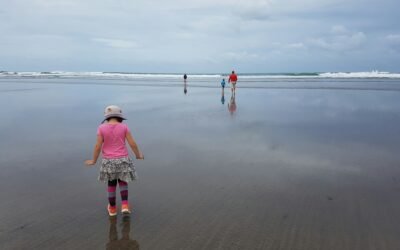
Planning a trip to Coles Bay, Tasmania? The best time depends on what matters most to you. March and April are excellent for comfortable walks and easing summer demand, while November gives you longer days before the busiest holiday period. Summer is the warmest and most popular season, while winter suits travellers who value quiet surroundings and potentially better accommodation value.
Quick Answer
For most travellers, the best time to visit Coles Bay is March to April or November. These months usually balance mild weather, manageable visitor numbers, and better value than the peak Christmas and summer-holiday period. Choose December to February for the warmest beach weather and winter for a quieter trip.
Key Takeaways
- Best overall balance: March, April, and November.
- Warmest beach weather: December through February, with the highest visitor demand.
- Best for hiking: Autumn and spring, when cooler conditions can make steep Freycinet walks more comfortable.
- Quietest period: Winter is generally calmer, although July school holidays can temporarily increase demand.
- Important: A valid Tasmanian parks pass is required to enter Freycinet National Park, and weather can change quickly in any season.
Best Time to Visit Coles Bay at a Glance
| Priority | Best Time | Why |
| Best overall | March–April, November | Mild conditions with less peak-season pressure. |
| Warmest weather | December–February | Longer days and the year’s warmest conditions. |
| Hiking | March–April, October–November | Usually more comfortable than the hottest summer days. |
| Lower seasonal demand | May–August | Generally quieter outside school holidays and long weekends. |
| Wildlife and whale spotting | Migration periods from roughly May–December | Migrating whales may pass Tasmania’s coast, but sightings are never guaranteed. |
Weather, Crowds and Costs by Season
Coles Bay sits beside Freycinet National Park on Tasmania’s East Coast. Conditions can change quickly, so you should treat seasonal averages as planning guides rather than forecasts. The Bureau of Meteorology’s long-running Bicheno station provides a useful nearby East Coast climate reference. Check the current Coles Bay forecast from the Bureau of Meteorology before outdoor activities.
Summer: December to February
Summer has the longest days, the warmest conditions, and the strongest holiday demand. It is the obvious choice if beaches and water activities are your main priority, but it is not necessarily the best choice for travellers who want quiet trails or lower accommodation prices.
Weather in Summer
At nearby Bicheno, the long-term mean maximum temperature is about 20.1°C in December and 21.5°C in January and February. Individual days can become considerably warmer, so pack for both sunshine and changing coastal conditions rather than assuming every day will be hot.
Even in summer, wind or a sudden shower can make exposed coastal areas feel cool. Bring sunscreen, a hat, water, and a light waterproof or windproof layer.
Crowds in Summer
Summer is the busiest period around Freycinet, especially from late December through the main Australian school-holiday period. Wineglass Bay Lookout, beaches, campgrounds, parking areas, accommodation, restaurants, and tours can all experience stronger demand.
If you are travelling during Christmas, New Year, January, or a long weekend, reserve important accommodation and activities as early as practical.
Costs in Summer
High seasonal demand commonly puts upward pressure on accommodation and rental-car prices. Exact rates change constantly, so compare live prices rather than relying on a fixed seasonal figure. Travelling on weekdays or outside the Christmas–January rush can help.
Autumn: March to May
Autumn is one of the strongest choices for travellers who want mild conditions without the heart of the summer holiday rush.
Weather in Autumn
Representative Bicheno mean maximum temperatures are about 20.6°C in March, 18.9°C in April, and 16.6°C in May. March can still feel pleasantly warm, while May is noticeably cooler.
The cooler temperatures can make longer walks more comfortable, but rain, wind, and sudden weather changes remain possible.
Crowds in Autumn
Visitor pressure generally eases after the main summer holiday period. March and much of April can feel more relaxed than January, although Easter and school-holiday dates can create a temporary spike in bookings and park use.
May is normally outside the main summer rush and can suit travellers who value peace more than warm beach conditions.
Costs in Autumn
Accommodation can offer better value once peak summer demand has eased, although Easter and other special dates may still command higher rates. Compare several dates if your schedule is flexible.
Winter: June to August
Winter brings cooler weather, shorter days, and a noticeably quieter atmosphere. It can be a rewarding time for coastal scenery and peaceful walks if you are properly equipped.
Weather in Winter
Nearby Bicheno’s long-term mean maximum temperatures are about 14.5°C in June, 14.1°C in July, and 14.8°C in August. Nights are colder, and exposed areas of Freycinet can feel significantly cooler when the wind increases.
Rain can make tracks wet or slippery, while poor weather can change hiking plans at short notice. Warm layers and a waterproof, wind-resistant outer layer are worth carrying.
Crowds in Winter
Winter is generally one of the quieter periods, but do not assume every winter weekend will be empty. Tasmania’s July school-holiday period and special events can still increase demand.
Costs in Winter
Lower seasonal demand can make winter a good time to search for accommodation deals. However, flight, car-rental, and room prices are dynamic, so check live rates for your exact dates before deciding that winter is automatically cheapest.
Spring: September to November
Spring is a transition season. Days gradually become longer and milder, but wind, rain, sunshine, and cooler spells can all occur.
Weather in Spring
Nearby Bicheno’s representative mean maximum temperatures are around 16.2°C in September, 17.4°C in October, and 18.4°C in November. Warmer individual days are possible, especially later in spring.
Spring wildflowers and greener landscapes can add colour to Freycinet, making this an attractive season for walkers and photographers.
Crowds in Spring
September can remain relatively quiet outside holiday dates. Visitor demand increases through October and November as conditions improve and summer approaches. Tasmania’s spring school holidays can also create a temporary rise in family travel.
Costs in Spring
September and parts of October may provide good value compared with the summer peak. Rates often rise as November and the Christmas holiday period approach.
If you’re comparing the timing of different trips, you can also read Best Time to Visit Sorgun, Yozgat: Weather, Crowds, and Costs.
Planning Around Specific Interests
The best month for you also depends on what you actually want to do once you reach Coles Bay.
For Hiking and Nature Lovers
Freycinet National Park has everything from short coastal walks to steep and demanding routes. Autumn and spring often provide a comfortable balance for hiking because conditions are cooler than on the warmest summer days.
Ideal Times for Hiking
Autumn (March–May): March and April are particularly attractive for longer walks. Temperatures are milder than midsummer and peak holiday crowds have usually eased, although Easter can be busy.
Spring (September–November): October and November can also work well for walking. Expect variable weather and check the forecast on the morning of your hike.
The official Tasmania Parks and Wildlife Service lists the Wineglass Bay Lookout as a 2.6 km return, Grade 3 walk taking around 1–1.5 hours. The route is steep in places and includes many steps.
If you continue down to Wineglass Bay Beach, the official Wineglass Bay walk is approximately 6 km return and 2.5–3.5 hours. The longer Wineglass Bay and Hazards Beach circuit is approximately 11 km and 4–5 hours and is rated Grade 4.
What to Consider in Summer and Winter
Summer: Longer daylight is useful, but warm conditions and sun exposure can make steep climbs harder. Start early on hot days, carry adequate water, and use sun protection.
Winter: Fewer people can make the park feel wonderfully peaceful, but cold, wind, rain, and slippery granite or gravel can make walks more demanding.
Warning: Freycinet has steep tracks, hazardous cliffs, and unpatrolled beaches. Check the weather and park alerts before setting out, choose a walk that suits your fitness and experience, stay behind lookout barriers, supervise children, and be prepared to turn back if conditions deteriorate.
Pro Tip: For Wineglass Bay Lookout in the warmer months, arriving earlier in the day can give you cooler walking conditions and more time to adjust your plans if the weather changes.
For Beach and Water Activities
If your idea of Coles Bay involves beaches, swimming, paddling, or relaxing beside the water, summer offers the warmest conditions and the longest days.
Best for Beach Weather
December to February is the most reliable seasonal choice for warmer beach weather. The water can still feel cool compared with tropical destinations, so comfort varies from person to person.
Other Options for Water Activities
November, March, and early April can produce pleasant beach days while avoiding part of the peak summer rush. Weather is less predictable, so keep alternative plans available.
Considerations for Winter
Winter beaches can be beautiful for walking and photography, but colder air and water make swimming less appealing for most visitors.
Note: Beaches in Freycinet National Park are unpatrolled. Swim conservatively, watch conditions carefully, and supervise children near the water.
For Budget Travellers
If keeping costs down matters most, avoid assuming that one month is always cheapest. Accommodation, flights, tours, and rental cars use dynamic pricing, and holiday weekends can change rates quickly.
Most Affordable Times
Winter: Lower seasonal demand can produce attractive accommodation rates, particularly outside school holidays and weekends.
Late autumn and early spring: May, September, and parts of October can provide a useful compromise between seasonal value and milder conditions.
When Prices Peak
Summer: Christmas, New Year, January school holidays, and other high-demand dates are the periods most likely to pressure accommodation availability and prices.
Remember to include national-park entry in your trip budget. A valid parks pass is required for Freycinet National Park. Check current options and fees on the Tasmania Parks and Wildlife Service park-pass page.
For Photography and Scenery Enthusiasts
Coles Bay and the Freycinet Peninsula are photogenic throughout the year. Your ideal season depends more on the mood you want than on finding a single perfect month.
Dramatic Light and Mood
Dawn and dusk: Lower-angle light can bring out the shapes of the Hazards, Great Oyster Bay, granite rocks, and coastal vegetation.
Winter and early spring: Changeable conditions can create dramatic cloud, changing light, and rougher coastal scenes. Protect your equipment from rain and sea spray.
Vivid Colours
Spring: Wildflowers and fresh vegetation can provide extra colour.
Autumn: Softer seasonal light can work well for landscape photography even though the area is not known for dramatic deciduous foliage.
Clear Views
Visibility depends more on the day’s weather than the season. Check the forecast before committing to a long climb for a viewpoint.
Also remember that Tasmania Parks and Wildlife Service states that drones are not permitted in Tasmanian national parks or reserves, so plan ground-based photography accordingly.
Getting There and Park Access
Tasmania Parks and Wildlife Service advises allowing roughly 2.5 to 3 hours by road to reach Freycinet National Park from either Hobart or Launceston, depending on your route and conditions. The main park entrance is reached by continuing through Coles Bay township.
- Parks pass: A valid Tasmanian parks pass is required to enter Freycinet National Park.
- Visitor centre: The Freycinet Visitor Centre is located near the main entrance and provides current park information.
- Weather: Check the Bureau of Meteorology forecast shortly before hiking.
- Park alerts: Check Tasmania Parks and Wildlife Service alerts for closures, restrictions, or other changes.
- Water: Drinking water is limited in the park. Parks and Wildlife Service identifies refill points at the visitor centre, Honeymoon Bay, and the Wineglass Bay Walking Tracks Car Park, but you should carry enough for your activity.
- Fire: Freycinet is a Fuel Stove Only Area. Fires are prohibited, and additional restrictions apply on Total Fire Ban days.
Navigating Accommodation and Booking
Where you stay and how early you book can have a major effect on both your budget and your experience.
Types of Accommodation
Coles Bay and the surrounding Freycinet area offer several types of accommodation:
- Hotels and resorts: Freycinet Lodge is the only accommodation located inside Freycinet National Park and offers rooms, cabins, and pavilions.
- Holiday parks: Cabins and powered or unpowered sites can suit a range of budgets.
- Holiday homes and apartments: These can work well for families and groups that want self-catering facilities.
- Camping: Several camping options exist, but booking systems differ by campground.
Camping Rules and Peak-Season Bookings
Do not assume all Freycinet campsites use the same booking system.
- Richardsons Beach, Honeymoon Bay, and Ranger Creek: Tasmania Parks and Wildlife Service operates a ballot for camping during the peak period from 18 December to 10 February and at Easter. Outside the ballot period, sites can be booked through the visitor centre, subject to availability.
- Friendly Beaches at Isaacs Point: Basic camping is generally first-in, first-served, with no advance booking required.
- Overnight walker campsites: Small campsites at Wineglass Bay, Hazards Beach, and Cooks Beach have their own conditions and currently do not require campsite bookings.
Always verify the latest camping arrangements on the official Freycinet National Park page before travelling because rules and availability can change.
Booking Strategies
- Book early for high-demand dates: Christmas, January, Easter, school holidays, and long weekends can fill quickly.
- Consider weekdays: Midweek stays can provide more availability and sometimes better pricing than weekends.
- Compare nearby dates: A shift of one or two days can make a meaningful difference when demand is high.
- Check multiple platforms: Compare accommodation-booking sites with direct-property rates and conditions.
- Read cancellation conditions: Tasmania’s changeable weather can affect outdoor plans, so flexible booking terms can be valuable.
Essential Packing Considerations
Tasmania’s weather can change quickly, and exposed sections of Freycinet can feel very different from sheltered areas. Packing layers is useful in every season.
Layering Is Key
- Base layer: Lightweight synthetic or merino clothing can help manage temperature during walks.
- Mid-layer: A fleece, jumper, or insulated layer is useful in cool weather.
- Outer layer: Carry a wind-resistant and waterproof jacket when the forecast is uncertain.
Footwear
- Sturdy walking shoes: Recommended for Freycinet’s granite, gravel, steps, and steeper tracks.
- Water-resistant footwear: Useful if rain or muddy conditions are expected.
- Sandals or thongs: Fine for relaxing around accommodation or suitable beach areas, but not for steep bushwalking tracks.
Other Essentials
- Sun protection: Pack sunscreen, sunglasses, and a hat.
- Insect repellent: Useful in warmer weather and around sheltered or damp areas.
- Reusable water bottle: Carry sufficient drinking water for your walk.
- Camera: Useful for landscapes and wildlife without relying on a drone.
- Binoculars: Helpful for birdlife and distant marine wildlife.
- Daypack: Carry water, snacks, rain protection, and extra layers.
If you’re researching other destinations through the same weather-crowds-costs lens, you can also read the guide to the best time to visit Mardin, Turkey.
Special Events and Considerations
The month you choose matters, but school holidays, public holidays, Easter, and individual weather systems can sometimes have a bigger effect on your trip than the season itself.
Month-by-Month Coles Bay Planning Guide
The temperatures below use long-term mean maximum temperatures from the Bureau of Meteorology’s Bicheno station as a nearby East Coast reference. They are not a day-by-day forecast for Coles Bay.
| Month | Representative Mean Max | Typical Feel | Visitor Demand | Price Pressure |
|---|---|---|---|---|
| January | 21.5°C | Mild to warm | High | High |
| February | 21.5°C | Mild to warm | High to medium | High to medium |
| March | 20.6°C | Mild | Medium | Medium |
| April | 18.9°C | Mild to cool | Medium; higher around Easter | Medium; can rise around Easter |
| May | 16.6°C | Cool | Lower | Lower |
| June | 14.5°C | Cool | Lower | Lower |
| July | 14.1°C | Cool | Low to medium during school holidays | Low to medium |
| August | 14.8°C | Cool | Lower | Lower |
| September | 16.2°C | Cool and changeable | Low to medium | Low to medium |
| October | 17.4°C | Mild and changeable | Medium; school holidays matter | Medium |
| November | 18.4°C | Mild | Medium and rising | Medium and rising |
| December | 20.1°C | Mild to warm | High late in month | High late in month |
Local Festivals and Events
Coles Bay itself does not depend on one major festival season, but events elsewhere on Tasmania’s East Coast can affect accommodation and traffic. Check regional event calendars close to your trip rather than planning around historical event dates that may change from year to year.
Public Holidays and School Holidays
- School holidays: Tasmania’s dates change by year. In 2026, major term breaks included 18 April–3 May, 11–26 July, and 3–18 October, with the summer break beginning after 18 December. Check the official Tasmania school term and holiday calendar for your travel year.
- Public holidays: Easter, King’s Birthday, Christmas, New Year, and other statewide or regional holidays can increase demand. Check the current Tasmanian public-holiday calendar before booking.
Wildlife Watching
- Birds and coastal wildlife: Wildlife-viewing opportunities exist throughout the year, but sightings are never guaranteed. Observe animals from a respectful distance and never feed wildlife.
- Whales: Migrating humpback and southern right whales may be seen around Tasmania during migration periods broadly extending from about May into December. Sightings around Coles Bay vary, so treat any whale encounter as a bonus rather than an expectation.
Making Your Final Decision
If you are still deciding when to go, match your dates to your main priority:
- For the warmest weather and a lively atmosphere: Choose December to February, but expect stronger demand and book important accommodation early.
- For the best overall balance: March, April, and November are excellent starting points for mild conditions without the heart of the Christmas–January rush.
- For comfortable hiking: Look at March–April or October–November, then check the actual forecast before setting out.
- For a quieter trip and possible accommodation savings: Consider May through August, while remembering that July school holidays can temporarily increase demand.
- For photography: Any season can work; choose spring for fresh vegetation, winter for moody coastal weather, or the warmer months for longer days.
There is no single perfect month for Coles Bay. The most reliable approach is to pick the season that matches your activities, avoid major holiday periods if crowds and prices concern you, and check both the weather forecast and Freycinet park alerts immediately before your visit.
Frequently Asked Questions
What is the best overall time to visit Coles Bay, Tasmania?
March, April, and November are strong choices for most travellers because they generally provide mild weather without the strongest Christmas and January holiday demand. Easter and school-holiday dates can still be busy.
When is the warmest weather in Coles Bay?
December through February is the warmest season. Nearby Bicheno’s long-term mean maximum is about 20.1°C in December and 21.5°C in January and February, although individual days can be considerably warmer or cooler.
When is Coles Bay busiest?
The busiest period is generally summer, particularly around Christmas, New Year, January school holidays, Easter, and other holiday weekends. Accommodation, parking, campgrounds, and popular walks can all experience stronger demand.
When should I visit Coles Bay for fewer crowds?
Late autumn and winter are generally quieter, while September can also be relatively peaceful outside school holidays. March, April, and November are useful compromises if you want milder conditions without the heart of the summer peak.
How can I save money on a Coles Bay trip?
Compare several travel dates, look at weekdays, avoid major holiday periods, and check accommodation directly as well as through booking platforms. Winter and shoulder-season dates may offer better value, but live prices for rooms, flights, and rental cars should always be compared.
Do I need a parks pass for Wineglass Bay?
Yes. Wineglass Bay is in Freycinet National Park, and a valid Tasmanian parks pass is required for entry. Check the Tasmania Parks and Wildlife Service website for current pass options and fees.
How long does the Wineglass Bay Lookout walk take?
Tasmania Parks and Wildlife Service rates the Wineglass Bay Lookout as a Grade 3, 2.6 km return walk taking about 1–1.5 hours. The route is steep in places and includes many steps, so allow more time if your group needs regular rests.
Sources
- Bureau of Meteorology — Bicheno Climate Statistics — representative long-term East Coast monthly temperatures.
- Bureau of Meteorology — Coles Bay Forecast — current weather forecasts and warnings.
- Tasmania Parks and Wildlife Service — Freycinet National Park — park access, facilities, water, safety, and visitor information.
- Tasmania Parks and Wildlife Service — Wineglass Bay Lookout — official distance, walking time, grade, and safety information.
- Tasmania Parks and Wildlife Service — Freycinet Camping — campground facilities, summer ballot, and booking information.
- Tasmanian Department for Education, Children and Young People — School Terms and Holidays — current school-holiday dates.