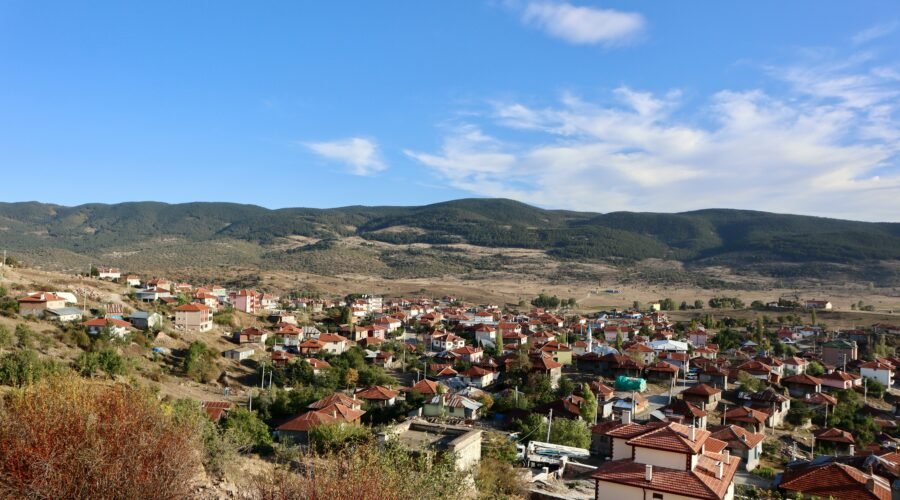
Sorgun, Yozgat, a less-trodden gem, truly shines brightest during the late spring (May-June) and early autumn (September-October). These periods offer the sweet spot of pleasant weather, manageable crowds, and generally reasonable costs, making your visit enjoyable without the extremes.
Sorgun, nestled in Turkey’s Central Anatolian region, experiences a continental climate. This means distinct seasons, with hot, dry summers and cold, snowy winters. Knowing what to expect weather-wise is key to planning your trip.
Spring: The Awakening (April – June)
Spring in Sorgun is a beautiful transition. As the snow melts away, the landscape bursts into life with wildflowers and lush greenery.
April: A Gentle Start
April can still be a bit unpredictable. Early April might see the last vestiges of winter chill, especially in the evenings. Average daytime temperatures range from 10-15°C (50-59°F), while nights can still dip close to freezing. There’s a moderate chance of rain, so an umbrella or light waterproof jacket is a good idea. While the budding trees and emerging flowers are scenic, some higher elevation areas might still be a bit barren. It’s not the best time if you’re seeking full bloom, but it offers a quiet, unhurried experience for those who appreciate the subtle awakening of nature.
May: The Sweet Spot
May is arguably one of the best months to visit. The weather becomes consistently pleasant, with average daytime temperatures ranging from 18-24°C (64-75°F). Nights are cool but comfortable, usually around 8-12°C (46-54°F). Rainfall significantly decreases, and the landscape is at its most vibrant. Fields are green, wildflowers are in full bloom, and the air is fresh. It’s ideal for outdoor activities like hiking and exploring the ancient sites without being too hot or too cold.
June: Early Summer Warmth
June ushers in warmer weather, but it’s not yet the intense heat of mid-summer. Daytime temperatures typically hover around 25-30°C (77-86°F), with comfortable evenings around 15-18°C (59-64°F). Rainfall is minimal. This is a great time if you enjoy warm weather and still want to comfortably explore. However, as the month progresses, you’ll start to feel the approaching summer heat, especially in the afternoon.
Summer: Hot and Dry (July – August)
Summer in Sorgun is characterized by intense heat and very little rain. While it offers long daylight hours, the temperatures can be challenging for some travelers.
July: Peak Heat
July is generally the hottest month, with average daytime temperatures often soaring above 30°C (86°F) and sometimes even reaching 35°C (95°F) or higher. Nights offer little relief, often staying above 20°C (68°F). The landscape starts to dry out, turning golden brown. While the long daylight hours are good for fitting in activities, it’s crucial to stay hydrated and plan outdoor excursions for early mornings or late afternoons. Midday exploration can be quite uncomfortable.
August: Continued Warmth
August mirrors July in its heat, though perhaps with a slight, almost imperceptible, easing towards the end of the month. Average temperatures remain high, in the 30-34°C (86-93°F) range. This is the driest period, and the surrounding nature can appear quite parched. If you choose to visit in August, prioritize indoor activities, or embrace the heat by finding shaded spots and enjoying the local hospitality indoors. Many locals also take their summer holidays during this period, so some smaller businesses might have adjusted hours.
Autumn: Golden Hues and Crisp Air (September – November)
Autumn brings a welcome change, with cooler temperatures and beautiful foliage, making it another prime time for a visit.
September: Indian Summer
September is another sweet spot, offering a pleasant continuation of summer’s warmth without its intensity. Daytime temperatures average 20-26°C (68-79°F), and evenings become refreshingly cool, around 10-14°C (50-57°F). Rainfall remains low. The landscape starts to show hints of autumn colors, and the air is crisp and clear. It’s excellent for outdoor exploration and enjoying the local produce as harvests begin.
October: Rich Colors
October showcases Sorgun in its autumnal glory. The trees turn vibrant shades of red, orange, and gold, offering stunning photo opportunities. Daytime temperatures average a comfortable 15-20°C (59-68°F), though evenings can get quite chilly, often dipping below 10°C (50°F). There’s an increased chance of rain towards the end of the month, but generally, it’s still very pleasant for sightseeing. Layering your clothing is essential for this month.
November: Approaching Winter
November sees a significant drop in temperatures. Daytime averages are around 8-14°C (46-57°F), and nights can get close to freezing. Rainfall becomes more frequent, and there’s a possibility of early snowfall, especially towards the end of the month. While the last of the autumn colors can still be seen, the landscape starts to feel distinctly wintery. This is a quieter time, suitable for those who don’t mind the chill and prefer an introspective trip.
Winter: Cold and Snowy (December – March)
Winter in Sorgun is cold, often snowy, and can be quite beautiful if you’re prepared for the conditions.
December: Festive Chill
December brings proper winter weather. Daytime temperatures typically hover around 0-5°C (32-41°F), and nights are consistently below freezing. Snowfall is common, transforming the landscape into a picturesque winter wonderland. While many outdoor activities are limited, the festive atmosphere around New Year’s can be charming. It’s a great time for cozy indoor experiences and enjoying hearty local cuisine.
January: Deep Winter
January is usually the coldest month, with daytime temperatures often staying below freezing. Heavy snowfall is possible, and roads can sometimes be affected, especially in more rural areas. Average temperatures range from -5 to 2°C (23-36°F). This is a time for winter sports enthusiasts, if any facilities are available nearby, or simply for enjoying the serene, snow-covered scenery from a warm spot.
February: Gradual Thaw
February remains cold, though there’s a subtle hint of spring approaching towards the end of the month. Temperatures are similar to January, perhaps a degree or two warmer. Snow still covers the ground, but sunnier days might bring slight melting. It’s a quiet month, best for those seeking solitude and a true winter experience.
March: Lingering Winter
March is a transition month. Early March still feels very much like winter, with cold temperatures and a possibility of snow. As the month progresses, temperatures gradually rise, reaching 5-10°C (41-50°F) by the end of the month. The snow begins to melt, and the first signs of spring might emerge. It can be wet and muddy as the ground thaws. It’s not the most scenic month, but it offers budget-friendly travel opportunities.
Decoding the Crowds: When Sorgun Gets Busy (and When It Doesn’t)
Sorgun isn’t a major international tourist hub, meaning it generally experiences fewer overwhelming crowds compared to, say, coastal resorts. However, it does have its peaks, largely influenced by Turkish domestic tourism.
High Season (Late July – August, Mid-September, Public Holidays)
The absolute busiest time is during late July and August. This aligns with general summer holidays for families in Turkey, and many people from larger cities visit their hometowns or relatives in places like Sorgun. While you won’t find masses of international tourists, local attractions, parks, and restaurants might be busier than usual.
Another short, intense peak can occur during Eid al-Fitr (Şeker Bayramı) and Eid al-Adha (Kurban Bayramı). These major religious holidays, which shift annually based on the Islamic calendar, see significant domestic travel. If your visit coincides with these, expect higher demand for accommodation and transportation, and many local businesses might be closed for a day or two.
Mid-September can also see a slight uptick, particularly on weekends, as people take advantage of the last pleasant weather before autumn fully sets in, leading to some local festivals or harvest-related events.
Shoulder Season (May – June, September – October, excluding holidays)
This is generally the sweet spot for avoiding crowds. May and early June offer pleasant weather before the summer rush. You’ll encounter locals going about their daily lives, but tourist-focused sites will be relatively quiet. The same applies to September and October (outside of any major holidays). The flow of visitors is steady but not overwhelming. You’ll have more space to breathe, better chances for spontaneous bookings, and more authentic interactions.
Low Season (November – April, excluding New Year and winter holidays)
The low season is truly quiet. November through April (except for perhaps the week leading up to New Year’s Eve if locals are celebrating) sees the fewest visitors. Winters can be cold and snowy, which naturally deters many. If you’re seeking solitude, a serene atmosphere, and don’t mind the chill, this is your time. You’ll often have historical sites to yourself and experience Sorgun at its most authentic and unhurried.
Navigating Costs: Finding Value in Sorgun
Sorgun, compared to major Turkish cities or popular coastal areas, is generally quite affordable. Your biggest variables will be accommodation, transportation, and personal spending habits.
Accommodation: From Budget to Boutique
Peak Season (July – August, Public Holidays)
During peak summer months and major holidays, demand for accommodation increases, and so do prices. Expect to pay anywhere from 10-30% more for hotels, guesthouses, or rental apartments. Availability can also be limited, especially for preferred options, so booking well in advance is advisable. A standard mid-range hotel might go from ₺700-1000 TL per night (approx. $25-35 USD) to ₺900-1300 TL per night (approx. $30-45 USD) or more. For context, 1 USD is roughly 30 TL as of early 2024, but currency exchange rates are volatile.
Shoulder Season (May – June, September – October)
This is generally the best time for value. You’ll find a good balance of reasonable prices and good availability. Hotels often offer their standard rates, without the surge of peak season or the deep discounts of low season. A comfortable stay in a mid-range hotel could cost around ₺600-900 TL (approx. $20-30 USD) per night. Guesthouses or pansiyons can be even more affordable.
Low Season (November – April)
During the quiet winter months, many establishments might offer heavily discounted rates to attract the few visitors. You might find excellent deals, sometimes as low as ₺400-700 TL (approx. $13-23 USD) per night for a decent place. However, some smaller, seasonal guesthouses might be closed entirely, so options could be more limited despite lower demand.
Transportation: Getting Around Sorgun and Beyond
Inter-city Travel
The cost of reaching Sorgun largely depends on your starting point. Buses are the most common and economical way to travel across Turkey. A bus ticket from Ankara to Sorgun (a few hours journey) might cost around ₺200-300 TL (approx. $7-10 USD). From Istanbul, it would be significantly more, possibly ₺500-700 TL (approx. $17-23 USD) due to the longer distance. Prices remain fairly consistent year-round, with only slight increases during major holidays due to higher demand.
Local Transportation
Within Sorgun, local dolmuş (shared minibuses) are very inexpensive, typically costing just a few lira per ride. Taxis are available but will be more expensive. Renting a car offers the most flexibility, especially for exploring the wider Yozgat province. Rental car prices generally don’t fluctuate wildly by season, but they can be slightly higher in summer due to increased demand. Expect to pay around ₺700-1200 TL (approx. $23-40 USD) per day for an economy car, excluding fuel. Fuel prices in Turkey are relatively high.
Food and Activities: Everyday Expenses
Eating Out
Sorgun offers excellent value for food. You can enjoy a hearty, delicious meal at a local lokanta (eatery) for anywhere from ₺150-300 TL (approx. $5-10 USD) per person, including a drink. Fine dining options are limited but would be proportionally more expensive. Street food like simit (sesame bread) or börek (pastry) are very cheap, often costing only ₺20-50 TL (approx. $0.70 -$1.70 USD). Food prices remain quite stable throughout the year, with minor fluctuations due to inflation rather than seasonality.
Attractions and Activities
Many natural attractions and smaller historical sites in the Yozgat region have either free entry or a very nominal fee. Larger museums or archaeological sites (though fewer directly in Sorgun itself) might charge a modest entrance fee, typically ranging from ₺50-150 TL (approx. $1.70-5 USD). Guided tours, if available, would be an additional cost, but independent exploration is very feasible. These prices also remain consistent regardless of the season.
Overall Cost Summary
- Peak Season (Summer & Holidays): Budget $70-120+ USD per day for accommodation, food, and basic activities.
- Shoulder Season (May-June, Sep-Oct): Budget $50-90 USD per day. This is where you get the most bang for your buck.
- Low Season (Winter): Budget $35-70 USD per day, especially if you find good accommodation deals.
These are rough estimates and can vary significantly based on your travel style. Self-catering, using local buses, and focusing on free activities will naturally lower your expenses.
Planning Your Sorgun Itinerary: Activities by Season
Sorgun’s charm lies in its blend of natural beauty, historical remnants, and authentic Anatolian life. The best activities often align with the weather.
Spring & Early Autumn: Ideal for Exploration
These are the prime times for virtually all types of exploration.
Hiking and Nature Walks
The mild weather and vibrant landscapes of May-June and September-October are perfect for hiking. Explore the lush areas around the Çekerek River, or venture into the nearby forested hills (such as the Çamlık National Park, though that’s in Yozgat city, it’s a good day trip from Sorgun). The air is fresh, and the ground is not too muddy or too dry.
Visiting Historical Sites
Explore the ancient Roman bath remains of Sarikaya (slightly outside Sorgun, but a must-see in the region) without the scorching summer sun or winter’s chill. These periods also offer comfortable conditions for visiting the nearby Kerkenes Archeological Site, an ancient Hittite city, although the site itself is quite vast and requires a good deal of walking in the open.
Enjoying Local Markets and Festivals
The shoulder seasons often coincide with local harvest festivals or community events. Keep an eye out for announcements of traditional celebrations, where you can sample local produce and experience Turkish culture. The markets are bustling with fresh spring vegetables or autumn fruits.
Summer: Embracing the Warmth
While hot, summer still offers opportunities for enjoyment, prioritizing indoor or early/late outdoor activities.
Riverside Picnics and Relaxation
Find a shaded spot along the Çekerek River or at a local park. Pack a picnic with fresh regional produce. The long evenings are pleasant for sitting outdoors.
Traditional Turkish Baths (Hamam)
A visit to a traditional Turkish bath can be a refreshing experience, especially on a hot day. It’s a way to cool down and relax indoors.
Exploring Local Cafes and Restaurants
Seek refuge from the midday sun in air-conditioned cafes or traditional restaurants. Enjoy extended meals and conversations, savoring the local cuisine. Many establishments have outdoor seating that becomes comfortable in the evenings.
Winter: A Serene Escape
Winter offers a distinctly different, often more introspective, experience.
Cozy Cafes and Tea Houses
Spend time in local cafes, sipping hot Turkish tea or sahlep (a warm, milky drink with cinnamon). Engage with locals, play backgammon (tavla), and enjoy the warmth of a traditional stove.
Culinary Exploration
Winter is a fantastic time for hearty, comforting Turkish dishes. Think of slow-cooked stews (güveç), warming soups (çorba), and freshly baked bread. Many local restaurants will be serving seasonal specialties.
Photography of Snowy Landscapes
If you appreciate serene, snow-covered vistas, winter in Sorgun can be incredibly picturesque. The quiet blanket of snow transforms the landscape, offering unique photographic opportunities.
Indoor Historical Sites (if applicable)
While many historical sites are outdoors, if there are any small local museums or covered archaeological fragments, these would be comfortable to explore during the colder months. Always check opening hours as some smaller sites might adjust operations in winter.
Practical Tips for Your Sorgun Visit: Making Your Trip Smooth
| Month | Weather | Crowds | Costs |
|---|---|---|---|
| January | Cold, snow | Low | Low |
| April | Mild, occasional rain | Medium | Medium |
| July | Hot, sunny | High | High |
| October | Cool, occasional rain | Low | Low |
A little preparation goes a long way, especially when visiting a less touristy area.
Currency and Cash
While credit cards are accepted in larger stores and hotels, many smaller businesses, local markets, and dolmuş (shared taxis) operate on a cash-only basis. It’s always wise to carry a good amount of Turkish Lira (TL). There are ATMs available in Sorgun center, but they might be less frequent in smaller surrounding villages.
Language Barrier
Turkish is the primary language. While you might find some English speakers in hotels, major shops, or among younger generations, it’s not widely spoken. Learning a few basic Turkish phrases like “Merhaba” (Hello), “Teşekkür ederim” (Thank you), “Lütfen” (Please), “Evet” (Yes), “Hayır” (No), and numbers can significantly enhance your interactions and show respect for the local culture. Google Translate or similar apps can be invaluable.
Respecting Local Customs
Sorgun is a relatively conservative town in Central Anatolia. When visiting mosques or religious sites, women should cover their heads, and both men and women should dress modestly (shoulders and knees covered). Public displays of affection are generally frowned upon. Be mindful of prayer times, especially if exploring central areas; some shops might temporarily close.
Transportation within Sorgun
As mentioned, dolmuş (shared minibuses) are the main form of local public transport and are very affordable. You simply wave them down, tell the driver where you’re going, and pay the small fare. For longer distances or specific itineraries, taxis are available, but agree on a price beforehand or ensure the meter is used. Renting a car is recommended if you plan extensive exploration of the surrounding Yozgat province.
Accommodation Reservations
Especially during peak season (July, August, and major public holidays), it’s highly advisable to book your accommodation in advance. While Sorgun isn’t overrun with tourists, local demand can still fill up the limited options. Even in shoulder seasons, booking a few weeks ahead ensures you get your preferred choice.
Sun Protection and Hydration (Especially in Summer)
If visiting during the summer months, the sun is intense. Bring sunscreen, a wide-brimmed hat, and sunglasses. Always carry a water bottle and stay hydrated, especially if you’re out exploring ruins or hiking. Even in spring and autumn, the sun can be strong.
Emergency Numbers
It’s always good to have emergency numbers handy:
- Police: 155
- Gendarmerie (rural police): 156
- Ambulance: 112
- Fire: 110
While Sorgun is a safe place, knowing these numbers offers peace of mind.
By considering these practical points, you’ll be well-prepared for a rewarding and authentic visit to Sorgun, Yozgat, regardless of the season you choose.
FAQs
1. What is the best time to visit Sorgun, Yozgat in terms of weather?
The best time to visit Sorgun, Yozgat is during the spring and autumn months, specifically from April to June and September to October. During these times, the weather is mild and pleasant, making it ideal for outdoor activities and sightseeing.
2. When is the peak tourist season in Sorgun, Yozgat?
The peak tourist season in Sorgun, Yozgat is during the summer months, from July to August. During this time, the town experiences an influx of tourists, resulting in crowded attractions and higher accommodation costs.
3. What is the off-peak season in Sorgun, Yozgat?
The off-peak season in Sorgun, Yozgat is during the winter months, from November to February. During this time, the town experiences fewer tourists, lower accommodation costs, and cooler temperatures.
4. What are the average costs of visiting Sorgun, Yozgat?
The average costs of visiting Sorgun, Yozgat can vary depending on the season. During the peak tourist season, accommodation costs may be higher, while off-peak seasons may offer more affordable options. Additionally, costs for activities and dining can also fluctuate based on the time of year.
5. Are there any annual events or festivals in Sorgun, Yozgat that visitors should consider when planning their trip?
Sorgun, Yozgat hosts various annual events and festivals throughout the year, including cultural celebrations, music festivals, and local fairs. Visitors should consider these events when planning their trip to experience the town’s unique traditions and vibrant atmosphere.