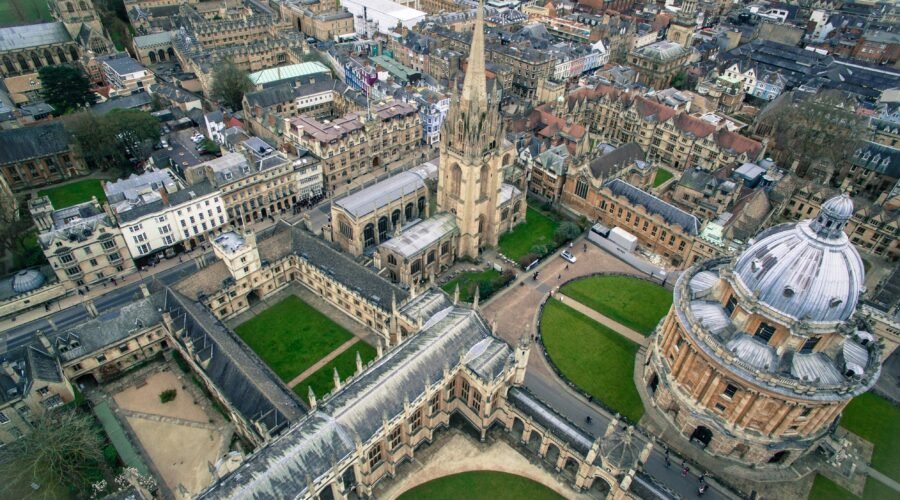
Choosing the best time to visit Oxford comes down to what matters most to you: mild weather, quieter streets, lower accommodation demand, university atmosphere, or seasonal events. For the strongest overall balance, late spring and early autumn are hard to beat, while summer suits travellers who value warmth and long daylight more than low crowds.
Quick Answer
The best time to visit Oxford is usually late May to early June or September to early October. These periods combine mild weather, useful daylight, and generally less intense visitor pressure than peak midsummer. July and August are warmest and busiest; January and February are quieter but colder and darker.
Key Takeaways
- Best overall balance: Late May to early June and September to early October.
- Warmest weather: July, when Oxford’s 1991–2020 average high is about 23.1°C (73.5°F).
- Quieter experience: January and February are often calmer for leisure visitors, although individual events can still create busy dates.
- Best for university atmosphere: Visit during Full Term, but check individual college opening hours because access can change for exams, ceremonies, and private events.
- Do not assume summer is dry: Oxford receives rain throughout the year, so a light waterproof layer is useful in every season.
1. Spring (March–May): Flowers, Longer Days and Rising Visitor Numbers
Spring is one of Oxford’s most attractive seasons. College gardens and parks come back to life, daylight increases quickly, and outdoor activities become more comfortable. The trade-off is that visitor demand generally rises as Easter, May bank holidays, university events, and warmer weekends approach.
1.1 Weather in Spring
The Met Office’s Oxford 1991–2020 climate normals give a more useful picture than a single-year forecast:
- March: Average high about 11.3°C (52.3°F) and average low about 3.6°C (38.6°F). Frost is still possible, but daylight and sunshine increase quickly.
- April: Average high about 14.4°C (57.9°F) and average low about 5.3°C (41.5°F). April is relatively dry by Oxford standards, although showers can occur at any time.
- May: Average high about 17.7°C (63.8°F) and average low about 8.2°C (46.7°F). This is one of the strongest months for gardens, walking, and outdoor sightseeing.
Note: Climate averages describe typical conditions over many years, not the forecast for your exact trip. Check the short-range forecast shortly before travelling.
1.2 Crowds in Spring
- March: Often calmer than late spring, except around major events such as the Oxford Literary Festival.
- April: Easter holidays, school breaks, and good-weather weekends can increase demand around central attractions.
- May: May Morning, bank-holiday weekends, college events, exams, and the start of the busiest sightseeing period can all affect visitor numbers.
1.3 Costs in Spring
There is no fixed Oxford-wide monthly hotel price, and rates change with weekends, conferences, ceremonies, festivals, and how early you book. March can offer better availability than late spring, while popular April and May weekends may cost more. Compare your exact dates rather than assuming every spring weekday or weekend is priced the same.
1.4 Why Spring Might Be Right for You
If you want blooming gardens, increasingly comfortable temperatures, and enough daylight for a full sightseeing day, late April through May is a strong choice. Early March can feel quieter but also much cooler.
Your accommodation choice can also affect the experience. Staying within walking distance of central Oxford can be convenient during busy event weekends, while properties farther from the centre may offer different rates. Compare lodging for your exact dates rather than relying on a single seasonal price rule.
Pro Tip: If May Morning is not the reason for your trip, avoid central Oxford around dawn on May 1. Oxford City Council reported about 18,500 attendees in 2026, and road closures affect the area around High Street and Magdalen Bridge.
2. Summer (June–August): Warm Weather, Long Days and Peak Visitor Demand
Summer gives you Oxford’s warmest average temperatures and longest useful sightseeing days. It is excellent for punting, parks, walking tours, and outdoor dining, but it is also the period when you should be most prepared for busy central streets and strong demand for accommodation and popular attractions.
2.1 Weather in Summer
- June: Average high about 20.7°C (69.3°F) and low about 11.1°C (52.1°F). Long daylight makes it especially easy to fit several attractions into one day.
- July: The warmest month in the Met Office’s 1991–2020 Oxford normals, with an average high around 23.1°C (73.5°F) and low around 13.1°C (55.6°F).
- August: Average high about 22.5°C (72.5°F) and low around 13.0°C (55.4°F). Warm spells are possible, but so are cloudy or wet periods.
Rain remains possible throughout summer. Met Office normals show roughly 49.7 mm of rainfall in June, 52.5 mm in July, and 61.7 mm in August, so it is inaccurate to treat summer as guaranteed dry weather.
2.2 Crowds in Summer
- June: Visitor demand is already high, while university exams, ceremonies, and end-of-term activity can affect access to individual buildings.
- July: Typically one of the busiest periods for leisure tourism, particularly on weekends and during school holidays.
- August: Remains popular with domestic and international visitors even though the University’s main teaching term is over.
Rather than assuming every attraction requires advance booking, identify the specific ticketed sites and tours you most want to see and reserve those when your travel date falls on a busy summer weekend.
2.3 Costs in Summer
Strong visitor demand can push accommodation rates upward, especially on weekends and event dates. Transport prices depend heavily on where you are travelling from and when you book, so there is no reliable rule that every flight, train, restaurant, or hotel reaches its annual maximum in July.
2.4 Why Summer Might Be Right for You
Summer works well if your priorities are warm weather, long evenings, punting, parks, and outdoor sightseeing. It is less suitable if you strongly dislike crowds or need the lowest possible accommodation rate.
3. Autumn (September–November): Mild Early Weather and Autumn Colour

Early autumn rivals late spring as one of the best times to visit Oxford. September can still feel pleasantly mild, October brings stronger autumn colour, and November is much cooler and darker.
3.1 Weather in Autumn
- September: Average high about 19.4°C (67.0°F) and low about 10.7°C (51.2°F). It often provides an excellent compromise between comfortable weather and the intense summer holiday period.
- October: Average high about 15.1°C (59.2°F) and low about 8.0°C (46.3°F). Autumn colour becomes more noticeable, while rainfall averages rise.
- November: Average high about 10.9°C (51.6°F) and low about 4.9°C (40.7°F). Shorter days and cooler, wetter conditions make indoor attractions more useful.
3.2 Crowds in Autumn
- September: Leisure tourism remains active, especially early in the month, but the summer school-holiday rush begins to ease.
- October: The university atmosphere returns, while weekends and October half-term can still create busy periods.
- November: Often feels calmer for sightseeing, although graduation dates, conferences, and individual events can temporarily increase demand.
3.3 Costs in Autumn
Accommodation can become better value after the busiest summer dates, but September and October are not automatically cheap. University events, conferences, graduation ceremonies, and weekends can still raise prices. November often gives budget-conscious travellers more choices if they are comfortable with colder weather and shorter daylight.
3.4 Why Autumn Might Be Right for You
If you want a balance of comfortable walking weather, autumn colour, and a lively university-city atmosphere, September and early October are particularly appealing. Late October and November suit travellers who value quieter sightseeing more than warmth.
4. Winter (December–February): Quiet Streets, Short Days and Atmospheric Interiors

Winter is colder and darker, but it can give Oxford a quieter, more atmospheric feel. Museums, libraries, historic interiors, cafés, and pubs become more important when weather limits long outdoor sightseeing sessions.
4.1 Weather in Winter
- December: Average high about 8.2°C (46.8°F) and low around 2.6°C (36.7°F). Days are short, and frost is possible.
- January: Average high about 8.0°C (46.4°F) and low around 2.4°C (36.3°F). The Met Office normals record more than eight air-frost days in an average January.
- February: Average high about 8.6°C (47.5°F) and low about 2.3°C (36.2°F). Daylight gradually improves toward the end of the month.
Snow can occur, but you should not plan a winter Oxford trip expecting snow-covered streets. Frost, cold rain, and damp conditions are more dependable possibilities.
4.2 Crowds in Winter
- December: Early December can be relatively calm, while festive events, shopping weekends, and the Christmas/New Year period may increase demand.
- January: Often one of the quieter periods for leisure sightseeing, especially on ordinary weekdays.
- February: Usually remains calmer than peak summer, although school half-term can increase domestic visitors.
4.3 Costs in Winter
Winter can provide better accommodation value outside Christmas, New Year, conferences, degree ceremonies, and other high-demand dates. It is safer to describe January and February as potentially budget-friendly rather than declaring either one Oxford’s guaranteed cheapest month.
| Representative Month | Average High / Low | Typical Visitor Pattern | Cost Tendency |
| January | 8.0 / 2.4°C | Often quieter | Often better value outside event dates |
| April | 14.4 / 5.3°C | Moderate, with Easter spikes | Variable |
| July | 23.1 / 13.1°C | Typically busy | Strong accommodation demand |
| October | 15.1 / 8.0°C | Moderate; university term active | Variable by weekend and event |
4.4 Why Winter Might Be Right for You
If you prefer peaceful streets, atmospheric historic interiors, and potentially better accommodation availability, winter can be rewarding. January and February are particularly suitable if you do not mind cold weather and short days. December adds festive atmosphere but can also bring busy weekends and higher holiday-period rates.
If you plan to combine Oxford with the Cotswolds, remember that rural sightseeing is more weather-dependent than central Oxford. Short winter daylight and wet walking conditions can make a separate seasonal plan useful for that part of the trip.
5. Best Time to Visit Oxford by Travel Priority
| Your Priority | Best Period to Consider | Why |
| Best overall balance | Late May–early June; September–early October | Mild weather, useful daylight, and fewer school-holiday pressures than midsummer. |
| Warmest weather | July–August | Oxford’s highest average daytime temperatures. |
| Quieter sightseeing | January–February or November | Generally less leisure-tourism pressure, balanced against colder weather and shorter days. |
| Gardens and spring atmosphere | April–May | Flowers, longer days, and increasingly comfortable walking weather. |
| Autumn colour | October | Cooler conditions and stronger seasonal colour around parks and college grounds. |
| University atmosphere | Full Term dates | Students and academic activity are more visible, although visitor access can be more restricted at individual colleges. |
6. Planning Around Oxford Weather and Visitor Access
6.1 What to Pack
- Spring: Layers, a light waterproof jacket, comfortable walking shoes, and a compact umbrella.
- Summer: Light clothing plus a thin waterproof layer. Add sun protection for long outdoor days.
- Autumn: Layers, waterproof outerwear, and shoes suitable for wet pavements and park paths.
- Winter: A warm coat, gloves, layers, water-resistant footwear, and something waterproof for rain.
Oxford’s centre is compact and well suited to walking, so comfortable shoes matter in every season.
6.2 Keep a Rainy-Day Backup
Rain is possible in every month. If punting, gardens, or long walks are central to your plan, keep an indoor alternative such as a museum, library visit, covered market, or historic interior available for wet periods.
6.3 Check College Opening Hours Before You Go
The University of Oxford’s official college visitor guide shows that opening hours, entry charges, group rules, and closures differ widely between colleges. Some colleges close for ceremonies, exams, private events, holidays, or parts of the vacation.
Warning: Do not build a trip around entering one specific college without checking its official visitor page shortly before your visit. Oxford colleges can change access at short notice.
7. Other Considerations: Events and the University Calendar
Oxford’s university calendar can change the feel of the city, visitor access, restaurant demand, and accommodation availability. However, the University distinguishes between its broader term dates and the shorter eight-week Full Term when most undergraduate teaching takes place.
7.1 Term Time vs. Vacation
For 2026–27, the University of Oxford lists these Full Term dates:
- Michaelmas Full Term 2026: October 11–December 5
- Hilary Full Term 2027: January 17–March 13
- Trinity Full Term 2027: April 25–June 19
During term: The student presence is more obvious, giving central Oxford a strong academic atmosphere. Public transport, cafés, and some local services may feel busier. At the same time, exams, teaching, ceremonies, and college events can restrict visitor access.
During vacations: The city can feel different when regular teaching activity decreases. Some colleges may offer different visitor hours or use facilities for conferences and summer programmes, while others close particular spaces. Never assume vacation automatically means unrestricted access.
7.2 Major Events and Ceremonies
- Matriculation: The formal admission ceremony for new students takes place early in Michaelmas term. The main 2026 matriculation ceremony is Saturday, October 17, with students wearing academic dress known as sub fusc.
- Summer Eights: Oxford’s traditional college bumps racing takes place on the Isis during the fifth week of Trinity term. It can bring substantial activity to the riverside area.
- College balls and end-of-year events: Individual colleges run social events during the academic year, particularly in Trinity term. Dates vary and can affect nearby demand.
- Degree ceremonies: Oxford holds ceremonies at several points during the year, not just in summer. Families and guests can increase hotel and restaurant demand around ceremony weekends. Check the University’s current degree-ceremony calendar if your dates are flexible.
- Oxford–Cambridge Boat Race: Despite the Oxford name, the famous annual Boat Race is normally held on the Thames in west London between Putney and Mortlake, not in Oxford. The 2027 race is scheduled for April 11, so it should not normally determine your Oxford crowd-planning strategy.
Oxford City Council reported about 18,500 people at May Morning on May 1, 2026, showing how one major local tradition can dramatically change crowd levels for a single day.
7.3 Festivals, Bank Holidays and School Breaks
- Oxford Literary Festival: The 2027 festival is scheduled for March 13–21, bringing talks and events to venues around the city.
- May Morning: Held on May 1. Crowds gather around Magdalen College and Magdalen Bridge before 6 a.m., with road closures affecting part of central Oxford.
- Easter: Dates change each year and can coincide with school breaks and increased leisure travel.
- Early May and Spring Bank Holidays: Popular long-weekend periods that can increase visitor demand.
- Summer school holidays: July and August are popular family-travel months.
- October half-term: Dates vary by school and area but can increase family travel in late October.
Check the official GOV.UK bank-holiday calendar for your travel year rather than relying on fixed dates from an older article.
Conclusion: Tailor Your Visit to Your Priorities
There is no single perfect month for every visitor, but Oxford does have clear seasonal trade-offs.
- For pleasant weather with a good overall balance: Aim for late May to early June or September to early October.
- For the warmest average weather and longest summer days: Choose July or August and expect stronger visitor demand.
- For fewer leisure-tourism crowds and potentially better accommodation value: Consider January, February, or November, while accepting colder weather and shorter days.
- For gardens and spring colour: April and May are excellent.
- For autumn colour: October is the standout month.
- For a strong university atmosphere: Visit during Full Term but verify individual college access.
- For festive atmosphere: December can be appealing, though event schedules and holiday demand vary from year to year.
No matter when you visit, build some flexibility into your schedule. Check the weather forecast, college opening times, event calendar, and accommodation prices for your exact dates. That approach is more reliable than choosing a month based on weather or crowd averages alone.
Frequently Asked Questions
1. What is the best time to visit Oxford for good weather?
June through September offers Oxford’s warmest average conditions, with July having the highest 1991–2020 average daytime maximum at about 23.1°C (73.5°F). For milder weather with fewer midsummer pressures, late May, June, and September are especially attractive.
2. When is the best time to visit Oxford to avoid crowds?
January, February, and November are often quieter for leisure sightseeing than summer. However, university ceremonies, conferences, school holidays, and major events can create busy individual dates, so check the calendar before booking.
3. What is the most cost-effective time to visit Oxford?
Winter outside the Christmas and New Year period can offer better accommodation availability and lower rates, but there is no guaranteed cheapest month. Hotel prices change with weekends, conferences, university ceremonies, festivals, and booking demand.
4. What are the busiest times to visit Oxford?
July and August are typically among the busiest leisure-travel periods, while warm weekends, Easter, May bank holidays, May Morning, school holidays, festivals, and degree ceremonies can also produce concentrated crowds at other times of year.
5. What events can affect the best time to visit Oxford?
Important dates include the Oxford Literary Festival in March, May Morning on May 1, Summer Eights during Trinity term, matriculation in October, and degree ceremonies throughout the year. Seasonal city events can also affect accommodation demand and central-city traffic.
6. Is September a good month to visit Oxford?
Yes. September is one of the strongest all-round choices, with an average high around 19.4°C (67.0°F), useful daylight, and generally less school-holiday pressure after the main summer period. Standard Oxford Full Term does not begin until October, so the student atmosphere changes as the month progresses.
7. Does Oxford University term time affect tourists?
Yes. Term time adds student activity and atmosphere, but exams, ceremonies, teaching, and college events can restrict visitor access. Vacation does not automatically mean every college is open, so check each college’s current visitor information before your trip.
Sources
- Met Office — Oxford location-specific long-term averages — 1991–2020 temperature, rainfall, sunshine, and frost normals.
- University of Oxford — Dates of Term — current Full Term and wider university term dates.
- University of Oxford — Visiting the Colleges — current visitor opening hours, charges, restrictions, and closures.
- Oxford City Council — May Morning — event timing, crowd management, and central Oxford road closures.
- GOV.UK — UK Bank Holidays — official England and Wales bank-holiday dates.
- The Boat Race — 2027 Race Date — confirms the 2027 date and London location context.