

Planning a trip to Juneau means choosing between long summer days, quieter shoulder months and a very different winter experience. The best time to visit Juneau Alaska depends on whether you want whale watching, glacier trails, fewer cruise visitors or lower travel costs. This guide covers the seasons, how to get there, what to do and the practical details that make a visit easier.
Quick Answer
May through August offers the broadest choice of Juneau tours and outdoor activities. Choose May or early June for relatively drier weather, July for the warmest average temperatures, and June through August for peak whale-watching opportunities. September brings autumn color but more rain. Winter suits visitors interested in a quieter city and seasonal recreation.
Last checked: September 25, 2026. Dates and figures were verified against official sources.
Key Takeaways
- Spring is generally Juneau’s driest season, while September and October are among its wettest months.
- July is the warmest month on average, but a waterproof jacket is useful in every season.
- The public bus stops 1.5 miles from the Mendenhall Glacier Visitor Center; a direct shuttle is more convenient for a short port visit.
- Juneau has no road connection to the rest of Alaska’s highway network. Visitors arrive by air or sea.
- The Goldbelt Tram was temporarily closed when this guide was checked, although its lower terminal remained open.
Best Time to Visit Juneau Alaska: Weather by Month
For most first-time visitors, May through August offers a useful mix of daylight, accessible excursions and milder temperatures. May is worth considering if you prefer fewer peak-season crowds. July is warmer, while August remains a busy month for summer activities.
Juneau has a wet maritime climate. According to Travel Juneau’s climate facts, spring is generally the driest period, and September and October are the wettest. Rain can still arrive on any day, including in summer.
The temperatures below are rounded average daily highs from the 1991–2020 Juneau International Airport climate normals. NOAA explains this standard 30-year dataset in its U.S. Climate Normals. Crowd and cost descriptions are general planning guides, not fixed prices; they vary with cruise-ship calls, room availability and tour demand.
| Month | Weather | Crowds | Costs |
|---|---|---|---|
| April | Average high about 49°F; cool spring conditions | Generally lower before summer traffic builds | May be lower, with fewer tour choices |
| May | Average high about 58°F; relatively dry by Juneau standards | Building through the month | Variable as summer services open |
| June | Average high about 62°F; very long daylight hours | Busy summer season | Often higher for rooms and tours |
| July | Average high about 64°F; warmest month on average | Peak summer crowds | Often high |
| August | Average high about 63°F; rain remains common | Busy, especially on cruise-ship days | Often high |
| September | Average high about 56°F; one of the wettest months | Tapers as the season ends | Variable; some tours close |
| October | Average high about 47°F; wet and cooler | Generally quieter | Potentially lower, with limited excursions |
April and May: Spring Scenery and a Quieter Start
Spring is a good choice if you value cooler walks and relatively lower rainfall. April can still feel wintry, and some visitor services have limited hours. More sightseeing and wildlife tours become available as May progresses.
The Alaska Folk Festival takes place in April, while Juneau Jazz & Classics is a May event. These are among the recurring celebrations listed in Travel Juneau’s annual events guide. Event schedules can create busy periods even outside the height of summer.
June Through August: The Main Summer Season
Choose summer for the widest range of whale-watching trips, fishing charters, boat tours and guided glacier activities. June brings particularly long days. July has the highest average temperatures, but a sunny forecast is never guaranteed.
Summer events include Gold Rush Days, Independence Day celebrations and the Golden North Salmon Derby. Popular departure times and downtown areas can feel crowded when several ships are in port.
September and October: Autumn Color and More Rain
Autumn can suit visitors who prefer a quieter waterfront and forest scenery. September still offers some seasonal activities, but availability declines as operators close for the year. October is much cooler and wetter, so indoor plans become more useful.
Fewer visitors do not guarantee a cheaper total trip: limited flights, accommodation and tours can affect your options. Compare the actual package you need rather than relying on the month alone.
November Through March: A Different Juneau
Winter offers a slower-paced visit, snow-covered mountain scenery and indoor cultural attractions. Eaglecrest Ski Area and snowshoeing may appeal when conditions allow. Outdoor itineraries need more flexibility because daylight is short and weather can interrupt transport.
The northern lights are possible, but Juneau’s cloud cover makes sightings uncertain. It is not a destination where you should count on an aurora display. Winter events include the Wearable Art Extravaganza and the Gold Medal Basketball Tournament.
How to Get to Juneau and Get Around
Juneau is Alaska’s capital, but you cannot drive to it through a connecting highway from another city. Travelers arrive by plane, ferry or cruise ship. Once there, you can explore downtown on foot and reach more distant sights by bus, taxi, rental car or tour transport.
Flying to Juneau International Airport
Juneau International Airport (JNU) is the main air gateway. Alaska Airlines serves Juneau, with Seattle a common connection point for travelers arriving from outside Alaska. Routes and connections from places such as Portland depend on the itinerary and travel date.
Reserve early for summer travel and account for baggage charges if you are bringing outdoor gear. Allow flexibility around connections because Southeast Alaska weather can affect flights.
Arriving by Cruise Ship or Ferry
Many Inside Passage cruises stop in Juneau, often as part of a voyage lasting roughly one or two weeks. A cruise makes it easier to visit several ports without arranging separate accommodation in each town. You can often book a shore excursion independently, but leave enough time to return before your ship departs.
For a trip that lets you stay in Juneau, consider the Alaska Marine Highway ferry system. Its Southeast Alaska routes connect Juneau with communities such as Ketchikan, Haines and Skagway, with service extending to Bellingham, Washington. Sailing days and journey times differ by route.
Walking, Buses, Taxis and Rental Cars
Downtown is walkable, with the waterfront, shops and restaurants close together. Taxis and ride-share services operate in Juneau, although finding a vehicle can take longer than it would in a large city. A rental car is useful for independent trips beyond downtown, but parking can be difficult in the busiest areas.
Capital Transit is the lower-cost public transport option. One important distinction: its buses do not deliver you to the Mendenhall Glacier Visitor Center entrance. The nearest Dredge Lake Road stop is 1.5 miles away, followed by about a 30-minute walk. The agency says the trip from downtown can take up to 1.5 hours each way, including walking.
Capital Transit’s glacier travel instructions list a $2 adult single-ride fare, $1 for ages 6–18, and free rides for children 5 and under. Cash must be the exact fare. A direct private shuttle is generally more practical for a short cruise stop, while the bus can work if you have time and are comfortable with the walk.
Juneau’s Must-See Attractions
Mendenhall Glacier is the best-known sight, but Juneau also has waterfront views, forest trails and a compact historic center. Your choices depend on how much time you have and whether weather limits outdoor activities.
Mendenhall Glacier and Visitor Center
Mendenhall Glacier is a roughly 13-mile river of ice flowing from the Juneau Icefield toward Mendenhall Lake. You view the glacier across the lake from the visitor area, so do not expect the short viewpoints to place you directly on the ice.
The visitor center explains the glacier’s formation and the surrounding ecosystem. Its main operating season is May through September, with more limited hours during the rest of the year. The U.S. Forest Service visitor brochure and trail map helps distinguish easy overlooks from longer hikes.
- Photo Point Trail: A short, accessible route to a popular glacier viewpoint.
- East Glacier Loop: A more demanding forest hike with elevation changes.
- Steep Creek area: A place to learn about the stream ecosystem and, at times, observe wildlife from designated viewing areas.
Visitor-center admission and transport are separate considerations. A viewpoint visit is very different from a guided trip onto glacier ice, so book the activity that matches what you actually want to experience.
Goldbelt Tram and Mount Roberts Views
The Goldbelt Tram normally rises about 1,800 feet above the downtown waterfront, giving visitors views over Gastineau Channel, the city and surrounding mountains. Upper-area attractions have included viewpoints, walking trails, cultural exhibits and dining.
At the September 25, 2026 check, tram operations were temporarily closed while assessments continued. The Goldbelt Tram’s official notice said its lower terminal remained open for coffee, shopping, carving and weaving experiences. Treat the tram ride as a conditional activity until the operator confirms it has reopened.
When the tram is running, clear weather is preferable for distant views. Higher trails may remain wet, snowy or unsuitable even when conditions downtown seem mild.
Downtown Juneau, the Waterfront and Alaska State Museum
Downtown combines gold-rush history, shops and a working waterfront used by fishing boats and tour vessels. A stroll gives you a look at the city’s maritime character without committing to a long excursion.
The Alaska State Museum covers Alaska’s history, art and cultures, including Indigenous communities. Allow a couple of hours if you want to explore the exhibits rather than make a quick stop. The Alaska State Museums provides its current admission and opening information.
The Red Dog Saloon is another well-known downtown stop, recognized for its sawdust floor and lively atmosphere. It is tourist-oriented, but it can be a fun brief visit.
Nugget Falls
Nugget Falls is a striking waterfall that empties into Mendenhall Lake, with the glacier and sometimes floating ice visible nearby. It is an excellent addition to a glacier viewpoint visit if you have time to walk farther.
The trail is relatively approachable compared with the longer mountain routes, though its gravel surface and changing conditions matter. Allow time to enjoy the falls and return rather than assuming it is a quick stop at the visitor-center door.
Outdoor Adventures and Unique Juneau Experiences

Juneau is a place to get out on the water, into the forest or onto a guided glacier trip. Choose activities according to your fitness, available hours and comfort with changing weather.
Whale Watching
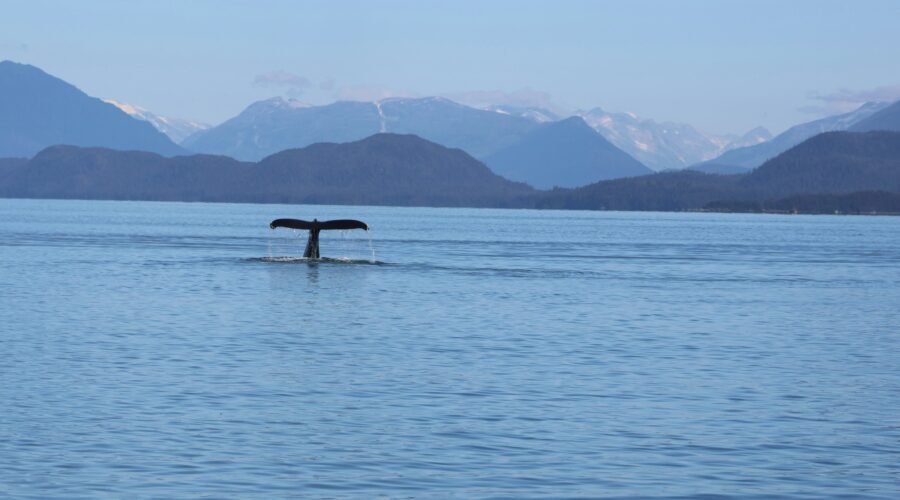
Whale watching is one of Juneau’s signature outings. Humpback whales are a major attraction, while orcas, sea lions, seals and seabirds may also appear. Wildlife sightings are never guaranteed.
According to Travel Juneau’s whale-watching guide, April through September is the main period, with June through August the peak season. Tours range from larger enclosed boats to smaller craft that offer a different experience on the water.
Book a suitable vessel for your group and bring a warm, windproof layer. Many tours depart from areas outside the immediate downtown waterfront, so account for the transfer as well as the boat trip.
Guided Glacier Hiking and Ice Climbing
A guided glacier outing is the option for travelers who want to step onto the ice rather than view it across the lake. Depending on the operator and trip, activities may range from introductory glacier hiking to more demanding ice climbing.
Guides supply specialized gear such as helmets, crampons and ice tools where required. Follow their instructions closely: crevasses, unstable ice and changing weather make independent glacier travel hazardous. Fitness requirements and access methods differ between tours.
Warning: A lakeside trail is not a safe route onto Mendenhall Glacier. Do not approach unstable ice, enter ice caves or attempt glacier travel without suitable training, equipment and local guidance.
Bear Viewing at Pack Creek
Dedicated bear-viewing trips offer a different experience from an ordinary forest walk. Pack Creek on Admiralty Island is an established brown-bear viewing area reached by floatplane or watercraft, not by road.
The Alaska Department of Fish and Game says permits are required from June 1 through September 10. Mid-July through mid-August is a peak viewing period, but bears still choose when and where to appear. The site has no ordinary visitor facilities or cell service, so a guided trip and suitable weather gear can make the visit easier.
Even when you spot a bear elsewhere in Juneau, never approach it for a photograph or offer food.
Kayaking and Paddleboarding
Guided paddling trips let you explore protected waters and look for seals, otters and seabirds at a slower pace. A guide is especially useful if you do not know the local tides, currents or landing areas.
Experienced paddlers may find rental options, but cold water and fast-changing conditions deserve serious attention. Choose a route and equipment suited to your skills rather than judging safety by how calm the shore looks.
Salmon and Halibut Fishing
Fishing charters can take you into the waters around Juneau for salmon or halibut. Many provide rods and other gear, and some can help arrange cleaning, processing and shipment of your catch.
Fishing licenses, species limits and emergency orders can affect what you may keep. Check the Alaska Department of Fish and Game’s Southeast sport-fishing regulations for the applicable trip and date. Guided halibut fishing may have rules different from unguided fishing.
Where to Eat in Juneau

Juneau’s food scene makes good use of seafood, but you will also find casual lunches, coffee and comfort food. Some visitor-focused businesses operate seasonally, so a restaurant you enjoyed reading about may not be open on your travel date.
Seafood Restaurants
Salmon, halibut and crab are natural foods to try during an Alaska trip. Choices range from casual counters to sit-down meals near the waterfront.
- Tracy’s King Crab Shack: Known for king crab in a casual, busy setting. It is a particularly recognizable stop during the visitor season.
- Hangar on the Wharf: A waterfront restaurant with seafood and other options, plus views of harbor activity.
- Twisted Fish Company: A seafood-focused option with a nautical atmosphere.
- Red Snapper Seafood & Steaks: Included in the original guide as a seafood and steak option. Confirm its current location and operating status before relying on it.
Casual Bites and Local Favorites
For a quicker meal between activities, look beyond the larger seafood restaurants. Fish and chips, sandwiches and filling lunch dishes can be easier to fit into a busy sightseeing day.
- Deckhand Dave’s: A casual choice associated with fish and chips and other seafood dishes.
- Sweet Caribou: Known for macarons as well as lunch choices such as sandwiches and bowls.
- Mike’s Place: Listed in the original guide for diner-style comfort food; confirm current operating details.
- Good Time Charlie’s: Listed in the original guide for casual pub-style food; confirm current operating details.
Coffee Shops and Bakeries
A warm drink and a light breakfast are useful before an early departure. Local groceries can also be practical places to pick up snacks for a long tour day.
- Black Star Cafe: Listed in the original guide as a coffee and light-meal stop; confirm whether it is operating.
- Salt: Primarily a restaurant, with offerings that may vary rather than a dedicated bakery.
- Local grocery bakeries: Useful for simple snacks, pastries and supplies to carry during your day.
Practical Tips for Your Juneau Trip
A good Juneau plan leaves room for rain, transport time and changing tour conditions. A few choices before departure will make it easier to enjoy the trip rather than spend it sorting out logistics.
Pack for Wet and Changing Weather
Juneau’s temperate rainforest setting means a sunny morning can turn into a damp afternoon. Dress in layers: a moisture-wicking base layer, fleece or wool for warmth, and a waterproof, windproof outer layer.
Waterproof walking shoes or boots are especially useful on muddy and gravel trails. Even in summer, bring a warm hat and gloves for exposed boat trips or higher elevations.
- Small daypack: Carry water, snacks and spare layers.
- Insect repellent: Useful around wooded areas in warmer weather.
- Binoculars: Help with distant whales, birds and other wildlife.
- Camera and spare battery: Cold and long days can affect battery life.
- Reusable water bottle: Helps you stay hydrated and reduce waste.
Reserve the Activities That Matter Most
Summer whale-watching trips, guided glacier outings and accommodation can fill ahead of your visit. Reserve the activity you care about most first, then arrange transport around its departure and return times.
If you are arriving by cruise ship, leave a buffer before boarding. If you are staying overnight, consider spreading weather-dependent activities across more than one day where your itinerary allows.
Respect Wildlife and Remote Conditions
Never feed or approach bears or other wild animals. On forest trails, stay alert, make your presence known and store food securely. Carry bear spray where appropriate, and learn how to use it before setting out.
On a wildlife boat tour, follow the captain’s instructions and let the operator maintain the proper distance. Remote areas may have no mobile reception or quick access to help.
Connectivity, Payments and Everyday Costs
Juneau has cellular service and Wi-Fi, but coverage can be unreliable on remote trails and boat routes. Download offline maps before an independent outing. Hotels and many cafes provide Wi-Fi.
The currency is the US dollar, and credit cards are widely accepted. Keep a little cash for small purchases and exact bus fares. Juneau uses standard North American 120V electrical outlets, so travelers from the US or Canada generally do not need a plug adapter.
Restaurant tipping of about 15–20% for good table service is customary. Tour guides and drivers are also commonly tipped according to the service and type of trip; housekeeping and bellhops follow the usual US hotel practices.
Juneau rewards a flexible itinerary. Choose the season that fits your priorities, make time for the glacier and waterfront, and keep an indoor option ready if the weather changes.
Frequently Asked Questions
What is the best time to visit Juneau Alaska for favorable weather?
May through August generally offers the mildest conditions for common sightseeing activities. May is relatively dry by Juneau standards, while July has the highest average temperatures. Rain is possible throughout the year, so bring waterproof clothing regardless of your dates.
When is Juneau’s peak tourist season?
June through August is the main summer visitor period. Cruise-ship schedules can make individual downtown days much busier than others. July is especially popular for its relatively warm weather and outdoor activities.
What is the shoulder season in Juneau?
April through May and September through October are the main shoulder periods around the summer visitor season. May offers increasing tour availability, while September is wetter and some operators begin closing. October is quieter but has more limited excursion choices.
When can visiting Juneau cost less?
Travel outside the busiest summer weeks may offer lower accommodation or tour prices. However, fewer operating services can limit your choices, so shoulder-season travel is not automatically cheaper. Compare the combined cost of flights, rooms, transport and the activities you want.
What is winter like in Juneau?
Winter brings colder weather, short daylight hours and the possibility of snow. Visitors can explore museums and enjoy seasonal recreation such as skiing or snowshoeing when conditions permit. Northern lights are possible, but cloud cover makes them unreliable.
Can I visit Mendenhall Glacier without a rental car?
Yes, you can take a private shuttle, tour or taxi, or use Capital Transit followed by a walk. The closest public-bus stop is 1.5 miles from the visitor center, so the bus requires more time and walking than a direct shuttle.
What should I do in Juneau during a short cruise stop?
Choose one main excursion, such as Mendenhall Glacier or whale watching, and use any remaining time for downtown and the waterfront. Account for transfers and your ship’s boarding deadline. Trying to fit several long tours into one stop can leave too little margin for delays.
For questions about this guide, use our contact page. Read our editorial policy to learn how we prepare travel information.
Sources
- Travel Juneau, Fast Facts: Local climate, rainfall patterns and daylight.
- NOAA, U.S. Climate Normals: The 1991–2020 climate-normal dataset used for monthly temperatures.
- Travel Juneau, Annual Events: Recurring seasonal events.
- Alaska Marine Highway System, Route Guide: Ferry connections to Juneau.
- Capital Transit, Mendenhall Glacier Travel Instructions: Bus fares, travel time and walking distance.
- U.S. Forest Service, Mendenhall Glacier Visitor Brochure: Glacier information, trails and seasonal visitor-center access.
- Goldbelt Tram: Tram description and temporary-closure notice.
- Alaska State Museums: Museum visitor information.
- Travel Juneau, Whale Watching: Main and peak whale-watching seasons.
- Alaska Department of Fish and Game, Pack Creek: Bear-viewing permits, access and season.
- Alaska Department of Fish and Game, Southeast Sport Fish Regulations: Fishing rules and licensing guidance.

[…] For more insights on planning trips around wet and unpredictable coastal wilderness climates, consult our ultimate guide to visiting Juneau, Alaska. […]