

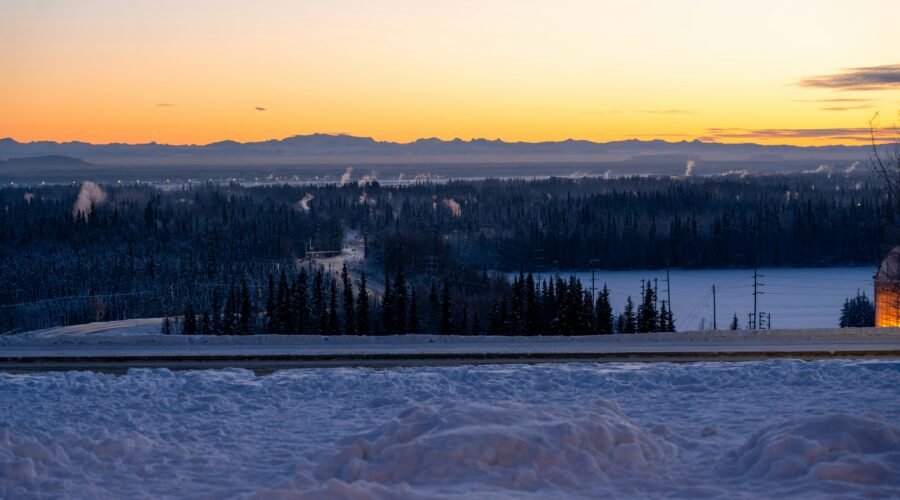
Planning a trip to Fairbanks, Alaska? The Golden Heart City offers two very different adventures: long summer days filled with outdoor activities and dark winter nights that create opportunities to see the northern lights. The key is choosing the right season, packing for Interior Alaska’s weather, and allowing enough time to experience both the natural attractions and local culture.
Quick Answer
The best time to visit Fairbanks depends on your interests. Choose late August through April for northern lights, June through August for comfortable outdoor adventures, and September for a mix of fall colors and aurora opportunities. Allow at least three days, prepare for changing weather, and reserve seasonal tours and accommodation in advance.
Key Takeaways
- Fairbanks’ official aurora-viewing season runs from August 21 through April 21, although sightings depend on darkness, weather, and solar activity.
- Summer provides long daylight hours, hiking, river cruises, and easier access to many seasonal attractions.
- A rental car is useful for exploring outside downtown, but guided tours are a practical alternative in winter.
- Winter clothing, appropriate vehicle equipment, and advance reservations are essential for a comfortable cold-weather visit.
- Check railroad schedules, attraction operating dates, and Denali National Park conditions before finalizing your itinerary.
1. Best Time to Visit Fairbanks, Alaska
Fairbanks has distinct seasons, and each changes what you can see and do. Your ideal travel dates depend on whether you want northern lights, outdoor adventures, winter sports, or a quieter trip.
A. Winter Wonderland: October Through March
Winter brings snow-covered landscapes, long nights, and some of Fairbanks’ most memorable experiences. It also brings serious cold, so preparation matters.
Temperatures can fall below -20°F (-29°C), and much colder conditions are possible during severe cold spells. Actual conditions vary throughout the season.
- Aurora Borealis: Long nights create excellent viewing opportunities when skies are dark and clear.
- Winter Activities: Dog sledding, ice sculpting, snowmachining, cross-country skiing, and snowshoeing are popular seasonal experiences.
- What to Pack: Bring thermal base layers, insulating midlayers, an insulated parka, winter boots, wool socks, a hat, and warm mittens or gloves. Hand and foot warmers are useful extras.
- Daylight Hours: Around the December solstice, Fairbanks receives approximately 3 hours and 42 minutes of direct daylight, with additional twilight before sunrise and after sunset.
Choose winter if you want snow activities and long aurora-viewing nights. If extreme cold sounds uncomfortable, consider September or March instead of the coldest part of winter.
Warning: Extreme cold can cause frostbite and hypothermia. Keep exposed skin covered, carry spare dry clothing, and limit time outdoors when temperatures or wind chill become dangerous. Follow local weather alerts and your tour operator’s safety instructions.
B. Midnight Sun Magic: May Through August
Summer is a complete contrast. Fairbanks has exceptionally long days, warmer temperatures, and access to many outdoor attractions that operate seasonally.
During the June solstice, Fairbanks receives nearly 22 hours of direct sunlight, with bright twilight during the remaining hours. This creates the experience commonly called the midnight sun.
- Midnight Sun: Enjoy late-evening walks, photography, and outdoor activities under a bright northern sky. Bring an eye mask if you are sensitive to light while sleeping.
- Summer Activities: Fishing, hiking, biking, river cruises, and road trips across Interior Alaska are popular choices.
- What to Pack: Bring light layers, a waterproof jacket, mosquito repellent, comfortable walking shoes, and sun protection.
- Weather: Summer afternoons can reach the 70s°F or warmer, while mornings, rainy days, and higher elevations may feel considerably cooler.
- Wildlife Viewing: Moose, migratory birds, and other wildlife are active. Wildlife sightings are never guaranteed.
For a summer visit, June and July provide especially long daylight hours. August offers a gradual return of darker evenings and, later in the month, the beginning of aurora season.
C. Shoulder Seasons: April and September
April and September offer transitional conditions, but they are quite different from one another.
- April: Snowmelt and freeze-thaw conditions begin to change the landscape. Some winter activities may still operate early in the month, but availability depends on weather. Aurora viewing becomes harder as nights shorten.
- September: Fall colors, cooler temperatures, and darker nights create a useful combination for sightseeing and aurora viewing. Some summer attractions begin closing for the season.
These months can offer accommodation savings, but prices depend on demand, events, and booking dates. Compare your actual travel dates rather than assuming shoulder-season rates will always be lower.
For additional destination inspiration, browse the travel guides at Lele Tours.
D. Which Month Should You Choose?
Use this seasonal comparison to narrow down your travel dates. Weather and prices vary from year to year, so treat the table as a planning guide rather than a forecast.
| Month | Weather | Crowds | Costs |
|---|---|---|---|
| December–February | Very cold, snowy, long nights | Aurora and winter-tour demand | Popular tours and aurora lodging may be expensive |
| March–April | Winter conditions transitioning toward spring | Varies around events and spring travel | Compare seasonal packages and closing dates |
| May | Warming temperatures and rapidly increasing daylight | Summer tourism begins increasing | Rates vary as seasonal services reopen |
| June | Mild to warm temperatures and extremely long days | Busy summer travel period | Higher demand for accommodation and tours |
| July | Generally the warmest month, with long daylight hours | Peak summer tourism | High demand for accommodation and rental cars |
| August | Mild temperatures and decreasing daylight | Summer crowds gradually decrease | Prices depend on dates and seasonal demand |
| September | Cooling temperatures, fall foliage, darker nights | Summer crowds decrease; aurora travel continues | Potential savings, depending on availability |
| October–November | Rapid cooling, increasing darkness, possible snow and ice | Variable demand from aurora visitors | Compare accommodation and tour availability |
2. Getting There and Getting Around Fairbanks
Fairbanks is well connected for an Interior Alaska city, but distances are larger than many first-time visitors expect. Your transportation choice can shape the entire trip.
A. Arriving in Fairbanks
- Fairbanks International Airport (FAI): The city’s main airport offers connections through Alaska’s air network, with routes and frequencies varying by season. Check your airline for current service.
- Rental Cars: A rental car offers flexibility for attractions outside downtown, independent day trips, and aurora viewing. Reserve early during busy travel periods.
- Alaska Railroad: The summer Denali Star connects Anchorage, Denali, and Fairbanks. The Aurora Winter Train provides additional seasonal service, including scheduled weekend departures.
For the published 2026 timetable, the Denali Star operated from May 13 through September 17. The 2026–27 Aurora Winter Train schedule includes weekend service from September 19, 2026, through May 9, 2027, with additional selected midweek departures.
Check the official Alaska Railroad schedules for your specific travel dates.
B. Navigating Fairbanks
- By Car: Usually the most flexible option for attractions spread across the Fairbanks area. Winter driving requires suitable tires, careful route planning, and experience with snow and ice.
- Taxis and Ride-Shares: Useful for airport transfers and shorter trips. Availability and prices can vary, particularly late at night.
- Public Bus System: The Fairbanks area has a public transit network, but routes may not match tourist destinations or late-night aurora plans.
- Walking and Biking: Practical for selected downtown attractions and summer trails. They are less suitable for covering the wider region.
- Guided Transportation: A sensible choice for visitors who prefer not to drive in winter or want transportation included with an activity.
C. Winter Rental-Car Advice
Before accepting a winter rental vehicle, ask about winter tires, engine-heating equipment, roadside assistance, and restrictions on remote roads.
Many vehicles in Interior Alaska have engine block heaters that can be connected to electrical outlets during severe cold. Follow the rental company’s instructions rather than assuming every vehicle needs the same procedure.
Four-wheel drive can help a vehicle gain traction, but it does not eliminate the risk of sliding or shorten stopping distances on ice. Good tires, lower speeds, and safe following distances remain essential.
Pro Tip: If you are visiting primarily for the northern lights and have limited experience driving on icy roads, compare the cost of a guided aurora tour with the cost of a rental vehicle. A tour may simplify transportation, parking, and cold-weather waiting.
3. Top Things to Do in Fairbanks

Fairbanks combines outdoor adventures with museums, gold-rush history, and opportunities to learn about Alaska Native cultures. The activities available depend heavily on the season.
A. Chasing the Northern Lights
The northern lights are one of the main reasons travelers visit Fairbanks. The city lies beneath the auroral oval, a region where aurora activity frequently occurs.
According to Explore Fairbanks, the official aurora season runs from August 21 through April 21. Visibility still requires sufficiently dark skies, favorable weather, and aurora activity.
Where to Watch the Northern Lights
- Chena Hot Springs Road: Offers access to darker viewing areas outside the city. Use designated parking areas and check road conditions.
- Creamer’s Field Migratory Waterfowl Refuge: An accessible in-town option with open views of the sky.
- Cleary Summit: A popular elevated viewing area approximately 20 miles from Fairbanks. Snow and ice can make the drive challenging.
- Guided Viewing Locations: Many operators offer transportation and heated spaces for visitors waiting outdoors.
Explore the regional locations through the official Fairbanks aurora-viewing guide.
How to Improve Your Aurora-Viewing Chances
- Plan several nights in Fairbanks instead of relying on one evening.
- Check local cloud cover and the aurora forecast before heading out.
- Choose a location with a clear view of the sky and limited artificial light.
- Allow enough time for aurora activity to change throughout the night.
- Dress for prolonged outdoor waiting, even if you expect to stay near a heated vehicle or shelter.
A new moon can provide darker skies, but it is not required for a successful aurora sighting.
The University of Alaska Fairbanks Geophysical Institute provides aurora forecasts and explains how to interpret geomagnetic activity.
A high Kp index can indicate increased global geomagnetic activity, but Fairbanks can still experience visible auroras when Kp is relatively low. Local sky conditions and real-time activity are often more useful than relying on one number.
Note: Northern lights are a natural phenomenon. No guide, forecast, or tour operator can guarantee a display on a particular night.
Basic Aurora Photography Tips
Bring a tripod, a camera or phone with a suitable night mode, spare batteries, and warm gloves that let you operate your equipment.
If your camera offers manual controls, start with a wide aperture, a moderately high ISO, and an exposure lasting a few seconds. Adjust according to the brightness and movement of the aurora.
Keep spare batteries warm because cold weather reduces battery performance.
B. Embracing Winter Activities
Fairbanks has plenty to offer even when the aurora does not appear.
- Dog Sledding: Experience Alaska’s state sport through a guided kennel visit or sled ride. Tour length and participation options vary.
- World Ice Art Championships: Ice sculptures and seasonal displays are a distinctive Fairbanks attraction. Check the current event calendar for dates and admission details.
- Snowmachining: Guided snowmobile tours provide access to winter landscapes without requiring visitors to navigate unfamiliar trails alone.
- Cross-Country Skiing and Snowshoeing: Birch Hill Recreation Area and other local trail systems offer winter recreation opportunities.
- Chena Hot Springs: Relax in naturally heated mineral water at a resort outside Fairbanks. Confirm admission rules, transportation, and weather conditions before visiting.
Winter activities depend on snow, temperatures, trail conditions, and operator schedules. Reserve popular guided experiences before arrival.
C. Exploring Local Culture and History
Fairbanks has a history connected to gold mining, transportation, Alaska Native communities, and the development of Interior Alaska.
- Fountainhead Antique Auto Museum: Features historic automobiles and period fashion, offering a distinctive indoor experience.
- University of Alaska Museum of the North: Explores Alaska’s natural history, art, science, and cultures. It is particularly useful for understanding the region before visiting its outdoor attractions.
- Pioneer Park: Includes historic buildings, exhibits, and the Sternwheeler Nenana. Individual attractions have seasonal operating schedules.
- Gold Dredge 8: Introduces visitors to the history of Interior Alaska’s gold industry and offers seasonal gold-panning experiences.
- Trans-Alaska Pipeline Viewpoint: Provides an opportunity to see part of the pipeline system and learn about its construction and operation.
When shopping for Alaska Native art, look for information identifying the artist and the work’s origin. Buying directly from artists and reputable galleries supports authentic cultural craftsmanship.
D. Summer Adventures in the Interior
When the snow melts, Fairbanks becomes a convenient base for exploring rivers, trails, and the wider Interior Alaska landscape.
- Riverboat Discovery: Enjoy a sternwheeler cruise on the Chena River, with opportunities to learn about regional history and culture.
- Denali National Park: Travel south from Fairbanks for scenery, hiking, wildlife-viewing opportunities, and park bus excursions.
- Angel Rocks Trail: A popular hiking destination near Chena Hot Springs Road, featuring rock formations and views across the surrounding landscape.
- University of Alaska Fairbanks Trails: Offer opportunities for walking, biking, and exploring the local environment.
- Fishing: Arctic grayling and other fish species attract anglers to Interior Alaska waters. Salmon opportunities depend on the specific river, season, and current regulations.
Before fishing, check the Alaska Department of Fish and Game for license requirements, emergency orders, and species-specific regulations.
Important Denali Access Information
Denali National Park’s entrance is approximately 120 miles south of Fairbanks along the George Parks Highway.
During the 2026 visitor season, buses remained limited to approximately Mile 43 because of the Pretty Rocks landslide and associated road work.
Construction of the Pretty Rocks Bridge has been completed, and full bus service is expected to resume in 2027. The National Park Service continues to update access information as preparations progress.
Check the Denali National Park current conditions page before booking transportation or planning a park itinerary.
E. Indoor and Family-Friendly Activities
Fairbanks also has options for visitors traveling with children or needing a break from difficult weather.
- Explore the Museum of the North and its natural-history exhibits.
- Visit the Fountainhead Antique Auto Museum.
- Choose short, age-appropriate guided tours instead of long outdoor excursions.
- Explore Pioneer Park when its attractions are operating.
- Allow flexible time for warming up, meals, and rest during winter outings.
For families, a shorter outdoor activity followed by an indoor attraction can be more comfortable than scheduling several cold-weather experiences back to back.
4. Where to Eat and Drink

Fairbanks offers casual restaurants, historic dining rooms, international food, and locally brewed beer. Warm, hearty meals can be especially welcome after a winter tour.
A. Casual and Local Favorites
- The Crepery: A casual option for sweet and savory crepes, suitable for breakfast or lunch.
- Pump House Restaurant & Saloon: A restaurant in a historic former pumping station associated with the region’s gold-mining industry. Its building dates to 1933.
- Thai House: Located at 412 Fifth Avenue, this established Fairbanks restaurant serves Thai dishes including curries and noodles.
- HooDoo Brewing Company: A Fairbanks brewery offering locally made beer and a taproom experience.
- Alaskan Seafood: Look for salmon, halibut, and other regional seafood on restaurant menus. Availability and sourcing vary by restaurant and season.
Midnight Sun Brewing Company is located in Anchorage rather than Fairbanks. For a Fairbanks brewery stop, HooDoo is a local alternative.
Restaurant menus and operating hours can change, so confirm current information before making a special trip.
B. Fine Dining and Special Occasions
- The Turtle Club: A traditional steakhouse experience in the Fairbanks area, known for prime rib and other hearty meals.
- Lavelle’s Bistro: An option for a more formal meal, with American cuisine and wine selections.
Reservations are sensible for special occasions and busy travel periods.
C. Grocery Stores and Local Markets
- Fred Meyer and Safeway: Convenient places to buy groceries, snacks, and supplies for accommodation with kitchen facilities.
- Farmers Markets: Summer markets offer opportunities to shop for produce, local products, and handmade goods.
If you are preparing your own meals, buy groceries before heading to remote accommodation. Food options can be limited outside the main Fairbanks area.
For questions about this guide or to suggest a correction, use the Lele Tours contact page.
5. Practical Tips for Visitors
A little preparation makes a big difference in Interior Alaska. These tips will help you choose accommodation, plan your days, manage costs, and stay safe.
A. Accommodation Advice
- Book in Advance: Reserve early for peak summer dates and popular aurora-viewing periods.
- Hotels: Fairbanks has a range of hotels, including familiar chain properties.
- Local Inns and B&Bs: Smaller properties may offer a more personal experience. Accommodation outside the city can provide darker skies, but transportation becomes more important.
- Airbnb and VRBO: Vacation rentals can be useful for groups, longer stays, and travelers who prefer kitchen facilities.
For a winter stay outside the city, check road access, parking arrangements, heating, and emergency contact procedures before booking.
B. How Many Days Should You Spend in Fairbanks?
Three to five days is a useful starting point for a first visit.
- Two days: Enough for selected city attractions and one major excursion, but limited flexibility.
- Three days: Allows time for museums, local sightseeing, and several activities.
- Four or five days: Offers a more relaxed pace, additional day trips, and better flexibility around weather.
For an aurora-focused visit, additional nights provide more opportunities for favorable sky conditions. For summer visitors planning Denali as well, allow extra time rather than treating a major park excursion as a quick city attraction.
C. Suggested Three-Day Winter Itinerary
- Day 1: Arrive, collect winter supplies, explore downtown, and visit the Museum of the North. Schedule an aurora-viewing evening if conditions allow.
- Day 2: Enjoy dog sledding, snowshoeing, or another guided winter activity. Check the aurora forecast for another evening outdoors.
- Day 3: Visit Chena Hot Springs or explore local history attractions. Use the evening for an additional aurora opportunity.
Keep the schedule flexible. Weather, severe cold, and changing tour conditions may require adjustments.
D. Suggested Three-Day Summer Itinerary
- Day 1: Explore downtown Fairbanks, visit the Museum of the North, and enjoy an evening walk.
- Day 2: Take a Riverboat Discovery cruise or explore the local gold-mining history attractions.
- Day 3: Choose a hike near Chena Hot Springs, a guided fishing excursion, or another outdoor adventure.
If Denali National Park is a major priority, consider adding at least one more day and planning your park transportation separately.
E. Seasonal Packing Checklist
Pack for the activities you have reserved, not just the average temperature shown in a weather app.
Winter Packing Essentials
- Thermal base layers and insulating midlayers.
- Warm parka and insulated winter pants.
- Insulated boots with suitable traction.
- Wool or other insulating socks.
- Warm hat, neck covering, mittens, and glove liners.
- Hand warmers and spare dry clothing.
- Phone charger and spare batteries.
- Winter emergency supplies if driving independently.
Summer Packing Essentials
- Comfortable walking or hiking shoes.
- Light layers and a waterproof outer jacket.
- Mosquito repellent.
- Sun protection and sunglasses.
- Reusable water bottle.
- Eye mask for sleeping during long daylight hours.
- Small daypack for excursions.
F. Staying Safe in the Alaskan Wild
Wildlife encounters and changing weather are part of traveling in Alaska. Preparation and appropriate distance are essential.
- Moose: Give moose plenty of room, particularly cows with calves. Never approach or attempt to feed them.
- Bears: Make noise in areas with poor visibility, manage food properly, and carry accessible bear spray when hiking in bear country.
- Weather: Check conditions before outdoor activities and bring enough clothing for unexpected delays.
- Aurora Chasing: Tell someone where you are going and when you expect to return. Use legal parking areas rather than stopping along active highways.
- Winter Driving: Slow down, maintain extra following distance, and carry emergency supplies.
The National Park Service advises visitors to keep substantial distance from wildlife. In Denali, visitors should remain at least 300 yards from bears and 25 yards from other animals.
Read the National Park Service wildlife safety guidance before hiking or exploring remote areas.
Warning: Never approach wildlife for a photograph. Do not use bear spray as a body or clothing repellent, and never run from a bear. Learn the correct response to wildlife encounters before entering bear country.
G. Winter Driving and Road Conditions
Road conditions can change quickly in Interior Alaska. Ice, blowing snow, reduced visibility, and severe cold can turn a short drive into a difficult trip.
Before traveling outside the city:
- Check the current weather forecast and road conditions.
- Confirm that your vehicle is suitable for the route.
- Carry warm clothing, food, water, a flashlight, and emergency supplies.
- Keep your fuel level adequate for unexpected delays.
- Tell someone your destination and expected return time.
Use Alaska 511 for official road-condition reports, closures, and travel alerts.
H. Budget and Booking Tips
Fairbanks travel costs depend on your season, accommodation choice, transportation, and guided activities.
- Compare accommodation prices for several nearby dates.
- Reserve rental cars early when visiting during popular travel periods.
- Check whether tours include transportation, equipment, and warm clothing.
- Consider accommodation with kitchen facilities if you want to prepare some meals.
- Review cancellation policies for weather-dependent experiences.
- Leave space in your itinerary for free or lower-cost activities, such as downtown sightseeing and selected outdoor viewpoints.
A guided tour may cost more than an individual attraction ticket, but included transportation and equipment can make it practical for visitors without a vehicle.
I. General Travel Tips
- Tipping: Standard American tipping practices apply. Restaurant gratuities commonly fall around 15–20% for satisfactory service.
- Cell Service: Coverage is generally available in Fairbanks, but service can become unreliable on remote roads and in wilderness areas.
- Souvenirs: Consider locally made artwork, Alaska Native crafts, and products associated with the region’s history.
- Seasonal Hours: Many attractions operate on different summer and winter schedules. Confirm opening dates before arrival.
- Travel Pace: Allow extra time between activities, especially when driving in winter or traveling outside the city.
Fairbanks rewards travelers who plan around the season rather than trying to fit every attraction into one trip. Whether you’re watching the northern lights or exploring under the long summer sky, a flexible itinerary and appropriate preparation will help you make the most of your visit.
Frequently Asked Questions
1. What is the best time to visit Fairbanks, Alaska for favorable weather?
June through August generally provides the most comfortable conditions for outdoor sightseeing, hiking, and river activities. July is typically the warmest month, although temperatures and rainfall vary.
2. When is the peak tourist season in Fairbanks, Alaska?
Summer is a major tourist season, particularly June through August. Popular aurora-viewing periods also attract winter visitors. Reserve accommodation, rental cars, and tours early for your preferred dates.
3. What is the shoulder season in Fairbanks, Alaska?
April and September are useful transitional months. April brings increasing daylight and changing snow conditions, while September offers fall colors and a return to darker aurora-viewing nights.
4. When is the best time to visit Fairbanks, Alaska to save on costs?
Some shoulder-season dates may offer lower accommodation or rental-car prices, but savings are not guaranteed. Compare several travel dates and consider hotels with kitchens or accommodation close to the activities you plan to book.
5. What is winter like in Fairbanks, Alaska, and is it a good time to visit?
Winter is very cold, with snow, ice, and short daylight hours. It is a popular choice for northern lights, dog sledding, ice art, and other winter activities. Visitors should bring suitable clothing and plan transportation carefully.
6. What month is best for seeing the northern lights in Fairbanks?
Aurora viewing is possible from late August through April. September and March can offer a balance of darker nights and less severe cold than midwinter. Clear skies and aurora activity matter more than choosing one particular month.
7. Do you need a rental car in Fairbanks?
A rental car is useful for attractions outside downtown and independent excursions. However, visitors staying centrally and booking guided activities can often manage without one. Winter travelers should consider their experience with icy roads before deciding to drive.
8. How many days should I spend in Fairbanks?
Three to five days is a practical starting point. Allow additional nights if northern lights are your main goal or if you plan to include Denali National Park and other longer excursions.
9. Can you see the northern lights during summer in Fairbanks?
The brightest part of summer has too much daylight for normal aurora viewing. Darker nights return in late August, when the official Fairbanks aurora season begins.
Sources
- Explore Fairbanks — official regional tourism information, seasonal travel guidance, and aurora-viewing opportunities.
- University of Alaska Fairbanks Geophysical Institute — aurora forecasts, geomagnetic activity, and interpretation of the Kp index.
- Alaska Railroad — current summer and winter passenger-train schedules.
- Denali National Park and Preserve — park access, road conditions, seasonal operations, and visitor information.
- Alaska Department of Transportation and Public Facilities — road conditions, closures, and traveler alerts.
- National Park Service: Wildlife Safety in Alaska — wildlife distances, bear awareness, and safe outdoor practices.


[…] travel conditions in other destinations as part of a wider trip-planning project, you can also read The Ultimate Guide to Visiting Fairbanks, Alaska and this guide to the best time to visit the Muradiye Waterfalls in Van, […]