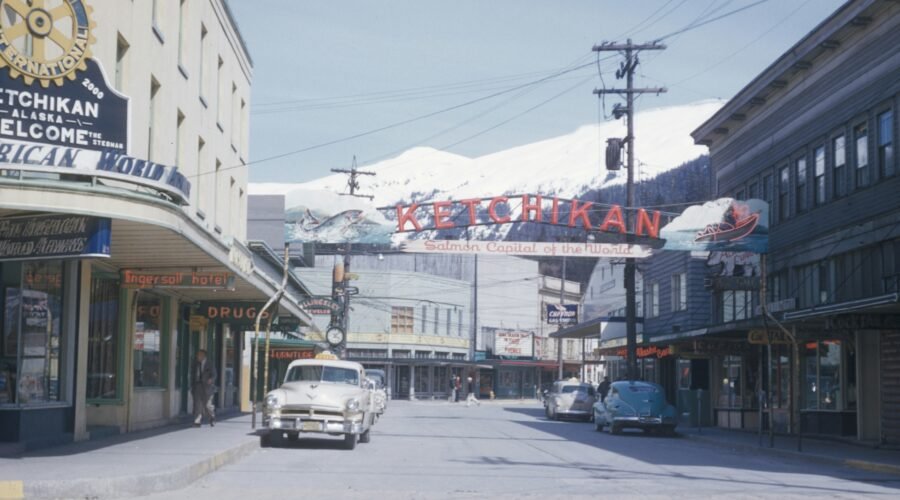
- Ketchikan’s prime visiting season, balancing good weather, fewer crowds, and decent costs, generally falls in late May and early September. These shoulder seasons offer a sweet spot where you can enjoy the beauty of Alaska without the peak summer crush. If you’re looking for the warmest weather and don’t mind the crowds and higher prices, mid-June to mid-August is your window. Conversely, if budget is your top priority and you’re prepared for cooler, wetter weather and limited services, late fall through early spring might be an option, but it’s not typically recommended for a first-time visitor.
- Understanding Ketchikan’s Seasons: A Quick Overview
Ketchikan operates on a highly seasonal rhythm, heavily influenced by its position in Southeast Alaska and its dependence on tourism, particularly cruise ships. This isn’t like visiting a city in the lower 48 where you’ll find similar services year-round. Understanding these distinct seasons is key to planning your trip.
2.1. High Season (Mid-June to Mid-August)
This is when Ketchikan truly bustles. The days are long – sometimes feeling endless – and the weather is at its most favorable for outdoor activities.
- Weather: Expect average high temperatures in the low to mid-60s Fahrenheit (15-18°C), with lows in the mid-50s (12-14°C). While these might not sound scorching, they’re pleasant for exploring and hiking. Remember, Ketchikan is in a rainforest, so rain is always a possibility, even in summer. However, you’re more likely to get clear skies and sunshine during this period than at any other time.
- Crowds: This is peak cruise ship season. Expect to share the town, especially downtown Creek Street and the main shopping areas, with thousands of fellow travelers daily. Excursions book up quickly, and popular restaurants can have wait times. If you’re arriving by cruise, be prepared that the ship’s tours will be full, and independent operators will also be busy.
- Costs: Accommodation, flights, and many excursions are at their highest rates. Deals are rare. If you’re flying in, book well in advance. Dinner reservations might be necessary even for casual eateries.
- Activities: All tours and attractions are fully operational. Flightseeing, zip-lining, fishing charters, kayaking, and hiking trails are all open and well-serviced. This is the best time for wildlife viewing, particularly bears, as salmon runs are in full swing.
2.2. Shoulder Seasons (Late May, Early June, and September)
These periods offer a more balanced experience, often preferred by those who want good weather without the intense crowds.
- Late May & Early June:
- Weather: Temperatures are a bit cooler than mid-summer, with highs in the upper 50s to low 60s Fahrenheit (13-17°C). Rain is a bit more frequent than in July or August, but you’ll still get plenty of pleasant days. The landscape is lush, and flowers are in bloom.
- Crowds: Cruise ship traffic starts to ramp up in late May and continues through early June, but it’s not yet at its peak. You’ll still see crowds, but there are more opportunities for breathing room. Excursions are available, and you might find it easier to book last-minute.
- Costs: Slightly lower than peak season, but don’t expect dramatic reductions. Some early-season deals might pop up for accommodation or flight packages if booked far enough in advance.
- Activities: Most tours and attractions are operational, though some might have shorter hours or limited availability compared to peak season. Bear viewing can be good towards late May as salmon start to return, though it peaks later in summer.
- September:
- Weather: Temperatures begin to cool, with highs in the mid to upper 50s Fahrenheit (12-15°C). Rain becomes more prevalent. However, the changing fall foliage can be stunning, particularly inland. There’s a crispness in the air that some find invigorating.
- Crowds: Cruise ship traffic starts to taper off significantly by mid-September. The early part of the month can still be busy, but by the latter half, things quiet down considerably. This can be an excellent time for a more relaxed visit.
- Costs: You’ll likely see more noticeable price drops for accommodation and some excursions as the season winds down. Flights might also be more affordable.
- Activities: Most major tours and attractions are still running, but some might be operating on reduced schedules or preparing to close for the winter by late September. Bear viewing can still be excellent as salmon runs continue. This is also a good time for hiking if you’re prepared for potentially wet trails.
- The “Off-Season”: Winter, Late Fall & Early Spring
Visiting Ketchikan outside of the main tourist season is a very different experience. It’s not for everyone, but it can offer a unique perspective for the right traveler.
3.1. Winter (November to March)
This is when Ketchikan truly transforms into a quiet, local town.
- Weather: Cold, wet, and dark. Average highs hover around freezing (32-40°F / 0-4°C), and lows are in the upper 20s to low 30s (-2 to 0°C). Snow is common, sometimes heavy, mixed with plenty of rain. Daylight hours are very short, especially in December and January.
- Crowds: Minimal. You’ll mostly encounter locals. There are no cruise ships. This is an ideal time for solitude if that’s what you seek.
- Costs: Lowest prices for accommodations and flights. However, keep in mind that many services might not be available.
- Activities: Most tourist-focused businesses are closed. You’ll primarily experience local life. Winter fishing (crab, deep-sea) is an option. Hiking can happen, but trails are often snowy or icy, and conditions require serious preparation. The Ketchikan Museums are typically open, and you can enjoy local art and cultural events. Northern Lights sightings are possible on clear, dark nights, but Ketchikan’s frequent cloud cover can make this challenging.
3.2. Late Fall (October) & Early Spring (April)
These months are transitional and can be a mixed bag.
- October:
- Weather: Cool and wet, with highs in the mid-40s (7-10°C). Fall foliage is often past its peak, and winter is definitely approaching.
- Crowds: Very few tourists. Cruise season is over, and things are quiet.
- Costs: Low, similar to winter prices.
- Activities: Many tourist businesses are closed or winding down. Some fishing charters might still operate. Local events continue.
- April:
- Weather: Still cool and wet, highs in the low to mid-40s (4-7°C). Snow is less likely than in winter but still possible. Days are getting noticeably longer.
- Crowds: Minimal tourists, as the cruise season typically doesn’t start until late April or early May.
- Costs: Prices remain low.
- Activities: Many businesses are still closed but may be preparing to open. You might find some early fishing charters or adventurous hiking opportunities. This is generally a quiet time.
- Special Considerations for Your Ketchikan Visit
Beyond the general seasonal trends, a few specific factors might influence the “best” time for your trip.
4.1. Wildlife Viewing Opportunities
Ketchikan is famous for its wildlife, especially bears and salmon.
- Bears: The best time for bear viewing (black bears are common here) is from late July through September. This coincides with the peak salmon runs, which are the bears’ primary food source. Areas like Herring Cove are popular for this. Early June might offer some sightings, but later in the summer is more reliable.
- Salmon: Salmon runs begin in late May or early June (King Salmon) and continue through September (Pink, Chum, Sockeye, Coho). Watching salmon navigating Creek Street or spawning in local streams is a quintessential Ketchikan experience, particularly from mid-July to mid-September.
- Marine Wildlife: Whales (humpback and orca), seals, and sea lions are present year-round in the surrounding waters, but sightings can be more frequent during the warmer months when their food sources are abundant. Fishing charters offer excellent opportunities to spot seals and eagles.
4.2. Fishing Enthusiasts
Ketchikan is known as the “Salmon Capital of the World” for a reason.
- King Salmon: Early May to July is generally prime time for King Salmon (Chinook).
- Sockeye Salmon: July and August offer good Sockeye (Red) fishing.
- Pink & Chum Salmon: Abundant from mid-July through August.
- Coho Salmon: Late August through September is excellent for Coho (Silver).
- Halibut: Good halibut fishing can be had from May through September.
If fishing is your primary goal, align your visit with the species you want to pursue. Book charters well in advance, especially during peak summer.
4.3. Photography and Scenery
Each season offers distinct photographic opportunities.
- Summer (June-August): Lush green rainforest, vibrant flowers, active wildlife, and long daylight hours perfect for capturing the essence of Ketchikan. The occasional sunny day makes the water sparkle.
- September: Changing fall colors in the deciduous trees (though less dramatic than inland due to the evergreen dominance), mist-shrouded fjords, and a quieter atmosphere. The soft light can be beautiful.
- Winter (Nov-Mar): Snow-covered landscapes, dramatic stormy skies, and a unique, rugged beauty. This is for the serious landscape photographer willing to brave the elements for moody shots.
- Factors to Weigh for Your Trip
Considering your priorities will help you narrow down the best time for you.
5.1. Budget Travel
If saving money is your top priority, the shoulder seasons (late May, early June, and especially September) will offer a better value than peak summer. You’ll find slightly lower prices for accommodations and often for excursions. If you’re truly on a shoestring budget and don’t mind cold, wet weather and limited services, the off-season (October-April) is cheapest, but you’ll need to recognize the severe limitations.
5.2. Avoiding Crowds
To minimize crowds, aim for late May, early June, or September. The latter half of September is particularly peaceful as cruise ships become less frequent. If you absolutely despise crowds, avoid mid-June to mid-August.
5.3. Best Weather for Activities
For the highest probability of moderate temperatures and less rain, mid-June through mid-August is your best bet. While “sunny” is never guaranteed in Ketchikan, these months offer the longest warm spells and most comfortable conditions for hiking, kayaking, and other outdoor pursuits.
5.4. Overall Best Balance
For most first-time visitors seeking a balance of good weather, manageable crowds, and reasonable costs, late May or early September are the prime choices. You get the benefit of most attractions being open, active wildlife, and a chance for more personal interaction without the intense pressure of the main summer rush.
In summary, Ketchikan truly shines in the summer months, but savvy travelers can find excellent experiences in the shoulder seasons as well. Your ideal time to visit will ultimately depend on your priorities for weather, crowds, and budget.
FAQs
1. What is the best time to visit Ketchikan, Alaska for favorable weather?
The best time to visit Ketchikan, Alaska for favorable weather is during the summer months, from June to August. This is when the temperatures are the warmest and the days are the longest, providing ample opportunity for outdoor activities.
2. When is the best time to visit Ketchikan, Alaska to avoid crowds?
To avoid crowds, it is best to visit Ketchikan, Alaska during the shoulder seasons of spring (April and May) and fall (September and October). During these times, the tourist crowds are thinner, allowing for a more peaceful and relaxed experience.
3. What is the most cost-effective time to visit Ketchikan, Alaska?
The most cost-effective time to visit Ketchikan, Alaska is during the shoulder seasons of spring and fall. During these times, accommodations and activities may be more affordable compared to the peak summer season.
4. What is the weather like in Ketchikan, Alaska during the winter months?
During the winter months, Ketchikan, Alaska experiences cold temperatures and significant rainfall. The winter months, from November to March, are characterized by shorter days and a higher chance of precipitation, making outdoor activities less favorable.
5. What are the main tourist attractions in Ketchikan, Alaska?
Some of the main tourist attractions in Ketchikan, Alaska include the Tongass National Forest, Misty Fjords National Monument, Totem Bight State Historical Park, and the historic Creek Street. Additionally, visitors can enjoy activities such as fishing, wildlife viewing, and exploring the local arts and culture.