

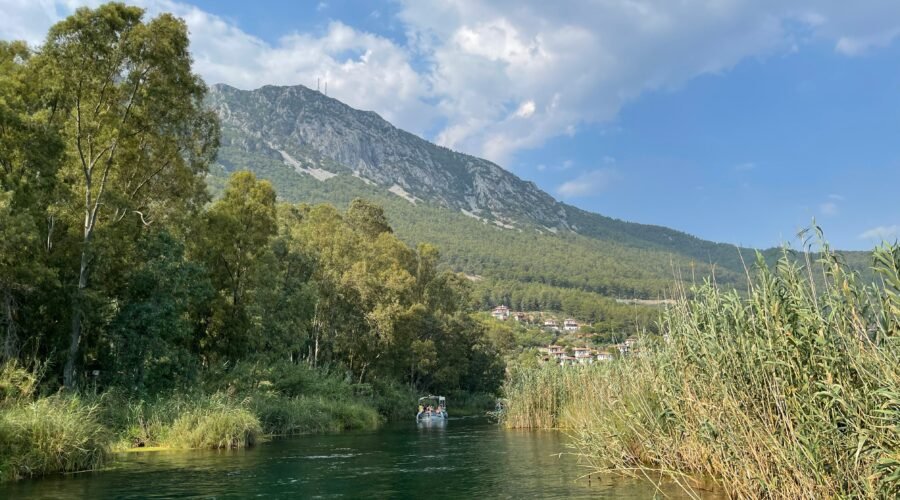
Nestled where the craggy Sakar Mountains meet the turquoise waters of the Gulf of Gökova, Akyaka is one of Turkey’s most distinctive coastal retreats. Renowned for its protected Ottoman-Ula architecture, the icy subterranean springs of the Azmak River, and world-class thermal kitesurfing winds, this tranquil Aegean town in Muğla offers a distinctly different rhythm from bustling nearby resorts like Marmaris and Bodrum. Determining the best time to visit Akyaka depends heavily on whether your priority is kitesurfing, swimming in warm seas, scenic spring hiking, or enjoying quiet village life without the summer crowds.
Quick Answer
The best time to visit Akyaka is from late May to June and September to October. These shoulder months deliver optimal daytime temperatures (24°C–30°C / 75°F–86°F), warm sea waters (22°C–25°C), reliable winds for kitesurfing, and comfortable conditions for exploring the Azmak River without peak summer crowds or accommodation rate spikes.
Key Takeaways
- Prime All-Rounder Months: June and September provide the sweet spot between swimmable sea temperatures, vibrant dining, and manageable foot traffic.
- Kitesurfing Peak: Thermal winds blow consistently between May and October, peaking in July and August at Akçapınar Beach.
- Azmak River Microclimate: The river stays a bracing 11°C–12°C (52°F–54°F) year-round, offering natural air conditioning during scorching summer afternoons.
- Budget & Solitude: Late autumn (November) through early spring (April) offers steep lodging discounts of 50%–70%, catering to travelers seeking authentic village life.
Akyaka Monthly Climate and Seasonal Breakdown
Akyaka features a classic Mediterranean climate modified by local topography. Situated in a coastal bowl surrounded by pine-forested peaks and fed by cold-water river deltas, the town experiences warm, dry summers and mild, rain-heavy winters. Understanding the distinct seasonal shifts is key to matching your travel dates with your preferred holiday activities.
Summer (June to September): Peak Sun, Sea, and Wind
Summer transforms Akyaka into an energetic coastal hub. The town’s designation as a Cittaslow (slow city) prevents high-rise commercialization, keeping the summer atmosphere lively yet distinctively charming.
June: The Ideal Early Summer Balance
June is widely considered one of the finest months of the year in Muğla. Daytime temperatures average 28°C–30°C (82°F–86°F), while evening temperatures cool to a comfortable 20°C–22°C (68°F–72°F). Sea temperatures reach a refreshing 23°C–25°C (73°F–77°F). Rainfall is virtually non-existent, and the thermal wind patterns on the bay begin their daily consistency, making it superb for kitesurfers and sunbathers before schools let out.
July & August: High Heat and Peak Buzz
Mid-summer brings intense Aegean sunshine, with daytime highs frequently reaching 35°C–38°C (95°F–100°F) and occasionally crossing 40°C (104°F). Nights remain warm at 24°C–26°C (75°F–79°F). The sea temperature peaks around 26°C–27°C (79°F–81°F). July and August represent the busiest time of year for domestic and international holidaymakers, with full hotel occupancy and bustling riverside fish restaurants.
Pro Tip: When midday heat peaks in July and August, take a traditional wooden eco-boat tour or rent a kayak on the Azmak River. The water is ice-cold spring runoff, dropping the ambient air temperature along the riverbanks by several degrees.
September: The Connoisseur’s Summer
September retains all the warmth of summer without the stifling heat waves. Highs hover around 30°C–32°C (86°F–90°F), sea waters are at their warmest and clearest, and crowd densities drop noticeably after the first week of the month. Thermal wind conditions remain strong and steady through late September.
Autumn (October to November): Warm Waters and Golden Hues
Autumn brings a calmer, golden atmosphere to the Gulf of Gökova. The Mediterranean heat softens, making outdoor exploration in the surrounding pine forests exceptionally pleasant.
October: The Extended Summer
October is an idyllic transition month. Daytime temperatures average a pleasant 24°C–27°C (75°F–81°F), and the Aegean Sea remains comfortably warm at 22°C–24°C (72°F–75°F). While occasional brief rain showers can occur toward the end of the month, sunny days predominate, making October ideal for combining beach time with hiking along the Karian Trail.
November: Crisp Days and Local Rhythms
In November, temperatures drop to daytime averages of 18°C–21°C (64°F–70°F), with nighttime lows dipping to 10°C–13°C (50°F–55°F). Sea temperatures drop to around 19°C–20°C (66°F–68°F). November is one of the wettest months of the year, signaling the close of the beach season and the return to quiet rural living.
Winter (December to February): The Peaceful Off-Season
Winter in Akyaka is quiet, authentic, and lush. Frost and snow are extremely rare at sea level, but winter storms from the Mediterranean bring significant rainfall to the windward mountain slopes.
Daytime highs range from 12°C to 16°C (54°F–61°F), while night temperatures dip to 6°C–9°C (43°F–48°F). The sea cools down to 15°C–17°C (59°F–63°F). While tourist facilities, watersports schools, and some seasonal eateries close, local bakeries, markets, and boutique guesthouses remain open, offering a peaceful, atmospheric winter sanctuary.
Spring (March to May): Blooming Flora and Outdoor Adventure
Spring marks the awakening of the Gökova plain, as orange groves blossom and wild mountain herbs carpet the hillsides.
March: Early Spring Transition
March brings crisp air, lengthening daylight, and fluctuating weather. Temperatures average 16°C–19°C (61°F–66°F) during the day. While rain showers are common, clear sunny days offer crisp mountain visibility for hikers and photographers.
April: Wildflowers and Mild Sunshine
By April, daytime temperatures rise to a comfortable 20°C–23°C (68°F–73°F). Evenings remain cool (10°C–13°C / 50°F–55°F), requiring light jackets. The sea is still brisk at 17°C–19°C (63°F–66°F), making April better suited for trekking, cycling, and sightseeing than swimming.
May: Pre-Summer Glory
May is among the best months to experience Akyaka before high season. Daytime highs consistently reach 25°C–28°C (77°F–82°F), the sea warms to 20°C–22°C (68°F–72°F), and watersports centers open their doors on Akçapınar Beach. Outdoor cafes and riverfront boardwalks come alive with relaxed early-season energy.
Note: Because Akyaka sits right against the base of the steep Sakar Pass, mountain air currents often create brisk evening breezes. Even during June and September, packing a light evening layer is advisable.
At-a-Glance: Akyaka Month-by-Month Matrix
| Month | Avg Daytime Temp | Sea Temp | Crowd Level | Price Level | Best Activities |
|---|---|---|---|---|---|
| January | 13°C (55°F) | 16°C (61°F) | Very Low | Low | Quiet retreat, local culture |
| February | 14°C (57°F) | 15°C (59°F) | Very Low | Low | Cozy getaways, photography |
| March | 17°C (63°F) | 16°C (61°F) | Low | Low | Scenic drives, hiking |
| April | 21°C (70°F) | 18°C (64°F) | Low-Moderate | Moderate | Wildflower walks, Karian Trail |
| May | 26°C (79°F) | 21°C (70°F) | Moderate | Moderate | Kitesurfing kickoff, cycling |
| June | 30°C (86°F) | 24°C (75°F) | Moderate-High | High | Swimming, boat tours, kitesurfing |
| July | 36°C (97°F) | 26°C (79°F) | Peak | Peak | Beach, kitesurfing, river cooling |
| August | 36°C (97°F) | 27°C (81°F) | Peak | Peak | Beach nightlife, sailing, watersports |
| September | 31°C (88°F) | 25°C (77°F) | Moderate | Moderate-High | Swimming, windsurfing, dining |
| October | 25°C (77°F) | 23°C (73°F) | Moderate-Low | Moderate | Autumn hiking, calm swimming |
| November | 19°C (66°F) | 20°C (68°F) | Low | Low | Forest walks, culinary touring |
| December | 14°C (57°F) | 17°C (63°F) | Very Low | Low | Peaceful retreat, writing, reading |
Crowd Levels and Tourist Flow
Akyaka’s visitor demographic is split between active watersports enthusiasts, outdoor adventurers, and holidaymakers seeking traditional Turkish coastal charm.
Peak Season: July and August
During high summer, Akyaka experiences high demand from both domestic vacationers (from İzmir, Ankara, and Istanbul) and international travelers. Streets, waterfront restaurants along the Azmak, and the central public beach operate at full capacity. Expect lively evenings, booked boat excursions, and vibrant beachfront cafes.
Shoulder Seasons: May–June and September–October
Shoulder months represent the most rewarding balance for travelers. The town retains an active, open infrastructure, all tours operate normally, and dining spots are easily accessible without extensive reservations. The atmosphere is peaceful yet engaging.
Off-Season: November to April
During the off-season, Akyaka returns to its quiet fishing village roots. While beachfront sun loungers are packed away and water sports stations pack up for the winter, the village provides total tranquility, open local markets, and uninterrupted access to nature.
The Cost of Visiting Akyaka by Season

Because Akyaka restricts large, all-inclusive resort chains in favor of boutique hotels, timber-clad guesthouses, and self-catering apartments, accommodation rates closely mirror seasonal demand.
High Season Costs (July to August)
Boutique hotel rates and villa rentals reach their peak in July and August, often costing 100% to 200% more than off-season prices. Waterfront restaurants along the Azmak River command premium prices for fresh Aegean seafood and mezze. Car rentals and private boat charters should be booked months in advance to secure standard rates.
Shoulder Season Costs (May, June, September, October)
Shoulder season delivers substantial value. Lodging prices typically drop by 25% to 40% compared to mid-summer highs. Car rentals, guided outdoor excursions, and kitesurfing lessons offer competitive pricing with higher availability.
Off-Season Costs (November to April)
Winter and early spring present the lowest costs of the year. Guesthouses frequently offer long-stay discounts of 50% to 70%, and local eateries charge standard municipal rates rather than seasonal holiday tariffs.
Microclimate, Wind Patterns, and Natural Features

Akyaka’s location within the Gulf of Gökova creates unique local weather phenomena that directly shape holiday activities.
The Azmak River Spring System
The Women’s Azmak (Kadın Azmağı) is a short, deep river fed by powerful underground freshwater springs flowing out of the limestone mountains. Unlike typical coastal rivers, its water maintains an unvarying temperature of 11°C to 12°C (52°F–54°F) year-round. This massive flow of crystal-clear spring water oxygenates the bay and produces a refreshing microclimate that cools the immediate town center during scorching summer days.
Warning: The Azmak River’s water is exceptionally cold and features strong underwater currents in deeper channels. Swimmers should exercise caution and avoid diving in after prolonged sun exposure to prevent cold-water shock.
Thermal Winds and the Akçapınar Kite Beach
Akyaka is world-famous among kitesurfers due to a reliable natural wind mechanism. During the warm months from May to October, the temperature differential between the warm Gökova plain and the Aegean Sea generates a consistent onshore thermal breeze (the Meltemi effect funneled through the bay). The wind rises like clockwork around 11:00 AM and blows steadily at 15–25 knots until late afternoon across the shallow, sandy shelf of Akçapınar Beach.
“The funneling topography of Gökova Bay creates one of Europe’s most consistent thermal wind corridors, making Akyaka a premier destination for wind and kite sports from late spring through early autumn.”
Activity-Based Recommendations
For Kitesurfing and Windsurfing
Best Months: June through September (Acceptable: May and October). Consistent thermal winds, warm water, and fully staffed kitesurfing schools on Akçapınar Beach make this window unbeatable.
For Swimming and Coastal Cruising
Best Months: June, July, August, September, and early October. Sea temperatures remain above 23°C (73°F), boat trips to Sedir Island (Cleopatra Beach) run daily schedules, and sea conditions are generally calm outside the designated windsurfing channels.
For Hiking, Cycling, and Nature Exploration
Best Months: April, May, October, and November. Mild temperatures in the low-to-mid 20s°C allow long hikes along sections of the ancient Karian Trail and forested mountain paths without the danger of dehydration or heat exhaustion.
For Culture, Architecture, and Quiet Retreats
Best Months: November to April. Experience the distinctive wood-carved Ottoman vernacular houses pioneered by Ağa Han Architecture Award winner Nail Çakırhan, explore weekly village bazaars, and enjoy serene riverside dining in an authentic setting.
Making Your Choice: Bringing It All Together
Choosing the ideal time to visit Akyaka comes down to matching your priorities with the seasonal rhythm of the Aegean coast:
- Choose June or September if you want the ultimate all-around experience: warm seas, great dining, active winds, and comfortable temperatures without peak crowds.
- Choose July or August if you love vibrant beach atmospheres, lively evening riverfronts, and hot summer sunshine.
- Choose May or October if you prioritize value, trekking, cycling, and unhurried sightseeing in comfortable spring or autumn warmth.
- Choose November through April if you are seeking a peaceful, budget-friendly retreat to write, rest, and experience slow Turkish village living.
Frequently Asked Questions
What is the best time to visit Akyaka, Muğla in terms of weather?
The best weather occurs in late spring (May to June) and early autumn (September to October). During these windows, daytime highs range between 24°C and 30°C (75°F–86°F), sunshine is reliable, rainfall is minimal, and the sea is pleasantly warm for swimming.
When is the peak tourist season in Akyaka, Muğla?
The peak tourist season spans July and August. During these months, the town experiences high temperatures (frequently exceeding 35°C / 95°F), full hotel occupancy, busy public beaches, and vibrant nightlife along the waterfront.
When is the off-peak season in Akyaka, Muğla?
The off-peak season runs from November through March. Temperatures cool to 12°C–18°C (54°F–64°F), seasonal rains arrive, and tourist crowds disappear, leaving a peaceful atmosphere suitable for budget travelers and quiet retreats.
What are travel costs like during the peak season in Akyaka?
Accommodation rates during July and August can double or triple compared to off-season rates. Dining, boat tours, and car rentals are at premium summer pricing, making early advance bookings essential.
Are there notable festivals or events when planning a trip to Akyaka?
Yes. Akyaka hosts kitesurfing gatherings and the Akyaka Kite Festival in late spring (May), as well as regional cultural arts and traditional craft exhibits during the summer months.
Sources
- Turkish State Meteorological Service (MGM) — Regional climate, precipitation, and sea surface temperature data for Muğla province.
- GoTürkiye Official Tourism Portal — Tourism guidelines, water sports infrastructure, and travel seasons for the Gökova Gulf.
- Muğla Provincial Directorate of Culture and Tourism — Azmak River environmental protection rules and regional architectural heritage records.
- Cittaslow International — Akyaka slow-city network guidelines, environmental standards, and urban preservation criteria.

[…] If you’re planning several destination guides for the same trip, you may also want to compare Swan Valley’s seasonal pattern with the best time to visit Akyaka, Mugla. […]