If you’re wondering about the best time to visit Wetaskiwin, Alberta, the answer depends on what you want to do. For most travelers, late May through September offers the best balance of comfortable weather, long days, parks, events, and access to seasonal attractions. June through August is warmest, while September can be especially appealing if you prefer cooler days and fall scenery.
Quick Answer
The best overall time to visit Wetaskiwin is from late May through September. June, July, and August offer the warmest weather and the widest range of seasonal activities. September brings cooler temperatures and fall color, but event weekends can still be lively. Winter works best for indoor attractions and travelers prepared for Alberta road conditions.
Key Takeaways
- Best overall: Late May through September for comfortable weather and the broadest choice of activities.
- Warmest weather: July, with a historical average daily maximum of about 24°C (75°F) at Wetaskiwin South.
- Best shoulder-season option: September for cooler days and fall scenery, though festivals and race weekends can increase local activity.
- Best for seasonal attractions: Check individual calendars. Reynolds Museum operates year-round, while attractions such as Alberta Central Railway Museum follow seasonal schedules.
- Winter: Good for a quiet trip and indoor attractions, but check weather and Alberta 511 before driving.
1. Summer: Warm Weather and the Most Seasonal Activity
Summer in Wetaskiwin is usually the easiest season for outdoor sightseeing. Days are long, parks and trails are easy to enjoy, and warm-season attractions and events are active. It is also a practical time to visit places such as Alberta Central Railway Museum, attend race weekends, explore downtown, or spend time at By-the-Lake Park.
Summer Weather in Wetaskiwin
Environment and Climate Change Canada’s Wetaskiwin South climate normals list average daily maximum temperatures of about 21.4°C (70.5°F) in June, 24.0°C (75.2°F) in July, and 22.8°C (73.0°F) in August.
Summer is warm, but it is not automatically dry: Wetaskiwin South’s 1981–2010 climate normals show July as both the warmest month and the month with the highest average precipitation, at 92.3 mm.
Peak Season Perks
- Sunshine and Warmth: Summer gives you the best chance of comfortably spending much of the day outdoors without winter clothing.
- More Seasonal Activities: Warm-weather calendars include markets, community events, motorsports, and seasonal heritage attractions.
- Nature at its Finest: Wetaskiwin’s parks and surrounding countryside are green, making summer a good time for walks, picnics, scenic drives, and other outdoor activities.
Summer Considerations
- Event-Driven Crowds: There is no reliable public monthly visitor-count dataset proving that July or August is always the busiest period. However, race weekends, festivals, and other major events can bring noticeably more activity.
- Accommodation Costs Vary: Hotel prices should not be treated as automatically “high” in summer. Rates vary by property, booking date, and local events, so compare live rates for your exact dates.
- Rain and Insects: Summer can bring showers and mosquitoes. Pack light rain protection and insect repellent if you plan to spend significant time outdoors.
When planning a summer trip, don’t look at temperature alone. Check attraction calendars before choosing your dates because Wetaskiwin combines year-round sites with seasonal operations. For example, Alberta Central Railway Museum uses a seasonal schedule, while Reynolds Museum operates much more consistently throughout the year.
Pro Tip: If a specific festival, race, farmers’ market, or museum event is the reason for your trip, choose the event date first and then book accommodation. Wetaskiwin’s crowd level can change more around individual events than around an entire month.
2. Spring: A Gentle Awakening and More Flexible Travel
Spring in Wetaskiwin is a time of renewal. April can still feel wintry, while May gradually becomes much more suitable for outdoor sightseeing. This can be a pleasant period if you prefer cooler conditions and do not mind keeping your schedule flexible.
Spring’s Subtle Charms
- Blooming Beauty: As snow disappears, grass, trees, and local green spaces begin returning to life.
- A Quieter Feel: Spring generally has fewer warm-season events than midsummer, although there is no official monthly tourism dataset that allows precise crowd rankings.
- Potential Booking Flexibility: You may find attractive accommodation rates outside major events, but prices should always be checked for your exact dates rather than assumed to be lower.
- Outdoor Activities Return Gradually: Walking trails, parks, patios, and seasonal attractions become more practical as temperatures rise.
Spring’s Cautious Approach
- Frost Is Still Possible: Historical Wetaskiwin South climate normals put the average last spring frost around May 16, and later frost is still possible in some years.
- Seasonal Attractions May Not Be Fully Open: Some warm-weather sites do not begin regular operations until later in spring. Alberta Central Railway Museum, for example, announced a May long-weekend opening for its 2026 season.
- Mud and Wet Ground: Snowmelt and spring precipitation can leave unpaved areas soft or muddy, so suitable footwear is useful.
If you want a spring trip with fewer weather compromises, late May is generally more dependable than April. May’s historical average daily maximum at Wetaskiwin South is 17.8°C (64.0°F), compared with 11.8°C (53.2°F) in April.
3. Fall: Golden Hues and Cooler Days
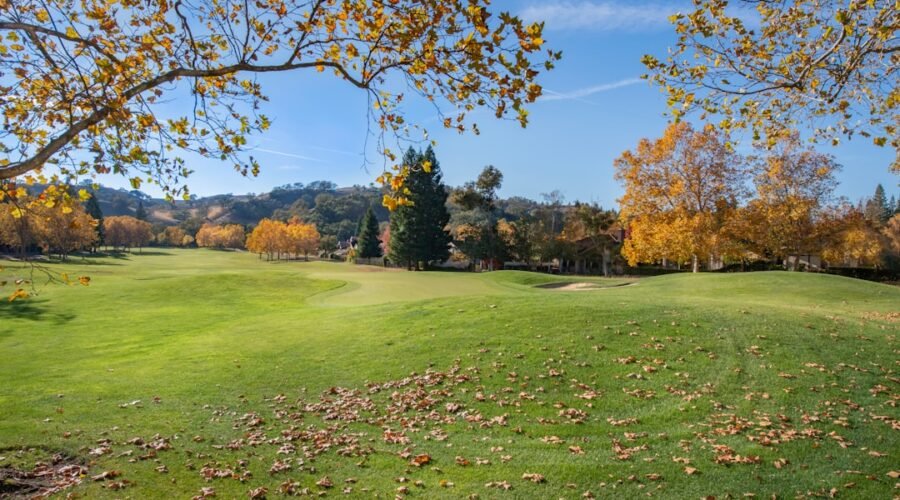
Autumn brings crisp air, changing leaves, and more comfortable temperatures for travelers who do not enjoy midsummer heat. September is the strongest fall month for most visitors because the weather is still relatively mild and many events and activities remain available.
Autumnal Advantages
- Fall Scenery: Wetaskiwin’s parks and tree-lined areas can be especially attractive as foliage changes color.
- Comfortable Temperatures: Wetaskiwin South’s historical normal daily maximum is 18.1°C (64.6°F) in September. October cools substantially, with a normal daily maximum of 11.1°C (52.0°F).
- Harvest and Community Events: Fall can include farmers’ markets, museum events, food events, and other community programming.
- Good Walking Weather: Early fall can be comfortable for downtown walks, photography, park visits, and sightseeing without peak summer heat.
Fall’s Fading Light
- Shorter Days: Daylight decreases quickly as autumn progresses, leaving less time for outdoor sightseeing than in June or July.
- Frost and Early Snow Are Possible: Wetaskiwin South’s historical average first fall frost is around September 20, and the climate record includes September snowfall.
- Seasonal Operations Begin Winding Down: Warm-weather attractions may reduce their schedules or finish their seasons, so confirm hours before traveling.
Note: September should not automatically be described as a low-crowd month. Wetaskiwin can have museum festivals, community events, farmers’ markets, and racing during September, so individual weekends may be lively.
4. Winter: A Quiet Escape for Cold-Weather Travelers
Visiting Wetaskiwin in winter is a very different experience. Cold temperatures, snow, and shorter daylight hours limit some outdoor plans, but winter does not mean everything closes. It can work well if you prefer indoor attractions, quiet walks, snowy scenery, and a slower itinerary.
Winter’s Unique Allure
- Quieter Atmosphere: Winter has fewer warm-weather events and seasonal attractions, which can give the city a calmer feel.
- Snowy Scenery: Parks and local landscapes take on a completely different character after snowfall.
- Year-Round Recreation: The City of Wetaskiwin describes its parks as available for year-round enjoyment. By-the-Lake Park includes a 2.5 km paved trail around a 17-acre constructed lake.
- Indoor Attractions Remain: Reynolds Museum currently lists daily operating hours from 10 a.m. to 5 p.m., with closures on Dec. 24–26 and Jan. 1.
Winter’s Stark Realities
- The Cold Factor: Wetaskiwin South’s historical January averages are a daily maximum of -5.2°C (22.6°F), an average temperature of -10.5°C (13.1°F), and a daily minimum of -15.7°C (3.7°F). Cold snaps can be much more severe.
- Fewer Seasonal Attractions: Attractions such as Alberta Central Railway Museum and Edmonton International Raceway operate around warm-season schedules, so winter sightseeing relies more heavily on museums, recreation facilities, parks, dining, and local culture.
- Travel Disruptions: Snow, ice, reduced visibility, and highway incidents can affect driving conditions.
- Short Daylight Hours: Plan outdoor activities earlier in the day and leave extra travel time when conditions are poor.
Warning: Before a winter drive, check 511 Alberta, the province’s official source for highway conditions, closures, snow and ice coverage, reduced visibility, incidents, and weather-related travel information.
If you’re planning a winter trip to Wetaskiwin, weather and road conditions matter more than generalized crowd or cost rankings. Accommodation rates can vary throughout the year, so compare current prices and cancellation policies for your exact travel dates.
5. Finding Your Sweet Spot: Balancing Weather, Crowds, and Cost
| Month | Typical Daytime High | Travel Character | Cost & Crowd Notes |
| May | 17.8°C / 64°F | Cool to mild; seasonal activities begin returning | Rates vary; later May is generally more practical for outdoor trips |
| June | 21.4°C / 71°F | Warm, long days, strong all-around choice | Check event weekends and current hotel rates |
| July | 24.0°C / 75°F | Warmest month; many seasonal activities | Event weekends may increase demand; summer rain is still common |
| August | 22.8°C / 73°F | Warm and active | Compare live rates; major events can affect availability |
| September | 18.1°C / 65°F | Cooler, fall color, still active | Can be lively during festivals, markets, museum events, and races |
| October | 11.1°C / 52°F | Cool, shorter days, increasing frost risk | Some seasonal attractions may already be finished |
Temperature figures above are historical 1981–2010 daily maximum normals for the Wetaskiwin South station, not a forecast for any specific trip.
So, how do you pick the absolute best time? It comes down to your priorities rather than a single perfect month.
The Golden Window: Late May to September
- For Most Visitors: This period gives you the strongest combination of comfortable weather, outdoor access, events, and seasonal attractions.
- Weather: Late spring starts mild, summer becomes warm, and September cools gradually.
- Crowds: There is no official month-by-month visitor count, so expect crowd levels to depend heavily on events.
- Cost: Accommodation rates vary by hotel, booking timing, and event date rather than following a guaranteed citywide pattern.
- Tip: Choose June for long days and moderate warmth, July for the warmest averages, or September for cooler sightseeing and fall atmosphere.
The Flexible Explorer: April to Mid-June and September to Mid-October
- For Flexible Travelers: These transitional periods suit visitors who are comfortable adjusting plans around weather and seasonal opening dates.
- Weather: Conditions range from chilly or frosty to pleasantly warm.
- Crowds: Activity varies considerably by weekend and event schedule.
- Cost: You may find good rates outside special events, but there is no verified citywide rule that shoulder-season accommodation is always cheaper.
- Tip: Check attraction hours, forecast conditions, and cancellation terms before booking.
The Winter Traveler: November to March
- For Cold-Weather Visitors: Winter suits travelers interested in quiet scenery, indoor attractions, recreation facilities, and a slower itinerary.
- Weather: Cold temperatures, snow, ice, and short days are normal parts of the season.
- Crowds: There are fewer warm-season events, although year-round attractions remain active.
- Cost: Do not assume winter automatically delivers the year’s cheapest hotel rates; compare actual prices for your dates.
- Tip: Bring proper winter clothing, build flexibility into your schedule, and check Alberta 511 before highway travel.
What Changes by Season in Wetaskiwin?
The biggest difference between seasons is not simply temperature. Attraction schedules change too.
- Reynolds Museum: A major year-round option. Its current schedule lists daily 10 a.m.–5 p.m. hours, with specific holiday closures.
- Alberta Central Railway Museum: A seasonal attraction. Always confirm the current year’s opening dates and days of operation before visiting.
- By-the-Lake Park and city trails: The City of Wetaskiwin promotes its parks for year-round enjoyment, although facilities such as washrooms may use seasonal hours.
- Edmonton International Raceway: Racing is primarily a warm-season activity, and individual race weekends can draw extra visitors.
- Farmers’ markets and community events: Do not assume they end with August. Current calendars show that local programming can continue well into fall.
Ultimately, Wetaskiwin has something to offer throughout the year, but late May through September is the most versatile period for a first visit. Pick June through August if warmth matters most, September if you prefer cooler sightseeing, and winter only if you are comfortable planning around cold weather and road conditions.
Frequently Asked Questions
What is the best time to visit Wetaskiwin, Alberta?
For most visitors, late May through September offers the best balance of comfortable weather, outdoor activities, events, and seasonal attraction availability. June through August is warmest, while September is a good choice for cooler weather and fall scenery.
Which month has the warmest weather in Wetaskiwin?
July is historically the warmest month. Wetaskiwin South’s 1981–2010 climate normals show an average daily maximum of 24.0°C (75.2°F) in July, compared with 21.4°C in June and 22.8°C in August.
When is the peak tourist season in Wetaskiwin?
There is no authoritative month-by-month visitor-count dataset showing one official peak season. Summer has more warm-weather activities, but individual festivals, museum events, markets, and race weekends can have a bigger effect on local crowd levels than the month itself.
When are hotels cheapest in Wetaskiwin?
There is no reliable public citywide seasonal hotel-price dataset proving that one month is always cheapest. Rates vary by property, booking date, weekday, and local events. Compare current prices for your exact dates rather than relying on a general high- or low-season label.
Is September a good time to visit Wetaskiwin?
Yes. September’s historical average daily maximum is about 18.1°C (64.6°F), making it comfortable for walking and sightseeing. Fall color can also be attractive. However, frost becomes more likely later in the month, and festivals or race weekends can make some dates busier.
Is Wetaskiwin worth visiting in winter?
It can be if you are comfortable with Alberta winter weather. Reynolds Museum remains a major indoor attraction, and city parks remain available year-round. Seasonal attractions are more limited, and you should check weather and Alberta 511 road conditions before driving.
What events can make Wetaskiwin busier?
Museum festivals, community celebrations, farmers’ markets, food events, and race weekends can increase local activity. Reynolds Museum, the City of Wetaskiwin, the Wetaskiwin Agricultural Society, and Edmonton International Raceway publish current calendars, so check them before choosing travel dates.
Sources
- Environment and Climate Change Canada — Wetaskiwin South Climate Normals — historical monthly temperatures, precipitation, snowfall, and frost timing.
- Reynolds Museum — Hours and Admission — current operating hours and holiday closures.
- Alberta Central Railway Museum — Hours — seasonal opening dates and operating schedule.
- City of Wetaskiwin — Parks & Trails — year-round parks, trails, and By-the-Lake Park information.
- 511 Alberta — official Alberta highway conditions, closures, visibility, incidents, and winter travel information.
- Discover Wetaskiwin — official visitor information about local museums, parks, attractions, dining, and seasonal experiences.