

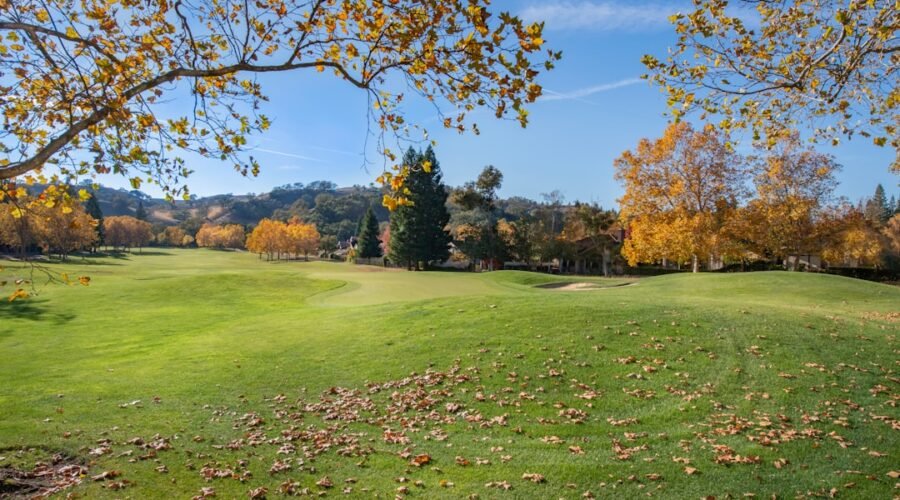
The best time to visit Boğazkale, Çorum, depends on the weather, crowds, and what you want to explore. This historic town in central Turkey is home to Hattusa, the ancient Hittite capital, and the remarkable Yazılıkaya rock sanctuary. Since these attractions are mainly outdoors, choosing the right season can make a big difference to your trip.
Quick Answer
The best time to visit Boğazkale is May to early June or September to October. These months offer comfortable sightseeing temperatures and generally manageable crowds. September is especially attractive for drier weather, while May brings green landscapes and spring flowers. July and August are hotter, and winter can bring freezing temperatures and snow.
Last checked: October 28, 2026. Dates and figures were verified against official sources.
Key Takeaways
- April offers cooler sightseeing weather and relatively quiet archaeological sites, but rain remains possible.
- May is one of the most comfortable months, although it is also the wettest month in the official Çorum climate figures.
- July and August have average daytime highs near 29–30°C (84–85°F) in Çorum, making midday exploration less comfortable.
- September combines warm days with relatively low rainfall, making it particularly good for photography and walking.
- Winter offers quieter surroundings and potentially cheaper accommodation, but snow and icy ground can disrupt sightseeing.
Best Time to Visit Boğazkale: Monthly Weather and Costs
May, early June, September, and October generally offer the best conditions for visiting Boğazkale. However, the weather changes considerably throughout the year. A month-by-month comparison helps you choose a period that matches your comfort level and budget.
The temperatures and rainfall figures below come from the Turkish Meteorological Service’s official Çorum climate statistics. They represent the Çorum observation location, not a separate weather station in Boğazkale. Conditions at Hattusa may differ because of its location and elevation.
| Month | Weather | Crowds | Costs |
|---|---|---|---|
| January | Cold; 4.4°C average high; 38.8 mm rain or snow | Very low | Usually lower |
| February | Cold; 6.6°C high; 29.0 mm precipitation | Very low | Usually lower |
| March | Cool; 11.5°C high; 38.6 mm precipitation | Low | Usually lower |
| April | Mild; 17.5°C high; 46.5 mm rainfall | Low to moderate | Moderate |
| May | Pleasant; 22.2°C high; 62.0 mm rainfall | Moderate | Moderate |
| June | Warm; 26.0°C high; 54.1 mm rainfall | Moderate to higher | Moderate to higher |
| July | Hot and dry; 29.2°C high; 19.9 mm rainfall | Usually higher | Usually higher |
| August | Hot and dry; 29.6°C high; 15.0 mm rainfall | Usually higher | Usually higher |
| September | Warm; 25.6°C high; 22.4 mm rainfall | Moderate | Moderate |
| October | Mild; 20.0°C high; 27.1 mm rainfall | Low to moderate | Moderate |
| November | Cool; 13.0°C high; 32.7 mm precipitation | Low | Usually lower |
| December | Cold; 6.5°C high; 43.1 mm precipitation | Very low | Usually lower |
Weather data: Turkish Meteorological Service, Çorum station, published observation period 1929–2025. Temperatures are average daily highs, not monthly average temperatures. Rainfall figures are average monthly precipitation totals, including snowfall expressed as water equivalent. Crowd and accommodation cost categories are general seasonal expectations, not official measured statistics.
September offers one of the strongest combinations of warmth and relatively dry weather. May is also excellent for walking, although spring showers are more likely than many travelers expect.
Boğazkale Weather by Season: What to Expect
Boğazkale has a continental climate, with warm summers, cold winters, and noticeable changes between seasons. Unlike Turkey’s Mediterranean coast, this inland area can have chilly nights even when daytime temperatures feel comfortable.
Spring in Boğazkale: March to May
Spring is an excellent time to explore Boğazkale if you enjoy mild temperatures and green countryside. The landscape gradually recovers from winter, and the weather becomes more comfortable for longer walks.
March: Early spring remains cool. Average daytime highs in Çorum are around 11.5°C (53°F), while nighttime temperatures can fall below freezing. Snow or icy conditions may still occur, especially at exposed locations.
April: Daytime highs rise to around 17.5°C (64°F). This is a good month for travelers who prefer cooler weather and fewer visitors. However, you should prepare for changing conditions and occasional rain.
May: Average highs reach approximately 22.2°C (72°F). The countryside becomes greener, and the temperatures suit extended walks through Hattusa.
May also receives approximately 62 mm of precipitation in the Çorum climate records. It is the wettest month in those published averages, so a lightweight waterproof jacket is useful.
Spring visitors may also find local cultural activities. The Çorum Provincial Directorate of Culture and Tourism’s event directory lists Hattuşa Tourism Days in April and Boğazkale Bükme cultural festivities in June. These are listed event months, not confirmed dates for every future year.
Best for: Archaeology enthusiasts, nature lovers, photographers, and travelers who enjoy mild weather.
Summer in Boğazkale: June to August
Summer brings longer daylight hours and generally drier weather, especially during July and August. It is a convenient season for travelers exploring several destinations across Turkey, but the heat can make open-air sightseeing tiring.
June: Average daytime highs reach about 26°C (79°F). Early June often provides comfortable conditions, although warmer afternoons become more common as the month progresses.
June also receives an average of 54.1 mm of rainfall in Çorum, so it is not consistently dry. The provincial event directory lists Boğazkale Bükme festivities during this month, although exact annual dates are not established in that listing.
July: The average daytime high reaches approximately 29.2°C (85°F). Hotter days can occur, and the exposed archaeological landscape provides limited shade.
August: This is generally the driest month in the published Çorum figures, with approximately 15 mm of average rainfall. Average daytime highs reach 29.6°C (85°F).
Summer also brings domestic holiday travel. Although Boğazkale is much quieter than Turkey’s major beach resorts, popular monuments and tour stops may receive more visitors.
Warning: Hattusa has exposed stone surfaces, uneven paths, and areas with little shade. During hot weather, carry drinking water, wear sun protection, and avoid long walks during the hottest afternoon hours. Heat and dehydration can become serious problems.
If you visit during July or August, aim to explore outdoor ruins in the morning. Save the hottest part of the day for lunch, rest, or an indoor museum visit.
Best for: Travelers limited to summer holidays, visitors who prefer dry weather, and those comfortable with higher temperatures.
Autumn in Boğazkale: September to November
Autumn is another excellent season for discovering Boğazkale’s archaeological heritage. Temperatures become more comfortable after summer, and September often provides the most dependable balance between warmth and relatively low rainfall.
September: Average daytime highs are approximately 25.6°C (78°F). Rainfall averages just 22.4 mm, making this a particularly attractive month for outdoor sightseeing.
The warm days and cooler mornings also create pleasant conditions for photography. You can explore the ancient city without the stronger midday heat typical of July and August.
October: Average daytime highs drop to around 20°C (68°F). This is still comfortable for walking, especially earlier in the month. However, evenings become noticeably cooler.
October can offer softer light and changing landscape colors. It is especially appealing if your main goal is to photograph ancient stone monuments and surrounding hills.
November: Average highs fall to around 13°C (55°F), and overnight temperatures approach freezing. Rain, wind, and shorter days make visits less predictable.
November suits travelers looking for quieter surroundings, but you should allow more flexibility for outdoor activities.
Best for: Photographers, history enthusiasts, independent travelers, and anyone seeking pleasant temperatures without peak-summer conditions.
Winter in Boğazkale: December to February
Winter is the coldest and quietest season in Boğazkale. It offers a very different atmosphere, with the possibility of snow-covered ruins and almost empty archaeological landscapes.
December: Average daytime highs are around 6.5°C (44°F). Nighttime temperatures commonly fall below freezing, and snow becomes possible.
January: The average high is approximately 4.4°C (40°F), with an average nighttime low near -4.2°C (24°F). The cold makes extended outdoor sightseeing difficult.
February: Average daytime highs rise slightly to 6.6°C (44°F), but freezing nights and winter precipitation remain possible.
The main advantage of winter is tranquility. You may encounter very few tourists, particularly outside holidays and organized group visits.
However, snow, ice, and poor road conditions can affect access to exposed parts of the archaeological site. Some smaller accommodation providers may also operate with reduced availability.
Best for: Travelers seeking solitude, winter landscape photographers, and visitors comfortable with cold weather and flexible plans.
Best Weather for Exploring Hattusa and Yazılıkaya
The best weather for visiting Hattusa and Yazılıkaya usually arrives in late spring and early autumn. Both attractions involve outdoor exploration, so comfortable temperatures make it easier to appreciate the ancient structures and carved stone details.
According to the UNESCO World Heritage Centre, Hattusa was the capital of the Hittite Empire and became a World Heritage Site in 1986.
The archaeological landscape includes the Great Temple, ancient fortifications, the Lions’ Gate, the King’s Gate, and the Yazılıkaya rock sanctuary.
Why May and Early June Work Well
Late spring offers comfortable walking temperatures and longer days. You can spend time around the Great Temple, city gates, and elevated viewpoints without the stronger heat of midsummer.
Wildflowers and fresh vegetation may also add color to the surrounding countryside.
The main drawback is rainfall. May and June have higher average precipitation totals than September, so waterproof footwear or a light rain jacket can be helpful.
Why September and October Are Excellent Alternatives
September offers warm weather with considerably less average rainfall than May. This makes it especially attractive for visitors who want to spend most of their time outdoors.
October is cooler and usually comfortable during the day, although shorter daylight hours mean you should begin exploring earlier.
For many travelers, September offers the strongest balance between comfortable temperatures, drier conditions, and a relaxed sightseeing experience.
What Makes Summer and Winter More Difficult?
Summer heat can make exposed walking routes uncomfortable during the afternoon. The best solution is to start early and take longer breaks during the hottest hours.
Winter creates the opposite problem. Cold winds, snow, and icy stone surfaces can limit how much of the site you can safely explore.
If the main purpose of your trip is to see the Hittite monuments, May, September, and early October are generally safer choices for a comfortable itinerary.
Navigating the Crowds: Peak Season vs. Quiet Months
Boğazkale is generally much quieter than Turkey’s major coastal and city destinations. However, visitor numbers still change with school holidays, organized tours, public holidays, and the weather.
The following crowd comparisons are seasonal expectations rather than official monthly visitor counts.
Spring and Autumn: Comfortable with Manageable Crowds
May, early June, September, and October usually offer a good balance between visitor activity and peaceful sightseeing.
These months attract people interested in archaeology, cultural travel, and independent exploration. You may meet other travelers at major monuments, but the extensive site often provides plenty of space.
Weekday mornings are especially attractive if you want quieter photographs around the ancient gates and temples.
Summer: More Holiday Visitors
July and August generally bring more domestic vacation travel and international visitors exploring central Turkey.
Some visitors arrive as part of wider itineraries covering Ankara, Cappadocia, and other historical destinations.
Although Hattusa rarely experiences the same crowd levels as Turkey’s most famous coastal attractions, popular stopping points can become busier during the summer holiday period.
School holidays, national holidays, and long weekends can also affect local demand. These dates change from year to year, especially for religious holidays.
Late Autumn and Winter: The Quietest Period
November through March is generally the quietest period for tourism in Boğazkale.
Visitors willing to tolerate cold weather may enjoy a peaceful atmosphere around the ancient ruins. Winter can also create unusual photographic opportunities after snowfall.
However, quiet conditions do not guarantee access to every pathway or viewpoint. Weather-related restrictions may affect the experience.
Budgeting Your Boğazkale Adventure: When Is It Cheapest?
Boğazkale is often a manageable destination for budget-conscious travelers, particularly compared with Turkey’s major resort areas. Your total cost depends on accommodation, transportation, meals, and admission to archaeological attractions.
Seasonal demand may influence hotel rates, but there is no verified public monthly price index for accommodation in Boğazkale. The differences described below should therefore be treated as typical expectations, not guaranteed discounts.
Low Season: November to March
Winter can offer some of the lowest accommodation prices because fewer tourists visit the area.
However, lower prices do not always mean better overall value. Some guesthouses may have limited availability, and you may need to spend more on transportation or change plans because of winter conditions.
If your main reason for visiting is outdoor archaeology, the potential savings may not justify the cold weather.
Shoulder Season: April to May and September to October
Spring and autumn often provide the best overall value. You can enjoy comfortable sightseeing conditions while avoiding some of the demand associated with summer holidays.
Accommodation prices depend on the property and travel dates. Smaller guesthouses may offer good value, especially outside busy weekends or local events.
May and September are particularly attractive because they allow you to spend more time enjoying the ruins rather than adjusting your itinerary around extreme temperatures.
High Season: June to August
Summer accommodation can cost more when demand increases, particularly during domestic holidays.
Boğazkale has a smaller accommodation market than major Turkish tourist cities. As a result, availability may matter more than dramatic seasonal price differences.
Booking accommodation in advance is sensible if you plan to travel during July, August, or a holiday weekend.
Official Entrance Fees for Hattusa and Nearby Museums
Unlike accommodation rates, admission prices are published by the Turkish Ministry of Culture and Tourism.
According to the official museum and archaeological site fee list, the following foreign-visitor prices were published when checked on October 28, 2026:
- Boğazköy-Hattuşa Archaeological Site: €3.
- Boğazköy Museum: €3.
- Alacahöyük Museum and Archaeological Site: €3.
- Çorum Museum: €4.
These are published admission charges for foreign visitors. Turkish citizens can use a valid Müzekart at the listed locations under the applicable program rules.
Hattusa and the nearby Yazılıkaya sanctuary have historically been visited under a combined archaeological-site ticket, but the current official fee list does not separately clarify the Yazılıkaya ticket arrangement.
Walking around Boğazkale town and enjoying public streets or surrounding scenery does not require an archaeological-site admission ticket.
Practical Considerations for Visiting Boğazkale
The timing of your visit also affects opening hours, transportation, and how much of the archaeological landscape you can explore in one day.
Boğazkale is a small town, but the historical sites cover a much larger area. Planning your route is especially helpful if you want to visit Hattusa, Yazılıkaya, and the museum together.
Hattusa Opening Hours and Seasonal Changes
The official Hattusa archaeological site page lists the attraction as open every day. Its general listing displays opening at 08:00, closing at 18:30, and ticket-office closing at 18:15.
However, separate seasonal ministry notices can override the general listing.
For example, the official May 1 to October 1, 2026 visiting-hours announcement specified:
- Visitor entry and ticket office opening: 08:30.
- Ticket office closing: 18:30.
- Site closing: 19:00.
These extended hours applied to the specified 2026 summer period. They should not be treated as confirmed opening hours for the entire year.
Winter schedules may be shorter. The ministry previously announced 08:00–17:00 hours for Hattusa from October 1, 2025, to April 1, 2026.
Because the general page and seasonal announcements may differ, confirm the applicable schedule before planning a late-afternoon visit.
How Much Time Should You Spend at Hattusa?
You can see the main highlights of Hattusa and Yazılıkaya in a half-day visit. However, a longer visit is more comfortable if you want to explore the monuments carefully, take photographs, and include the local museum.
The Boğazkale Municipality’s official Hattusa visitor guide suggests an itinerary lasting approximately 2.5–3.5 hours.
Its recommended route includes:
- Boğazkale town center and the museum area.
- The Great Temple and Green Stone area.
- The Lions’ Gate, fortifications, and scenic viewpoints.
- Yazılıkaya, the Hittite rock sanctuary.
The municipality gives an approximate 5–10-minute connection between the town center and Hattusa, plus around 10–15 minutes between Hattusa and Yazılıkaya. These are itinerary estimates rather than guaranteed journey times.
Allow extra time for detailed photography, walking, reading information boards, and resting between stops.
Pro Tip: If you have limited time, visit the main Hattusa monuments first and leave the nearby Yazılıkaya sanctuary for a separate stop. This makes it easier to appreciate the rock carvings without rushing through the ancient city.
What Should You See at Yazılıkaya?
Yazılıkaya is one of the most important attractions near Boğazkale. The rock sanctuary lies approximately 2 km northeast of the ancient Hittite capital.
Its carved chambers feature representations of Hittite and Hurrian gods and goddesses, along with royal figures.
The sanctuary is particularly appealing to visitors interested in ancient religion, sculpture, and archaeological photography.
Try to allow time for both rock chambers rather than treating the sanctuary as a quick photo stop.
Is Boğazköy Museum Worth Visiting?
Boğazköy Museum is a useful addition to any Hattusa itinerary, especially if you want to understand the objects recovered from the ancient city.
The official Boğazköy Museum information describes exhibits covering several historical periods, including the Hittite, Phrygian, Roman, and Byzantine eras.
The museum also displays the Boğazköy sphinxes, reunited in the museum in 2011.
Because it is indoors, the museum provides a useful alternative activity when the weather is too hot, rainy, or cold for extended outdoor exploration.
What Should You Pack for Each Season?
Suitable clothing and footwear can make a substantial difference to your comfort around Boğazkale’s exposed archaeological landscape.
- Spring: Comfortable walking shoes, a light waterproof jacket, and layers for cool mornings.
- Summer: A sun hat, sunglasses, sunscreen, lightweight clothing, and enough drinking water for exposed walking routes.
- Autumn: Comfortable shoes, a light jacket, and warmer layers for late afternoons.
- Winter: A warm coat, gloves, insulated clothing, and shoes with reliable grip for cold or slippery conditions.
Regardless of the season, choose footwear suitable for uneven stone paths and sloping ground.
Which Season Suits Your Travel Style?
The ideal travel period depends on whether you care most about history, photography, low prices, or quiet surroundings.
- For archaeology enthusiasts: May, early June, September, and October provide comfortable conditions for visiting Hattusa’s major monuments.
- For photographers: September and October offer warm colors and softer seasonal light. May is attractive for spring vegetation, while winter may provide dramatic snowy landscapes.
- For budget travelers: November through March may offer lower accommodation prices, but April and October can provide better value when comfort matters.
- For peace and quiet: Winter is usually the quietest period. March, April, and November can also be relatively peaceful.
- For families: May, early June, and September are generally more comfortable than hot midsummer afternoons.
- For summer holiday travelers: July and August remain practical choices if you begin outdoor visits early and allow time for breaks.
If you have flexible travel dates, choose September for its balance of warmth and relatively dry weather. May is another excellent option if you prefer greener scenery and do not mind occasional rain.
Frequently Asked Questions
What is the best time to visit Boğazkale, Çorum, for good weather?
The best time to visit Boğazkale for comfortable weather is May to early June or September to October. These months usually provide pleasant conditions for exploring Hattusa and Yazılıkaya. September is particularly attractive because it is generally drier than late spring.
When is the peak tourist season in Boğazkale?
July and August are generally the busiest summer holiday months in Boğazkale. Domestic vacation travel and international sightseeing tours can increase visitor numbers. However, Hattusa is usually much less crowded than Turkey’s major coastal resorts and famous city attractions.
When is the off-peak tourist season in Boğazkale?
The off-peak tourist season in Boğazkale generally runs from November through March. Visitor numbers are usually lower because of cold weather, shorter days, and possible snow. This period suits travelers seeking solitude, although winter conditions can limit outdoor sightseeing.
Are hotels and attractions more expensive during summer?
Hotels may charge more during summer because of increased holiday demand. However, accommodation prices vary by property and booking date. The official foreign-visitor admission fee for Hattusa was listed as €3 in October 2026, and the published fee is not presented as a seasonal summer surcharge.
Are there festivals or cultural events in Boğazkale?
Boğazkale has local cultural events associated with Hittite heritage and regional traditions. The provincial tourism directory lists Hattuşa Tourism Days in April and Boğazkale Bükme festivities in June. An August Hattuşa Festival mentioned in some descriptions was not confirmed in that official listing, and exact future event dates remain unconfirmed.
Does it snow in Boğazkale during winter?
Yes, snow can fall in Boğazkale during winter, especially between December and February. Average nighttime temperatures in nearby Çorum fall below freezing during these months. Snow and ice can make archaeological paths slippery and sometimes interfere with road access.
How many hours do you need to visit Hattusa and Yazılıkaya?
Allow approximately 2.5 to 3.5 hours for a visit covering Boğazkale’s main Hattusa highlights and Yazılıkaya, based on the municipality’s suggested route. You may need additional time for detailed exploration, photographs, museum exhibits, and breaks between monuments.
Sources
- Turkish Meteorological Service: Official Çorum climate statistics, including monthly temperatures and precipitation.
- UNESCO World Heritage Centre: Hattusa’s historical significance, World Heritage designation, and Yazılıkaya sanctuary.
- Çorum Provincial Directorate of Culture and Tourism: Listed local cultural events and their scheduled months.
- Turkish Ministry of Culture and Tourism, Admission Fees: Published foreign-visitor charges and Müzekart eligibility.
- Boğazköy-Hattuşa Archaeological Site: Official visitor information and general opening hours.
- Ministry of Culture and Tourism, 2026 Visiting Hours: Seasonal opening and closing times for Hattusa and related museums.
- Boğazkale Municipality Hattusa Visitor Guide: Suggested sightseeing routes, monuments, and estimated visiting times.
- Boğazköy Museum: Official information about collections, exhibits, and the Boğazköy sphinxes.


[…] Boğazkale, Çorum […]
[…] Directorate of Culture and Tourism local-events calendar lists Hattuşa Tourism Days in April and Boğazkale Bükme cultural activities in June, along with several other spring events across the […]