

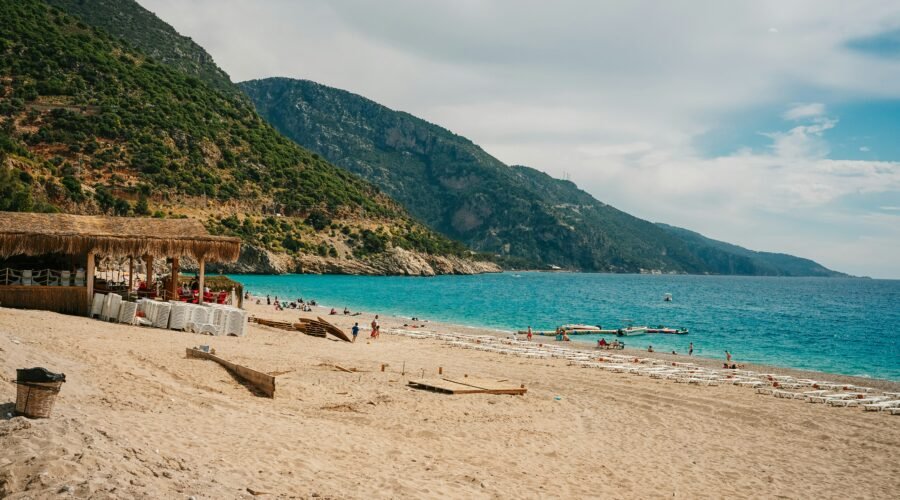
Determining the best time to visit Muğla depends heavily on whether your priority is swimming along the Turquoise Coast, trekking ancient Mediterranean footpaths, or avoiding seasonal resort crowds. Muğla province—home to premier destinations like Bodrum, Fethiye, Marmaris, Datça, and Ölüdeniz—experiences distinct seasonal shifts that influence everything from flight availability and hotel rates to sea temperatures and trail conditions.
Quick Answer
The best time to visit Muğla is during the shoulder seasons of late spring (May to early June) and early autumn (September to October). These months offer daytime temperatures between 24°C and 29°C (75°F–84°F), warm sea waters ideal for swimming, manageable crowd levels, and substantial savings on accommodation compared to peak summer.
Key Takeaways
- Shoulder Seasons (May–June & September–October): Ideal for a balance of pleasant weather, open attractions, comfortable swimming conditions, and moderate pricing.
- Peak Summer (July–August): Best for lively nightlife, water sports, and guaranteed hot weather (often exceeding 35°C/95°F), but brings peak crowds and premium accommodation rates.
- Active Exploration (April–May & October): Optimal windows for hiking the Lycian Way or Carian Trail and exploring open-air archaeological ruins without heat exhaustion.
- Low Season (November–April): Best for budget travelers seeking tranquil village life, though coastal resort towns experience widespread seasonal closures and rainy spells.
Muğla Climate and Seasonal Weather Patterns
Muğla province is characterized by a classic Mediterranean climate featuring hot, dry summers and mild, wet winters. However, the region also features noticeable microclimatic variations. Coastal peninsulas like Bodrum and Datça experience cooling Aegean breezes (the Meltemi winds), while sheltered bays in Marmaris and Fethiye often trap summer heat. In contrast, inland areas and the provincial capital of Muğla city (Menteşe), situated at an elevation of roughly 660 meters, experience cooler temperatures and significantly higher rainfall throughout the year.
Summer Heat (June to August)
Summer in Muğla brings intense sunshine, virtually zero rainfall along the coast, and long daylight hours. Average daytime highs regularly exceed 34°C to 38°C (93°F–100°F), with inland valleys occasionally surpassing 40°C (104°F). Coastal sea breezes provide some relief on exposed peninsulas, but humidity in sheltered gulfs like Marmaris can make the heat feel more pronounced. Sea temperatures warm up rapidly, averaging 24°C (75°F) in June and peaking around 27°C to 28°C (81°F–82°F) in August.
Warning: Midsummer heat along the Aegean and Mediterranean coast can be dangerous for strenuous outdoor activities. If visiting in July or August, schedule hiking, cycling, and unshaded archaeological site visits for early morning hours before 10:00 AM, and stay well hydrated.
Autumn Bliss (September to November)
Autumn offers some of the finest travel conditions in southwestern Turkey. Throughout September and October, daytime temperatures moderate to a comfortable 25°C–30°C (77°F–86°F). Crucially, the sea retains its summer heat, with water temperatures hovering around 24°C–25°C (75°F–77°F) well into late October. By November, temperatures cool to an average of 19°C (66°F), and the frequency of short, intermittent showers increases as the winter rainy season approaches.
Winter Mildness (December to February)
Winters in coastal Muğla are mild compared to central and northern Europe, with average daytime highs ranging between 12°C and 16°C (54°F–61°F). However, winter is by far the wettest period of the year, with heavy rains concentrated between December and February. While coastal towns rarely see frost or snow, elevated inland mountain passes around Mount Babadağ and the Menteşe plateau frequently experience snowfall, creating a striking contrast against the coastline.
Spring Bloom (March to May)
Spring marks the awakening of the province, with countryside hillsides blanketed in wildflowers and blossoming citrus orchards. March remains brisk and damp, with highs near 17°C (63°F). By April and May, daytime conditions become comfortably warm (21°C–26°C / 70°F–79°F), rainfall drops off sharply, and outdoor trail networks become fully accessible. Sea temperatures take longer to warm up, sitting at roughly 18°C (64°F) in April before reaching a swimmable 21°C (70°F) by late May.
Navigating the Crowd Factor
Tourist density in Muğla fluctuates dramatically across the calendar, transforming bustling seaside resort centers into sleepy coastal villages depending on the month.
High Season Hustle (July to August)
July and August represent the peak of domestic and international tourism. Major resort hubs—including Bodrum, Marmaris, Gümbet, and Fethiye’s Ölüdeniz—operate at maximum capacity. Expect busy public beaches, crowded beach clubs, booked-out gulet cruises, and bustling night markets. If you thrive on vibrant nightlife, bustling marina boardwalks, and a high-energy holiday atmosphere, peak summer delivers unmatched energy, though advance reservations for dining and lodging are mandatory.
Shoulder Season Sweet Spot (May to June & September to October)
The shoulder season months strike an optimal balance for travelers seeking accessibility without overwhelming congestion. While popular beaches and heritage sites remain active, visitor volumes are significantly lower than in midsummer. You will find ample space on public beaches, shorter queues at historical landmarks like Kaunos and Kayaköy, and effortless table availability at waterfront seafood restaurants.
Pro Tip: For the ultimate balance of warm sea swimming and light crowds, choose late September to mid-October. The sea water is significantly warmer in October than in May, while daytime air temperatures remain comfortably sunny.
Low Season Lull (November to April)
From November through April, tourism numbers drop substantially across coastal Muğla. Resort towns transition into winter mode: beachfront umbrella concessions are packed away, and many seasonal businesses, independent tour operators, and boutique hotels close their doors until spring. This period offers complete solitude for remote workers, cultural travelers, and those interested in experiencing authentic Turkish coastal living, though dining and lodging options are primarily limited to permanent year-round municipalities like Muğla city center, Bodrum center, and Fethiye harbor.
Budgeting Your Muğla Trip

Seasonality directly drives travel expenses across Muğla province, creating distinct price brackets for airfare, resort lodging, and guided excursions.
Peak Season Premium (July to August)
During the midsummer peak, travel demand reaches its zenith across Turkey’s southwestern coast.
- Flights: Direct international charter and scheduled flights into Milas-Bodrum Airport (BJV) and Dalaman Airport (DLM) command their highest rates of the year.
- Accommodation: Luxury resorts, beachfront boutique hotels, and private villa rentals charge peak summer rates, with minimum stay requirements frequently enforced.
- Activities & Excursions: Demand for private boat charters, paragliding slots, and diving excursions is elevated, leaving little room for price negotiation.
- General Expenses: High-end beach clubs and waterfront dining venues operate at premium pricing levels.
Shoulder Season Savings (May to June & September to October)
Visiting during the shoulder season provides substantial cost efficiencies without compromising on resort infrastructure or weather quality.
- Flights: Airfares from major European hubs drop noticeably compared to July and August, especially when booked several weeks in advance.
- Accommodation: High-end hotels and family-run pensions often offer rates 20% to 40% lower than midsummer peaks, alongside flexible cancellation terms.
- Activities & Tours: Tour operators and yacht charters maintain full schedules while offering competitive shoulder-season package pricing.
Off-Season Bargains (November to April)
The winter and early spring months offer the lowest travel costs across the region.
- Flights: Direct international flights are limited, but frequent domestic connections via Istanbul (IST/SAW) to Bodrum and Dalaman are available at baseline prices.
- Accommodation: Year-round business hotels, city apartments, and open thermal resorts offer steep discounts, making extended stays very economical.
- Activities & Tours: While water sports and shared boat tours are paused, private historical guides, car rentals, and museum admissions are available at their lowest annual rates.
- General Expenses: Dining expenses reflect local resident prices at traditional lokantas (bistros) and regional produce markets.
Seasonal Activities and Experiences

Muğla’s geographic diversity—spanning rugged coastal cliffs, pine-forested mountains, and ancient Mediterranean trade harbors—creates distinct activity windows throughout the year.
Summer Fun (June to August)
Summer centers entirely around coastal, marine, and open-air nightlife experiences:
- Beach Hopping & Swimming: Pristine bays such as the Ölüdeniz Blue Lagoon, Butterfly Valley, İztuzu Beach (Dalyan), and Kaputaş are in prime condition for swimming and sunbathing.
- Blue Cruise Gulet Charters: Multi-day wooden gulet cruises along the Gulf of Gökova, Hisarönü, and the Twelve Islands of Fethiye operate at full capacity.
- Water Sports & Diving: Scuba diving in Bodrum’s reefs, windsurfing in Akyaka (famed for reliable thermal winds), and tandem paragliding from Mount Babadağ over Ölüdeniz.
- Nightlife & Open-Air Dining: World-class marina dining, open-air beach clubs, and live music venues animate Bodrum, Marmaris, and Fethiye late into the night.
Shoulder Season Exploration (May to June & September to October)
The shoulder season provides the perfect climate for active land-based exploration and outdoor sports:
- Trekking the Lycian & Carian Ways: Long-distance trails passing through Muğla—such as the coastal sections of the Lycian Way and the remote trails of the Carian Trail on the Bozburun and Datça peninsulas—are best hiked in April–May and October.
- Exploring Ancient Ruins: Discovering cliffside Lycian rock tombs in Dalyan, the ancient port of Kaunos, the ghost village of Kayaköy, or the sprawling ruins of Stratonikeia and Knidos without summer heat.
- Cycling and Road Touring: Comfortable temperatures make coastal roads between Akyaka, Marmaris, and Datça ideal for cycling and motorcycle touring.
- Local Harvests & Sailing Regattas: Experience regional olive, almond, and citrus harvest events, as well as prestigious autumn sailing events like the Marmaris International Race Week in late October.
Note: Ferry services connecting Muğla ports (Bodrum, Marmaris, Fethiye) to nearby Greek Dodecanese islands (Kos, Rhodes, Symi) operate with high daily frequency from May through October, but scale down significantly or suspend service during the winter months.
Winter Calm (November to April)
Winter invites a slower, culturally rich exploration of Muğla’s local traditions and inland natural heritage:
- Local Village & Culinary Immersion: Explore traditional weekly farmers’ markets, historical Ottoman-era architecture in old Muğla (Menteşe), and authentic inland culinary traditions.
- Wellness, Spas & Turkish Baths: Take advantage of traditional Turkish hammams and thermal spa facilities in resort wellness centers.
- Landscape Photography & Birdwatching: Capture dramatic winter seascapes and visit coastal wetlands like Köyceğiz Lake, a key wintering haven for migratory waterfowl.
- Off-Season Solitude: Enjoy famous natural landmarks and ancient sites entirely free of tourist crowds.
“With over 1,100 kilometers of coastline, Muğla boasts the longest shoreline of any Turkish province, making seasonal timing the single most critical factor in matching your trip to the right coastal or mountain microclimate.”
Making Your Decision: Complete Month-by-Month Guide
Use the comprehensive seasonal breakdown below to evaluate weather metrics, sea conditions, crowd density, and travel costs across the year:
| Month | Avg High (°C / °F) | Sea Temp (°C / °F) | Rainfall | Crowd Level | Cost Index |
|---|---|---|---|---|---|
| January | 14°C / 57°F | 17°C / 63°F | High (180–220 mm) | Low | Budget |
| February | 15°C / 59°F | 16°C / 61°F | Moderate-High (130 mm) | Low | Budget |
| March | 18°C / 64°F | 17°C / 63°F | Moderate (80 mm) | Low | Budget |
| April | 21°C / 70°F | 18°C / 64°F | Low-Moderate (45 mm) | Moderate | Moderate |
| May | 26°C / 79°F | 21°C / 70°F | Low (25 mm) | Moderate | Moderate |
| June | 31°C / 88°F | 24°C / 75°F | Very Low (<10 mm) | High | High |
| July | 35°C / 95°F | 26°C / 79°F | Virtually None (<3 mm) | Peak | Peak |
| August | 35°C / 95°F | 27°C / 81°F | Virtually None (<3 mm) | Peak | Peak |
| September | 31°C / 88°F | 26°C / 79°F | Low (15 mm) | Moderate-High | Moderate |
| October | 26°C / 79°F | 24°C / 75°F | Moderate (40–60 mm) | Moderate | Moderate |
| November | 20°C / 68°F | 20°C / 68°F | Moderate-High (90 mm) | Low | Budget |
| December | 16°C / 61°F | 18°C / 64°F | High (190–240 mm) | Low | Budget |
If You Love Heat, Nightlife, and Vibrant Energy
Target July or August. Be prepared for high temperatures, crowded beaches, bustling marina nightlife, and peak prices. Book flights, rental cars, and boutique hotels at least 3 to 5 months in advance.
For the Best Overall Balance of Weather, Swimming, and Value
Choose late May to mid-June or September to mid-October. You will enjoy warm sunshine, swimmable seas (particularly in autumn), uncrowded historical sites, and reasonable lodging rates.
If You Prioritize Hiking, Ancient Ruins, and Quiet Travel
Opt for April to early May or late October to early November. These months offer mild daytime temperatures ideal for trekking coastal trails and exploring unshaded ruins without tourist crowds.
Specific Traveler Considerations
- Families with School-Age Children: Summer school holidays necessitate visiting in July or August. To beat the heat, book villas with private pools in breezy elevated spots like Bitez, Ovacık, or Datça.
- Hikers & Trail Trekkers: April and October are the prime windows for the Lycian Way and Carian Trail; avoid midsummer completely due to dangerous heat exposure.
- Budget Backbackers: November to April offers massive savings on private rooms, apartments, and vehicle rentals.
- Beach & Water Sports Lovers: Late May through late October offers ideal water conditions. For windsurfing and kitesurfing in Akyaka, June through September provides the most consistent daily thermal winds.
Frequently Asked Questions
What is the best time to visit Muğla in terms of weather?
The best time to visit Muğla for comfortable weather is during the shoulder seasons of spring (May to early June) and autumn (September to October). During these periods, daytime temperatures average between 24°C and 29°C (75°F–84°F), humidity remains low, and rainfall is minimal, making both beach relaxation and sightseeing exceptionally pleasant.
When is the peak tourist season in Muğla?
The peak tourist season spans July and August. During these midsummer months, vacationers flock to key resort hubs like Bodrum, Marmaris, and Fethiye. Expect hot weather exceeding 35°C (95°F), full hotel occupancies, bustling nightlife, and premium rates across flights, car rentals, and boat tours.
When is the off-peak season in Muğla?
The off-peak season runs from November through April. During this winter and early spring period, temperatures range between 12°C and 18°C (54°F–64°F) and rain is frequent. While many seasonal beach clubs and resort hotels close, it is the most affordable and quiet time to explore local life and historic towns.
What are the average costs for visiting Muğla during the peak season?
During peak season (July–August), travel costs reach their highest levels of the year. Luxury resorts and boutique hotels often charge 50% to 100% more than shoulder season rates, direct international charter flights are priced at a premium, and vehicle rentals require advance booking to secure standard rates. Shoulder-season travelers can expect savings of 25% to 40% on identical accommodation and tour services.
Are there any major events or festivals in Muğla that visitors should consider?
Key cultural events in Muğla province include the Marmaris Yacht Charter Show (May), the prestigious Bodrum International Ballet Festival held at Bodrum Castle (August), the International Ölüdeniz Air Games featuring world-class paragliding displays (October), and the Marmaris International Race Week regatta (late October).
Sources
- Turkish State Meteorological Service (MGM) — Official regional climate, monthly precipitation, and coastal sea temperature records for Muğla province.
- GoTürkiye Official Tourism Portal — Republic of Türkiye Ministry of Culture and Tourism guide to Aegean and Mediterranean destinations, seasonal festivals, and cultural heritage sites.
- Culture Routes Society — Official guide to trekking seasons, trail conditions, and elevation logistics for the Lycian Way and Carian Trail.
- Muğla Metropolitan Municipality — Regional transport data, ferry schedule frameworks, and municipal event calendars.
[…] If you’re planning a trip to Renmark, South Australia, understanding the best time to visit can greatly enhance your experience. Factors such as weather, crowds, and costs play a significant role in determining the ideal time for your getaway. For those interested in exploring similar destinations, you might find it helpful to read about the best time to visit Mugla, Turkey, where you can also learn about the local climate and tourist seasons. Check out the article for more insights on planning your travels effectively here. […]